Table of Contents >> Show >> Hide
- What Are Polish Breaded Chicken Cutlets?
- Ingredients
- Equipment You’ll Want (Nothing Fancy)
- Step-by-Step Recipe
- Why This Recipe Works (A Little Delicious Science)
- Serving Ideas (Classic Polish Comfort)
- Variations You’ll Actually Want to Try
- Make-Ahead, Storage, and Reheating
- Common Questions (And Quick Fixes)
- Kitchen Stories & Serving Memories (An Extra of Real-Life Vibes)
- Conclusion
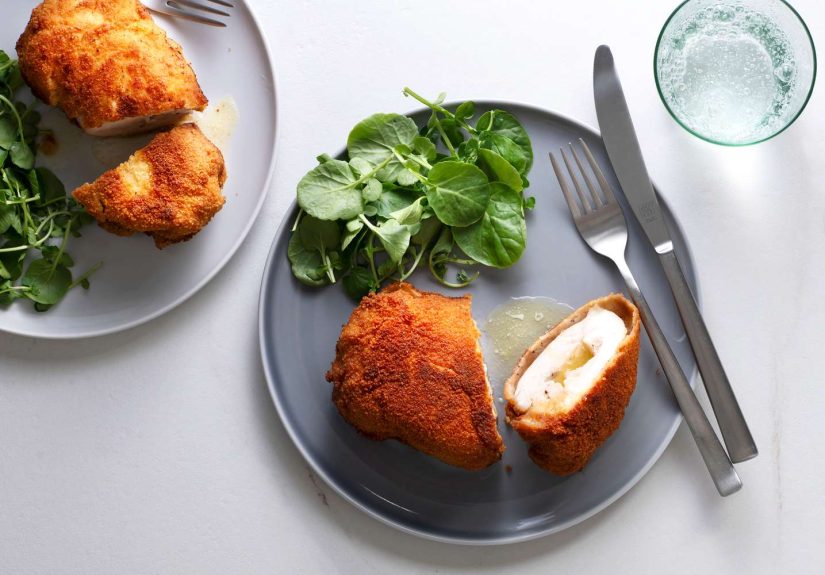
If you’ve ever wished your chicken could be crispy, juicy, and aggressively comforting without requiring a deep fryer,
welcome to the world of Polish-style breaded cutlets. In many Polish homes, a breaded cutlet is the edible equivalent of a warm
hug and a firm “you look too skinny, eat more.” This chicken versionoften called kotlet z kurczaka or kotlet drobiowy
(and sometimes written as “kotlet kurczeta” in older-style English recipe collections)is thin, lightly seasoned, breaded, and pan-fried
until golden. It’s simple… and that’s exactly why it works.
Below you’ll get a reliable, weeknight-friendly recipe plus the “why” behind the stepsbecause the difference between “pretty good”
and “why is this so good?” is usually one tiny technique you didn’t know you needed.
What Are Polish Breaded Chicken Cutlets?
Think of them as Poland’s close cousin to schnitzel and Milanese: thin chicken cutlets coated in a classic breading (flour → egg → breadcrumbs),
then shallow-fried. The goal is a crisp crust that clings like it pays rent, while the chicken stays tender inside.
In Polish kitchens, breaded cutlets are commonly served with potatoes and a saladespecially cucumber-dill salad (mizeria)
or a crunchy shredded vegetable salad (surówka). In other words: the plate is balanced, but your cravings are not.
Ingredients
This recipe aims for traditional flavor with practical American grocery-store ingredients. If you can buy chicken breasts and breadcrumbs,
you’re already 80% of the way there.
For the chicken
- 2 large boneless, skinless chicken breasts (about 1.25–1.5 lb total)
- 1 to 1 1/4 tsp kosher salt (to taste)
- 1/2 tsp black pepper
- 1/2 tsp garlic powder (optional, but friendly)
- 1/2 tsp sweet paprika (optional, adds warmth)
For the breading station
- 3/4 cup all-purpose flour
- 2 large eggs
- 1 tbsp milk or water (helps eggs loosen and coat evenly)
- 1 1/2 cups plain breadcrumbs (traditional) or panko (crunchier)
For frying
- Neutral oil (canola/vegetable) for shallow-frying, about 1/3 to 1/2 inch in the pan
- 1–2 tbsp butter (optional, for flavoradd after the oil is hot)
Optional finishing touches
- Lemon wedges
- Chopped parsley or dill
- A pinch of flaky salt
Equipment You’ll Want (Nothing Fancy)
- Cutting board and sharp knife
- Plastic wrap or a zip-top bag (for pounding)
- Meat mallet, rolling pin, or a heavy skillet (use what you’ve got)
- 3 shallow bowls/plates for flour, egg, and breadcrumbs
- Large skillet (12-inch is ideal)
- Tongs
- Wire rack (best) or paper towels (fine) for draining
- Instant-read thermometer (strongly recommended)
Step-by-Step Recipe
1) Make cutlets (thin = tender + fast)
-
Slice: Place one chicken breast flat on a board. Holding your knife parallel to the board,
carefully slice it horizontally to create two thinner pieces (like opening a book, but edible).
Repeat with the second breast. You should have 4 cutlets. -
Pound: Cover cutlets with plastic wrap (or tuck into a zip-top bag) and pound to an even thickness,
about 1/4 inch. Even thickness matters: it keeps the cutlet from being dry on one end and undercooked on the other. - Season: Sprinkle both sides with salt, pepper, and any optional spices.
2) Set up a breading station (assembly line energy)
- Plate 1: flour.
- Plate 2: beat eggs with milk/water until smooth.
-
Plate 3: breadcrumbs. If using plain breadcrumbs, season them lightly with a pinch of salt and pepper.
(If your breadcrumbs are already seasoned, go easyyou can always add salt at the end.)
Pro move: keep one hand for “dry” (flour/crumbs) and one for “wet” (egg). This reduces the dreaded “breadcrumb mitten”
situation where your fingers become a crunchy sculpture.
3) Bread the chicken (the classic: flour → egg → crumbs)
- Dredge each cutlet in flour and shake off the excess. A thin flour layer helps the egg cling evenly.
- Dip into egg, letting extra drip off.
- Press into breadcrumbs firmly so the coating adheres.
Optional “extra-crisp” Polish-style twist: Double breading. Dip the cutlet back into egg and breadcrumbs again.
This makes a thicker crustexcellent if you love crunch or if your cutlets are very thin and you want more protection from overcooking.
4) Let the cutlets rest (yes, this matters)
Lay breaded cutlets on a tray and let them sit for 10 minutes at room temp. This short rest helps the coating set,
reducing the chance of breading sliding off in the pan like it’s trying to escape its responsibilities.
5) Fry until golden
-
Heat a large skillet over medium to medium-high heat. Add enough oil for shallow frying (about 1/3–1/2 inch).
When the oil is hot and shimmering, you’re ready. If you like, add 1–2 tbsp butter for flavor right before frying. -
Fry 1–2 cutlets at a time (don’t crowd the pan). Cook 2–4 minutes per side, depending on thickness,
until deep golden brown. -
Transfer to a wire rack to drain. Sprinkle with a tiny pinch of salt while hot (this is how restaurants make
your brain say “wow”).
6) Check doneness the smart way
The safest approach is to use an instant-read thermometer and cook chicken to 165°F in the thickest part.
Thin cutlets cook fast, so checking early prevents overcooking. If you don’t have a thermometer, cut into the thickest part:
the meat should be opaque and the juices should run clearbut temperature is more reliable than vibes.
Why This Recipe Works (A Little Delicious Science)
Pounding creates even cooking
When thickness is consistent, heat moves through the chicken evenly. That means the crust can get crisp without the center staying raw,
and the center can cook through without the edges turning into chicken jerky.
Flour is glue’s best friend
Flour gives the egg something to grab onto, especially on moist meat. Skipping flour often leads to “breading exfoliation”
where the crust peels off in dramatic sheets. Tasty sheets, but still.
Resting the breaded cutlets helps the coating set
That short wait lets moisture in the egg hydrate the breadcrumbs and helps the layers bind. Less slippage, more crunch.
Shallow frying is the sweet spot
You get a crisp exterior without the mess and oil commitment of deep frying. Plus, it’s easier to manage in a standard home kitchen.
Serving Ideas (Classic Polish Comfort)
- With potatoes: boiled potatoes with dill and butter, mashed potatoes, or crispy roasted potatoes.
- With cucumber-dill salad (mizeria): cool, creamy, and perfect against a hot crunchy cutlet.
- With surówka: shredded carrot-apple salad, cabbage slaw, or a simple vinaigrette salad.
- With lemon: a squeeze brightens everything and cuts richness.
- Sandwich mode: tuck into a roll with pickles and mustard. Add a little mayo if you want to live deliciously.
Variations You’ll Actually Want to Try
1) More traditional breadcrumb flavor
Use plain breadcrumbs (not heavily seasoned) and keep seasoning on the chicken itself. This gives you that clean, simple cutlet flavor
that pairs well with Polish sides.
2) Extra crunchy (panko swap)
Panko makes a louder crunch. If you use panko, press it in firmly so it doesn’t fall off mid-fry. You can also crush it slightly for better coverage.
3) Parmesan-herb “Polish-American” riff
Add a small handful of grated Parmesan and chopped parsley to the breadcrumbs. Not traditional, but extremely lovable.
4) Oven-baked option
Bake on a wire rack set over a sheet pan at 425°F until golden and cooked through, flipping once. Mist with oil spray for better browning.
It won’t be identical to pan-fried, but it’s a solid weeknight alternative.
5) Air fryer option
Air fry at 400°F in a single layer, spraying both sides with oil. Flip halfway through. Keep an eye on browningthin cutlets go from “perfect”
to “oops” quickly.
Make-Ahead, Storage, and Reheating
Make-ahead
You can bread the cutlets a few hours ahead and refrigerate them on a tray. This can even improve adhesion. Just keep them uncovered or lightly
covered so the coating stays dry.
Storage
Store leftovers in an airtight container in the fridge for up to 3 days.
Reheating (keep it crispy)
Reheat in a 375°F oven or air fryer until hot. Microwaving works in an emergency, but it turns the crust from “crisp” into “sad cardigan.”
Common Questions (And Quick Fixes)
Why is my breading falling off?
Usually one of these: (1) chicken too wetpat dry first, (2) flour skipped or too patchy, (3) oil not hot enough, (4) flipping too early,
(5) no resting time after breading. Do the full flour → egg → crumbs, press crumbs firmly, rest 10 minutes, and fry in properly heated oil.
What oil should I use?
Use a neutral oil with a reasonably high smoke point (canola/vegetable). Butter adds flavor but can brown fast, so pair it with oil.
Can I use chicken thighs?
Yesboneless thighs work and stay juicy, but they’re harder to get evenly thin. Pound carefully and expect slightly longer cook time.
Kitchen Stories & Serving Memories (An Extra of Real-Life Vibes)
Breaded cutlets have a special talent: they make an ordinary evening feel like a small celebration. In many Polish and Polish-American households,
the sound of a cutlet hitting hot oil is basically a dinner bellone that says, “Show up hungry.” The setup often becomes a kind of kitchen ritual:
a plate of flour, a bowl of egg, a tray of breadcrumbs, and someone declaring they’ll keep things tidy (they won’t).
If you’ve never made cutlets before, your first “breading station” might feel like a craft project you didn’t sign up for. Flour ends up on the
counter, breadcrumbs end up on the floor, and at some point you look down and realize your fingers are wearing a crunchy glove. But then the first
cutlet comes out golden, you tap it with tongs, and it sounds like crispy applause. Suddenly, the mess feels less like a problem and more like proof
that something good is happening.
Cutlets are also famously social. One person pounds chicken. Another handles breading. Someone else “taste tests” the first one (for quality control,
obviously). And because they cook quickly, the kitchen stays active: you’re frying in batches, passing plates, and sneaking bites while pretending you’re
just checking seasoning. This is the kind of cooking that makes people wander in and ask, “What smells so good?”which is a polite way of saying,
“I will be hovering until dinner is ready.”
The best part might be how well these cutlets fit into real life. They can be a classic sit-down dinner with potatoes and salad, but they also slide
effortlessly into a lunchbox the next day. Leftover cutlet, a simple roll, a swipe of mustard, a pickle on the sidesuddenly your weekday lunch feels
like it got upgraded without your budget noticing. Some families even plan for leftovers on purpose, frying extra cutlets because they know tomorrow’s
sandwiches will disappear faster than today’s dinner.
And there’s something quietly satisfying about serving a plate that balances textures and temperatures: hot, crunchy chicken next to cool cucumber-dill
salad; buttery potatoes next to something bright and tangy. It’s comfort food that still feels fresh. If you’re cooking for picky eaters, this dish can
be a peace treatycrispy chicken is rarely controversial. If you’re cooking for adventurous eaters, it’s a perfect base: add mushrooms, a pan sauce, a
squeeze of lemon, or a spoonful of something creamy and herby. Either way, the cutlet does its job: it shows up crisp, stays juicy, and makes dinner
feel like a win.