Table of Contents >> Show >> Hide
- What Is Polyarticular Juvenile Idiopathic Arthritis?
- Polyarticular JIA Symptoms: What Families Usually Notice First
- How Polyarticular Juvenile Idiopathic Arthritis Is Diagnosed
- Polyarticular JIA Treatment: What Actually Helps
- What Life Looks Like After Diagnosis
- Can Polyarticular JIA Go Into Remission?
- Experiences With Polyarticular Juvenile Idiopathic Arthritis: What It Often Feels Like in Real Life
- Final Thoughts
- SEO Tags
Some childhood illnesses arrive loudly. Polyarticular juvenile idiopathic arthritis, or polyarticular JIA, is usually less dramatic but no less disruptive. It can sneak into a child’s life through stiff fingers at breakfast, achy knees after a nap, or a backpack that suddenly feels like it weighs as much as a refrigerator. One day a child is racing through the house, and the next day they are moving like they accidentally turned themselves into a much older relative.
The good news is that polyarticular JIA is treatable, and outcomes are far better today than they were years ago. Earlier diagnosis, smarter medication strategies, pediatric rheumatology care, physical therapy, and close monitoring for eye problems can help many children reach low disease activity or even remission. The key is recognizing the signs early and understanding that this is not “just growing pains” wearing a fake mustache.
In this guide, we will walk through what polyarticular juvenile idiopathic arthritis is, the symptoms that matter most, how doctors diagnose it, and the treatments families are most likely to hear about. We will also cover what daily life can look like when a child is managing a chronic inflammatory condition that affects five or more joints.
What Is Polyarticular Juvenile Idiopathic Arthritis?
Polyarticular juvenile idiopathic arthritis is a subtype of juvenile idiopathic arthritis, the most common form of chronic arthritis in children. “Juvenile” means it begins before age 16. “Idiopathic” means the exact cause is unknown. “Polyarticular” means it affects five or more joints during the first six months of illness.
This form of JIA can involve both large and small joints. It often shows up in the wrists, knees, ankles, elbows, fingers, toes, neck, and even the jaw. In some children, the inflammation appears in a fairly symmetrical pattern, meaning similar joints on both sides of the body are affected. That symmetry is one reason this condition can resemble adult rheumatoid arthritis, especially in children who are rheumatoid factor positive.
Doctors often divide polyarticular JIA into two broad categories: rheumatoid factor positive and rheumatoid factor negative. That distinction matters because rheumatoid factor positive disease tends to behave more like adult rheumatoid arthritis and may be linked with a more persistent, more erosive course. Rheumatoid factor negative disease is more varied. Some children have milder patterns, while others still need aggressive treatment and close follow-up.
The bottom line is simple: polyarticular JIA is an autoimmune inflammatory disease, not a sports injury, not a personality trait, and definitely not an excuse for adults to say, “You’re too young to have arthritis.” Children can absolutely have arthritis, and when they do, it deserves prompt attention.
Polyarticular JIA Symptoms: What Families Usually Notice First
Joint Pain, Swelling, and Morning Stiffness
The classic symptoms of polyarticular juvenile idiopathic arthritis are joint pain, swelling, warmth, and stiffness. Morning stiffness is especially common. A child may wake up moving slowly, walking awkwardly, or taking a long time to straighten their fingers, wrists, knees, or ankles. Some children seem “fine” later in the day, which can make the problem easy to dismiss at first.
In younger children, the clues may be subtle. They may limp, avoid stairs, stop using one hand normally, or seem clumsy when buttoning clothes, holding crayons, or opening snack packages. Since kids are not always great historians, “my hands feel like rusted robot claws” may not be the phrase you get. Instead, you may just see behavior changes.
Fatigue and Lower Energy
Inflammation does not politely stay inside the joints. Many children with polyarticular JIA feel tired, run down, or less physically confident. Parents sometimes notice that a child who used to be active now wants to sit more often, skips sports, or becomes irritable by late afternoon. Fatigue can come from active inflammation, poor sleep, medication effects, or the exhausting work of coping with chronic pain.
Reduced Range of Motion
When multiple joints are inflamed, children may lose flexibility and strength. They may not be able to fully close a fist, squat comfortably, extend their elbows, or turn their neck easily. Jaw involvement can make chewing harder. Wrist inflammation can affect handwriting. Finger involvement can make school tasks feel oddly heroic.
Eye Problems Can Be Silent
One of the most important facts about JIA is that it can be linked to uveitis, a form of eye inflammation. The tricky part is that it may cause no obvious symptoms at all, especially early on. That means a child can have eye inflammation without red eyes, pain, or complaints. Regular ophthalmology screening is not optional busywork; it is a critical part of protecting vision.
Other Possible Signs
Depending on the child and the severity of disease, other symptoms may include low-grade fever, poor appetite, mood changes, difficulty keeping up physically, and problems with growth if inflammation remains uncontrolled for a long time. The disease does not just affect joints on paper. It affects routines, school mornings, family schedules, and sometimes a child’s confidence in their own body.
How Polyarticular Juvenile Idiopathic Arthritis Is Diagnosed
There is no single test that says, with theatrical certainty, “Yes, this is polyarticular JIA.” Diagnosis is based on the pattern of symptoms, a physical exam, medical history, and tests that help support the diagnosis while ruling out other causes of joint inflammation.
Medical History and Physical Exam
A pediatric rheumatologist will ask how long symptoms have been present, which joints are involved, whether stiffness is worse in the morning, whether symptoms improve with movement, and whether there are any eye concerns, rashes, fevers, or family history of autoimmune disease. The exam focuses on swollen joints, limited motion, tenderness, warmth, gait changes, and signs of inflammation outside the joints.
Blood Tests
Doctors often order inflammatory markers such as ESR and CRP. These tests can suggest inflammation, although they are not specific to JIA. Other common tests include rheumatoid factor, anti-CCP antibodies, and ANA. These results do not tell the whole story by themselves, but they help classify disease, assess risk patterns, and guide follow-up. For example, ANA positivity can matter when doctors think about uveitis risk.
Imaging
Imaging may include X-rays, ultrasound, or MRI. These studies can help show joint swelling, fluid, early inflammation, or damage. Ultrasound is especially useful in pediatric rheumatology because it can detect inflammation that is not obvious on a quick office exam. MRI may help when the jaw, hips, or deep joints are involved.
Why Early Diagnosis Matters
The earlier polyarticular JIA is diagnosed, the sooner treatment can begin to control inflammation and prevent joint damage, functional loss, and growth complications. Waiting too long can allow inflammation to linger in ways that are much harder to undo. In pediatric rheumatology, “let’s just wait and see” is sometimes the least fun option on the menu.
Polyarticular JIA Treatment: What Actually Helps
Modern treatment for polyarticular juvenile idiopathic arthritis usually combines medication, rehabilitation, exercise, and careful monitoring. The goals are to reduce pain and stiffness, control inflammation, preserve joint function, prevent damage, support normal growth, and keep the child participating in school, play, and everyday life.
NSAIDs for Symptom Relief
Nonsteroidal anti-inflammatory drugs, or NSAIDs, may be used early to help with pain and stiffness. They can be useful, but they are usually not enough on their own for true polyarticular disease. Think of them as helpful support players, not always the star of the treatment plan.
Corticosteroid Joint Injections and Short-Term Steroids
Steroid injections into specific joints can reduce inflammation quickly. In some situations, doctors may also use a short course of oral steroids while slower medications begin working. Because long-term steroid use can affect growth, bone health, and other systems, pediatric specialists generally try to use the lowest dose for the shortest time possible.
Methotrexate and Other DMARDs
Methotrexate is one of the most common disease-modifying antirheumatic drugs, or DMARDs, used in children with JIA. It works by calming the immune system and reducing the inflammation that can damage joints over time. Many children with polyarticular JIA improve significantly with methotrexate, especially when treatment starts early.
Doctors monitor blood work during treatment and may adjust dosing based on response and side effects. Some children take methotrexate by mouth, while others do better with injections. It is not glamorous, but then again, neither is uncontrolled joint inflammation.
Biologics and Targeted Therapies
If methotrexate is not enough, or if the disease is moderate to severe from the start, biologic medications may be added. These drugs target specific parts of the immune system rather than suppressing it in a broad, old-school way. Common options used in pediatric rheumatology include TNF inhibitors and other biologic agents such as abatacept or tocilizumab, depending on the child’s disease pattern and response.
Some children may also be candidates for targeted oral therapies such as JAK inhibitors. These newer options have expanded treatment choices for active polyarticular JIA, especially when traditional approaches do not work well enough.
Physical Therapy and Occupational Therapy
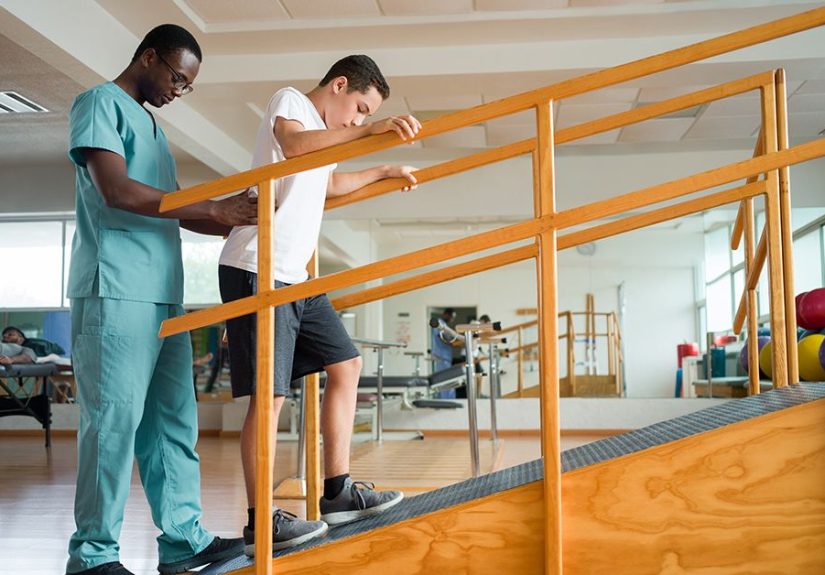
Medication is important, but it is not the whole story. Physical therapy helps maintain range of motion, muscle strength, balance, and endurance. Occupational therapy can help with hand function, school tasks, splints, adaptive tools, and strategies for daily activities. For a child with stiff hands, learning how to pace tasks and protect joints can make a surprisingly big difference.
Exercise Is Part of Treatment, Not a Bonus Feature
Children with polyarticular JIA generally do better when they stay active within reason. Walking, biking, swimming, stretching, and guided strengthening can all help. Movement supports joint function, mood, and overall health. The goal is not to turn every child into an Olympic hopeful. The goal is to keep the body moving, the joints working, and confidence intact.
Eye Screening and Ongoing Monitoring
Because uveitis may be silent, children with JIA need regular eye exams by an ophthalmologist, even if their vision seems fine. They also need routine follow-up with their rheumatology team to monitor joint activity, medication side effects, growth, function, and emotional well-being. Treating polyarticular JIA is not one dramatic visit. It is an ongoing, carefully adjusted process.
What Life Looks Like After Diagnosis
A diagnosis of polyarticular juvenile idiopathic arthritis can be scary, but it is not a prediction of defeat. Many children continue to attend school, play sports, travel, hang out with friends, and grow into healthy, capable adults. That said, families often need to make practical adjustments.
Morning routines may need more time because stiffness is worse after rest. School staff may need to know about flare days, fatigue, handwriting problems, or the need for movement breaks. A child may need extra support during gym, access to elevator use, modified seating, or a lighter backpack. None of this means lowering expectations for the child’s future. It means making the environment realistic and supportive.
Mental health matters too. Chronic illness can be frustrating, isolating, and unpredictable. Children may worry about looking different, falling behind, missing out, or being the kid who always has an appointment. Families do better when they treat emotional care as part of medical care, not as an optional side quest.
Can Polyarticular JIA Go Into Remission?
Yes, remission is possible. Some children achieve inactive disease and stay well for long periods. Others need ongoing medication adjustments over time. Outcomes vary depending on how early the disease is recognized, how active it is, whether the child is rheumatoid factor positive, how well treatment works, and whether complications such as uveitis develop.
What has changed most in recent years is the treatment mindset. Specialists are more likely to treat active disease early and seriously rather than waiting for damage to prove a point no one wanted proved. That more proactive approach has improved the outlook for many children with polyarticular JIA.
Experiences With Polyarticular Juvenile Idiopathic Arthritis: What It Often Feels Like in Real Life
Living with polyarticular juvenile idiopathic arthritis is often less about one dramatic moment and more about a hundred small interruptions. Families describe the early phase as confusing. A child may seem tired, sore, or unusually stiff, but still have good days in between. Parents often wonder whether the problem is growing pains, a sports injury, stress, or just a temporary phase. Then patterns start to emerge. The child takes longer to get dressed. They struggle with buttons, zippers, or opening water bottles. They stop sitting cross-legged on the floor. They do not want to play as long as they used to. Something is clearly off, even if no one has a name for it yet.
After diagnosis, many families feel two opposite emotions at once: relief and overwhelm. Relief because the symptoms are finally real, explainable, and medically recognized. Overwhelm because now there are lab tests, medication decisions, eye appointments, pharmacy calls, school notes, and unfamiliar words that suddenly become part of normal conversation. Parents become accidental experts in joint counts. Children become familiar with terms no elementary school student ever asked to learn.
Kids with polyarticular JIA often say mornings are the hardest. Before school, the body may feel stiff and uncooperative, like every joint got together overnight and voted against efficiency. Some children need warm showers, stretching, or extra time before they can move comfortably. Others feel embarrassed when adults assume they are being slow, lazy, or dramatic. That misunderstanding can sting. One of the most meaningful changes for many children is simply being believed.
School life can be complicated. Hand pain can make writing difficult. Knee or ankle pain can turn stairs into a daily annoyance. Fatigue can make afternoons harder than anyone realizes. Yet many children become remarkably skilled at adapting. They learn pacing. They learn to speak up when something hurts. They learn that asking for accommodations is not the same as giving up. Families often discover that when teachers understand the condition, the school day gets much easier.
Treatment brings its own emotional weather. Starting methotrexate, injections, infusions, or newer targeted drugs can be intimidating. Some kids fear needles. Some dislike how medicine makes them feel. Some parents struggle with the idea of using immune-modifying medication in a young child. But many families also describe a turning point when treatment begins to work. The child wakes up less stiff. They run again. They laugh more. They go back to activities they had quietly stopped doing. These improvements can feel huge because they return ordinary parts of childhood that inflammation had stolen.
Over time, many families become more confident and less frightened. The disease may still flare. Appointments may still pile up. But routines form, children mature, and the condition becomes something managed rather than something mysterious. One of the strongest themes in real-life experience is resilience. Children with polyarticular JIA often become observant, adaptable, and determined. They learn their bodies early. They learn how to rest without quitting. They learn that strength is not always loud. Sometimes it looks like going to school with sore wrists, doing physical therapy after homework, taking medicine even when it is annoying, and still making room for jokes, friendships, and plans for the future.
Final Thoughts
Polyarticular juvenile idiopathic arthritis is a serious chronic inflammatory disease, but it is also a condition with more hope and better treatment options than ever before. If a child has ongoing joint swelling, stiffness, limping, hand trouble, fatigue, or unexplained pain that keeps returning, early evaluation matters. The right diagnosis can open the door to targeted treatment, safer monitoring, and a much better quality of life.
The goal is not just fewer swollen joints on a chart. The goal is a child who can write, play, stretch, laugh, sleep, learn, and grow with as little interference from inflammation as possible. And while polyarticular JIA may be persistent, today’s treatment strategies are persistent too, which is exactly the kind of rivalry families want.