Table of Contents >> Show >> Hide
- What is pomelo, exactly?
- Pomelo nutrition at a glance
- Health benefits of pomelo fruit
- Pomelo vs. grapefruit: what is the difference?
- Who should be careful with pomelo?
- How to choose, peel, eat, and store pomelo
- What pomelo cannot do
- Experiences with pomelo: what it is actually like to bring this fruit into real life
- Final thoughts
Pomelo is the giant of the citrus world, which is impressive because citrus fruit already acts like it owns the produce aisle. It looks a bit like a grapefruit that spent the offseason bulking up, but the flavor is usually sweeter, milder, and less bitter. That matters, because healthy food gets bonus points when people actually want to eat it.
If you have been curious about pomelo fruit nutrition, the short version is this: pomelo is low in calories, high in vitamin C, naturally hydrating, and a decent source of fiber and potassium. The longer version is more interesting. Pomelo can fit beautifully into a heart-smart, produce-rich eating pattern, help you hit your fruit goals, and make breakfast or snack time feel less like nutritional homework. It is not a miracle cure, not a detox wizard, and not a substitute for medical treatment. But as part of a balanced diet, pomelo absolutely earns a seat at the table.
This guide breaks down what pomelo is, what nutrients it offers, which health benefits are supported by real evidence, and when you need to be cautious, especially if you take certain medications. In other words, this is pomelo without the fluff, with just enough personality to keep your eyes from glazing over halfway through a paragraph about vitamin C.
What is pomelo, exactly?
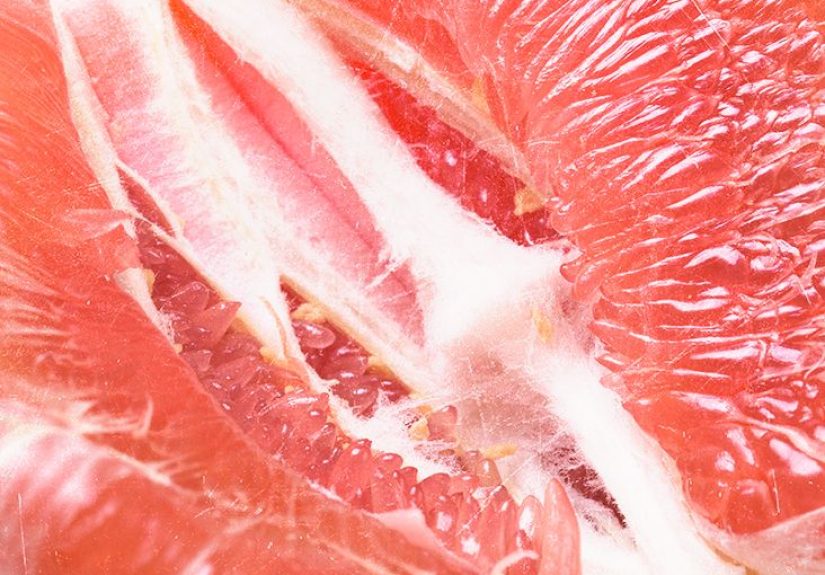
Pomelo, sometimes spelled pummelo, is the largest citrus fruit. It is considered an ancestor of the modern grapefruit, which explains the family resemblance. The fruit is usually round to pear-shaped, with a thick rind and large segments inside. Depending on the variety, the flesh can be pale yellow, pink, or red.
Flavor-wise, pomelo is often gentler than grapefruit. It has citrus brightness, but usually with less bitterness and more floral sweetness. That makes it appealing for people who like citrus in theory but do not enjoy the face-scrunching drama that can come with some grapefruit.
Pomelo is especially popular in Asian cuisines, but it has become easier to find in the United States during fall and winter. If you spot one in the store and wonder whether it is worth the peeling effort, the answer is yes, though the first peel can feel like opening a fruit designed by an escape-room company.
Pomelo nutrition at a glance
Nutrition can vary by size, because pomelos range from “large fruit” to “this might qualify as sporting equipment.” A practical reference point is about 1 cup of pomelo sections, or roughly 190 grams. That serving provides about 72 calories, 18.3 grams of carbohydrate, 1.9 grams of fiber, 1.4 grams of protein, almost no fat, about 116 milligrams of vitamin C, and roughly 410 milligrams of potassium.
That is a strong nutritional profile for a sweet, juicy fruit. Pomelo is also very low in sodium and made up mostly of water, which helps explain why it feels refreshing rather than heavy. Eat a larger portion, and the nutrient totals rise quickly, especially the vitamin C.
In plain English, pomelo gives you a lot of nutritional value without a lot of calories. It is the kind of food that quietly does its job while flashier so-called “superfoods” are busy hiring a publicist.
Health benefits of pomelo fruit
1. It is packed with vitamin C
The standout nutrient in pomelo is vitamin C. A single cup can provide more than a full day’s worth for many adults. That matters because vitamin C is essential for collagen production, wound healing, immune function, and antioxidant protection.
Collagen may sound like one of those wellness buzzwords that gets sprinkled into every conversation, but in the body it has very real jobs. It helps support skin, blood vessels, cartilage, and connective tissue. Vitamin C also helps the body absorb non-heme iron, the form of iron found in plant foods.
Does that mean eating pomelo will make you invincible? Sadly, no. It is fruit, not a superhero cape. But regularly eating vitamin C-rich foods is a smart, evidence-based way to support overall health.
2. Pomelo brings antioxidant power to the party
Like other citrus fruits, pomelo contains antioxidant compounds. Antioxidants help protect cells from oxidative stress, which is the wear-and-tear process linked with aging and many chronic diseases. Vitamin C is one of the major antioxidants here, but citrus fruit also contains various plant compounds that contribute to its overall health value.
This is where it helps to stay grounded. Antioxidants are useful, but that does not mean pomelo is a magic eraser for every bad lifestyle habit. You cannot eat half a pomelo and expect it to cancel out three nights of bad sleep, a week of drive-thru dinners, and your mysterious relationship with energy drinks. What pomelo can do is contribute to a healthier overall pattern, and patterns are where long-term health really lives.
3. The fiber supports digestion and fullness
Pomelo contains dietary fiber, and fiber is one of the least glamorous nutrients with one of the best résumés. It adds bulk to the diet, supports digestion, helps prevent constipation, and can help you feel full sooner and stay full longer.
That last part matters if you are trying to build satisfying meals and snacks. A food does not need to be trendy to be useful. Fiber helps take the edge off hunger, which may make it easier to avoid the classic snack spiral where you open the pantry for “something small” and emerge 20 minutes later wondering where all the crackers went.
Whole pomelo is also a better choice than pomelo juice for this reason. Whole fruit keeps the fiber intact, while juice strips much of that away. If your goal is fullness, steadier eating, and better digestive support, the sections beat the juice almost every time.
4. It can fit into a heart-smart eating pattern
Pomelo is not a heart medication, but it has qualities that fit well into a heart-friendly diet. It is naturally low in fat, low in sodium, and provides potassium, a mineral that helps balance sodium and supports healthy blood pressure regulation.
Beyond the individual nutrients, there is the bigger picture: diets rich in fruits and vegetables are associated with lower risk of heart disease and stroke. Pomelo helps because it is one more appealing, whole-food option you can use to increase produce intake without feeling like you are eating because a chart told you to.
That is an underrated benefit. Nutrition advice often succeeds or fails based on whether a person enjoys the food enough to keep buying it. Pomelo has a real advantage there. It is sweet, juicy, visually striking, and feels a little special, which can make healthy eating feel less like punishment and more like a decent life choice.
5. It is helpful for hydration and light, satisfying eating
Because pomelo has high water content and relatively low calories, it can be a smart food for people who want meals and snacks that feel generous without being overly heavy. This does not mean pomelo “burns fat.” That claim belongs in the same dusty drawer as “one weird trick.”
What it does mean is that foods with water, fiber, and volume can help people feel satisfied. A bowl of pomelo sections with yogurt, nuts, or cottage cheese can be refreshing and filling. Add it to a salad with shrimp or chicken, and suddenly lunch tastes bright instead of boring.
Pomelo vs. grapefruit: what is the difference?
Pomelo and grapefruit are closely related, but they are not identical twins. Pomelo is usually larger, sweeter, and less bitter. Grapefruit tends to be juicier and more tart. Nutritionally, both are good citrus choices, especially for vitamin C and hydration.
If you like bold bitterness, grapefruit might be your fruit. If you want citrus that is gentler and easier to enjoy plain, pomelo may win. In many kitchens, pomelo is the more versatile choice because it can go sweet or savory without trying to dominate every other flavor in the room.
There is one very important similarity, though: medication interactions. Pomelo may affect drug metabolism in ways similar to grapefruit. That deserves its own section, because it is the one part of this article that should not be shrugged off with a casual “I’m sure it’s fine.”
Who should be careful with pomelo?
If you take prescription medications, especially certain statins, blood pressure drugs, immunosuppressants, anti-anxiety medications, or transplant-related drugs such as tacrolimus, talk to your healthcare provider or pharmacist before making pomelo a regular habit. Pomelo may act similarly to grapefruit and interfere with enzymes and transporters involved in drug metabolism.
That can mean too much medicine enters the bloodstream, increasing the risk of side effects. In some cases, fruit interactions can also reduce how well a medication works. Timing is not always a reliable fix, either, because these interactions can last longer than people expect.
Also use caution if citrus tends to aggravate acid reflux, mouth irritation, or stomach sensitivity. And if you have a citrus allergy, pomelo obviously belongs on the “no thanks” list. Healthy food only counts as healthy if your body agrees with the arrangement.
How to choose, peel, eat, and store pomelo
How to choose one
Look for a pomelo that feels heavy for its size and firm to the touch. Thin skin is generally a good sign. Avoid fruit that feels dried out, badly bruised, or suspiciously lightweight.
How to peel it
You can peel pomelo with your hands like a very determined orange, or use a small paring knife to get through the thick rind. Once you open it, remove the segments and peel away the tough membranes if you want a more tender bite. Pomelo is delicious, but it does make you work for the relationship.
Easy ways to eat pomelo
Eat the segments plain as a snack, toss them into fruit salad, pair them with avocado and mint, add them to a green salad with shrimp, or spoon them over yogurt. Pomelo also works well in salsa, grain bowls, and simple desserts with a little honey and chopped pistachio.
How to store it
Store pomelo in the refrigerator and use it within about a week after cutting. Whole fruit can last longer than cut segments, but once you peel it, cover it and chill it so it stays fresh.
What pomelo cannot do
Let us clear the air before the internet gets dramatic again. Pomelo cannot detox your liver, melt belly fat overnight, reverse chronic disease on its own, or replace a balanced diet. It is not a cleanse. It is not a biohack. It is not a fruit-shaped shortcut around basic nutrition.
What pomelo can do is much more useful: it can help you eat more whole fruit, increase your vitamin C intake, add fiber and potassium to your day, and make healthy meals taste better. Honestly, that is already a pretty good job description.
Experiences with pomelo: what it is actually like to bring this fruit into real life
Reading nutrition facts is helpful, but eating a pomelo is a completely different experience from scanning a label. The first thing most people notice is the size. A pomelo does not whisper from the fruit bowl. It announces itself. You pick it up expecting orange behavior and immediately realize this fruit has other plans.
Then comes the peeling. Pomelo has one of the thickest rinds in the citrus family, which makes the first encounter memorable. There is often a brief moment where people wonder if they bought fruit or accidentally adopted a landscaping material. But once you get through the rind, the reward is worth it. The aroma is fresh and bright, and the segments feel substantial and satisfyingly juicy.
One of the most common experiences people describe with pomelo is surprise at how mild it tastes. People who expect a bitter grapefruit punch often find something softer, sweeter, and easier to eat plain. That makes pomelo especially useful for households where one person loves citrus and another person says citrus is “too aggressive.” Pomelo tends to calm the debate.
Another real-life advantage is the pace of eating it. Because the segments are large and the membranes can be a little firm, pomelo is not usually a mindless speed snack. It slows you down. You separate, peel, and eat piece by piece, which can make the snack feel more satisfying. There is something oddly nice about a fruit that insists you pay attention for five minutes.
Pomelo also tends to work well in shared settings. Put a bowl of peeled pomelo on the table at breakfast or during a holiday meal, and people reach for it. It feels festive without being fussy. In fruit salads, it adds texture and brightness. In savory dishes, it can cut through rich flavors in a way that makes the whole plate feel lighter.
For people trying to eat more fruit, pomelo can break boredom. Apples and bananas are reliable, but reliable can eventually become wallpaper. Pomelo feels different enough to be interesting, which is sometimes exactly what a healthy routine needs. Not a complete overhaul. Just one food that makes you think, “Oh, right, this is actually enjoyable.”
There is also a practical experience many pomelo fans discover quickly: one fruit often makes more than you expect. A single pomelo can feed multiple people or provide several servings, so it can be used across the day. Some for breakfast, some in a salad at lunch, and the rest as an afternoon snack. That kind of flexibility makes healthy food easier to keep using rather than forgetting in the back of the fridge until it becomes a science project.
Of course, not every experience is glamorous. Pomelo can be messy. The rind takes effort. The membranes are not always elegant. Your cutting board may look like it hosted a citrus wrestling match. But that is part of the charm. Pomelo feels substantial, seasonal, and real. It is not pre-peeled convenience food. It is a fruit with personality.
And maybe that is why people keep coming back to it. Pomelo offers more than nutrients on paper. It creates a small food ritual: choose it, open it, separate it, share it, enjoy it. In a world full of overprocessed grab-and-go everything, that kind of experience has value too.
Final thoughts
Pomelo fruit deserves more attention than it usually gets. It is nutrient-dense, high in vitamin C, naturally hydrating, and useful for digestion, fullness, and overall fruit intake. It can fit neatly into a balanced eating pattern that supports heart health and better nutrition without requiring a dramatic lifestyle speech.
The main caution is important: pomelo may interact with certain medications much like grapefruit can, so that part is not optional reading. But for people who can enjoy it safely, pomelo is a smart, flavorful, and refreshing fruit that proves healthy eating does not have to be bland, punishing, or painfully predictable.
If your fruit routine has gotten stale, pomelo might be the easiest upgrade in the produce aisle. It is sweet, useful, and just unusual enough to make healthy eating feel interesting again. Not bad for a fruit that looks like it should come with its own zip code.