Table of Contents >> Show >> Hide
- Before You Start: Understand What Makes Parquet Different
- Way 1: Dry Clean Frequently to Remove Dust, Dirt, and Grit
- Way 2: Damp Mop With a Wood-Floor-Safe Cleaner
- Way 3: Spot-Clean Spills, Scuffs, and Stubborn Messes Quickly
- Common Mistakes That Can Damage Parquet Floors
- How Often Should You Clean Parquet Floors?
- Real-World Experiences: What People Learn After Living With Parquet Floors
- Final Thoughts
- SEO Tags
Parquet floors are the overachievers of the flooring world. They are elegant, geometric, and just dramatic enough to make guests say, “Wow, your floor has better styling than my entire apartment.” But while parquet looks fancy, it is still wood, which means it needs thoughtful cleaning. Too much water, the wrong cleaner, or a rough tool can turn that polished pattern into a dull, scratched, grumpy-looking surface.
The good news is that cleaning parquet floors is not complicated. You do not need a cabinet full of miracle potions or a mop that costs more than a weekend getaway. In most homes, the winning strategy comes down to three smart methods: dry-cleaning away grit, damp-mopping with the right product, and tackling spills or stains before they settle in and make themselves at home.
This guide breaks down 3 ways to clean parquet floors safely and effectively. Along the way, you will also learn what products to avoid, how often to clean, and what real homeowners tend to discover after living with parquet for a while. Spoiler alert: wood floors love consistency and hate puddles.
Before You Start: Understand What Makes Parquet Different
Parquet is a type of wood flooring made from small pieces of wood arranged in patterns such as herringbone, chevron, basket weave, or brick style layouts. That patterned design is part of the charm, but it also creates more seams and edges where dust, crumbs, and pet hair can collect. In other words, parquet is beautiful, but it can be a little high-maintenance in the same way a white sofa is beautiful.
Before cleaning, it helps to know what kind of finish your floor has:
- Sealed or surface-finished parquet: This is the most common in modern homes. It has a protective top layer and generally handles light damp cleaning well.
- Oiled parquet: The wood remains more breathable and natural-looking, but it is often more sensitive to moisture and requires specialized maintenance.
- Waxed parquet: This can look rich and warm, but it needs gentler care and usually should not be cleaned like a typical polyurethane-coated floor.
If you are not sure what finish you have, check the flooring manufacturer’s care guide or test any product in a hidden corner first. That tiny test can save you from a full-room regret.
Way 1: Dry Clean Frequently to Remove Dust, Dirt, and Grit
If you do only one thing regularly, make it this. Dry cleaning is the first and most important step in parquet floor care because gritty debris acts like sandpaper under shoes, socks, pet paws, and chair legs. Over time, even tiny particles can scratch the finish and dull the shine.
Best tools for dry cleaning parquet floors
- Microfiber dust mop
- Soft-bristle broom
- Vacuum with a bare-floor setting or soft floor attachment
- Handheld vacuum for corners and edges
How to do it right
- Start at one side of the room and work methodically toward the exit.
- Use a microfiber mop to collect dust rather than push it around.
- If vacuuming, turn off the beater bar or brush roll. That spinning brush is great for carpet and not so charming on wood.
- Pay extra attention to seams, corners, baseboards, and under dining chairs where grit tends to gather.
Why this method works
Dry cleaning removes the abrasive particles that cause the most day-to-day wear. On parquet floors, this matters even more because dirt can settle into the small pattern lines between pieces of wood. A quick pass with a microfiber mop a few times a week can do more for long-term floor beauty than an occasional dramatic deep-cleaning marathon.
Example: In a busy entryway, dry mopping every day takes less than five minutes, but it can prevent that cloudy, scuffed look that often appears around front doors. Think of it as brushing your parquet floor’s teeth. Not glamorous, very effective.
Way 2: Damp Mop With a Wood-Floor-Safe Cleaner
When dry cleaning is not enough and your parquet looks sticky, smudged, or dull, it is time for a damp mop. The key word is damp, not soaked, not dripping, and definitely not “I accidentally recreated a shallow indoor pond.” Wood and standing water are not best friends.
What you need
- A flat microfiber mop
- A pH-neutral cleaner made for hardwood or wood floors
- A spray bottle if your cleaner is concentrated or if you prefer light control
- A dry microfiber cloth for buffing if needed
Step-by-step damp mopping method
- Dry mop or vacuum first so you do not grind dirt into the floor while mopping.
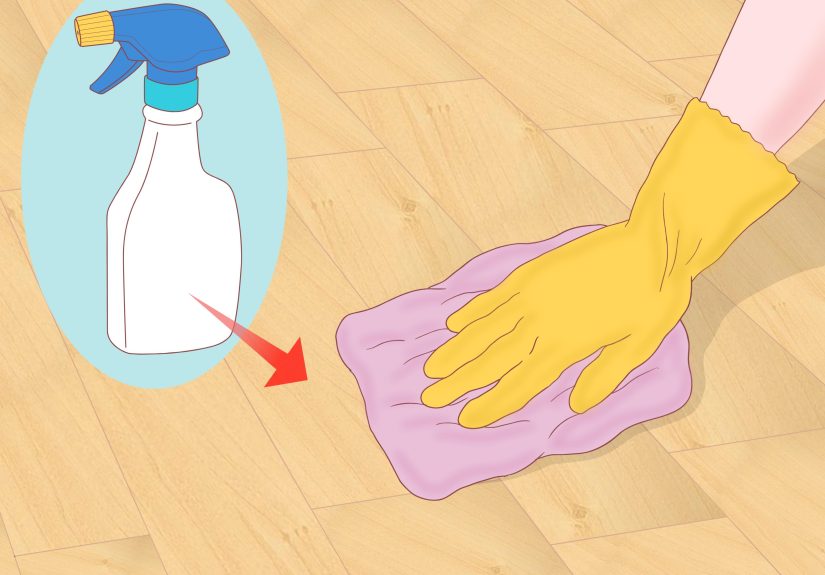
- Lightly mist the cleaner onto the mop pad or onto a small section of the floor.
- Mop in small sections, following the grain or pattern direction where possible.
- Replace or rinse dirty mop pads as needed. A filthy mop pad is basically a rumor of cleanliness, not the real thing.
- Allow the floor to air-dry quickly. If any area looks too wet, wipe it with a dry microfiber cloth immediately.
What to avoid
- Steam mops
- String mops that hold too much water
- Bleach, ammonia, and abrasive cleaners
- Routine use of acidic DIY solutions on finishes that may dull over time
- Oil soaps, waxes, or polishes unless the manufacturer specifically recommends them for your finish
For most sealed parquet floors, a ready-to-use hardwood floor cleaner is the simplest and safest choice. For oiled or waxed parquet, follow product-specific care instructions. Those finishes often need specialized maintenance products rather than generic wood-floor sprays.
Example: In a kitchen with parquet flooring, a weekly damp mop can remove light grease haze and footprints. The floor should look refreshed, not drenched. If it takes hours to dry, too much liquid was used.
Way 3: Spot-Clean Spills, Scuffs, and Stubborn Messes Quickly
Life happens. Coffee splashes. Dogs skid. Kids discover syrup. Candles drip. Someone drops pasta sauce with the accuracy of a special effects team. The faster you respond, the easier it is to protect parquet from stains and swelling.
For fresh spills
Blot immediately with a soft, absorbent cloth or paper towel. Do not rub aggressively, especially if the spill contains sugar, wine, or anything brightly colored. Once most of the liquid is gone, wipe the area with a slightly damp cloth and dry it right away.
For sticky residue
Use a wood-floor-safe cleaner on a microfiber cloth and gently wipe the spot. If necessary, let the cleaner sit briefly according to the product directions before wiping. Stubborn messes usually need patience, not elbow-powered revenge.
For scuff marks
A clean microfiber cloth, a dry tennis ball, or a wood-floor-safe eraser-style sponge can often lift surface scuffs. Rub gently. If the finish starts looking dull, stop and switch to a gentler method.
For wax, gum, or crayon
Place ice in a sealed plastic bag and hold it over the mess until it hardens. Then lift it carefully with a plastic scraper or the edge of a credit card. Avoid metal tools, which can scratch the finish faster than you can say, “That seemed like a good idea at the time.”
For darker stains
If the stain has penetrated the wood or finish, routine cleaning may not solve it. Water marks, pet stains, or deep discoloration sometimes require refinishing, board replacement, or professional treatment. This is especially true with older parquet that has thin wear layers or delicate finish conditions.
Common Mistakes That Can Damage Parquet Floors
- Using too much water: Excess moisture can seep into seams and cause swelling, warping, or finish damage.
- Skipping dry debris removal: Mopping over grit can create fine scratches across the surface.
- Using the wrong vacuum: A beater bar can scratch wood finishes.
- Trying every homemade cleaner on social media: Floors are not salad. They do not need random acids, oils, or mystery mixtures.
- Ignoring the finish type: Sealed, oiled, and waxed parquet should not all be treated the same.
- Letting spills sit: A quick wipe-up today can prevent a costly repair later.
How Often Should You Clean Parquet Floors?
There is no one-size-fits-all schedule, but this routine works well in many homes:
- Daily or every few days: Dry mop high-traffic areas such as entryways, kitchens, and hallways.
- Weekly: Vacuum with a hardwood-safe setting and damp mop if needed.
- As needed: Spot-clean spills, sticky patches, scuffs, and pet accidents immediately.
- Seasonally: Inspect for dullness, scratches, worn finish, or gaps that may need professional attention.
Homes with pets, kids, or lots of foot traffic may need more frequent dry cleaning. Homes where everyone politely removes shoes at the door may get away with less. That household is living on easy mode.
Real-World Experiences: What People Learn After Living With Parquet Floors
One of the most common experiences homeowners share with parquet floors is that the floors look delicate, but they are often more resilient than expected when cleaned consistently. The trouble usually starts when people ignore the small stuff. A little sand from outside, a few sticky spots in the kitchen, or a damp bath towel tossed on the floor does not seem like a big deal in the moment. But over weeks and months, those minor habits add up. The floor loses its glow gradually, not overnight, which is why regular maintenance matters so much.
Many people also discover that their old cleaning habits from tile or vinyl do not transfer well to parquet. A soaking wet mop might feel satisfying on a kitchen floor made of ceramic, but on parquet it can leave streaks, cloudy residue, or worse, moisture creeping into the joints. Homeowners who switch to a lightly damp microfiber mop often say the difference is immediate. The floor dries faster, looks cleaner, and no longer feels tacky underfoot. It is one of those small changes that sounds almost too simple until you try it and wonder why you did anything else.
Another frequent lesson involves vacuum cleaners. People love power, but parquet floors usually prefer gentleness. A strong vacuum is fine, but only when paired with the right attachment and a turned-off brush roll. Once people make that adjustment, they often notice fewer fine scratches and less overall wear, especially in hallways and dining areas. Chair legs, pet claws, and dirt already do enough mischief. The vacuum does not need to join the rebellion.
There is also the emotional side of owning parquet, and yes, floors can absolutely create emotions. Homeowners often become more aware of seasonal changes. In drier months, parquet may show slight gaps or feel a bit louder underfoot. In humid months, it may feel fuller or softer in appearance. That does not necessarily mean something is wrong. It often means the wood is doing what natural wood does: responding to its environment. People who understand that tend to care for their floors more calmly and make better maintenance decisions.
Families with children usually report that the biggest challenge is not deep cleaning but constant spot-cleaning. Juice drips, snack crumbs, muddy shoes, and art-supply disasters can appear at record speed. What helps most is keeping a microfiber cloth and a floor-safe spray nearby so spills get handled before they become stains. Pet owners say something similar. Quick cleanups after wet paws or accidents matter far more than occasional heroic scrubbing sessions.
Finally, long-term parquet owners often learn that the floor does not need to look brand new every second to look beautiful. A well-kept parquet floor develops character. The goal is not perfection worthy of a museum rope barrier. The goal is a clean, healthy, attractive surface that still shows off the pattern and warmth that made you choose parquet in the first place. Once people let go of the fantasy of zero marks forever and focus on good cleaning habits, parquet becomes much easier to live with and enjoy.
Final Thoughts
If you want to know the smartest way to clean parquet floors, it really comes down to a simple trio: dry clean often, damp mop carefully, and spot-clean fast. Those three habits cover most messes without putting the wood at unnecessary risk. Add a little patience, the right cleaner, and a ban on overwatering the floor, and your parquet can stay handsome for years.
Parquet floors do not demand perfection. They just prefer common sense. Treat them less like a boat deck and more like fine furniture you happen to walk on every day. Do that, and those beautiful wood patterns will keep earning compliments long after the mop is back in the closet.