Table of Contents >> Show >> Hide
- Why This Mustard Rub Pork Roast Works
- Best Cut for a Pork Roast With Mustard Rub
- Ingredients for Pork Roast With Mustard Rub
- How to Make Pork Roast With Mustard Rub
- Full Pork Roast With Mustard Rub Recipe
- How to Keep Pork Roast Juicy
- Flavor Variations for Mustard Pork Roast
- What to Serve With Pork Roast With Mustard Rub
- Storage and Leftover Ideas
- Common Mistakes to Avoid
- Experience Notes: What This Roast Feels Like in a Real Kitchen
- Final Thoughts
If pork roast has ever let you down, I understand. Somewhere along the line, a lot of us were served a slice so dry it could have been used as an envelope. But a good pork roast with mustard rub recipe changes the story completely. The mustard adds tang, the herbs bring fragrance, the garlic does its delicious little garlic thing, and the roast comes out juicy enough to make everyone suddenly act like they are food critics on television.
This version is built for real home kitchens, not fantasy kitchens with three ovens, two assistants, and a copper pan collection worth more than a used car. It uses a boneless pork loin roast, a bold but balanced mustard rub, and a roasting method that gives you a flavorful crust without turning dinner into an all-day project. You get the savory depth people want from a roast, plus enough brightness from the mustard to keep every bite from feeling heavy.
If you are looking for a recipe that feels a little special but is still easy enough for Sunday dinner, holiday lunch, or a random Wednesday when you want to feel like you have your life together, this is it.
Why This Mustard Rub Pork Roast Works
A great pork roast is all about balance. Pork loin is lean, which means it can taste elegant and slice beautifully, but it also means you need a smart strategy to keep it tender. That is where the mustard rub earns its paycheck.
Mustard does three useful jobs here. First, it adds sharp, savory flavor without overwhelming the meat. Second, it acts like culinary glue, helping the garlic, herbs, pepper, and spices stick to the roast. Third, it encourages a beautifully browned exterior. In other words, mustard is not just invited to the party. Mustard is hosting.
This recipe also keeps the seasoning profile classic and flexible. Dijon mustard gives a smooth, punchy base. Whole-grain mustard adds texture and tiny pops of flavor. Garlic, rosemary, thyme, black pepper, and smoked paprika round everything out. A small amount of brown sugar is optional, but it can help the crust caramelize and soften the edge of the mustard if you prefer a slightly warmer flavor.
Best Cut for a Pork Roast With Mustard Rub
For this recipe, use a boneless pork loin roast, ideally in the 3- to 4-pound range. Pork loin is the best choice when you want neat slices, quicker cooking, and a roast that feels classic and polished. It is not the same as pork tenderloin, which is smaller, thinner, and cooks much faster. It is also not the same as pork shoulder, which is richer and better suited to low-and-slow cooking until it falls apart.
If your goal is a sliceable roast with a beautiful mustard-herb crust, pork loin is your friend. Look for a roast with a thin fat cap if possible. That little bit of fat helps protect the meat in the oven and adds flavor as it roasts.
Ingredients for Pork Roast With Mustard Rub
For the Roast
- 1 boneless pork loin roast, 3 to 4 pounds
- 2 tablespoons Dijon mustard
- 1 tablespoon whole-grain mustard
- 1 tablespoon olive oil
- 4 garlic cloves, finely minced
- 1 tablespoon chopped fresh rosemary
- 2 teaspoons chopped fresh thyme
- 2 teaspoons kosher salt
- 1 teaspoon freshly ground black pepper
- 1 teaspoon smoked paprika
- 1 teaspoon brown sugar, optional
Optional Pan Add-Ins
- 1 onion, thickly sliced
- 3 to 4 carrots, cut into large pieces
- 1/2 cup chicken broth or dry white wine
The optional vegetables are not just decorative. They soak up drippings, add flavor to the pan, and make the kitchen smell like someone in the house really knows what they are doing.
How to Make Pork Roast With Mustard Rub
1. Prep the Roast
Remove the pork roast from the refrigerator about 30 minutes before cooking. Pat it dry with paper towels. If the roast has a fat cap, lightly score it with shallow cuts. Do not carve deep trenches into it like you are mapping a hiking trail. Just a few shallow scores will help the rub cling to the surface.
2. Make the Mustard Rub
In a small bowl, stir together the Dijon mustard, whole-grain mustard, olive oil, garlic, rosemary, thyme, kosher salt, black pepper, smoked paprika, and brown sugar if using. You should end up with a thick, fragrant paste that smells like the opening scene of a very promising dinner.
3. Coat the Pork
Rub the mustard mixture all over the pork loin, covering every side. If you have time, let it sit for 15 to 30 minutes at room temperature while the oven heats. This short rest helps the seasoning settle in and takes the chill off the meat.
4. Roast
Preheat the oven to 375°F. Arrange the onion and carrots in a roasting pan or oven-safe skillet if using. Set the pork on top, fat side up. Pour the broth or wine into the bottom of the pan if you want a little moisture and future pan juices.
Roast for about 50 to 70 minutes, depending on the size and shape of the roast, until the thickest part reaches 145°F on an instant-read thermometer. Temperature matters more than time here. Ovens vary. Roasts vary. Thermometers do not get offended when you check twice.
5. Rest Before Slicing
Transfer the roast to a cutting board and let it rest for 10 to 15 minutes before slicing. This step is not optional unless your dream dinner involves losing all the juices onto the board. Resting helps the meat stay moist and slice cleanly.
6. Slice and Serve
Slice the pork against the grain into thick or thin pieces, depending on your mood and your confidence level. Spoon some pan juices over the top and serve with the roasted vegetables, mashed potatoes, green beans, or a bright salad.
Full Pork Roast With Mustard Rub Recipe
Ingredients
- 1 boneless pork loin roast, 3 to 4 pounds
- 2 tablespoons Dijon mustard
- 1 tablespoon whole-grain mustard
- 1 tablespoon olive oil
- 4 garlic cloves, finely minced
- 1 tablespoon chopped fresh rosemary
- 2 teaspoons chopped fresh thyme
- 2 teaspoons kosher salt
- 1 teaspoon black pepper
- 1 teaspoon smoked paprika
- 1 teaspoon brown sugar, optional
- 1 onion, sliced, optional
- 3 to 4 carrots, cut into large pieces, optional
- 1/2 cup chicken broth or dry white wine, optional
Instructions
- Take the pork out of the refrigerator 30 minutes before roasting.
- Preheat the oven to 375°F.
- Pat the pork dry and lightly score the fat cap if present.
- Mix the mustards, olive oil, garlic, rosemary, thyme, salt, pepper, smoked paprika, and brown sugar into a paste.
- Rub the mixture all over the roast.
- Place onions and carrots in a roasting pan if using, then set the pork on top.
- Add broth or wine to the pan if using.
- Roast for 50 to 70 minutes, until the center reaches 145°F.
- Rest the roast for 10 to 15 minutes.
- Slice and serve with pan juices.
How to Keep Pork Roast Juicy
The biggest secret to juicy pork roast is not a secret at all. It is simply not overcooking it. Old-school pork trauma taught many home cooks to roast pork until it surrendered every drop of moisture. Modern cooking guidance is much kinder. Use a thermometer, pull the roast at 145°F, and let it rest.
Here are a few more tips that help:
- Pat the meat dry before seasoning: this helps the rub stick and improves browning.
- Do not skip the rest: resting makes a dramatic difference.
- Use the right cut: pork loin is ideal for this style of roast.
- Add a little fat: olive oil in the rub helps the crust form evenly.
- Roast fat side up: if your roast has a fat cap, let it protect the meat as it cooks.
Flavor Variations for Mustard Pork Roast
Once you make this once, it becomes dangerously easy to improvise. That is how favorite family recipes happen. One day you add honey. The next day you toss in fennel seed. Three months later you are explaining your “signature pork roast” to guests with the confidence of a person who owns three aprons.
Honey Mustard Pork Roast
Add 1 tablespoon of honey instead of brown sugar for a slightly sweeter glaze and a shinier finish.
Maple Mustard Pork Roast
Swap in 1 tablespoon pure maple syrup and add a pinch of crushed red pepper for a sweet-hot balance.
Herb-Heavy Roast
Increase the rosemary and thyme, and add chopped sage or parsley if you want the roast to lean more holiday-table and less weeknight dinner.
Spicy Mustard Rub
Stir in cayenne or red pepper flakes for a little heat. Pork handles spice surprisingly well when there is mustard and garlic involved.
What to Serve With Pork Roast With Mustard Rub
This roast has enough flavor to be the star, but it plays very nicely with side dishes. Since the mustard brings sharpness, rich and mellow sides work beautifully.
- Mashed potatoes
- Roasted sweet potatoes
- Green beans with garlic
- Buttered carrots
- Apple slaw
- Simple arugula salad
- Roasted Brussels sprouts
- Warm dinner rolls
If you want a cozy seasonal meal, serve the roast with apples, shallots, and roasted root vegetables. If you want a lighter plate, go with salad greens and a lemony vegetable side. Mustard is surprisingly social. It gets along with almost everyone.
Storage and Leftover Ideas
Leftover pork roast is one of the best arguments for cooking a slightly larger roast than you think you need. Store cooled leftovers in an airtight container in the refrigerator for up to 4 days.
To reheat, add a splash of broth and warm slices gently in a covered skillet or low oven. Microwaving works, but it can turn your beautifully roasted pork into something that seems mildly disappointed in life.
Great leftover ideas include:
- Pork sandwiches with extra mustard and pickles
- Sliced pork over grain bowls
- Pork and roasted vegetable wraps
- Breakfast hash with potatoes and eggs
- Quick pork salad with apples and walnuts
Common Mistakes to Avoid
Confusing Pork Loin and Pork Tenderloin
They are not interchangeable. Tenderloin is much smaller and cooks much faster.
Skipping the Thermometer
Guesswork is charming in road trips and terrible in roasting.
Slicing Too Soon
Resting the roast keeps it juicy and gives the texture time to settle.
Using Too Little Salt
Pork loin is mild, so proper seasoning is essential. The mustard helps, but salt is still doing important work.
Experience Notes: What This Roast Feels Like in a Real Kitchen
One of the best things about making a pork roast with mustard rub is that it feels more impressive than it is difficult. There is a specific moment, right after you smear the roast with that thick mustard-and-herb paste, when dinner suddenly stops feeling ordinary. It looks rustic, smells amazing, and gives the cook a very satisfying sense of competence. Even before it goes into the oven, it already has that “this is going to be good” energy.
As it roasts, the kitchen fills with the scent of garlic, rosemary, thyme, and warming mustard. It is not a loud smell like barbecue sauce or a sweet glaze that announces itself from three rooms away. It is a steadier, deeper aroma. It smells savory, a little woodsy, and just sharp enough to make people wander into the kitchen asking when dinner will be ready. That is always a good sign.
The first time many people make pork loin, they are worried about dryness. Honestly, that fear is earned. Pork has a long history of being overcooked by well-meaning cooks who were simply trying not to poison anyone. But once you use a thermometer and pull the roast at the right temperature, the whole experience changes. You stop treating pork like a culinary land mine and start treating it like what it really is: a versatile, affordable, crowd-pleasing main dish.
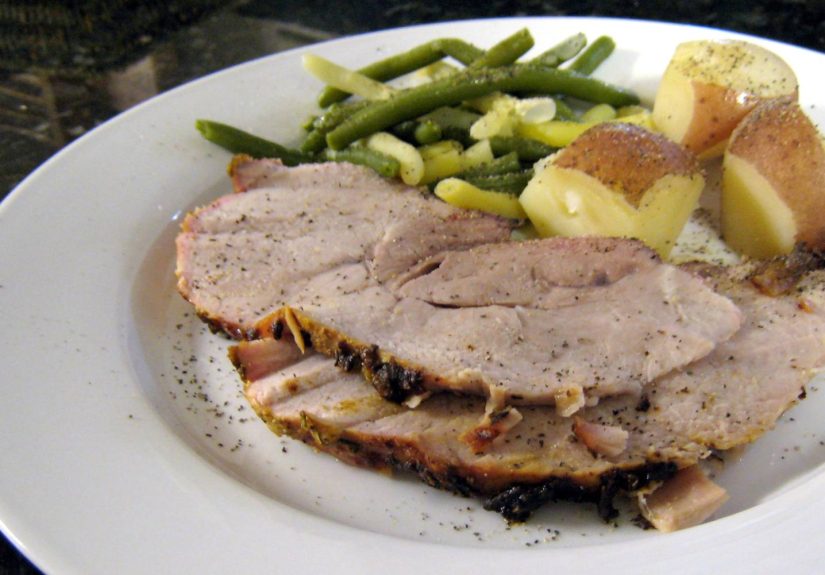
There is also something especially satisfying about slicing into the roast after it rests. The crust looks dark and flavorful, the inside is juicy and pale blush-white, and the slices hold together beautifully. The mustard does not shout. It does not taste like you bit into a spoonful straight from the jar. Instead, it melts into the roast and gives it brightness, depth, and that savory edge that makes pork taste much richer than it actually is.
Another experience people tend to love is how flexible the meal feels. You can serve this roast at a casual family dinner with mashed potatoes and green beans, and it feels comforting. You can also plate it with roasted carrots, shallots, and a crisp salad, and suddenly it feels dinner-party ready. It can wear sweatpants or a blazer. Very few recipes manage that.
And then there are the leftovers, which might be the true reward for your effort. Cold slices on a sandwich with extra Dijon and crunchy pickles are excellent. Reheated slices with pan juices are even better than expected. Some people may start making the roast partly for dinner and partly because they know tomorrow’s lunch is going to be unfairly good.
Most of all, this recipe tends to become the kind of meal that earns repeat requests. Not because it is trendy or flashy, but because it is reliable. It tastes like a recipe you know you can trust. It is the sort of dish that makes a regular evening feel warmer, calmer, and more put together. And in a world where many dinners are eaten while answering messages and looking for missing charger cables, that is no small victory.
Final Thoughts
A well-made pork roast with mustard rub recipe delivers exactly what a great roast should: juicy meat, a flavorful crust, easy preparation, and enough flexibility to fit both everyday dinners and more special occasions. The mustard adds tang without overpowering the pork, the herbs keep it fragrant, and the simple roasting method makes it approachable for home cooks of any skill level.
If you want a dinner that is reliable, elegant, and just interesting enough to keep people coming back for seconds, this is a recipe worth saving. It is proof that pork roast does not have to be boring, dry, or stuck in the past. With the right rub and the right temperature, it can be one of the most satisfying meals in your rotation.