Table of Contents >> Show >> Hide
- Why a Late Arrival Can Feel Bigger Than It Is in the Postpartum Period
- What Postpartum Mental Health Can Actually Look Like
- Why the Slap Changes the Entire Conversation
- Is Divorce an Overreaction?
- What Should Happen Next in a Situation Like This
- How Couples End Up Here Without Seeing It Coming
- Can This Marriage Be Saved?
- Additional Experiences Related to This Topic
- Conclusion
One late night. One exhausted couple. One accusation that lands like a grenade in the kitchen. It sounds like internet-drama bait, sure, but underneath the clicky headline is a very real question: what happens when postpartum mental health, sleep deprivation, trust issues, and physical aggression collide inside a marriage that already feels stretched thinner than a hospital swaddle blanket?
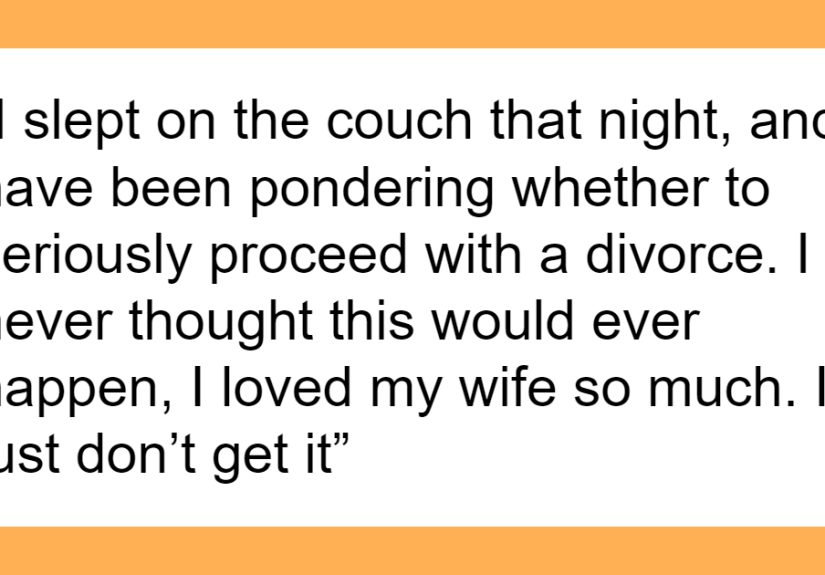
In stories like this, the obvious temptation is to pick a hero and a villain. The husband came home late. The wife thought he was cheating. She slapped him. He started thinking about divorce. Case closed, right? Not quite. Real life is messier, more tired, and usually covered in spit-up. A postpartum relationship crisis is rarely caused by one moment alone. It is more often built out of tiny bricks: interrupted sleep, hormonal shifts, fear, loneliness, resentment, poor communication, and the unsettling feeling that the old version of your marriage quietly moved out without leaving a forwarding address.
That still does not make a slap acceptable. Physical aggression is a line-crossing event, whether the person who crossed it is male, female, postpartum, overwhelmed, or all of the above. But if a couple wants to understand whether the marriage can be saved, they need more than outrage. They need context, accountability, medical awareness, and a plan.
Why a Late Arrival Can Feel Bigger Than It Is in the Postpartum Period
A partner coming home late is not automatically suspicious. In a healthy season of life, it may be annoying, inconvenient, or worth a blunt “next time text me.” In the postpartum period, however, ordinary stressors can feel emotionally turbocharged. The parent at home may already be running on broken sleep, physical recovery, constant vigilance, and the disorienting reality that a tiny person now depends on them for everything from food to comfort to midnight existential screaming.
That kind of exhaustion changes how people interpret events. A delayed commute can start to feel like abandonment. A missed text can feel like secrecy. A vague explanation can feel like a cover story. This is especially true when someone is already anxious, depressed, irritable, or overwhelmed. In other words, the cheating accusation may not have begun with evidence. It may have begun with fear wearing detective clothes.
New parents also tend to keep score in ugly little ways. One person feels trapped at home. The other feels pressure to perform at work. One thinks, “You get to leave the house.” The other thinks, “You have no idea what I’m carrying.” Nobody feels seen. Everybody feels accused. Add poor sleep to that emotional stew and suddenly a late arrival is not just a late arrival. It becomes Exhibit A in a trial nobody agreed to attend.
What Postpartum Mental Health Can Actually Look Like
Many people still imagine postpartum struggles as nonstop crying in a rocking chair while sad piano music plays in the background. In reality, postpartum depression and postpartum anxiety can show up in much messier ways: anger, irritability, racing thoughts, panic, withdrawal, obsessive worry, guilt, or a constant feeling that something terrible is about to happen. Sometimes the loudest symptom is not sadness. It is suspicion. Sometimes it is rage.
Baby blues are common. A deeper condition is different.
The “baby blues” are common in the first days after birth and usually fade within about two weeks. Postpartum depression is more intense, lasts longer, and can interfere with daily functioning, bonding, self-care, and decision-making. Postpartum anxiety can bring relentless worry, tension, intrusive thoughts, and a sense that danger is hiding behind every ordinary moment. Some parents describe feeling like their brain became a smoke alarm that never stops shrieking, even when nothing is actually on fire.
Anger is part of the picture more often than people realize.
This point matters for stories like the one in the headline. Postpartum distress is not always soft and tearful. Research on postnatal anger suggests that some mothers experience intense anger when expectations are violated, needs are compromised, and they feel perpetually on edge, especially around sleep deprivation and lack of support. That does not excuse abusive behavior, but it does explain why a postpartum partner may react with a level of fury that seems out of proportion to the trigger.
There is also a red-alert category.
If suspicion becomes paranoid, bizarre, or detached from reality, clinicians worry about postpartum psychosis, which is rare but a medical emergency. That can include hallucinations, delusions, severe agitation, rapid mood swings, or confusion. Not every cheating accusation points to psychosis. Most do not. But if a postpartum partner seems drastically unlike themselves, cannot sleep, sounds irrational in a frightening way, or appears disconnected from reality, this is not the time for amateur detective work or macho silence. It is time for immediate medical help.
Why the Slap Changes the Entire Conversation
Let’s be plain: once the wife slaps the husband, this stops being only a story about postpartum stress and becomes a story about domestic violence in marriage. Physical aggression is not a quirky side effect of being upset. It is not “just one bad moment” if the receiving partner now feels unsafe, humiliated, or emotionally done. People sometimes minimize a slap because it is smaller than a punch and less cinematic than movie violence. But in a relationship, a slap still says something chilling: “I am willing to physically punish you when I feel overwhelmed.”
That message matters. The husband considering divorce is not being dramatic. He is responding to a breach of safety and trust. Marriage is not only about love; it is also about whether conflict can happen without fear of being physically attacked. Once that boundary breaks, the question is no longer “Was she overreacting?” The better questions are: Is everyone safe? Is this part of a pattern? Is she taking responsibility? Is there an untreated mental health issue? Can repair happen without minimizing the harm?
Postpartum struggles can help explain why someone became volatile. They do not give a relationship immunity from consequences. Explanation is not absolution. Context is not a hall pass.
Is Divorce an Overreaction?
Not necessarily. But it is also not the only possible outcome.
When a spouse thinks about divorce after being hit, that reaction makes sense. Trust can collapse fast after physical aggression, especially if it comes packaged with repeated accusations, controlling behavior, emotional abuse, or public humiliation. If the slap was part of a bigger pattern of insults, surveillance, blame, or intimidation, the case for separation becomes stronger. A marriage cannot heal while one partner is expected to absorb abuse and call it compassion.
At the same time, some couples do recover from a postpartum crisis when several things happen quickly: the aggressor takes full accountability, medical screening happens right away, treatment begins, outside support is activated, and both partners agree that safety comes first. Recovery does not begin with “you made me do it.” It begins with “what I did was wrong, and I am getting help now.”
So is divorce justified? Yes, it can be. Is reconciliation possible? Also yes, in some cases. The deciding factors are not guilt, appearances, or what the comment section thinks. They are safety, pattern, insight, treatment, and whether trust can be rebuilt in a real way rather than patched together with apologies and takeout.
What Should Happen Next in a Situation Like This
1. Safety comes before sentiment.
If there is any chance of repeated violence, escalating threats, or severe mental health symptoms, the couple needs immediate separation of conflict, not another midnight argument in the kitchen. Love is lovely, but safety is first.
2. The postpartum partner needs a medical and mental health evaluation.
This is not about labeling her “crazy.” It is about recognizing that postpartum mood and anxiety disorders are real, common, and treatable. Screening matters, and it should not be limited to the six-week checkup like some sort of emotional season finale. Symptoms can emerge later in the first postpartum year too.
3. The harmed partner also needs support.
The husband in this scenario may be angry, ashamed, confused, or reluctant to talk because people are often weirdly bad at taking male victims seriously. That needs to stop. Getting slapped by your spouse is not a joke, not “basically nothing,” and not erased by the fact that she just had a baby. He may need his own therapist, trusted family support, or legal advice, especially if the aggression is ongoing.
4. The couple should not rush into “normal.”
After a big rupture, many couples try to restore the old vibe as fast as possible. Big mistake. If there has been physical aggression, repair requires structure: accountability, calm conversations, clear boundaries, treatment follow-through, and sometimes temporary distance. Sweeping it under the rug does not make the rug bigger. It just makes the lump easier to trip over later.
5. Any couple work has to be safe and appropriate.
Marriage counseling can help with communication, resentment, and rebuilding trust, but it is not a magic mop for active abuse. If violence is ongoing or one partner feels intimidated, individual support and safety planning may need to come first.
How Couples End Up Here Without Seeing It Coming
Most marriages do not implode because one spouse came home late exactly once. They weaken because the couple has quietly lost their shared language. They stop narrating their lives to each other. They stop checking in. They stop assuming good intent. The postpartum stage magnifies every crack. Suddenly each partner feels like the other one has become selfish, careless, or impossible.
The truly frustrating part is that many of these couples still love each other. They are just exhausted, scared, and chronically misunderstood. One partner may be grieving their old independence. The other may be grieving the old warmth of the relationship. Both are often too tired to say that sentence out loud. So instead of saying, “I miss us,” they say, “Where were you?” And instead of saying, “I’m drowning,” they say, “You probably don’t even want to be here.”
That is how a marriage gets hijacked by suspicion. Not because every accusation is true, but because pain often speaks in the language of blame before it learns the language of need.
Can This Marriage Be Saved?
Possibly, but only if both partners are honest about what happened. The wife cannot hide behind postpartum distress as if it wipes the slate clean. The husband cannot be expected to swallow fear and pretend nothing changed. And neither person benefits from pretending that a slap was the only problem if the relationship had already been drowning in mistrust, resentment, isolation, or untreated mental health symptoms.
The most hopeful version of this story is not “he stayed because she had a rough time.” It is “they treated the situation with the seriousness it deserved.” That might mean medical care, therapy, better sleep support, help from family, changed work expectations, and firm boundaries around future conflict. It might also mean a trial separation. Sometimes saving the people involved matters more than saving the marriage at any cost.
And that, frankly, is the grown-up version of love. Not the dramatic version. Not the internet version. The real version.
Additional Experiences Related to This Topic
Couples who go through postpartum marriage conflict often describe eerily similar experiences, even when their details differ. One mother says she became convinced every change in routine meant betrayal. If her husband showered right after work, she wondered who he had been trying to wash off. If he smiled at his phone, she assumed it was another woman. Later, after evaluation and treatment, she recognized that the suspicion had grown inside a mind already overloaded by anxiety, insomnia, physical recovery, and a terrifying sense that she was losing control of everything.
Another father describes the opposite side of the same storm. He started staying later at work, not because he was cheating, but because work felt easier than home. At work he could finish a task, drink coffee while it was still hot, and talk to adults who did not scream because their sock felt philosophically wrong. At home he walked into tension the second he opened the door. His partner saw the delay as evidence he did not care. He saw her anger as proof that nothing he did would be enough. The gap widened until every conversation felt like an ambush.
Some couples report that the real fight was never about infidelity at all. It was about invisible labor. The postpartum partner felt abandoned in a thousand unglamorous ways: the dishes, the laundry, the mental load, the feeding schedule, the doctor visits, the relentless planning, the fact that someone always knew when the diaper cream was running low and that someone was not the person sleeping through the 2 a.m. meltdown. In that kind of environment, a late arrival does not feel neutral. It feels symbolic. It says, “I am carrying the whole circus, and you missed the show.”
There are also stories where the blowup became the wake-up call. A couple hits rock bottom after accusations, screaming matches, or one physical outburst. Then the medical pieces are finally named: postpartum depression, postpartum anxiety, obsessive thoughts, unresolved trauma, or sheer catastrophic sleep deprivation. They bring in grandparents for childcare relief, schedule therapy, divide night duties more realistically, and create rules for conflict like no arguments after midnight, no accusations without evidence, and no discussing emotionally loaded topics by text while someone is at work. Not glamorous, but effective.
And yes, there are painful stories where divorce becomes the healthiest answer. Sometimes the postpartum period does not create abuse; it reveals it. A partner who was already controlling becomes more controlling. A spouse who already used blame starts using fear. The aggression is not a one-time collapse. It is part of a pattern. In those situations, people often say they spent too long trying to separate compassion from common sense. They felt guilty leaving because a baby had just arrived. But eventually they realized that staying in a violent, hostile environment was not noble. It was corrosive.
There are also quieter experiences that never become dramatic enough for internet headlines but matter just as much. The mother who feels numb and hates herself for not feeling instantly joyful. The father who loves his baby but misses his wife and does not know how to say that without sounding selfish. The couple who used to laugh constantly and now communicate mostly in logistics: bottles, bills, burp cloths, and whose turn it is to function like a human at 6 a.m. These couples are not failing because they are imperfect. They are struggling because postpartum life is a pressure cooker, and pressure reveals every weakness in the lid.
What ties these experiences together is not that every postpartum conflict leads to cheating accusations or divorce. It is that the season after birth can distort perception, magnify resentment, and expose whether a relationship has enough support, communication, and emotional safety to withstand the strain. When those things are missing, even a small incident can explode. When they are rebuilt, some couples find their footing again. When they cannot be rebuilt, separation may be the clearest form of protection available.
Conclusion
The story of a postpartum wife accusing her husband of cheating, slapping him, and pushing him to consider divorce is not really about one late night. It is about what happens when a fragile season meets untreated distress and broken boundaries. Postpartum depression, anxiety, anger, and exhaustion are real. They deserve compassion, screening, and treatment. Physical aggression is also real. It deserves accountability, safety, and consequences.
If there is one takeaway here, it is this: couples should take postpartum mental health seriously before a crisis turns into a relationship earthquake. And if a crisis has already happened, nobody should minimize it just because a baby is involved. Care for the struggling partner. Protect the harmed partner. Tell the truth about what happened. Then decide, with clear eyes, whether the marriage can be repaired or whether ending it is the healthiest path forward.