Table of Contents >> Show >> Hide
- What Is a Pull-Down Botanical Chart?
- A Short History of Botanical Wall Charts
- Why Pull-Down Botanical Charts Are Popular Again
- Design Features That Make These Charts Special
- How to Decorate With a Pull-Down Botanical Chart
- Original Vintage vs. Reproduction Charts
- How to Choose the Right Botanical Chart
- Care and Preservation Tips
- Where Pull-Down Botanical Charts Work Best
- Common Types of Pull-Down Botanical Charts
- Why This Wall Art Feels Timeless
- Practical Experiences With Pull-Down Botanical Charts
- Conclusion
A pull-down botanical chart is one of those rare home pieces that can make a wall look smarter without forcing everyone in the room to pretend they recently reread Darwin. Part scientific illustration, part vintage classroom tool, and part decorative statement, this roll-down wall chart brings the charm of an old biology lab into modern homes, studios, shops, and creative workspaces.
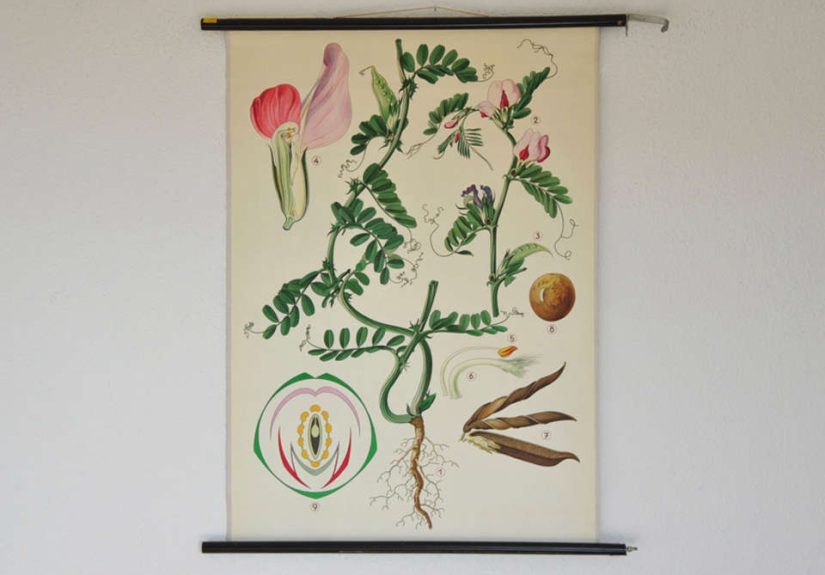
At first glance, it may look like a large plant poster. Look closer, and you notice the real magic: labeled parts of flowers, roots, leaves, seeds, stems, fruit, plant diseases, or tree structures, usually printed on paper or cloth and mounted between rods so it can hang like a map. Many vintage examples were made for schools, where teachers used them to explain plant anatomy before slideshows, tablets, and “please unmute yourself” became part of education.
Today, the pull-down botanical chart has earned a second life as botanical wall art. It appeals to collectors, gardeners, teachers, designers, and anyone who likes décor with a little dirt under its fingernails. It is educational, beautiful, nostalgic, and just dramatic enough to say, “Yes, I know what a stamen is, and no, I will not be tested on it today.”
What Is a Pull-Down Botanical Chart?
A pull-down botanical chart is a large illustrated chart showing plants or plant-related subjects in a detailed, educational format. Traditional versions were built for classroom use, often with a top rod and bottom rod, a hanging cord, and sometimes a roller mechanism. Some were printed on paper backed with linen or canvas, while others used heavier cloth-like materials for durability.
Common subjects include flowering plants, trees, fruit cycles, vegetables, roots, mushrooms, crop pests, seed germination, plant cells, and diagrams of plant reproduction. Unlike ordinary floral prints, these charts were designed to teach. The illustration is usually bold enough to be seen from the back of a classroom, but detailed enough to show the parts of a flower, the veins of a leaf, or the life cycle of a pea plant.
Why “Pull-Down” Matters
The pull-down format is part of the charm. Instead of being framed behind glass, the chart hangs freely from rods, like a school map or a vintage projection screen. This gives it movement, texture, and a slightly academic personality. It looks less like mass-produced wall décor and more like something rescued from a quiet storeroom where chalk dust still has opinions.
A Short History of Botanical Wall Charts
Botanical illustration has deep roots in science. Long before photography became common, artists helped botanists document plant species with accuracy. Illustrations appeared in herbals, field guides, scientific books, seed catalogs, and museum collections. These images were not just pretty; they helped people identify plants, understand medicinal uses, compare species, and study anatomy.
By the late nineteenth and early twentieth centuries, educational wall charts became popular teaching tools. Schools needed large, clear visuals for subjects like botany, zoology, anatomy, geography, and chemistry. A botanical wall chart allowed a teacher to point to a giant flower diagram and explain pollen, petals, pistils, or roots without passing one tiny specimen around the room and hoping nobody sneezed on science.
European publishers became especially known for producing detailed classroom charts. Many vintage botanical pull-down charts found today come from Germany, Austria, France, Czechoslovakia, and the Netherlands. Names associated with collectible school charts include Jung-Koch-Quentell and Dr. Auzoux/Sougy. These charts often combine painterly accuracy with strong graphic composition, which is why they still look stylish decades later.
Why Pull-Down Botanical Charts Are Popular Again
Modern interiors are hungry for objects with story. A pull-down botanical chart offers exactly that. It is not just a rectangle of color; it has a past. It suggests classrooms, laboratories, greenhouses, old libraries, and patient observation. In a world full of flat digital images, the physicality of a chart on rods feels refreshingly real.
Another reason for its popularity is the rise of biophilic design, a decorating approach that brings nature-inspired elements indoors. Botanical charts fit this trend beautifully because they show plants in a way that feels organized, artistic, and intellectual. A houseplant brings the actual leaf. A botanical chart brings the lecture notes, but in a much better outfit.
Vintage and secondhand décor also continues to attract people who want their spaces to feel personal. A pull-down botanical chart can soften an industrial loft, add depth to a farmhouse kitchen, brighten a studio, or give a reading nook the atmosphere of a tiny natural history museum.
Design Features That Make These Charts Special
Large Scale
Many pull-down botanical charts are oversized. That scale makes them excellent statement pieces. A single chart above a sofa, console table, bed, or desk can anchor an entire room. Unlike small framed prints, it does not need a full gallery wall to make an impact.
Scientific Detail
The educational labels, cross-sections, numbered diagrams, and enlarged plant parts give the chart its distinctive character. These details reward close looking. Guests may first notice the flower, then discover the root system, seed pod, or tiny diagram tucked into the corner. It is wall art with bonus homework, but the fun kind.
Texture and Patina
Vintage charts often show age: softened colors, worn edges, minor creases, small marks, or faded backing. For collectors, these imperfections are not always flaws. They are evidence of use. A chart that survived decades of classrooms has more personality than something printed yesterday and delivered in a suspiciously cheerful cardboard tube.
Natural Color Palettes
Botanical charts often feature greens, creams, browns, soft yellows, reds, and muted blues. These colors work well with wood, linen, leather, stone, ceramic, and metal. The palette can feel calm and organic, even when the chart itself is large and dramatic.
How to Decorate With a Pull-Down Botanical Chart
The easiest way to use a pull-down botanical chart is to let it breathe. Because these charts are usually detailed, they look best when surrounded by some negative space. Hang one above a simple cabinet, a wooden bench, a writing desk, or a clean-lined sofa. The contrast between the old educational artwork and modern furniture creates instant character.
In a living room, a botanical chart can replace a large painting. Choose a subject that fits the mood of the room. A flower chart feels romantic and classic. A tree or conifer chart feels calmer and more rustic. A vegetable or fruit chart can add humor and warmth to a kitchen or dining space. A crop-disease chart is a bolder choice, but in the right room it says, “I am cultured, but I also respect fungus.”
In a home office, botanical wall art can add visual interest without feeling distracting. It gives the space a scholarly tone, especially when paired with books, a task lamp, and natural materials. In a bathroom, be careful. Humidity is not friendly to vintage paper or fabric, so original charts should be kept away from steamy rooms unless properly protected and the space is well ventilated.
Original Vintage vs. Reproduction Charts
When shopping for a pull-down botanical chart, you will usually find two categories: original vintage charts and reproduction charts.
Original Vintage Charts
Original charts are older educational pieces, often from the mid-twentieth century or earlier. They may have linen backing, wooden or metal rods, old labels, school stamps, or signs of classroom use. They can be more valuable and more characterful, but condition matters. Look for clear images, stable backing, secure rods, and damage that feels charming rather than catastrophic.
Reproduction Charts
Reproductions are newly made pieces inspired by historical botanical charts. They are often more affordable, easier to find, and less fragile. A good reproduction can still look beautiful, especially if printed on quality paper or cloth and mounted with rods. It will not have the same historical authenticity, but it also will not faint dramatically every time sunlight enters the room.
How to Choose the Right Botanical Chart
Start with subject matter. If you love gardening, choose a flower, seed, or plant anatomy chart. If your kitchen needs personality, consider fruit, herbs, peas, beans, mushrooms, or root vegetables. If your décor leans rustic, look for trees, pine cones, shrubs, or grasses. If your style is eclectic, a more unusual chart showing pests or plant diseases can become a conversation piece.
Next, consider size. Measure your wall before buying. A chart that looks modest online may arrive large enough to make your hallway feel like the entrance to an agricultural college. That can be wonderful, but only if you planned for it.
Condition is also important. Minor fading, small creases, and edge wear often add charm. However, heavy staining, active mold, brittle paper, severe tears, or broken rods can create problems. For valuable pieces, consult a paper conservator before attempting repairs. Tape, glue, and heroic DIY optimism can do more harm than good.
Care and Preservation Tips
Because many pull-down botanical charts are made from paper, linen, or canvas, they should be treated gently. Avoid direct sunlight, which can fade colors and weaken materials over time. Keep the chart away from radiators, heating vents, damp basements, humid bathrooms, and exterior doors where temperature and moisture shift often.
Dust lightly with a soft, dry brush or microfiber cloth, but do not scrub. Never use water or cleaning sprays on vintage paper. If the chart is rolled, unroll it slowly and do not force curled edges flat. For storage, use acid-free materials when possible and avoid tight rolling around a narrow tube.
If you own a rare or expensive chart, professional conservation advice is worth it. A conservator can assess paper stability, backing condition, tears, stains, and mounting options. The goal is not to make the chart look brand new. The goal is to help it survive gracefully, like a very elegant professor emeritus.
Where Pull-Down Botanical Charts Work Best
These charts are surprisingly versatile. In kitchens, they pair beautifully with open shelving, stoneware, copper pans, and fresh herbs. In dining rooms, they add warmth and a sense of seasonality. In bedrooms, a floral chart can feel softer than abstract art, especially when balanced with simple bedding and warm wood tones.
Retail shops, cafés, plant stores, florists, and studios can also use botanical charts to create atmosphere. A chart behind a checkout counter or consultation table gives the space a curated, thoughtful look. It tells customers that the room was not decorated in one frantic afternoon with a cart full of generic wall signs.
Common Types of Pull-Down Botanical Charts
Flower Anatomy Charts
These are among the most popular. They show enlarged flower parts, reproductive structures, petals, sepals, pollen, and seed development. They are perfect for anyone who wants beauty with scientific backbone.
Fruit and Vegetable Charts
Apple trees, apricot branches, peas, potatoes, carrots, and root vegetables all appear in vintage botanical school charts. These work especially well in kitchens and breakfast rooms because they connect directly to food and gardening.
Tree and Forest Charts
Charts of conifers, shrubs, leaves, bark, and tree growth suit rustic, cabin, cottage, and nature-inspired interiors. They often feel quieter and more grounded than bright floral charts.
Plant Disease and Pest Charts
These are less common but very collectible. They may show fungi, insects, crop damage, or disease cycles. They are not everyone’s cup of tea, unless your tea is served with a side of agricultural drama.
Why This Wall Art Feels Timeless
The pull-down botanical chart lasts because it balances beauty and usefulness. It is decorative, but not empty. It has visual rhythm, but also information. It connects interiors to gardens, classrooms to museums, and art to science.
Unlike trend-driven pieces, botanical charts do not rely on slogans or seasonal colors. Plants have been fascinating humans for centuries, and they are not likely to stop being interesting next Tuesday. A well-chosen chart can move between homes, styles, and rooms without losing its charm.
Practical Experiences With Pull-Down Botanical Charts
One of the best experiences with a pull-down botanical chart is the moment it changes the mood of a room. A blank wall can feel unfinished, even when the furniture is good. Hang a large botanical chart, and suddenly the room has a subject. It becomes warmer, calmer, and more layered. The chart does not shout, but it definitely clears its throat like it has something intelligent to say.
In practical decorating, these charts are forgiving. They look good with antiques, but they also make modern spaces feel less sterile. A simple white office with a metal desk can become more inviting with a vintage flower chart. A farmhouse dining room can feel more collected with a vegetable chart. A plant-filled sunroom can use a botanical diagram as a quiet bridge between living greenery and art.
Collectors often learn quickly that condition is part of the experience. The first instinct may be to search for a perfect chart, but perfection is not always the goal. Slight fading, small marks, and worn rods can make the piece feel authentic. However, there is a difference between charming wear and structural trouble. A small crease is character. Active mold is a tiny villain. A loose rod can be fixed carefully. Paper that flakes when touched needs professional attention.
Another common experience is discovering how much scale matters. A chart that seems “medium” in a product photo can dominate a wall in real life. This is usually a happy surprise if the wall is ready for it. Before hanging, it helps to mark the dimensions with painter’s tape. This simple step prevents the classic decorating mistake of buying a piece that looks majestic online and then realizing it has challenged your bookshelf to a duel.
Hanging also deserves patience. Because pull-down charts are not rigid frames, they may hang with a slight wave or curl. That softness is part of their appeal. Use a strong hook or picture rail, make sure the top rod is level, and avoid forcing the bottom edge flat. If the chart has a cord, inspect it before trusting it with the full weight of the piece. Old cord can look sturdy right up until it decides to retire.
People who live with botanical charts often notice that guests actually stop to look at them. Unlike generic art, a chart invites questions. What plant is that? Is it old? Was it used in a school? Why does that root look like it knows secrets? This makes the chart especially useful in shared spaces, where art should create atmosphere and conversation.
The most satisfying experience is that a pull-down botanical chart grows with your style. It can be academic, cozy, rustic, modern, whimsical, or museum-like depending on what surrounds it. Pair it with oak and ceramics, and it feels earthy. Hang it beside black metal shelving, and it feels industrial. Place it near plants, and it becomes part of a living indoor garden. That flexibility is why the pull-down botanical chart remains more than a passing décor crush. It is a beautiful reminder that science can be stylish, plants can be dramatic, and walls deserve better than being ignored.
Conclusion
A pull-down botanical chart is more than vintage wall art. It is a piece of educational history, a celebration of plant science, and a design element with real presence. Whether original or reproduction, floral or forest-themed, crisp or charmingly worn, it brings nature indoors with intelligence and personality.
For homeowners, it offers an easy way to create a focal point. For collectors, it provides history and craftsmanship. For gardeners and plant lovers, it turns botanical curiosity into everyday décor. And for anyone tired of ordinary wall art, it proves that a humble classroom chart can graduate with honors into the world of beautiful interiors.