Table of Contents >> Show >> Hide
- Why You’ll Love These Dilly Deviled Eggs
- Ingredients for Dilly Deviled Eggs With Dill Pickle
- How to Make Dilly Deviled Eggs With Dill Pickle
- Best Pickles to Use for Deviled Eggs
- Yellow Mustard or Dijon Mustard?
- Tips for Perfect Hard-Boiled Eggs
- How to Make the Filling Creamier
- How to Make These Deviled Eggs Ahead of Time
- Serving Ideas for Dill Pickle Deviled Eggs
- Flavor Variations
- Common Mistakes to Avoid
- Experience Notes: What I’ve Learned Making Dilly Deviled Eggs With Dill Pickle
- Conclusion
Deviled eggs are already the little black dress of party appetizers: classic, dependable, and somehow appropriate for almost every gathering. But when you add dill pickle, pickle brine, fresh dill, and a tiny crunch in the filling, they stop being “just deviled eggs” and become the platter people hover over while pretending they are “only grabbing one more.” Spoiler: they are not grabbing only one more.
This recipe for dilly deviled eggs with dill pickle is creamy, tangy, salty, bright, and delightfully snackable. It takes the familiar richness of hard-boiled egg yolks and mayonnaise, then wakes everything up with chopped dill pickles, mustard, pickle juice, and herbs. The result is a deviled egg that tastes like classic picnic food took a brisk walk through a deli and came back with better posture.
Whether you are making these for Easter brunch, a backyard cookout, game day, a holiday appetizer tray, or a “standing in front of the fridge with no regrets” moment, this dill pickle deviled eggs recipe is simple, reliable, and full of flavor. Below, you will find a complete step-by-step method, ingredient tips, make-ahead advice, serving ideas, troubleshooting notes, and a few real-life experience-based lessons that can save your eggs from becoming tiny yellow disasters.
Why You’ll Love These Dilly Deviled Eggs
Classic deviled eggs are creamy and savory, but dill pickle deviled eggs bring extra personality. The pickle juice adds acidity, the chopped pickles add crunch, and the fresh dill gives the filling a cool, garden-fresh finish. It is the kind of recipe that feels nostalgic and new at the same time.
The best part is that you do not need fancy ingredients. You probably already have eggs, mayonnaise, mustard, and pickles in your refrigerator. If your pickle jar is nearly empty, congratulations: you are not looking at leftovers. You are looking at liquid gold.
What Makes This Recipe Different?
Many deviled egg recipes rely only on mayo and mustard. That is fine, but dill pickle brine gives the filling a sharper, cleaner flavor. It cuts through the richness of the egg yolks and mayonnaise so every bite tastes balanced instead of heavy. Finely chopped dill pickles also keep the texture interesting without making the filling watery or chunky.
This version uses three pickle-friendly flavor boosters: chopped dill pickle, dill pickle juice, and fresh or dried dill. Together, they create a bold but balanced appetizer that works for pickle lovers without scaring away people who are only pickle-curious.
Ingredients for Dilly Deviled Eggs With Dill Pickle
This recipe makes 12 deviled egg halves, which is technically six servings, unless your guests are honest. Then it is probably three servings.
Main Ingredients
- 6 large eggs
- 3 tablespoons mayonnaise
- 1 tablespoon yellow mustard or Dijon mustard
- 1 tablespoon dill pickle juice
- 2 tablespoons finely chopped dill pickles
- 1 teaspoon fresh dill, chopped or 1/2 teaspoon dried dill
- 1/8 teaspoon garlic powder
- 1/8 teaspoon onion powder
- Salt and black pepper, to taste
- Paprika, for garnish
- Extra chopped pickles or dill sprigs, for topping
Optional Add-Ins
- A pinch of cayenne pepper for heat
- 1 teaspoon pickle relish for a slightly sweeter filling
- 1 teaspoon sour cream for extra tang
- Crumbled bacon for a smoky, salty topping
- A dash of hot sauce for a sharper kick
How to Make Dilly Deviled Eggs With Dill Pickle
The secret to great deviled eggs is not complicated. Cook the eggs properly, cool them quickly, peel them gently, and season the yolk filling with enough acidity to make the flavor pop. Deviled eggs should taste creamy, not flat; tangy, not sour; and seasoned, not salty enough to make guests reach for emergency lemonade.
Step 1: Cook the Eggs
Place the eggs in a saucepan in a single layer. Cover them with cold water by about 1 inch. Bring the water just to a boil over medium-high heat. Once it reaches a boil, turn off the heat, cover the pan, and let the eggs sit for 10 to 12 minutes.
For large eggs, 11 to 12 minutes usually gives you fully set yolks without that gray-green ring that makes eggs look like they have been emotionally through something. If your eggs are extra-large, add another minute or two.
Step 2: Chill the Eggs
Transfer the cooked eggs immediately to a bowl of ice water. Let them cool for at least 10 minutes. This stops the cooking process and helps the eggs peel more easily. A cold egg is also firmer, which makes it easier to cut cleanly.
Step 3: Peel and Slice
Tap each egg gently on the counter, roll it lightly to crack the shell, and peel under cool running water if needed. Slice each egg in half lengthwise. Carefully remove the yolks and place them in a mixing bowl. Arrange the egg white halves on a serving platter.
Step 4: Make the Dilly Filling
Mash the yolks with a fork until they are fine and crumbly. Add mayonnaise, mustard, dill pickle juice, chopped dill pickles, dill, garlic powder, onion powder, salt, and black pepper. Stir until the mixture is smooth and creamy.
If you want a silky filling, press the yolks through a fine mesh sieve before mixing. If you like texture, simply mash well with a fork. The chopped pickles will add enough crunch, so keep them finely diced. Large pickle chunks can clog a piping tip and turn your elegant appetizer into a snack-time plumbing situation.
Step 5: Fill the Egg Whites
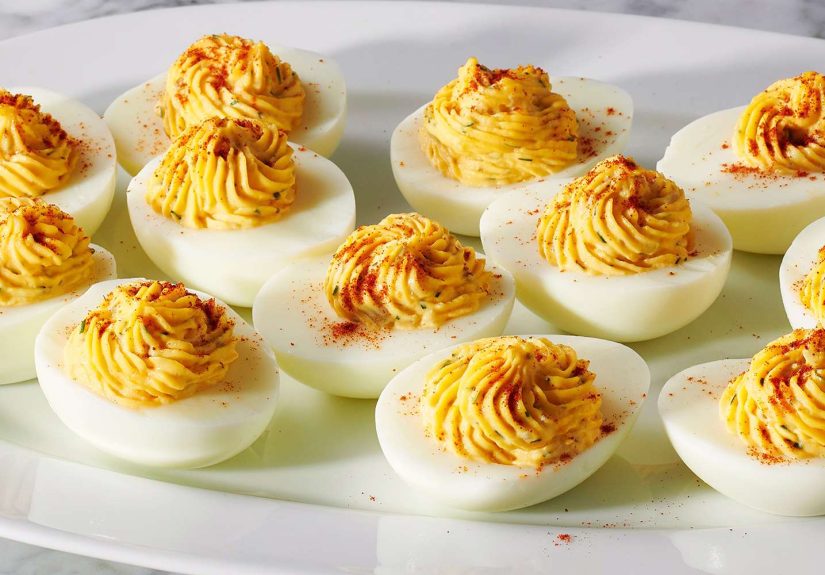
Spoon the filling into the egg white halves, or transfer it to a piping bag fitted with a star tip for a prettier presentation. No piping bag? Use a zip-top bag and snip off one corner. It works beautifully and makes you look organized, which is half the battle in party food.
Step 6: Garnish and Serve
Sprinkle the eggs with paprika, chopped dill, and a few tiny pieces of dill pickle. Serve chilled. If the eggs will sit out at a party, keep them cold as long as possible and avoid leaving them at room temperature for extended periods.
Best Pickles to Use for Deviled Eggs
The best pickles for dill pickle deviled eggs are crisp, tangy dill pickles. Kosher dill pickles, refrigerated deli-style pickles, and garlic dill pickles all work well. Avoid soft or overly sweet pickles unless you specifically want a sweeter flavor profile.
If you use bread-and-butter pickles, the recipe will still work, but it will taste less like “dilly deviled eggs” and more like sweet relish eggs. That can be delicious, but it is a different lane. For the boldest dill flavor, choose pickles with garlic, dill seed, and a clean vinegar bite.
Pickle Juice Matters
Do not skip the pickle juice. It is one of the easiest ways to season the filling. Pickle brine adds acidity, salt, and dill flavor all at once. Start with 1 tablespoon, then add more only if the filling needs extra tang. Too much brine can make the yolk mixture loose, and nobody wants deviled eggs that slide off the plate like they are trying to escape.
Yellow Mustard or Dijon Mustard?
Yellow mustard gives these deviled eggs a classic American picnic flavor. Dijon mustard adds a smoother, sharper taste. Both are excellent. If you are serving kids or a crowd that loves traditional deviled eggs, yellow mustard is the safe and nostalgic choice. If you want a slightly more grown-up appetizer, use Dijon.
You can also use half yellow mustard and half Dijon. That gives you the sunny color and familiar flavor of yellow mustard with the refined zip of Dijon. It is a tiny upgrade that does not require wearing a blazer in the kitchen.
Tips for Perfect Hard-Boiled Eggs
Perfect deviled eggs start with eggs that are cooked evenly and peel cleanly. Very fresh eggs can be harder to peel because the membrane sticks more tightly to the white. Eggs that have been in the refrigerator for several days often peel more easily.
Use a Gentle Cooking Method
A hard rolling boil can bounce eggs around and crack the shells. Bringing the water to a boil, turning off the heat, and letting the eggs sit covered is a gentle method that produces reliable results. Cooling the eggs quickly also helps prevent overcooking.
Do Not Overcook the Yolks
Overcooked yolks can become dry and chalky. They may also develop a greenish ring around the outside. The eggs are still edible, but the flavor and appearance are not ideal. For deviled eggs, you want yolks that are fully set but still bright yellow and tender.
Peel With Patience
If the shell refuses to cooperate, peel the egg under running water. The water can help slip between the shell and the egg white. Take your time, especially if you want pretty deviled eggs for a party platter.
How to Make the Filling Creamier
If your filling seems too thick, add a small splash of pickle juice or a tiny bit more mayonnaise. Add liquid slowly because the filling can go from thick to runny faster than a toddler can say, “I helped.”
For ultra-smooth deviled eggs, blend the yolk mixture in a small food processor. This creates a creamy, fluffy filling that pipes beautifully. However, if you use a processor, fold in the chopped pickles after blending so they keep their crunch.
How to Make These Deviled Eggs Ahead of Time
Dilly deviled eggs are great for entertaining because you can prep them ahead. For the best texture, cook and peel the eggs up to one day in advance. Store the whites and filling separately in airtight containers in the refrigerator, then fill the eggs shortly before serving.
If you need to fully assemble them ahead, cover them loosely and refrigerate. Add delicate garnishes, such as fresh dill or extra pickle pieces, right before serving so they look fresh instead of tired.
Storage and Food Safety
Keep deviled eggs refrigerated until serving. Because they contain cooked eggs and mayonnaise, they should not sit out for more than two hours. If you are serving them outdoors on a warm day, place the serving platter over a tray of ice or bring out smaller batches at a time.
Leftover deviled eggs should be stored in an airtight container in the refrigerator and eaten within a few days. For the best flavor and texture, enjoy them sooner rather than later. Deviled eggs are not good candidates for freezing because the whites can become rubbery and watery.
Serving Ideas for Dill Pickle Deviled Eggs
These eggs fit almost anywhere appetizers are welcome. Serve them with barbecue ribs, grilled chicken, burgers, sandwiches, fried chicken, potato salad, macaroni salad, or a crisp green salad. They are especially good on a brunch table because the pickle flavor cuts through richer dishes like casseroles and pastries.
Party Platter Pairings
For a fun appetizer board, arrange the deviled eggs with celery sticks, carrot sticks, olives, cheese cubes, crackers, sliced cucumbers, cherry tomatoes, and extra pickles. The color contrast looks fresh, and the flavors all play nicely together.
If you want to lean into the deli theme, serve these eggs with rye crackers, small slices of salami, sharp cheddar, mustard, and cornichons. It becomes a deviled egg board with serious snack authority.
Flavor Variations
Once you master the basic recipe, you can adjust it in several delicious directions. Deviled eggs are forgiving, which is good because appetizers should not require the emotional intensity of a pastry competition.
Spicy Dilly Deviled Eggs
Add cayenne pepper, hot sauce, or minced pickled jalapeños to the filling. Garnish with a thin jalapeño slice for a bold presentation.
Bacon Dill Pickle Deviled Eggs
Top each egg with crumbled bacon. The smoky crunch pairs beautifully with the tangy pickle filling.
Ranch Dill Pickle Deviled Eggs
Add 1/2 teaspoon ranch seasoning to the yolk mixture. Be careful with added salt because ranch seasoning and pickle juice are both salty.
Extra Herby Deviled Eggs
Add chopped parsley, chives, or tarragon along with the dill. Fresh herbs make the filling taste brighter and more elegant.
Common Mistakes to Avoid
The most common deviled egg mistake is making the filling too wet. Pickle juice is flavorful, but it is still liquid. Add it gradually. If your filling becomes too loose, mash in an extra cooked yolk if you have one, or chill the filling for 20 minutes to help it firm up.
Another mistake is using pickles that are chopped too large. Fine dice is your friend. The filling should have little pops of crunch, not surprise pickle boulders.
Finally, remember to taste before filling the eggs. Pickles vary in saltiness, mustard varies in sharpness, and mayonnaise varies in sweetness. Taste the yolk mixture and adjust with pepper, dill, mustard, or a tiny splash of brine until it feels balanced.
Experience Notes: What I’ve Learned Making Dilly Deviled Eggs With Dill Pickle
The first time I made dill pickle deviled eggs, I treated pickle juice like a casual ingredient. A splash here, a splash there, what could possibly go wrong? The answer: soup. Delicious soup, yes, but still soup. The filling tasted amazing, but it would not sit proudly in the egg whites. It slumped. It sighed. It looked like it had given up on its dreams. Since then, I measure the brine first and add more only after tasting.
Another helpful lesson is that finely chopped pickles make a huge difference. When the pickles are cut small, they blend into the filling and add a pleasant crunch. When they are too large, they compete with the creamy texture and make the eggs harder to pipe. If you are using a piping bag, the pickle pieces need to be tiny enough to pass through the tip. Otherwise, you may squeeze the bag with confidence and get absolutely nothing, followed by one dramatic pickle chunk launching across the counter. It is memorable, but not ideal.
I have also learned that fresh dill is wonderful, but dried dill is useful. Fresh dill gives the eggs a clean, bright flavor and a pretty garnish. Dried dill has a more concentrated taste and works well inside the filling. If I have both, I use dried dill in the yolk mixture and fresh dill on top. That combination gives the best flavor and the best appearance.
For parties, I prefer to make the components ahead instead of fully assembling the eggs too early. I boil and peel the eggs, slice them, and store the whites in one container. Then I mix the yolk filling and keep it in a separate container or piping bag. Right before guests arrive, I fill the eggs and add the garnish. The eggs look fresher, the paprika stays neat, and the pickles do not release extra moisture on top.
One more experience-based tip: make more than you think you need. Deviled eggs have a strange way of disappearing before the main meal begins. People will say, “Oh, I love deviled eggs,” while taking two. Then they will return five minutes later and act surprised that their hand is reaching for another. Dilly deviled eggs are especially dangerous because the pickle flavor makes them feel lighter and brighter than traditional versions. That tangy bite keeps people coming back.
When serving these outdoors, I like to use a chilled platter or place the egg tray over ice. Deviled eggs are at their best when cold, and the filling holds its shape better. If it is a hot day, I put out half the batch and keep the rest in the refrigerator until needed. This keeps the eggs safer and prettier, which is the appetizer version of winning twice.
Finally, do not underestimate the garnish. A little paprika, a tiny piece of pickle, and a sprig of dill can turn a simple egg into something that looks intentional and party-ready. People eat with their eyes first, especially at gatherings where the appetizer table is basically a competitive sport. A neat garnish says, “Yes, I planned this,” even if you were peeling eggs fifteen minutes before the doorbell rang.
Conclusion
This recipe for dilly deviled eggs with dill pickle is proof that a classic appetizer can still learn a few new tricks. Creamy yolks, tangy pickle juice, crunchy chopped dill pickles, mustard, and fresh herbs come together in a bite-sized snack that is bold, balanced, and easy to love. It is familiar enough for traditional deviled egg fans, but lively enough to stand out on any appetizer table.
Serve these eggs cold, garnish them generously, and make extra if you are feeding a crowd. They are quick to prepare, easy to customize, and almost guaranteed to disappear before anyone admits how many they ate. In other words, they are exactly what a great party recipe should be: simple, flavorful, and just a little dangerous around hungry people.
Note: This article was created from practical cooking knowledge and synthesized guidance from reputable U.S. food-safety and culinary sources, including egg-safety recommendations, classic deviled egg techniques, and popular dill pickle deviled egg variations. Source links and unnecessary citation placeholders have been intentionally omitted for clean web publishing.