Table of Contents >> Show >> Hide
- Why Emilia Clarke’s appearance sparked such a loud reaction
- The “same Hollywood face” complaint is bigger than one actress
- Why the Emilia Clarke conversation felt especially loaded
- Mixed feelings, decoded
- Hollywood’s real problem is not one face, but one template
- Emilia Clarke’s public image still works precisely because she feels human
- The smarter response is less certainty, more perspective
- Related experiences: why so many people instantly recognized this story
- Conclusion
Note: This article discusses public reaction, celebrity image culture, and beauty standards. It does not present unverified cosmetic-procedure claims as fact.
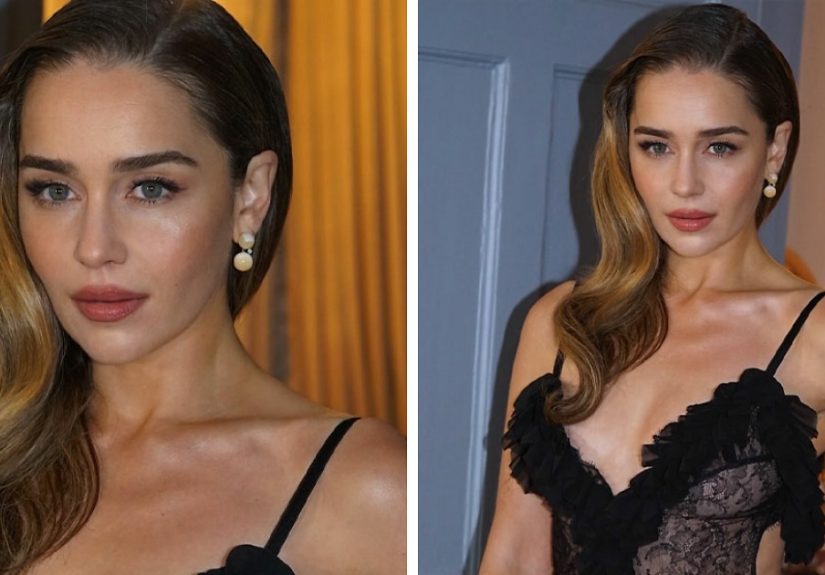
When Emilia Clarke stepped out for a high-profile public appearance, the internet did what the internet does best: it zoomed in, squinted dramatically, and started acting like it had earned a board certification in facial analysis from the University of Comment Section. Within hours, photos were everywhere, reactions were flying, and one especially sharp-tongued line about the “same Hollywood face” began making the rounds online.
That phrase, catchy as it is, says a lot less about Emilia Clarke than it does about the culture looking back at her. Because once the memes, side-by-side screenshots, and amateur detective work start rolling in, the conversation usually stops being about one actress and becomes about something much bigger: how celebrities are expected to age, how women’s faces are treated like public property, and why the internet loves a mystery even when there is no verified mystery to solve.
So yes, people had mixed feelings about Emilia Clarke’s appearance. Some fans thought she looked glamorous, polished, and happy. Others said she looked different. Some turned immediately to cosmetic-procedure speculation. And a growing number of people pushed back, arguing that the whole conversation felt invasive, lazy, and just plain weird. In other words, it was a classic modern celebrity discourse spiral: part concern, part judgment, part projection, part popcorn.
This article takes a closer look at why the reaction happened, why it spread so fast, and what it reveals about Hollywood beauty standards, internet behavior, and the increasingly uncomfortable obsession with turning every famous face into a public debate.
Why Emilia Clarke’s appearance sparked such a loud reaction
The first thing to understand is that celebrity appearances do not exist in a vacuum anymore. A red carpet is no longer just a red carpet. It is a content drop. A photo gallery. A debate thread. A before-and-after factory. A place where people decide, often in seconds, whether someone looks “fresh,” “overdone,” “different,” “too different,” or the deeply internet phrase “not like herself.”
That last one shows up constantly in celebrity commentary, and it tends to mean almost nothing. Sometimes it means a new hairstyle. Sometimes it means different makeup. Sometimes it means lighting, camera angle, weight change, stress, aging, recovery, or simply not looking exactly like a person did a decade ago while dressed as a dragon queen under HBO-level production lighting. Shocking, apparently.
In Clarke’s case, the reaction gained traction because her look landed right in the middle of a familiar internet narrative: the idea that Hollywood women eventually start to resemble one another. Smooth skin, lifted brows, sharpened contours, full lips, high-definition symmetry. Whether that sameness is caused by makeup trends, filters, injectables, photo editing, glam squads, or wishful thinking from strangers online, the “everyone has the same face now” complaint has become its own genre of commentary.
And to be fair, that frustration does not come from nowhere. Many viewers really are reacting to a larger cultural pattern. They miss character faces. Expressive faces. Lived-in faces. Faces that tell a story instead of looking like they were assembled from a trending beauty mood board called We Did Some Very Expensive Things But Tastefully.
Still, there is a difference between criticizing a beauty system and accusing a specific person of having procedures without evidence. That is where the conversation around Clarke became messy. Very messy. Internet-in-a-white-couch-and-ringing-a-therapy-bell messy.
The “same Hollywood face” complaint is bigger than one actress
The phrase attached to Clarke’s photos spread because it tapped into a real fatigue people feel about celebrity beauty culture. Over the last several years, critics and beauty writers have increasingly described a kind of homogenized look shaped by filters, social media trends, cosmetic treatments, and algorithm-approved features. The result is a beauty ideal that rewards polish but often punishes individuality.
You can see why people react strongly to that. Cinema and television used to celebrate faces that felt instantly recognizable. Not “perfect,” necessarily, but distinct. A crooked smile. Deep laugh lines. expressive brows. A nose that actually looked like it belonged to a family instead of a franchise. Today, many viewers feel that distinctiveness is under pressure from an aesthetic culture that prizes sleek sameness above all else.
That broader frustration is valid. What is not valid is using one celebrity photo set as a blank screen for unverified assumptions. There is no shortage of reasons a person can look different in still images. Makeup artists change techniques. Stylists choose different silhouettes. Brows are groomed differently. Cameras flatten and exaggerate. Retouching alters texture. Harsh flash can wash someone out, while soft light can make them look ten years younger and suspiciously expensive.
Then there is the tiny detail that humans age. Not even celebrities get to opt out of time, although Hollywood does spend a heroic amount of money pretending this is still up for negotiation.
That tension explains the mixed response. Some people were not really reacting to Emilia Clarke the person; they were reacting to the larger “copy-paste glamour” issue they think they see across celebrity culture. Clarke simply became the latest face onto which that anxiety was projected.
Why the Emilia Clarke conversation felt especially loaded
Emilia Clarke is not just any actress getting random internet commentary. She is a performer whose face has long been part of her appeal. Fans know her for being expressive, warm, and unusually animated on screen and in interviews. She is one of those actors whose eyebrows deserve their own award-season campaign. So when some viewers thought she looked different in certain photos, the reaction felt more dramatic because her public image has always been tied to openness and expressiveness.
There is also a layer of emotional history here. Clarke has spoken publicly about surviving two life-threatening brain aneurysms during the early years of Game of Thrones, and she later helped launch SameYou, an organization focused on recovery after brain injury and stroke. That matters because it changes how many fans see her. For a lot of people, she is not only a beloved actress but also someone associated with survival, vulnerability, and resilience.
That history makes appearance chatter hit differently. Some fans feel deeply protective of her. They see speculation about her face and think, “Can we maybe not turn a woman who has already lived through serious trauma into this week’s facial conspiracy theory?” Others respond from a different angle and say that if a public figure looks different, discussing it is simply part of celebrity culture. That disagreement is exactly why the reactions became so divided.
There is another important wrinkle: Clarke has previously spoken about beauty pressure in a way that complicates the narrative people tried to force onto her. She has discussed being told she “needed” fillers when she was younger and has described rejecting that advice outright. That does not prove anything one way or another about every future photo, of course, but it does underline a simple truth: strangers online often speak with total certainty about people they do not know, based on information they do not have, while ignoring the person’s own public statements.
Mixed feelings, decoded
“Mixed feelings” sounds polite, but on the internet it usually means three camps yelling in different fonts.
1. The protective camp
This group hated the commentary from the start. Their view was simple: Emilia Clarke looked lovely, the scrutiny was invasive, and the internet has become far too comfortable treating women’s faces like open-source material. For them, the ugliness of the reaction said more about audience entitlement than about Clarke’s appearance.
2. The suspicious camp
This group believed the photos showed visible changes and started speculating about procedures. Some framed their comments as concern. Others were bluntly judgmental. A few used the “Hollywood face” phrase to criticize what they see as an industry-wide trend toward sameness.
3. The meta-commentary camp
Then came the people reacting to the reaction. Their point was that the entire conversation had become absurd. Why are strangers dissecting pore structure on zoomed-in red carpet photos like they are reviewing satellite footage? Why has “she looks different” become enough to launch a thousand theories? And why do women in entertainment have to pass a constantly changing beauty test while smiling through it?
Honestly, the third group has a case.
Hollywood’s real problem is not one face, but one template
If there is a useful takeaway from the Emilia Clarke debate, it is not whether she did or did not change anything. The more interesting question is why audiences are so primed to assume that every visible difference must come from cosmetic intervention. The answer lies in a beauty economy that has made intervention feel both ordinary and strangely mandatory.
Hollywood has always sold aspiration, but social media turbocharged it. The old star system told audiences to admire celebrities from a distance. The new system places celebrities side by side with influencers, filters, editing apps, and endless close-up footage. Faces are no longer seen only in films, magazine covers, or polished press portraits. They are analyzed in candid videos, paparazzi shots, livestream clips, and screenshots passed around with all the grace of a cafeteria rumor.
That environment creates a paradox. Audiences demand authenticity while rewarding impossible perfection. They praise “natural beauty” but expect flawlessness. They say they want people to age gracefully, then punish every visible sign of age. They complain when celebrities look “overdone,” but they also attack them for looking tired, puffy, old, too thin, too smooth, or not camera-ready enough. It is a rigged game with no winning square.
And that is why the “same Hollywood face” complaint keeps returning. It is partly a criticism of cosmetic culture, yes, but it is also a confession. Audiences themselves have become trained to read faces through a hyper-curated lens. We notice sameness because we have spent years soaking in the visual language that produces it.
Emilia Clarke’s public image still works precisely because she feels human
One reason the chatter around Clarke felt so jarring is that her appeal has never depended on icy untouchability. She is funny, self-aware, candid, and often disarmingly open in interviews. Even when playing massive roles, she tends to come across less like an unreachable icon and more like someone who still laughs with her whole face.
That kind of star image matters in an era when polished distance can feel robotic. Clarke has built a reputation not just through performances but through visible humanity: discussing difficult health experiences, supporting rehabilitation efforts, and speaking honestly about career pressure and personal uncertainty. More recently, her return to television with Ponies added another chapter to that image. It reminded audiences that she is still very much in the work, still evolving, and still a performer rather than a frozen pop-culture relic from the 2010s.
Maybe that is why people reacted so intensely. When an actress associated with warmth and emotional transparency becomes the subject of “What happened to her face?” discourse, the comment section is not just judging a photo. It is reacting to the possibility that fame changes everyone eventually. That thought unsettles people because it collapses the fantasy that some celebrities will remain forever untouched by the pressures of the machine.
But again, that projection belongs to the audience, not necessarily to the actress.
The smarter response is less certainty, more perspective
There is nothing wrong with talking about beauty culture, celebrity branding, or Hollywood’s obsession with youth. Those are fair topics. Necessary topics, even. But turning one woman’s appearance into a courtroom drama built on screenshots is where the conversation usually loses its mind.
A better response would be to separate systems from individuals. Criticize the pressure. Criticize the sameness. Criticize the beauty economy if you want. But resist the lazy confidence of internet diagnosis. A face is not a press release. A red carpet photo is not medical evidence. And a person looking different in a handful of images does not obligate the world to start narrating her body like a true-crime podcast.
Emilia Clarke’s latest appearance sparked mixed feelings, sure. But the strongest feeling it should provoke may be exhaustion with the ritual itself. Every woman in public life eventually gets fed into the same machine: praise, scrutiny, comparison, speculation, backlash, repeat. At this point, the cycle is so predictable it practically deserves its own publicist.
If the internet wants to have a meaningful conversation, it should stop asking, “What did she do to her face?” and start asking, “Why are we so determined to believe a woman’s face must always be available for analysis?” That question is harder, less glamorous, and much more honest.
Related experiences: why so many people instantly recognized this story
The reason this topic spread so quickly is that it feels familiar, even to people who have never watched Game of Thrones and could not pick out a dragon from a dishwasher. Almost everyone has seen some version of this story play out before. A woman changes her hairstyle, gains or loses weight, wears different makeup, returns to work after time away, or simply gets older in public, and suddenly the room starts acting like something dramatic must have happened. It is one of the most common social experiences hiding inside celebrity gossip.
Plenty of ordinary people know the feeling too. Someone takes a photo from an unflattering angle and a relative says, “You look so different.” A person experiments with a polished makeup look for an event and hears, “I almost didn’t recognize you.” Another recovers from stress, illness, grief, or burnout and comes back looking leaner, puffier, more tired, or more rested, depending on the day, and others begin writing a story about their face before asking how they are doing. That is the same instinct, just without the paparazzi.
Women especially know how narrow the “acceptable change” lane can be. Look too natural and someone says you need more effort. Look too polished and someone assumes you had “work done.” Age visibly and people call it sad. Age invisibly and people call it suspicious. Try a filter and people say society is fake. Skip the filter and people ask if you are exhausted. It is the beauty equivalent of being told to relax while being timed.
There is also a deeper emotional layer many people recognized in the Emilia Clarke conversation: the discomfort of returning to public view after a hard season. Anyone who has been through health struggles, intense job stress, personal loss, or a long period of burnout knows that showing up again can feel strangely vulnerable. People think they are seeing your face, but what they are really seeing is a chapter they know nothing about. Recovery changes people. Time changes people. Experience changes people. Sometimes the outside reflects that. Sometimes it does not. Either way, outsiders rarely know the full story.
That is why celebrity face discourse can feel weirdly personal to readers. It echoes school hallways, office kitchens, family reunions, and social media scrolls where appearance becomes shorthand for identity. The famous version is louder, but the emotional mechanics are the same. People stare, compare, speculate, and decide that what they see must reveal everything.
In the end, the strongest shared experience around this topic may be simple: most people want to be seen without being dissected. They want room to change without cross-examination. They want to show up looking a little different without triggering a public referendum. And they want the freedom to have a face, not a debate.
Conclusion
Emilia Clarke’s latest appearance became a lightning rod because it landed at the intersection of celebrity culture, beauty anxiety, and internet overconfidence. The mixed reactions were real, but they were also revealing. Some people were reacting to her. Many were reacting to Hollywood. And plenty were reacting to a system that has taught all of us to inspect women’s faces like they contain clues to a larger cultural crime.
If there is one useful lesson in the noise, it is this: conversations about beauty standards can be thoughtful, but speculation about a specific person’s unverified procedures usually is not. Clarke remains compelling not because she fits some impossible template, but because she continues to register as unmistakably human in an industry that often rewards the opposite. That may be the most refreshing look of all.