Table of Contents >> Show >> Hide
If your fingers have started to feel like they’re wearing invisible, too-tight gloves, or they’ve slowly taken on a claw-like curve that just won’t straighten, you might be facing a condition called sclerodactyly. The word sounds like a dinosaur, but it’s actually a very specific way some autoimmune diseases affect the hands and feet. It can make everyday tasksbuttoning a shirt, tying shoes, typing, or opening a jarsurprisingly difficult and frustrating.
The good news: while sclerodactyly itself can’t usually be “cured,” there are ways to slow it down, manage symptoms, and protect as much hand function as possible. With early diagnosis, smart treatment choices, and consistent hand care, many people continue to live active, independent lives despite stiff, tight fingers. Let’s unpack what sclerodactyly is, why it happens, and what treatments and daily strategies actually help.
What Is Sclerodactyly?
How Doctors Define It
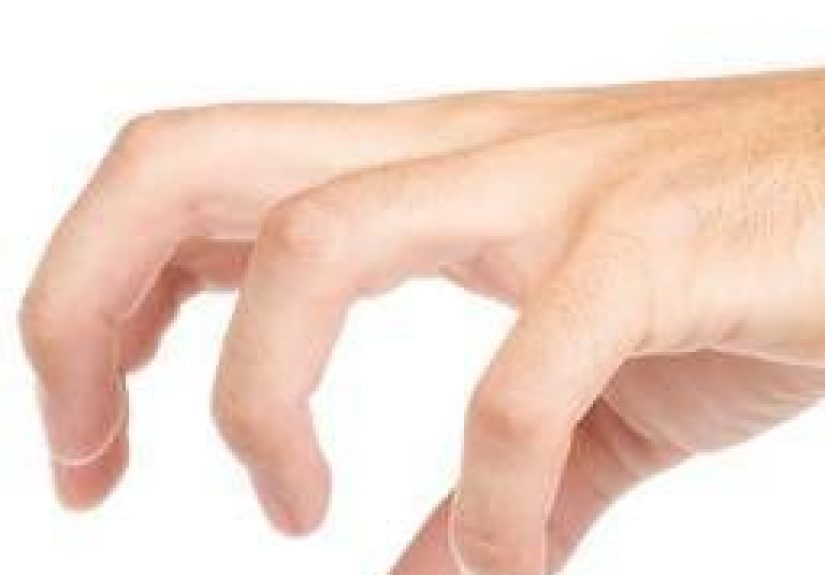
In simple terms, sclerodactyly means hardening and tightening of the skin on the fingers or toes. Over time, this tight skin can pull the fingers into a bent, claw-like position and make it hardor even impossibleto fully open or close the hand.
Under the microscope, the skin and tissues under it are loaded with too much collagen, the protein that normally provides structure and support. Instead of being flexible and elastic, the skin becomes thick, shiny, and stiff. Sometimes the connective tissue below the skin, and even muscle, can be affected, which is why this isn’t “just a skin issue” for many people.
Sclerodactyly’s Relationship to Scleroderma and CREST
Sclerodactyly rarely shows up alone. It’s usually part of a bigger autoimmune picture, most commonly:
- Systemic sclerosis (scleroderma) – a group of autoimmune diseases where the immune system triggers excess collagen production, leading to hard, tight skin and sometimes organ involvement.
-
Limited cutaneous systemic sclerosis – previously known as CREST syndrome. CREST is an acronym:
- C – Calcinosis (calcium deposits in the skin)
- R – Raynaud’s phenomenon
- E – Esophageal dysmotility
- S – Sclerodactyly
- T – Telangiectasia (tiny, visible blood vessels on the skin)
In limited cutaneous systemic sclerosis, skin thickening is usually restricted to the hands, forearms, feet, and face, and sclerodactyly is a hallmark sign.
Sclerodactyly can also appear in other connective tissue diseases, such as mixed connective tissue disease or even as “diabetic sclerodactyly” in long-standing diabetes, but systemic sclerosis and CREST are the classic associations.
Signs, Symptoms, and Stages
Early Changes in the Fingers
Sclerodactyly usually doesn’t start with sudden stiff claws. Instead, the changes creep in. Early signs may include:
- Puffy, sausage-like fingers (sometimes called “puffy digits”), especially in the morning
- Tight rings that used to fit comfortably
- Difficulty making a full fist or pressing palms together (“prayer sign”)
- Raynaud’s phenomenon – color changes (white, blue, then red) in the fingers in response to cold or stress, often years before skin tightening appears
At this stage, the skin may look normal or slightly swollen but feel tight or thick when you try to bend the joints. This is the moment when early diagnosis and aggressive hand protection can make a big difference down the line.
Progression to Tight, Shiny Skin and Contractures
As sclerodactyly progresses, the skin on the fingers often becomes:
- Shiny and taut, sometimes with a waxy look
- Thicker and harder to pinch or move over the underlying tissue
- Fixed in flexion at the knuckles and finger joints, leading to claw-like contractures
People may no longer be able to flatten their hands on a table, fully straighten their fingers, or grip objects in a normal way. This affects almost every daily activityfrom handling utensils and grooming to writing and using a smartphone.
Other complications may show up along with sclerodactyly:
- Digital ulcers on the fingertips due to poor blood flow
- Calcinosissmall lumps of calcium under the skin that may be painful or break through the surface
- Telangiectasiastiny red spots from dilated blood vessels
Main Causes and Risk Factors
Autoimmune Roots: Too Much Collagen in the Wrong Places
Sclerodactyly is less a standalone disease and more a symptom of the immune system going off-script. In systemic sclerosis, immune cells drive chronic inflammation and damage to the tiny blood vessels (microvasculature), which sets off a cascade of signals that push fibroblasts (the collagen-making cells) into overdrive.
The end result: too much collagen laid down in the skin and tissues of the fingers and toes. The blood vessels themselves may also narrow or become abnormal, which worsens circulation and adds to stiffness, pain, and ulcer risk.
Conditions Linked With Sclerodactyly
Sclerodactyly most often appears in:
- Limited cutaneous systemic sclerosis / CREST syndrome – classic tight fingers, Raynaud’s, and calcium deposits in the skin
- Diffuse cutaneous systemic sclerosis – more widespread skin thickening, sometimes extending to upper arms, trunk, and legs
- Mixed connective tissue disease – an overlap autoimmune condition where features of systemic sclerosis, lupus, and polymyositis can coexist
- Diabetic sclerodactyly – described in some people with long-standing diabetes, with thickened, tight skin on the fingers
Who Is More Likely to Develop It?
Because sclerodactyly is tied to systemic sclerosis, the same risk patterns generally apply:
- More common in women than men
- Often develops between ages 30 and 60
- Associated with specific autoantibodies, such as anticentromere antibodies in limited cutaneous systemic sclerosis
Genetics, environmental exposures, and hormonal factors are all suspected contributors, but there’s no single known trigger that explains why one person with an autoimmune tendency develops sclerodactyly and another doesn’t.
How Doctors Diagnose Sclerodactyly
Hands-On Clinical Examination
Diagnosis starts with a careful look and feel. A clinicianoften a rheumatologist or dermatologistwill:
- Inspect fingers for shiny, tight, or thickened skin
- Check whether you can make a full fist or bring your palms together
- Assess joint motion and look for fixed flexion contractures
- Examine nailfold capillaries at the base of the fingernails for dilated or abnormal vessels, which are common in systemic sclerosis
Because sclerodactyly is typically part of a broader disease pattern, your doctor will also look for signs of Raynaud’s, skin thickening elsewhere, telangiectasias, or esophageal symptoms.
Blood Tests and Imaging
To figure out the underlying cause and rule inor rule outsystemic sclerosis and other autoimmune diseases, doctors may order:
- Antinuclear antibody (ANA) testing
- More specific antibodies, such as anticentromere and anti–Scl-70 (topoisomerase I), which are associated with particular subtypes of systemic sclerosis
- Blood work to check kidney function, inflammatory markers, and other organ systems
- Imaging (like X-rays or ultrasound) if there are concerns about calcinosis, bone resorption (acro-osteolysis), or joint damage
In some cases, nailfold capillaroscopy (using a special microscope to look at the small blood vessels at the nail base) helps support a diagnosis of systemic sclerosis.
When to See a Specialist
If you notice your fingers becoming chronically puffy, tight, or difficult to moveespecially if you have Raynaud’s phenomenonit’s worth seeing a rheumatologist sooner rather than later. A hand specialist (hand surgeon) or occupational therapist may also be involved if there are significant contractures or functional limitations. Early, team-based care gives you the best shot at preserving motion and preventing severe deformity.
As always, this information is educational and not a substitute for personal medical advice. If you’re worried about your hands or fingers, talk with a qualified healthcare professional who can evaluate your specific situation.
Treatment: What Helps Sclerodactyly?
There’s no magic cream or pill that instantly reverses sclerodactyly. However, a combination of systemic treatment for the underlying autoimmune disease plus local therapies for the hands can slow progression, relieve symptoms, and sometimes regain a bit of lost motion.
Systemic Medications for the Underlying Disease
Because sclerodactyly is usually driven by systemic sclerosis or another autoimmune condition, controlling that core disease is a major goal. Depending on your overall health and organ involvement, your rheumatologist may discuss:
- Immunosuppressive medications (such as methotrexate or mycophenolate) to reduce immune-driven inflammation and fibrosis
- Vasodilators or other drugs to improve blood flow and manage Raynaud’s phenomenon
- Targeted therapies if there’s lung, kidney, or heart involvement, as recommended by guidelines and specialist centers
These medications are not chosen just for the fingersthey’re aimed at protecting your overall health, but better systemic control can translate into slower progression of hand changes.
Hand Therapy, Occupational Therapy, and Exercise
Think of hand therapy as the daily “maintenance” that keeps your joints moving as long as possible. Research shows that structured occupational therapy programs and intensive hand physical therapy can improve strength, function, and range of motion in people with systemic sclerosis–related hand problems.
Common strategies include:
- Range-of-motion exercises – gentle stretching of each finger joint, often several times a day, to fight stiffness and prevent contractures. Handouts and exercise programs from scleroderma organizations often recommend daily routines you can do at home after training with a therapist.
- Wax baths (paraffin baths) – warm wax can increase circulation, soften the skin, and make stretching more comfortable.
- Splints or orthoses – used carefully, they can help maintain functional positions of the hand or support weak joints without completely immobilizing them.
- Adaptive techniques and devices – built-up handles, easy-grip tools, button hooks, and jar openers can make daily tasks easier and reduce frustration.
The main therapy goal is simple but powerful: keep what you have, as long as you can. Every degree of motion matters when it comes to independence.
Local Treatments, Phototherapy, and Surgery
For some people, local treatments may play a role:
- Topical therapies – creams or ointments (sometimes containing steroids or other medications) may help with skin inflammation or itching in selected cases.
- Phototherapy – certain types of controlled ultraviolet (UV) light can soften localized skin thickening in some forms of scleroderma.
-
Surgery – while surgery cannot cure systemic sclerosis or fully reverse sclerodactyly, it may help in specific situations:
- Releasing severe contractures to improve hand position and function
- Removing painful calcium deposits or treating nonhealing ulcers
- Reconstructive procedures to salvage compromised fingers
Surgical interventions are usually reserved for advanced, function-limiting cases and are best handled at centers experienced with scleroderma.
Living With Sclerodactyly: Practical Tips
Protecting Your Hands Day to Day
Small habits add up when you’re trying to protect circulation, skin, and mobility:
- Stay warm – cold exposure worsens Raynaud’s and can further damage blood vessels in the fingers. Think layered clothing, insulated gloves, and hand warmers when needed.
- Moisturize regularly – thick, fragrance-free creams or ointments help maintain skin barrier function and reduce cracking.
- Avoid trauma – protect fingertips from cuts, burns, and repeated pressure; even minor injuries can heal slowly if blood flow is compromised.
- Keep moving – brief stretch breaks throughout the day are better than one marathon session at night. Treat your hand exercises like brushing your teeth: routine, non-negotiable, and quick.
Staying Independent and Emotionally Healthy
Sclerodactyly can affect self-image, work, hobbies, and relationships. It’s okay to grieve the loss of certain abilities, but it’s also okay to adapt creatively:
- Use assistive devices without guiltanything that makes cooking, showering, dressing, or typing easier is a win.
- Ask your occupational therapist to watch you perform everyday tasks and suggest tweaks, tools, or new techniques.
- Seek support from scleroderma organizations, online communities, or local groups; connecting with others who “get it” can be hugely validating.
- Pay attention to moodanxiety and depression are common with chronic illness. If you feel persistently low or overwhelmed, talking with a mental health professional can be as important as hand therapy.
Real-World Experiences With Sclerodactyly
Every case of sclerodactyly is unique, but many people share similar emotional beats on their journey. The following examples are composite stories based on common patient experiences described in clinical reports and patient education resourcesthey’re not about any one real person, but they reflect the kinds of challenges and solutions people often describe.
Take “Maria,” a woman in her early forties who first noticed her fingers turning white and blue whenever she grabbed something from the freezer. For years, she brushed off her Raynaud’s as “just bad circulation.” Then one winter she realized her rings no longer fit, but instead of feeling thinner, her fingers were puffier. She struggled to push her wedding band over her knuckles and found it harder to bend her fingers in the morning.
When she finally saw a rheumatologist, she learned she had limited cutaneous systemic sclerosis. The term “sclerodactyly” came up when the doctor tried to straighten her fingers and then showed her nailfold capillaries under a small microscope. The diagnosis was scary, but it also explained why simple taskslike zipping her kids’ jacketshad become oddly difficult.
Maria started a treatment plan that included a vasodilator to help her Raynaud’s, an immunosuppressive medication to address her systemic sclerosis, and a referral to an occupational therapist who specialized in hand conditions. At first, the daily finger stretches felt like one more chore in an already busy life. But within a few weeks, she noticed that on days she skipped her exercises, her hands felt stiffer and slower the next morning.
Her therapist taught her to do quick “micro-sessions”: stretching each finger while waiting for coffee to brew, gently pressing her palm flat on the counter while talking on the phone, and using a warm wax bath in the evening when her fingers felt like frozen sausages. Instead of scheduling hour-long workouts for her hands, she snuck in tiny routines that fit into real life.
On the other end of the spectrum, there’s “James,” who didn’t seek care until his fingers were already deeply bent and he could barely hold a fork. For him, hand surgery became part of the conversationnot as a miracle fix, but as a way to reposition the fingers and reduce pain so he could regain some independence. After surgery and rehab, James still lived with significant limitations, but he could once again use a stylus to operate his tablet, prepare simple meals, and manage most of his personal hygiene without help. He often said he wished he’d taken the early hand stiffness more seriously, but he also felt proud of the function he’d clawed backquite literallythrough therapy and persistence.
Then there are the quieter victories: someone who discovers that a silicone jar opener plus a cheap electric can opener suddenly makes cooking fun again; a person who joins an online scleroderma group and realizes they’re not alone in feeling angry at their fingers; another who, after months of daily stretching, gains just enough range to play a few chords on a guitar again.
These stories highlight three big themes:
- Early action matters – the earlier you address Raynaud’s, swelling, and tightness, the more you can slow progression.
- Consistency beats intensity – small, regular stretches and habits often help more than occasional heroic effort.
- Function is more than straight fingers – even if your hands never look “normal” again, targeted therapy, adaptive tools, and sometimes surgery can help you do the things that matter most to you.
Key Takeaways
Sclerodactyly is a visible, tangible sign that the immune system is misbehaving, usually in the setting of systemic sclerosis or other connective tissue disease. It shows up as tight, thickened skin on the fingers or toes, leading to stiffness, contractures, and real-world challenges with everyday tasks.
While you can’t simply stretch it away or fix it with a single cream, a combination of:
- Systemic treatment for the underlying autoimmune disease
- Regular hand therapy and exercises
- Thoughtful protection and warming strategies
- Assistive devices and, in selected cases, surgery
can help preserve function and reduce pain. If your fingers are sending you signalspuffiness, color changes, persistent tightnessconsider them an invitation to check in with a rheumatologist or other specialist. The earlier you act, the more options you have to keep your hands working for you, not against you.