Table of Contents >> Show >> Hide
- What Is the “$45 Dutch Oven,” Exactly?
- Why Le Creuset Still Has a Cult Following
- Why Shoppers Are Trading Down
- What the Affordable Dutch Oven Usually Gets Right
- Where Le Creuset Still Pulls Ahead
- So, Should You Ditch Le Creuset?
- Who the $45 Dutch Oven Is Best For
- What You Should Watch Before Buying
- Bottom Line
- Real-World Experiences With the Budget Dutch Oven
- SEO Tags
If you have ever wandered into the cookware section “just to look” and somehow ended up whispering sweet nothings to a Le Creuset Dutch oven, welcome. You are among friends. The French icon has been the gold standard for years: gorgeous colors, heirloom vibes, and the kind of kitchen prestige that says, “Yes, I absolutely braise short ribs on a Tuesday.”
But there is a plot twist bubbling away on American stovetops. More shoppers are skipping the $400-plus splurge and opting for a much cheaper enameled cast-iron Dutch oven that often drops to around $45 during sales. And honestly? For plenty of home cooks, that swap makes perfect sense.
The reason is simple: most people do not need luxury cookware to make excellent chili, crusty bread, pot roast, chicken and rice, or a Sunday tomato sauce that perfumes the whole house. They need solid heat retention, a lid that traps moisture, a roomy cooking vessel, and a price that does not make them stare into the middle distance. That is exactly why the budget Dutch oven category has exploded.
So, are shoppers really ditching Le Creuset for a cheaper option? In a lot of cases, yes. Not because Le Creuset suddenly got bad. It absolutely did not. It is still elite cookware. But because value has entered the chat, and it is wearing enameled cast iron.
What Is the “$45 Dutch Oven,” Exactly?
The headline usually points to a sale-priced, 5- to 6-quart enameled cast-iron Dutch oven from brands like Best Choice Products, Lodge, Tramontina, or other budget-friendly labels sold through Walmart or Amazon. The model generating the most “wait… do I really need the expensive one?” energy is the Best Choice Products 6-Quart Dutch Oven, a glossy enameled cast-iron pot that has been positioned as a wallet-friendly stand-in for Le Creuset.
At the same time, editors who actually test cookware keep coming back to Lodge as the budget brand they trust most. That matters. A cheap pot is one thing. A cheap pot that serious reviewers repeatedly put in the value conversation is another. Together, those two lanes tell the story: shoppers want the look and function of premium enameled cast iron without the premium invoice.
That is why the “$45 Dutch oven” has become less of a single unicorn product and more of a symbol of a broader trend: home cooks are realizing that the gap between “luxury cookware” and “very capable cookware” is often much smaller than the price tag suggests.
Why Le Creuset Still Has a Cult Following
Before we hand Le Creuset a dramatic breakup speech, let’s be fair. The brand earned its reputation the old-fashioned way: by making excellent cookware. The Signature Round Dutch Oven is famous for even heating, strong enamel, comfortable handles, and a lighter feel than many other enameled cast-iron competitors. It is also made in France, comes with a limited lifetime warranty, and has the kind of finish that makes people leave it on the stovetop like a museum piece with better soup potential.
Le Creuset also wins where seasoned cooks tend to care most: consistency. Browning is reliable. Braises reduce beautifully. The light interior makes it easier to watch fond develop instead of wondering whether dinner is caramelizing or quietly turning into a charcoal experiment. And yes, color selection matters more than some people would like to admit. If your cookware can perform and match your kitchen, that is how emotional support cookware happens.
In other words, Le Creuset is not overpriced junk living off a French accent. It is premium cookware with premium polish. The issue is that many shoppers do not actually need all of that polish.
Why Shoppers Are Trading Down
The price difference is wild
This is the big one. A classic Le Creuset Dutch oven often lands in the $400 neighborhood before sales. A budget enameled cast-iron Dutch oven, by contrast, can often be found between $40 and $100 depending on size, brand, and discount timing. That is not a tiny savings. That is a “buy groceries, a decent cutting board, and still have money left over” savings.
For newer cooks, young families, apartment dwellers, or anyone building a kitchen from scratch, that math is hard to ignore. One pot should not require the emotional preparation of booking international travel.
Budget Dutch ovens still do Dutch oven things
Here is the annoying truth for luxury cookware loyalists: a cheaper Dutch oven can still braise, roast, simmer, bake bread, fry, and make soups that taste like somebody’s grandmother approved the recipe. Enamel-coated cast iron is naturally good at retaining and distributing heat. So even when the finish is less refined or the pot is heavier, the basic cooking mechanics remain strong.
That is why shoppers keep reporting a familiar experience. They buy the affordable version thinking it will be “good enough,” then discover it is actually very useful, very attractive, and very capable. Suddenly, the leap to a much pricier pot feels less like a necessity and more like a lifestyle choice.
The look is close enough for most kitchens
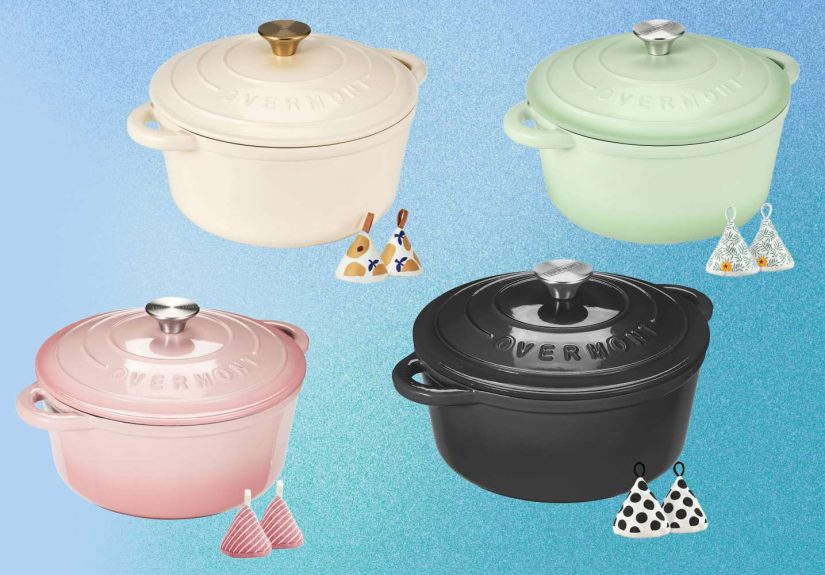
Let’s not pretend aesthetics are not part of the appeal. Enameled Dutch ovens are cookware, yes, but they are also kitchen decor with ambition. The affordable versions have figured this out. Many now come in glossy finishes and trendy colors that look polished on the stove or table. From three feet away, your guests are not doing a metallurgy audit. They are asking for seconds.
Shoppers have become smarter about cost-per-use
People are more practical than ever about home purchases. Instead of asking, “What is the most prestigious option?” they are asking, “What will I actually use every week?” If a $45 to $60 Dutch oven gets used three times as often because it was easy to buy in the first place, that is a powerful argument in its favor.
What the Affordable Dutch Oven Usually Gets Right
The best lower-cost Dutch ovens nail the fundamentals. They hold heat well, can handle stovetop-to-oven cooking, and offer enough room for family-size meals. A 6-quart size, in particular, is the sweet spot for real life. It is big enough for stews, soups, roast chicken, no-knead bread, baked pasta, and the occasional “I invited more people than I planned for” dinner.
Many also include details once associated with pricier models, like condensation bumps or self-basting lids, sturdy side handles, and enamel interiors that clean up more easily than raw cast iron. That convenience matters. A Dutch oven should inspire confidence, not a side hustle in specialized maintenance.
And while premium brands may have slightly more elegant enamel finishes, a cheaper pot can still turn out excellent food. If your main goal is deeply browned onions, tender beef, fluffy beans, or bread with a crackly crust, a solid budget pot is absolutely in the game.
Where Le Creuset Still Pulls Ahead
Fit and finish
This is where the expensive pot quietly reminds you why it costs what it costs. Le Creuset tends to feel more refined in the hands. The handles are thoughtfully shaped. The enamel is durable and polished. The lid fit feels precise. It is the cookware equivalent of a tailored blazer: sure, a cheaper one covers your body, but the nicer one just moves better.
Long-term durability confidence
Budget Dutch ovens can last a long time, but premium brands inspire more confidence over decades, not just years. If you are the type of cook who wants one legendary piece to keep forever, Le Creuset makes a compelling case. That limited lifetime warranty also gives it heirloom energy.
Lighter handling and everyday comfort
Cast iron is heavy. That is part of the deal. But not all heavy is created equal. Premium models can feel easier to maneuver, especially when full of stew, beans, or a braise that now weighs roughly the same as a small emotional burden. If you cook often, small ergonomic differences become big quality-of-life differences.
Brand trust and resale value
There is also the reality of prestige. Le Creuset has name recognition, collector appeal, and strong resale value. A budget Dutch oven is a workhorse. A Le Creuset is a workhorse with a fan club.
So, Should You Ditch Le Creuset?
If you already own a Le Creuset and love it, no, there is no reason to dramatically fling it from your kitchen in pursuit of a $45 rebel. Keep your beautiful pot. Cook glorious things in it. Feel fancy.
But if you are shopping from scratch, the answer changes. You do not need Le Creuset to become the kind of person who makes braised beef, sourdough, chicken cacciatore, or creamy white bean soup. A good budget Dutch oven can get you there. For many people, it is the smarter first buy.
The real question is not “Which pot is best in the abstract?” It is “Which pot fits your life?” If you cook constantly, care about long-term refinement, and enjoy premium tools, Le Creuset is wonderful. If you want excellent performance for a fraction of the price, the affordable Dutch oven is the move.
Who the $45 Dutch Oven Is Best For
This cheaper Dutch oven is especially appealing if you are setting up a first kitchen, shopping on a budget, cooking for a family, learning bread baking, or simply tired of cookware prices acting like they have a mortgage. It is also ideal for gift giving. A useful 6-quart Dutch oven is the sort of present that says, “I believe in your soup future.”
It is also great for people who want versatility without fuss. One pot can handle weeknight pasta sauces, Sunday stews, one-pot rice dishes, and cozy casseroles. If you are after utility first and status second, the affordable option is hard to beat.
What You Should Watch Before Buying
Not every inexpensive Dutch oven is a hidden gem. Some are heavier, rougher around the edges, or less durable over time. Knobs may get hotter. Enamel may be a bit less refined. The interior may stain more easily. And quality control can vary more from brand to brand. That does not mean “don’t buy one.” It means “buy with eyes open.”
Look for a comfortable handle design, a lid that sits securely, oven-safe specs that match how you cook, and a capacity that suits your household. If you bake bread, braise large cuts of meat, or cook in big batches, the 5.5- to 6-quart range is a sweet spot. If you want to move from stove to oven to table often, appearance and ease of cleaning matter more than you might think.
Bottom Line
Shoppers are not ditching Le Creuset because Le Creuset failed them. They are ditching it because affordable enameled cast iron has gotten good enough to make the splurge optional. That is a huge difference.
A $45 Dutch oven will not give you French manufacturing, luxury cachet, or quite the same level of polish. What it can give you is rich stews, golden bread, tender braises, weeknight practicality, and the deeply satisfying feeling of outsmarting a category that used to seem untouchably expensive.
And in this economy? A Dutch oven that makes great food and leaves enough cash for actual ingredients might be the hottest cookware flex of all.
Real-World Experiences With the Budget Dutch Oven
What really pushes people toward these lower-cost Dutch ovens is not a spec sheet. It is the experience of using one in an ordinary kitchen on an ordinary weeknight. The first surprise is usually emotional. You expect compromise. You expect a pot that is merely acceptable. Then you make your first batch of chili, lift the lid, and realize the thing is doing exactly what a Dutch oven is supposed to do: holding steady heat, trapping moisture, and making dinner smell like you have your life completely together.
That is when the second realization hits: a lot of the joy of Dutch oven cooking has nothing to do with the logo on the lid. It comes from what the pot allows you to do. You can brown chicken thighs, toss in onions and garlic, splash in broth, add beans or tomatoes, and slide the whole thing into the oven. Suddenly you are making food that tastes slower, richer, and more comforting than the effort involved would suggest. A budget Dutch oven makes that kind of cooking feel accessible instead of aspirational.
There is also a practical thrill in using a pot that looks more expensive than it is. Many shoppers mention leaving it out on the stove or carrying it straight to the table because it has that glossy, substantial presence people associate with premium cookware. It gives weeknight meals a little ceremony. Your mac and cheese arrives at the table looking like it RSVP’d yes.
Then there is bread. Bread is where a lot of shoppers become true believers. A cheap enameled Dutch oven can trap steam well enough to produce a deeply browned crust and an airy interior, and that moment tends to convert people fast. One successful loaf later, the inner monologue changes from “someday I’ll buy the fancy one” to “honestly, this is working.”
Of course, the experience is not all cinematic kitchen magic. Budget models can be heavy. Some knobs get hot enough to remind you that oven mitts are not decorative. A few stain more than premium enamel. And if you are picky, you may notice that the finish feels less refined than Le Creuset. But for many cooks, these are manageable trade-offs, not deal breakers.
The most common real-life reaction is not that the affordable Dutch oven is better than Le Creuset in every way. It is that the affordable Dutch oven is better than expected. And that is powerful. When something costs a fraction of the luxury version and still performs well enough to become part of your weekly routine, it stops being “the cheap alternative” and starts being “my Dutch oven.”
That shift matters. It is the reason shoppers keep coming back to these lower-cost pots, recommending them to friends, gifting them to newlyweds, and using them for everything from soups to roast chicken to baked pasta. The experience is not about pretending you bought a French heirloom for pocket change. It is about discovering that delicious food, cozy cooking, and kitchen confidence do not always require a luxury budget. Sometimes they just require a good pot, a hot oven, and the willingness to trust the bargain.