Table of Contents >> Show >> Hide
- Why Garbo Interiors Stands Out
- A Stockholm Mood, Slightly Off the Main Tourist Path
- What You Notice First
- What to Shop for at Garbo Interiors
- Why Garbo Feels So Deeply Scandinavian
- How to Shop Garbo Without Losing Your Mind or Your Budget
- Who Will Love Garbo Interiors Most
- Extra Notes from the Shopper's Diary
- Conclusion
There are stores you visit because you need a lamp, and then there are stores you visit because you suddenly feel the need to become the kind of person who knows the difference between a merely good chair and a life-improving chair. Garbo Interiors belongs firmly in the second category. In the Stockholm area, where design is less a hobby than a civic language, Garbo has carved out a place for shoppers who like their interiors elegant, tactile, and just a little bit dangerous to the wallet.
If you are the sort of traveler who comes home from a trip with a refrigerator magnet, Garbo Interiors may gently suggest that you aim higher. A hand-thrown vessel. A linen cushion. A beautifully odd lamp. A mirror that makes your hallway look like it finally got its act together. This is not a shop built around impulse clutter. It is a showroom with conviction, which is another way of saying it may inspire you to redecorate an entire room because of one extremely persuasive vase.
Why Garbo Interiors Stands Out
Garbo Interiors is not trying to win you over with novelty for novelty’s sake. Its appeal comes from curation: a mix of newly made, vintage, and antique pieces arranged with the confidence of people who understand that a room is never just a collection of objects. A room is mood, rhythm, scale, light, softness, and the occasional glorious overachievement in upholstery.
That approach matters because Stockholm is full of design temptation. The city has long been celebrated for home decor shopping, from heritage names to modern showrooms, and the best stores here are not simply retail spaces. They are arguments about how to live. Garbo’s argument is especially persuasive: beauty should feel personal, materials should matter, and a home should look layered rather than staged.
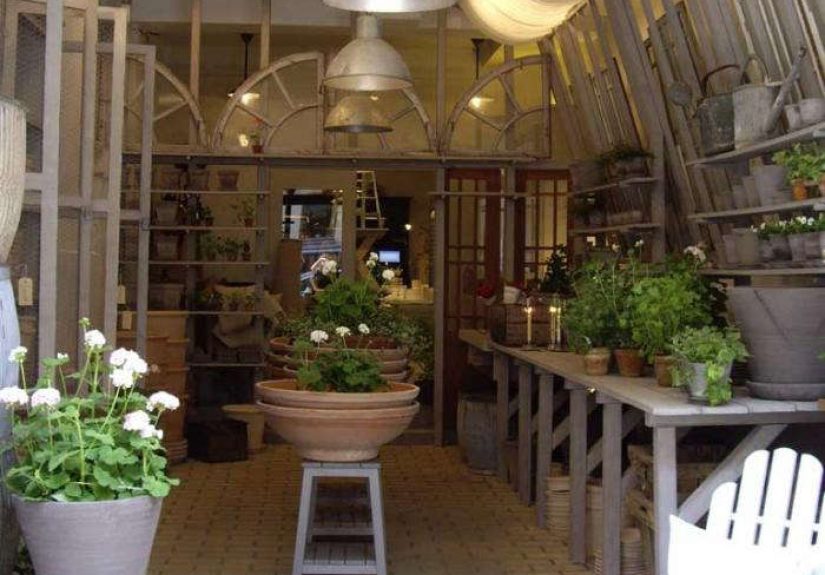
What makes the store memorable is the way it balances polish with warmth. Some design boutiques can feel like they were styled by a committee of very elegant robots. Garbo feels more human. You see furniture, lighting, accessories, textiles, and paint presented in a way that suggests real life is welcome here. Not messy life, perhaps. But certainly civilized life, candlelit life, life with good curtains.
A Stockholm Mood, Slightly Off the Main Tourist Path
Part of the charm is location. Garbo Interiors sits in Lidingö, within greater Stockholm, which gives it a destination quality. It is not the kind of place you stumble into while chasing cinnamon buns and accidentally buying six postcards. You go because you mean it. And that changes the mood of the visit. There is less frenzy, more looking. Less souvenir panic, more thoughtful imagining of where that chest, stool, pendant, or painted pot might live once it leaves Sweden and joins your domestic drama.
Older write-ups of Garbo captured it as the sort of place worth visiting even when you are not technically shopping, and that still feels right. The best interior stores understand that browsing is part education, part fantasy, part self-diagnosis. Why do I suddenly believe I need a Gustavian-style side table? Why am I emotionally attached to this muted gray-green paint? Why do Swedish interiors make my own living room seem like it lost a negotiation?
The answer, usually, is atmosphere. Garbo trades in atmosphere beautifully.
What You Notice First
1. The materials do the talking
At Garbo Interiors, luxury is not loud. It comes through raw materials, texture, finish, and restraint. Linen, wood, stone, metal, glass, aged patina, soft matte paint, and fabrics that make you want to reach out and commit the socially risky act of touching everything. Scandinavian design has always valued natural materials, and Garbo leans into that tradition without making it feel like a museum exercise in Nordic correctness.
This is one of the reasons the store feels so aligned with the broader appeal of Scandinavian interiors. The style is famous for simplicity, yes, but that simplicity is never supposed to be sterile. It is grounded in function, softened by texture, and warmed by natural elements. Garbo understands that instinctively. The result is a showroom that feels edited, not empty.
2. Color is controlled, not absent
People who hear the phrase “Scandinavian interior design” often imagine a blizzard of white walls and pale oak. That is part of the story, but only part. At Garbo, the palette feels more nuanced: chalky neutrals, dusty blues, earthy grays, muted greens, warm creams, and the sort of quietly dramatic dark accent that says, “I read design magazines but also know how to host dinner.”
The store’s inclusion of Farrow & Ball paint says plenty about its point of view. Paint here is not an afterthought. It is mood architecture. A room can be made calmer, richer, or more intimate simply by changing the tone on the walls. Garbo seems to understand that the smartest shoppers are not only buying objects; they are buying atmosphere by the gallon.
3. The styling is persuasive in the best possible way
Good showrooms sell products. Great showrooms sell relationships between products. A lamp next to an antique console. A mirror above a bench. A cluster of textiles that suddenly makes a neutral sofa look far more interesting than any neutral sofa has a right to look. Garbo excels at those combinations. It shows how old and new can share a room without one apologizing to the other.
That matters for real homes, because most people are not starting from scratch with a blank apartment and a mysterious trust fund. They are adding, editing, improving, rescuing. Garbo’s mix of antique, vintage, and newly produced pieces offers a template for that kind of layered decorating.
What to Shop for at Garbo Interiors
Furniture with presence
Start with the furniture, because that is where Garbo’s confidence becomes most obvious. The best pieces do not scream for attention; they hold it. Think seating that feels sculptural without being fussy, tables with proportion and poise, and storage pieces that do not merely contain your belongings but subtly improve your standards. If you are shopping for a hero piece, this is the category to take seriously.
Lighting that rescues a room
Stockholm design culture understands light with almost spiritual seriousness, and for obvious reasons. Long, dark winters have a way of turning lighting into a personality trait. At Garbo, lamps and fixtures are not decorative afterthoughts. They are part of the emotional infrastructure of a room. A well-placed lamp can make a space feel gentler, smarter, and more expensive. That is a strong return on investment for one object and a light bulb.
Textiles that add the softness
Textiles are where the store becomes dangerously effective. Cushions, fabrics, and custom curtains bring the softness that keeps Scandinavian rooms from feeling too severe. A room with clean lines still needs touchable elements. Otherwise it becomes a very stylish waiting room. Garbo seems to know exactly how to add softness without losing structure.
Accessories with restraint
The accessories here are not filler. They are the finishing notes: candlesticks, mirrors, vessels, decorative objects, and smaller pieces that create quiet tension in a room. You do not need twenty accessories. You need the right five. This is the kind of store that makes that principle feel obvious.
Why Garbo Feels So Deeply Scandinavian
To understand Garbo, it helps to understand why Scandinavian design still has such a hold on global taste. The style became beloved not just because it looks good in photos, but because it solves real problems. How do you make a room feel bright during dark months? How do you keep a small home uncluttered without making it cold? How do you combine practicality and beauty without drifting into either austerity or fussiness?
Garbo answers those questions the Swedish way: with clear lines, natural materials, useful furniture, and a strong belief that comfort and elegance should not be enemies. That is why the showroom does not feel trendy, even when individual pieces are current. It feels enduring. The guiding idea is that a home should be lived in, not performed at.
There is also something very Stockholm about the mix of sophistication and understatement. This city knows design, but it rarely begs for applause. Even its most stylish rooms tend to avoid obvious theatrics. Garbo shares that instinct. It has polish, but not vanity. Taste, but not snobbery. Ambition, but not chaos.
How to Shop Garbo Without Losing Your Mind or Your Budget
Buy one anchor, not twelve maybes
The smartest way to shop a place like Garbo is to choose one anchor piece: a mirror, lamp, chair, console, or textile that can change the mood of a room. Then stop. Step away from the seductive little objects. Have a coffee. Reassess. Beautiful stores can make you believe your life requires seventeen urgently elegant things. It usually does not.
Take photos of combinations
Even if you are not buying immediately, study the pairings. Which finishes are mixed? How does the store balance antique shapes with cleaner modern lines? Why does that pale paint work next to darker wood? Garbo is useful because it teaches visual proportion without acting like a lecture hall.
Think in layers
If you love the overall look, do not copy it object for object. Borrow the method instead. Start with a calm base, add a substantial piece of furniture, bring in texture through fabric, introduce light at several levels, and finish with a few objects that feel discovered rather than mass-collected. That is how rooms gain character without becoming cluttered.
Who Will Love Garbo Interiors Most
This store is for the person who likes design but does not want a home that feels too precious. It is for vintage hunters who also appreciate new craftsmanship. It is for people who think curtains deserve respect. It is for travelers who would rather bring back one meaningful object than a suitcase full of things that will end up in a drawer beside old chargers and emotional confusion.
It is also for the shopper who appreciates the subtle thrill of entering a place where everything has been chosen with intention. Garbo does not feel random. It feels considered. That is increasingly rare, and it is what makes a visit memorable long after you leave.
Extra Notes from the Shopper’s Diary
What lingers most about Garbo Interiors is not one single product but the sequence of impressions. First comes the exhale. You step in and immediately feel the tempo change. The outside world, with its emails, weather, transportation logistics, and tragically mediocre throw pillows, gets quieter. Inside, everything seems arranged to remind you that a home can be both beautiful and calm. Not perfect. Calm. That distinction matters.
Then comes the slow noticing. A painted cabinet with just enough age to feel soulful. A lamp that looks modern until you realize it would also make perfect sense in a room filled with antiques. A curtain fabric that seems almost modest from far away and then reveals depth up close. This is the special pleasure of a good interiors showroom: it rewards attention. Nothing needs to shout because the room has already decided it is interesting.
You also begin to notice how persuasive a fully imagined environment can be. Maybe you came in thinking you needed a side table. Ten minutes later, you are reconsidering your attitude toward wall color, your lighting plan, and whether your dining chairs deserve retirement. Garbo does not create that feeling through excess. It creates it through coherence. Every object appears to belong to a larger conversation about how rooms work, how people move through them, and how comfort can look refined instead of sloppy.
There is, too, a distinctly human warmth in that experience. In many design-focused shops, the atmosphere can feel intimidating, as though one wrong question might expose you as a person who once bought a synthetic blanket on sale and called it “good enough.” Garbo’s mood feels more generous. It invites curiosity. It suggests that improving a home is not about passing a taste exam; it is about learning what materials, shapes, and moods make everyday life feel better.
And that is why a visit here stays with you. Not because you necessarily leave with the largest purchase, but because you leave with sharper eyes. You start noticing balance, texture, light, and proportion everywhere afterward. You look at your entry table and realize it needs breathing room. You look at your living room lamp and understand, at last, that it has been emotionally unhelpful. You realize that the best design stores do not simply sell you objects. They recalibrate your standards, politely but permanently.
In that sense, Garbo Interiors is more than a shopping stop in the Stockholm orbit. It is a reminder that good interiors are built from feeling as much as from furniture. The best rooms are not the loudest ones. They are the ones that make you want to stay a little longer, read one more chapter, pour another coffee, invite a friend over, light the candle, and enjoy the improbable miracle of a space that finally feels like itself.
Conclusion
Garbo Interiors captures what people hope to find in Stockholm design shopping but do not always manage to articulate: elegance without stiffness, simplicity without boredom, and luxury that lives in texture, craftsmanship, and atmosphere rather than glitter. It is a place for thoughtful shoppers, curious decorators, and anyone who believes a home should feel collected rather than copied. Visit for the furniture, stay for the mood, and leave with the sneaking suspicion that your house deserves better lighting.