Table of Contents >> Show >> Hide
- Bamboo Toilet Paper 101: What You’re Really Buying
- The Sustainability Scoreboard: Bamboo vs. Recycled vs. Regular TP
- The Plot Twist: Bamboo Isn’t Automatically Low-Carbon
- Chemicals, Bleaching, and the “Do I Want This on My Butt?” Question
- Performance: Softness, Strength, Lint, and Plumbing Peace
- Greenwashing Watch: What to Look For Before You Buy
- Cost: Is Bamboo Toilet Paper Worth the Money?
- So… Should You Convert? A Practical Decision Guide
- How to Switch Without Starting a Bathroom Civil War
- FAQ: Bamboo Toilet Paper Questions People Whisper-Search at 2 a.m.
- Conclusion: The Most Honest Answer
- Field Notes: of Real-Life “Should I Switch?” Experience
Let’s talk about something we all use but almost nobody wants to make eye contact with in conversation:
toilet paper. Specifically: bamboo toilet paperthe “tree-free toilet paper” that shows up on your
doorstep in a box that feels oddly proud of itself.
If you’ve ever stared at a fluffy, bright-white roll and wondered, “Wait… what forest died for this?”
you’re not alone. A wave of eco-friendly toilet paper brands now promise a cleaner conscience:
fewer trees, less plastic packaging, fewer harsh chemicals, and sometimes a subscription plan that makes you feel
like you joined a very wholesome bathroom cult (in a good way).
But should you actually switch? The honest answer is: sometimes yesand sometimes the greener move
is something else entirely (hello, recycled tissue… and yes, bidets are sitting smugly in the corner).
Let’s break it down with real-world tradeoffs, a bit of humor, and zero judgment about your Charmin loyalty.
Bamboo Toilet Paper 101: What You’re Really Buying
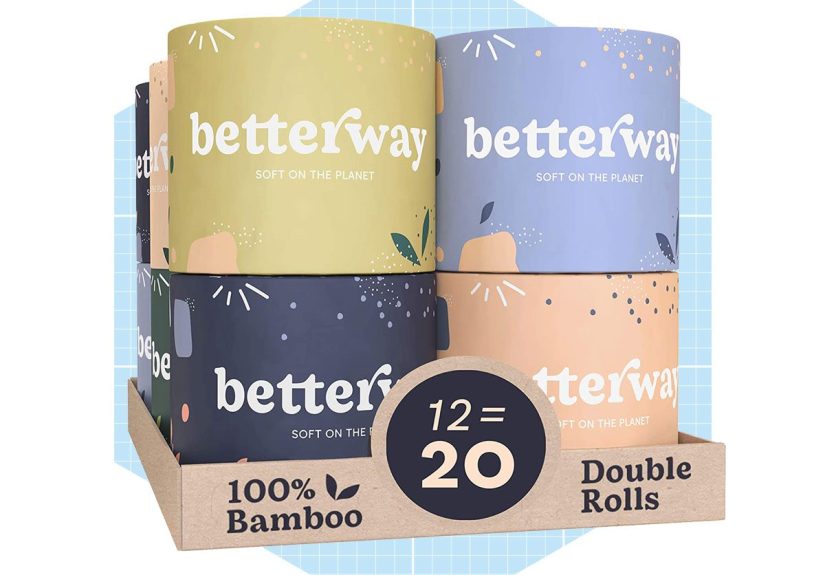
Bamboo toilet paper is typically made from bamboo pulpbamboo being a fast-growing grass that regrows from its roots.
That’s why it’s marketed as a renewable alternative to virgin forest fiber toilet paper (the classic
“cut down trees, make soft roll, flush regrets” model).
Many bamboo brands also lean into a few popular promises:
- Tree-free fiber (no wood pulp)
- Plastic-free toilet paper packaging (paper-wrapped rolls, cardboard shipping)
- Chlorine-free or low-bleach processing (often “unbleached” or “TCF/PCF” style claims)
- FSC-certified sourcing (or similar responsible fiber standards)
Sounds greatuntil you realize sustainability is rarely a single yes/no question. It’s more like a group project
where transportation, energy grids, forestry practices, and chemistry all show up with opinions.
The Sustainability Scoreboard: Bamboo vs. Recycled vs. Regular TP
If you want the simplest possible ranking, environmental groups that track tissue products often land here:
post-consumer recycled is usually the top pick, bamboo is often a solid “better than virgin trees”
option, and conventional virgin-fiber toilet paper tends to be the worst performer.
Why virgin-fiber toilet paper is the problem child
Virgin-fiber tissue can be linked to logging in climate-critical forests and intensive manufacturing. In plain English:
it’s a lot of effort, energy, and land use for a product you use for seconds.
It’s also worth remembering how much toilet paper the U.S. goes through. Americans are major tissue consumers,
which is why small changes in buying habits can scale into big impacts.
Where bamboo fits in
Bamboo can reduce pressure on forests because it’s not wood pulp. Some sustainability scorecards note that bamboo
can have lower land-use and climate impacts than forest fiber, but still a larger footprint than recycled fiber.
Translation: bamboo can be a meaningful upgrade from conventional TP, but it’s not always the “greenest possible.”
Where recycled toilet paper often wins
Recycled toilet paperespecially post-consumer recycled contentuses existing fiber rather than demanding new pulp.
Some evaluations highlight large reductions in emissions and water compared with forest-fiber tissue.
If your main goal is pure environmental efficiency, recycled is hard to beat.
The Plot Twist: Bamboo Isn’t Automatically Low-Carbon
Here’s the part that surprises people: bamboo’s sustainability depends heavily on
how and where it’s produced.
Recent life-cycle research has suggested that bamboo tissue made in regions powered by coal-heavy electricity can lose
a chunk of its climate advantage. In some comparisons, bamboo tissue produced in China showed higher climate impacts
than U.S. tissue made from wood-based fiberslargely because of differences in the electricity grid and industrial energy mix.
The takeaway isn’t “bamboo is bad.” It’s “energy matters more than marketing.”
So if you’re buying bamboo toilet paper that’s shipped long distances and made with high-emissions electricity,
the climate math can get… less adorable.
Chemicals, Bleaching, and the “Do I Want This on My Butt?” Question
Toilet paper chemistry is not dinner-party material, but it does matter. Traditional tissue often uses bleaching to get that
bright white look. Historically, elemental chlorine bleaching in pulp processing raised serious concerns because it can create
highly toxic byproducts (including certain dioxins and furans). Modern mills often use different bleaching approaches, and many
“eco” brands market themselves as chlorine-free toilet paper or unbleached.
If you have sensitive skinor you simply prefer fewer chemical steps in productionlook for terms like:
unbleached, TCF (totally chlorine-free), PCF (processed chlorine-free),
or clear statements about avoiding chlorine-based bleaching.
One practical note: unbleached rolls are often beige or light brown. That’s not “dirty.” That’s “the roll didn’t audition for a toothpaste commercial.”
Performance: Softness, Strength, Lint, and Plumbing Peace
Sustainability doesn’t matter if your household stages a revolt after week one. Here’s what most people notice when switching:
1) Bamboo often feels closer to “regular” softness than many recycled rolls
Recycled TP has improved a lot, but some people still find it rougher or dustier (aka linty). Bamboo brands often aim for that
plush mainstream feel, which makes the transition easier for picky bottomssorry, picky people.
2) Ply count and sheet count can be sneaky
Some bamboo rolls are 3-ply and thick, which can feel luxurious but may encourage using more fiber per wipe.
Compare price per sheet (or per square foot) rather than price per roll. The “mega roll” arms race is real.
3) “Septic-safe” is helpfulbut not magic
Most toilet paper is designed to break down, but thickness matters. If you have older plumbing, a septic system, or a household that
treats the toilet like a portal to another dimension, choose rolls that balance strength with dissolvability.
A simple at-home reality check: put a few squares in a jar of water, shake it, and see how quickly it breaks apart.
It’s not a lab testbut it’s more informative than arguing in the aisle while holding two competing rolls like you’re in a boxing weigh-in.
Greenwashing Watch: What to Look For Before You Buy
The eco market is full of good intentionsand occasional nonsense. If you’re switching to sustainable toilet paper,
use this short checklist to avoid paying extra for vibes.
Certifications that actually help
- FSC certification (Forest Stewardship Council): helps indicate more responsible fiber sourcing and rules around avoiding conversion of natural forests.
- Credible ecolabel standards (like Green Seal standards for sanitary paper products): can include requirements around fiber sourcing and packaging.
Packaging: the underrated sustainability flex
A lot of bamboo brands win points because they ship in cardboard and wrap rolls in paper instead of plastic.
If your goal is plastic-free toilet paper, this is where bamboo subscriptions often shine.
But still check: some brands use a thin plastic film on the box or mixed-material tape. “Plastic-free” should mean more than “we used less plastic than a swimming pool.”
Be cautious with “100% bamboo” claims
Consumer testing and certification bodies have flagged cases where products marketed as bamboo contained other fibers.
This doesn’t mean most brands lieit means you should prefer transparent sourcing and third-party verification when possible.
Cost: Is Bamboo Toilet Paper Worth the Money?
Bamboo toilet paper usually costs more than the cheapest big-box options. But the comparison gets messy because:
- Some bamboo rolls have more sheets per roll.
- Subscription discounts can lower the per-sheet cost.
- Plastic-free packaging can be a value-add if you’re avoiding waste.
- Some households use fewer sheets if the paper is stronger (results vary by… enthusiasm).
If you want to decide like a responsible adult (no promises), compare these:
price per sheet, ship frequency, packaging materials,
and whether the product is FSC-certified or clearly labeled as recycled/PCF/TCF/unbleached.
So… Should You Convert? A Practical Decision Guide
You should seriously consider bamboo toilet paper if:
- You want tree-free toilet paper and can’t stand the feel of recycled rolls.
- You’re aiming for plastic-free bathroom staples and like paper-wrapped rolls.
- You value third-party sourcing standards (like FSC) and transparent materials.
- You want an “easy switch” that doesn’t require installing anything.
You might want to choose recycled toilet paper instead if:
- Your main priority is the lowest overall environmental footprint (especially with post-consumer recycled content).
- You prefer buying locally available products with minimal shipping miles.
- You’re okay with slightly different texture in exchange for strong sustainability performance.
You might want to go hybrid (TP + bidet) if:
- You want to reduce toilet paper use dramatically without giving up TP entirely.
- Your household burns through rolls like it’s an Olympic sport.
- You want the “best of both worlds” approach: rinse, then use a small amount to dry.
How to Switch Without Starting a Bathroom Civil War
- Start with one bathroom. Let the household “test-drive” it.
- Pick a mid-softness option. Not the thinnest, not the ultra-thick quilted cloud.
- Look for clear claims. FSC-certified, chlorine-free/unbleached, plastic-free packaging.
- Watch usage. If the new roll encourages using twice as much, your footprint math changes.
- Adjust expectations. The first week is about habit. The second week is about acceptance. The third week is when nobody remembers the old roll.
FAQ: Bamboo Toilet Paper Questions People Whisper-Search at 2 a.m.
Is bamboo toilet paper actually better for the environment?
Often, yesespecially compared to virgin forest fiber toilet paper. But recycled toilet paper can outperform bamboo in many sustainability assessments.
Manufacturing energy sources and transport distances can also change the picture.
Is bamboo toilet paper safe for septic tanks?
Many bamboo brands are designed to be septic-safe, but thickness varies. If you have sensitive plumbing, avoid ultra-thick rolls and consider the jar test.
Does bamboo toilet paper contain chemicals?
All paper products involve processing, but many bamboo brands reduce or avoid chlorine-based bleaching. If you want fewer chemical steps, choose unbleached or clearly labeled chlorine-free options.
What certifications matter most?
FSC for responsible sourcing is a strong signal, and credible ecolabel standards can add guardrails around fiber and packaging claims.
Conclusion: The Most Honest Answer
If you’re switching from conventional virgin-fiber toilet paper to bamboo, you’re usually making a meaningful improvement
especially if you choose a brand with transparent sourcing, responsible certifications, and minimal plastic packaging.
But if you want the greenest “default” choice, post-consumer recycled toilet paper frequently comes out on top.
In other words: bamboo toilet paper is a good move for many householdsparticularly those who want a softer, tree-free alternative
but it’s not a magic leaf that automatically cancels your carbon footprint. The best roll is the one that’s sustainable and actually gets used happily in your home.
(Because the most eco-friendly toilet paper is the one your family doesn’t boycott.)
Field Notes: of Real-Life “Should I Switch?” Experience
I once believed toilet paper was basically a commodity. A roll is a roll. Then a bamboo subscription box arrived and my bathroom
quietly turned into a product testing lab run by people who refuse to read the instructions.
Week one was the “texture summit.” One person announced the bamboo roll felt “normal,” which is high praise in toilet paper language.
Another declared it “too smooth,” which I didn’t realize was a complaint you could file against paper, but here we are. The recycled roll
we tried later got called “honest” and “a little crunchy,” like it was artisanal granola for your butt.
The unexpected winner of week one wasn’t softnessit was packaging. Nobody in my household is a hardcore minimalist,
but even the most indifferent among us liked that the rolls were wrapped in paper instead of plastic. It felt like we removed one small
daily annoyance from life: no slippery plastic sleeve, no shredded wrap stuffed into the trash, no “why is this still not recyclable in my city”
rant. Just cardboard and paper, like the shipping box was politely nodding at our best intentions.
Week two was the “usage reality check.” The bamboo roll was strong, which is greatunless it’s so plush that people unconsciously use more.
This is the part nobody wants to admit, but sheet count is a behavioral science experiment. Give someone a thick, luxurious roll and they’ll
treat it like unlimited vacation days. Give them a thinner roll and suddenly everyone becomes an efficiency expert. We ended up choosing a
middle-ground bamboo optionnot the thickest 3-ply cloud, not the thin “camping emergency” versionbecause it kept comfort high without
triggering the “I deserve eight squares” mindset.
Week three was plumbing paranoia. Nobody had actual problems, but switching anything in a bathroom makes people superstitious.
So we did the jar test: water, a few squares, shake like a maraca, observe. The bamboo paper broke down reasonably wellbetter than one ultra-quilted
conventional roll we tested that clumped like it was forming a tiny paper union. Was it scientific? Absolutely not. Was it reassuring? Weirdly, yes.
By week four, the household stopped discussing toilet paper entirely, which is the true sign of success. The bamboo rolls became “the normal rolls.”
And that’s the most realistic reason to convert: not because bamboo is perfect, but because it can be a no-drama upgrade from conventional TP.
If you can make a sustainable swap that doesn’t require daily sacrificeor a family meetingyou’re more likely to stick with it. And in the grand,
glamorous world of bathroom sustainability, consistency beats perfection every time.