Table of Contents >> Show >> Hide
- What “overwintering” camellias really means
- Should you overwinter your camellias this fall?
- What to do now for bigger blooms
- 1. Water deeply, but do not drown the roots
- 2. Refresh mulch before cold weather settles in
- 3. Do not push new growth with the wrong fertilizer timing
- 4. Skip fall pruning unless something is broken, dead, or dragging on the ground
- 5. Protect buds from wind and sudden cold
- 6. Inspect for pests before they become a winter surprise
- 7. Keep the plant clean if flower blight has been an issue
- 8. Disbud if your goal is fewer, larger flowers
- What not to do this fall
- A simple fall camellia care checklist
- The bottom line
- Practical experiences gardeners often have with camellias in fall and winter
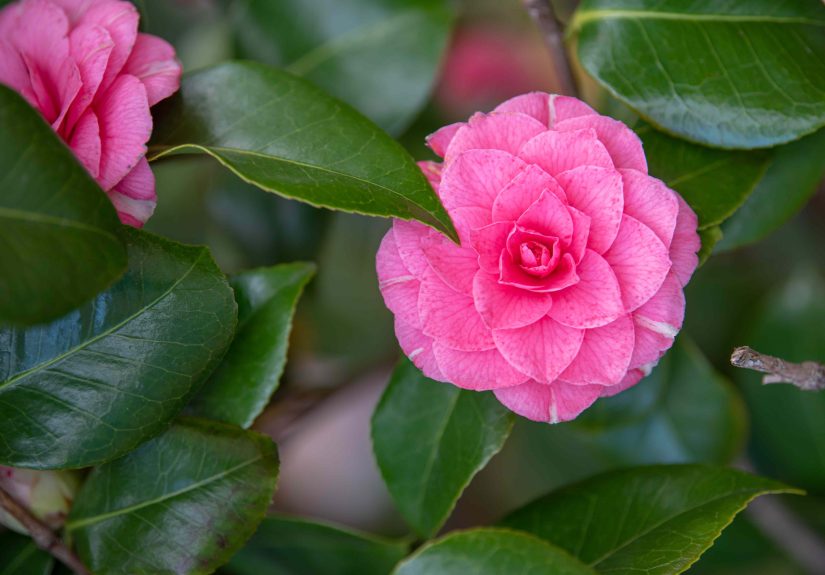
Camellias are the kind of shrubs that make other plants look like they are not trying very hard. When the rest of the yard is yawning its way into winter, camellias show up glossy, evergreen, and ready to throw flowers like confetti. That is exactly why fall care matters so much. If you want bigger blooms, healthier buds, and fewer cold-weather surprises, autumn is not the time to ignore your camellias and hope for the best. It is the season to set them up for success.
So, should you overwinter your camellias this fall? Yesbut probably not in the dramatic, drag-the-whole-shrub-into-the-garage way you might imagine. For most in-ground camellias, overwintering is really about smart preparation: protecting roots, preserving flower buds, avoiding bad timing with pruning and fertilizer, and reducing stress before cold weather arrives. For potted camellias or plants growing near the edge of their hardiness range, you may need extra protection. Either way, what you do now has a direct effect on how impressive your blooms look later.
What “overwintering” camellias really means
Overwintering sounds fancy, but for camellias it usually means helping them survive cold weather without losing buds, leaves, or bloom quality. Camellias are evergreen shrubs, and many varieties are perfectly capable of staying outdoors through winter in the right climate. The real issue is not whether they can technically survive cold weather. The issue is whether they can make it through fall and winter without getting stressed enough to drop buds, scorch leaves, or bloom poorly.
That is why the best fall care plan starts with one honest question: Is your camellia in the ground and well established, or is it in a pot and more exposed?
In-ground camellias
If your camellia is planted in the landscape, has been there for a while, and is growing in the right spot, you usually do not need extreme winter protection. You do need to help it head into winter with stable moisture, a good mulch layer, and protection from drying wind. Buds and blooms are often more vulnerable than the plant itself, so even hardy camellias can look rough after a cold snap if they are exposed to harsh weather.
Potted camellias
Container camellias are a different story. Roots in pots get colder faster than roots in the ground, and that makes potted plants more vulnerable to freezing damage. If your camellia lives in a container, fall is the time to decide whether it needs a more sheltered location, insulation around the pot, or a protected overwintering space with bright light and cool temperatures. In other words, the pot is the drama queen here, not the plant.
Should you overwinter your camellias this fall?
Yes, but match the effort to the situation. If you garden in a mild climate and your camellia is mature, in the ground, and planted in a protected site, overwintering may be as simple as mulching, watering properly, and keeping your pruners holstered. If you grow camellias in containers, if your shrub is newly planted, or if you live where freezing winds and sudden temperature swings are common, you should be more proactive.
A good rule of thumb is this: the farther your conditions are from a camellia’s comfort zone, the more intentional your fall care needs to be. Camellias like acidic, organically rich, well-drained soil, consistent moisture, bright but filtered light, and some protection from wind. Give them that, and they reward you. Skip it, and they become moody in a very expensive-looking way.
What to do now for bigger blooms
If your goal is not just survival but bigger camellia blooms, fall care gets even more strategic. Here is where to focus.
1. Water deeply, but do not drown the roots
Camellias need consistent moisture going into bloom season. Drought stress is one of the easiest ways to end up with bud drop, undersized flowers, or blooms that never open properly. This is especially important in fall, when many gardeners assume cooler weather means watering no longer matters. It still matters. A lot.
The soil should stay evenly moist, not soggy. Camellias have shallow roots and hate sitting in waterlogged ground. If the soil stays wet for long periods, roots can decline, and once roots are unhappy, the whole shrub starts sending complaints. Water slowly and deeply at the base of the plant, then let the top layer of soil dry slightly before watering again.
For blooming camellias, steady moisture is often the difference between flowers that open beautifully and buds that abort at the last minute like they forgot their lines.
2. Refresh mulch before cold weather settles in
Mulch is one of the easiest upgrades you can give a camellia in fall. A two- to three-inch layer of organic mulch helps regulate soil temperature, conserve moisture, and protect the root zone from winter swings. Pine straw, leaf mold, shredded bark, or other acidic-friendly organic mulch all work well.
Think of mulch as a comforter for the roots. It will not solve every problem, but it smooths out temperature fluctuations and helps the plant stay hydrated during dry spells. Just keep mulch away from direct contact with the trunk. Camellias want cozy roots, not a soggy turtleneck.
3. Do not push new growth with the wrong fertilizer timing
One of the most common camellia mistakes is feeding too late with too much nitrogen. That can stimulate tender new growth right when the plant should be settling down for cooler weather. Fresh, soft growth heading into cold weather is like sending a teenager outside in a T-shirt during a sleet storm. It is optimistic, but not wise.
If you have not fertilized yet, do not automatically reach for a high-nitrogen product in fall. In many regions, the safer move is to stop heavy feeding by late summer or early fall and avoid stimulating lush new growth. Let the plant focus on holding buds and hardening off instead. If your soil truly needs nutrients, follow a soil test or local extension guidance and keep the approach conservative.
4. Skip fall pruning unless something is broken, dead, or dragging on the ground
If you prune camellias heavily in fall, you may be cutting off the very flower buds you have been waiting for. That is a special kind of gardening heartbreak. Camellias generally should be pruned after flowering, not in autumn, because the buds for the next bloom cycle are already present or forming.
Fall is fine for light cleanup. Remove dead wood, damaged branches, or limbs rubbing against each other. If a branch is touching the ground and inviting pests or disease splash-up, clean that up too. But save major reshaping for after bloom season. Right now, the smartest pruning choice is restraint.
5. Protect buds from wind and sudden cold
Cold alone is not always the villain. Wind is often the accomplice. Dry winter winds can scorch foliage, dehydrate buds, and make a camellia look like it had a rough weekend. Camellias are happiest in sheltered sites with filtered light and some buffer from northwest or prevailing winter winds.
If your shrub is exposed, fall is the time to improve protection. That might mean setting up a burlap screen, moving a container to a more sheltered location, or simply recognizing that the south side of a house, the lee of a fence, or the protection of taller trees creates a much better microclimate. New plants and container plants especially benefit from that extra shielding.
6. Inspect for pests before they become a winter surprise
Healthy leaves fuel good blooms, so fall is a good time to inspect your camellia closely. Tea scale is one of the most important pests to watch for. If leaves look yellow-speckled on top and fuzzy or crusty underneath, do not shrug and call it “seasonal character.” Turn the leaves over and investigate.
Scale infestations weaken plants, reduce vigor, and can lead to fewer or smaller flowers. If you find a problem, deal with it early using appropriate horticultural oil or other labeled controls, and follow the timing directions carefully. Good air circulation and avoiding an overcrowded interior canopy can also help.
7. Keep the plant clean if flower blight has been an issue
Camellia flowers are gorgeous, but once they fall and turn brown, they can become part of the disease cycle. If flower blight has ever shown up in your yard, sanitation matters. Pick up and remove spent blooms and fallen debris from beneath the plant. This is not glamorous garden work, but neither is a shrub full of mushy brown flowers next season.
Clean ground under the plant, fresh mulch, and good airflow can make a real difference. Sometimes better blooms begin with a rake and a little stubbornness.
8. Disbud if your goal is fewer, larger flowers
Now we get to the part that speaks directly to the “bigger blooms” crowd. If your camellia sets multiple buds in a cluster and your dream is one spectacular flower rather than a crowd of decent ones, disbudding can help. This simply means removing extra buds and leaving one strong bud per tip or cluster.
It feels a little rude the first time you do it, like you are breaking up a party before the music starts. But the logic is simple: fewer buds mean less competition for the plant’s resources, so the remaining blooms can become larger and often more refined in form. This is a classic technique for exhibition-quality flowers, and it works especially well on varieties known for large formal blooms.
That said, if you love a shrub covered in masses of flowers, skip the disbudding and let the plant put on its full seasonal show. Bigger blooms are lovely, but so is abundance. This is one of those rare gardening choices where both answers can be correct.
What not to do this fall
- Do not shear or heavily prune a camellia in fall unless you are willing to sacrifice blooms.
- Do not let the root zone swing from bone dry to swampy.
- Do not pile mulch against the trunk.
- Do not encourage late tender growth with heavy nitrogen feeding.
- Do not assume a potted camellia is as protected as one planted in the ground.
- Do not ignore yellowed leaves without checking for scale on the undersides.
A simple fall camellia care checklist
- Check soil moisture and water deeply during dry stretches.
- Refresh organic mulch around the root zone.
- Inspect leaves for tea scale and other pests.
- Remove dead, damaged, or ground-touching branches only.
- Do not do major pruning until after flowering.
- Move containers to a protected site if winter exposure is severe.
- Consider disbudding if you want larger, showier blooms.
- Keep fallen flowers and debris cleaned up.
The bottom line
If you are wondering whether you should overwinter your camellias this fall, the answer is yesbut in most cases that means preparing them, not pampering them into a full indoor relocation program. Bigger blooms come from reducing stress before winter, not from last-minute heroics after a freeze warning shows up on your phone.
Give your camellias what they want now: even moisture, root insulation, no reckless fall pruning, no overfeeding, protection from harsh wind, and a close eye on pests. If you want larger flowers, disbud selectively and let the plant concentrate its energy. Do those things, and your camellias will head into the cool season with a lot more confidenceand a much better chance of producing the kind of blooms that make neighbors slow down when they walk by.
Practical experiences gardeners often have with camellias in fall and winter
One of the most common real-life experiences with camellias is that gardeners often think the plant is tougher than the buds. That is partly true. A mature shrub may come through winter just fine, but the flower buds can still suffer from wind, freeze-thaw swings, or dry soil. People will say, “My camellia lived, but it barely bloomed.” That usually points back to fall care. The shrub survived, sure, but survival and performance are not the same thing. Camellias are very good at teaching that lesson.
Another experience many gardeners report is confusion about pruning. Someone sees a camellia getting leggy in October, grabs the clippers, tidies it up, and then wonders why winter flowers are suddenly missing. Camellias are not being difficult here; they are just working on a different schedule than many other shrubs. Once you learn that bloom buds are already present, the whole plant makes more sense. After that, fall pruning starts to feel less like maintenance and more like accidental sabotage.
Container growers often discover the hard way that roots in pots are vulnerable long before the leaves look distressed. A camellia in a handsome ceramic container may look perfectly fine on a mild November afternoon, but one hard freeze can chill the root ball far faster than gardeners expect. That is why experienced camellia growers often move pots near a wall, tuck them out of wind, or protect the container itself. It is not overreacting. It is recognizing that a potted root system lives a riskier life.
There is also the classic bud-drop mystery. Gardeners wait all year, buds form nicely, and then several fall off before opening. The first instinct is often to blame cold weather alone, but uneven watering is frequently part of the story. A camellia that goes too dry in the bud stage may hold a grudge in the form of dropped buds or poor bloom quality. Once gardeners start paying attention to steady moisture in fall, they often notice a major improvement the next season.
Then there is the joy of disbudding, which sounds cruel until the flowers open. Many gardeners are skeptical the first time they remove extra buds. It feels wrong to pull off potential flowers. But when the remaining bloom opens larger, cleaner, and more dramatic, the logic becomes obvious. Not everyone wants that effect, of course. Some gardeners prefer the full cloud-of-blooms look, and that is a perfectly good choice. Camellias are generous enough to satisfy both the maximalists and the perfectionists.
Experienced growers also tend to become obsessive about site selection. They learn that a camellia planted in open exposure may technically survive, while the same cultivar planted near filtered shade and wind protection looks like a superstar. Microclimates matter. A few feet can change everything. One side of a house may produce spotless foliage and beautiful buds, while the exposed corner near a driveway creates leaf scorch and winter stress. This is why seasoned gardeners sound like real estate agents when discussing camellias: location, location, location.
Finally, people who grow camellias for years usually become a little protective of them. Not because they are impossible plants, but because they reward observation. Once you notice how mulch helps, how pests hide under leaves, how buds react to drought, and how bloom timing varies by type, the shrub stops being a generic evergreen and starts feeling like a plant with personality. That is when camellia care gets easier. You stop guessing, start reading the plant, and realize bigger blooms are rarely an accident. They are usually the result of a few smart decisions made in fall, right when the garden looks quiet and most people are paying attention to something else.