Table of Contents >> Show >> Hide
- What psoriasis looks like (the “headline” symptom)
- Psoriasis symptoms can change by type
- How psoriasis can look different on different skin tones
- Symptoms beyond the skin
- Flare patterns: when symptoms tend to show up (and why)
- Psoriasis vs. look-alikes: clues that matter
- When to see a doctor (and when to go urgently)
- How to track symptoms like a pro (without turning life into homework)
- Key takeaways
- Experiences People Commonly Report (Real-Life Patterns and “First Clues”)
Psoriasis is the kind of condition that can make you feel like your skin is hosting a surprise party you did not RSVP tocomplete with
extra “confetti” (scale), unexpected redness, and an itch that shows up precisely when you’re trying to act normal in public.
It’s common, it’s not contagious, and it can look very different from one person to the next. The goal of this guide is simple:
help you recognize the most common signs and symptoms of psoriasis (including the less obvious ones), understand how they vary by type and body area,
and know when it’s time to call in a dermatologist.
What psoriasis looks like (the “headline” symptom)
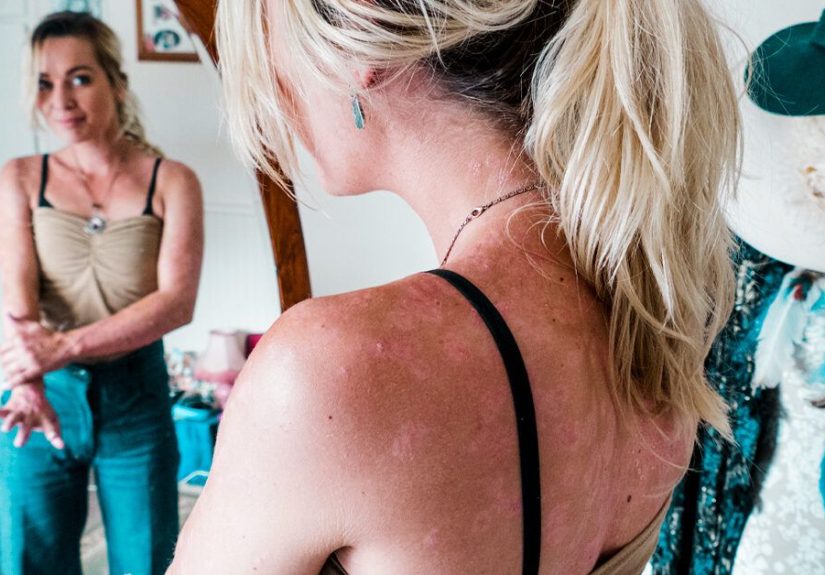
The classic sign of psoriasis is a patch of skin that’s raised, thickened, and well-defined, often topped with
white or silvery scale. These patches are called plaques. Depending on your skin tone, plaques may appear
pink or red, or they can look more purple, gray, or dark brown. The surface may look dry, flaky, or “stacked,” because psoriasis speeds up how fast
skin cells build up on the surface.
Common plaque locations
Plaques can show up almost anywhere, but many people first notice them on the elbows, knees,
lower back, and scalp. You might also see them along the hairline, behind the ears, or in the belly button area.
Some plaques stay small and scattered; others merge into larger patches.
What plaques feel like
- Itching (mild to “I would like to borrow a bear’s claws, please”)
- Burning or stinging, especially during a flare
- Soreness or tenderness when clothing rubs the area
- Cracking that may bleed, particularly in dry weather or on hands/feet
Psoriasis symptoms can change by type
“Psoriasis” isn’t just one look. There are several types, and the signs depend on where inflammation shows up and how intensely your immune system is
stepping on the gas pedal. Here’s how the main types typically appear.
Plaque psoriasis (most common)
This is the version most people picture: thick, raised plaques with scale, often in a fairly symmetrical pattern (for example, both elbows or both knees).
Plaques may wax and waneimproving for a while, then flaring again.
Guttate psoriasis (small “drop-like” spots)
Guttate psoriasis often appears as many small, round or teardrop-shaped spots across the trunk and limbs. A classic real-world example:
a child or teen gets a sore throat (sometimes strep), feels better, and a few weeks later… surprise confetti rash. Not every case follows that script,
but it’s common enough that doctors ask about recent infections.
Inverse psoriasis (skin folds)
Inverse psoriasis shows up in skin foldsthink armpits, groin, under breasts, between buttocks. Instead of thick scale, it often looks
smooth, shiny, and red (or darker and glossy on deeper skin tones) because moisture and friction keep scale from piling up.
It can sting, burn, and feel “raw,” and it’s frequently mistaken for a fungal rash.
Scalp psoriasis
Scalp psoriasis can look like stubborn dandruffbut it tends to be thicker, more well-defined, and may extend past the
hairline. You might notice a buildup of scale, itching, soreness, or flakes on your shoulders that are not invited to the outfit.
Nail psoriasis (a clue hiding in plain sight)
Nails can be involved even when the skin symptoms are mild. Common signs include:
- Pitting (tiny dents like a mini golf course)
- Thickening or roughness
- Discoloration (yellow-brown or “oil drop” staining under the nail)
- Onycholysis (the nail lifting away from the nail bed)
- Crumbling or ridging
Nail changes are important because they can affect daily life (typing, sports, shoes) and may also be associated with a higher chance of joint symptoms.
Pustular psoriasis (pus-filled bumps)
This type causes pustuleswhite bumps filled with non-infectious puson red, inflamed skin. It can be localized (like palms/soles) or
more widespread. Because pustular flares can come with feeling unwell, fever, or significant discomfort, it’s worth getting evaluated promptly.
Erythrodermic psoriasis (medical urgency)
Erythrodermic psoriasis is rare but serious. It can cause widespread redness and peeling over large portions of the body and may be
accompanied by intense itching, burning, or systemic symptoms. This can be dangerous and needs urgent medical attention.
How psoriasis can look different on different skin tones
Psoriasis plaques don’t read the same color chart on every person. On lighter skin, plaques often look pink or red with silvery scale. On medium to deep
skin tones, plaques may look violet, gray, or dark brown and can sometimes appear thicker. After a flare improves, some people notice
temporary areas of lighter or darker pigmentation where the plaques wereespecially on brown or Black skin.
If you’ve been told “it’s just eczema” for months and the treatment isn’t working, that’s a good reason to request a dermatology evaluation. Conditions
can overlap, but psoriasis has distinctive patterns and clues a specialist can spot.
Symptoms beyond the skin
Psoriasis is an inflammatory condition, and inflammation doesn’t always stay politely confined to the skin. Some people experience symptoms that feel more
“whole-body,” especially during flares.
Psoriatic arthritis warning signs
A portion of people with psoriasis develop psoriatic arthritis (PsA), which affects joints and the places tendons and ligaments attach to
bone. Skin symptoms often come first, but not always.
- Joint pain, stiffness, or swelling (often worse in the morning)
- Sausage-like swelling of an entire finger or toe (dactylitis)
- Heel pain or pain where tendons attach (enthesitis)
- Lower back or buttock pain that feels inflammatory (improves with movement)
- Nail changes (pitting, lifting) alongside joint symptoms
If you suspect PsA, don’t “tough it out.” Early treatment can help prevent long-term joint damage.
Sleep and quality-of-life symptoms
Itch and discomfort can interrupt sleep. And when your skin is flaring, stress can risewhich can be frustrating because stress is also a common flare
trigger. (Yes, it’s rude. No, your immune system will not accept a formal complaint.)
Flare patterns: when symptoms tend to show up (and why)
Psoriasis often runs in cycles: flares for weeks to months, then periods of improvement. Many people notice patterns tied to triggers such as:
- Skin injury (scratches, sunburn, friction, tattoos) causing new plaques where trauma occurred (Koebner phenomenon)
- Infections (including strep throat in guttate psoriasis)
- Stress and poor sleep
- Cold, dry weather and low humidity
- Some medications (your clinician can review your list for common culprits)
Not everyone has obvious triggers, and you can do “everything right” and still flare. But learning your patterns can help you act earlywhen a flare is
still small instead of starring in its own miniseries.
Psoriasis vs. look-alikes: clues that matter
Several conditions can resemble psoriasis, especially early on. Here are practical clues clinicians consider:
- Eczema often has less sharply defined edges and may ooze more; psoriasis tends to be thicker with scale and crisp borders.
- Seborrheic dermatitis commonly affects scalp/face with greasy scale; scalp psoriasis is usually thicker and extends beyond the hairline.
- Fungal rashes in folds can mimic inverse psoriasis; testing may be needed because treatments differ.
A dermatologist can often diagnose psoriasis by appearance and distribution. Sometimes a skin biopsy is done if the diagnosis is unclear.
When to see a doctor (and when to go urgently)
It’s a good idea to seek medical advice if you have a persistent rash that’s thick, scaly, itchy, painful, or spreadingespecially if over-the-counter
products aren’t helping after a couple of weeks. You should also get evaluated if symptoms are affecting sleep, school, work, sports, or confidence.
Seek urgent care if you notice:
- Widespread redness and peeling (possible erythrodermic psoriasis)
- Pus-filled bumps with feeling sick, fever, or rapid worsening
- Severe pain, swelling, or sudden joint symptoms
- Signs of infection in cracked skin (increasing warmth, swelling, drainage, fever)
How to track symptoms like a pro (without turning life into homework)
If you’re dealing with recurring symptoms, tracking can make doctor visits more productive. Helpful notes include:
- Where the patches are and whether they’re symmetrical
- What they look like (photos help, especially across flares)
- How they feel (itch, burning, pain, cracking, bleeding)
- Nail changes (pits, lifting, discoloration)
- Any joint symptoms (morning stiffness, swelling, heel pain)
- Possible triggers (stress week, recent illness, skin injury, weather)
This isn’t about perfectionit’s about patterns. Even a few notes can help a clinician match your symptoms to the right psoriasis type and treatment plan.
Key takeaways
Psoriasis most often shows up as thick, well-defined plaques with scale and itch, but it can also appear as drop-like spots, smooth red patches in folds,
nail changes, or scalp scaling that looks like “dandruff that ignores boundaries.” Because symptoms vary by type, skin tone, and body location, accurate
diagnosis mattersespecially if joint pain or morning stiffness is part of the picture. If you suspect psoriasis, a dermatologist can confirm what’s going
on and help you manage flares so your skin isn’t constantly running the show.
Experiences People Commonly Report (Real-Life Patterns and “First Clues”)
People living with psoriasis often describe a very specific kind of “wait… what is that?” moment. For some, it starts with what looks like a
single dry patch on an elbow or kneeeasy to dismiss as winter skin or a little irritation. A common experience is trying every lotion in the house
(plus the one your aunt swears fixes everything), only to notice the patch getting thicker and more stubborn. Many say the edges are the
giveaway: the plaque can look sharply outlined, almost like it was drawn with a marker, and the scale keeps returning even after you gently rub it off.
Another frequently reported experience is scalp confusion. People may assume it’s dandruff, especially if flakes show up on dark shirts like they’re
auditioning for a snow-globe commercial. But scalp psoriasis often feels different: the scale can be thicker, the scalp may feel sore or tight, and the
patches can creep beyond the hairline or behind the ears. Some describe itching that ramps up at night or during stress, which leads to scratchingthen
more irritationthen more itching. It’s an annoyingly efficient cycle.
Skin folds bring their own plot twist. People with inverse psoriasis often say it feels like “chafing that never stops,” especially in warm weather or
during sports. Because it can look smooth and red without much scale, they’re commonly told it’s a fungal rash first. The lived experience here is
frustration: antifungal creams don’t help much (or at all), and the area may burn or sting. Once psoriasis is identified, many feel relief simply from
finally having the right name for what’s happeningand a plan that actually matches the problem.
Nail changes are another “hidden in plain sight” experience. Some people notice tiny pits and assume they damaged the nail at the gym or from nail polish.
Others see a nail lifting at the edge and worry about fungus. A common theme: nails change slowly, and that slow pace can feel discouraging. People often
report that it helps when a clinician explains that nails take months to grow outso improvement can be gradual even when treatment is working.
Many also describe the emotional side: planning outfits around plaques, worrying someone will think it’s contagious, or feeling self-conscious at the pool.
Teens, in particular, sometimes report anxiety about visible patches at school. What helps, according to many patient stories, is practical language:
“It’s inflammation, not infection,” and “You didn’t do anything wrong.” When people recognize triggerslike a flare after a stressful exam week, a winter
humidity crash, or following a sore throatthey often feel more in control. Not because triggers are always avoidable, but because they’re less blindsided.
A small but powerful pattern shows up again and again: getting an accurate diagnosis and early support can turn psoriasis from a daily crisis into a
manageable condition with predictable steps.