Table of Contents >> Show >> Hide
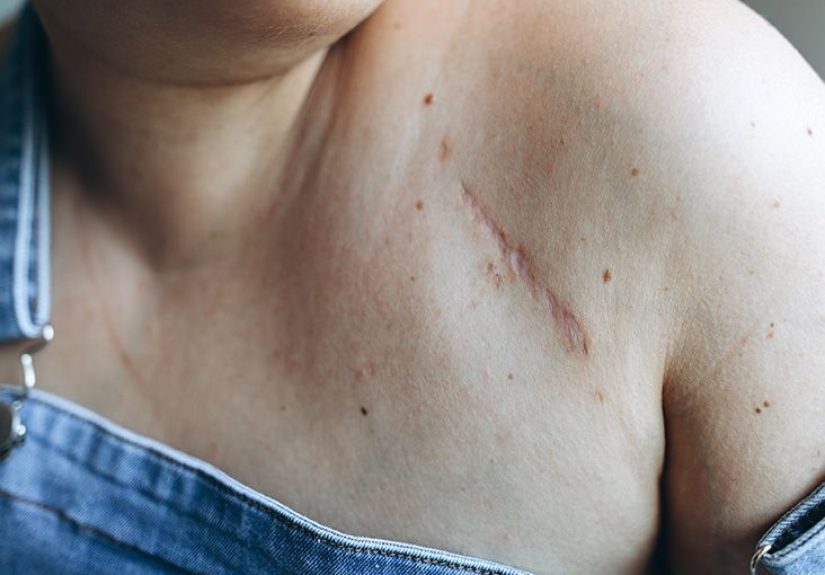
Skin cancer is the most common type of cancer in the United States, with millions of new cases being diagnosed every year. While most cases are associated with direct sun exposure or other environmental factors, one area often overlooked is the skin’s scars. A scar is the body’s natural healing response to an injury, and while it is usually a sign that the body is repairing itself, it can sometimes serve as a breeding ground for skin cancer. In this article, we will explore the relationship between scars and skin cancer, including how scars can develop into a potential risk factor, the types of skin cancer associated with scars, and what you should look out for to prevent or catch skin cancer early.
Understanding Skin Cancer and Its Types
Skin cancer primarily comes in three types: basal cell carcinoma (BCC), squamous cell carcinoma (SCC), and melanoma. Each of these types can present differently, but they all have one thing in commonthey can appear on scar tissue.
Basal Cell Carcinoma (BCC) is the most common form of skin cancer and is typically slow-growing. BCCs often appear as small, shiny bumps or nodules and are more likely to develop on areas of skin that have been exposed to the sun. However, when a BCC forms in a scar, it can appear as a pink or flesh-colored lump with a slightly raised edge, and it may bleed or form a crust.
Squamous Cell Carcinoma (SCC) is the second most common type of skin cancer. It typically appears as red, scaly patches, open sores, or wart-like growths. SCC can be aggressive and spread to other parts of the body if not treated early. Scar tissue can create an environment where SCC may develop, especially if the scar has been irritated or chronically inflamed.
Melanoma is the deadliest form of skin cancer. It often appears as a new, unusual mole or a change in an existing mole. While melanoma is usually associated with moles on the skin, it can also develop in scars, particularly if the scar has undergone significant changes in color or texture over time.
Why Scars Can Increase the Risk of Skin Cancer
While scars themselves are not cancerous, they can serve as a site where skin cancer may develop. Scars result from injury or surgery and can be areas where the skin’s protective barrier is compromised. Here’s why scars can be more susceptible to developing skin cancer:
- Chronic Inflammation: Chronic inflammation can result in changes to the cells in the scar tissue, which can increase the likelihood of mutations that lead to cancer.
- UV Exposure: If the scar is on an area that is exposed to the sun, the skin in that region may be more susceptible to sun damage, which increases the risk of skin cancer.
- Trauma or Irritation: Continuous irritation to a scar, either from friction or repeated injury, can lead to an increase in cell turnover and a higher likelihood of cancerous mutations.
- Pre-existing Skin Conditions: If the scar develops in an area that had a pre-existing skin condition, such as a chronic wound or ulcer, the risk of skin cancer is increased.
Common Signs of Skin Cancer in Scars
Recognizing the signs of skin cancer in a scar is crucial for early detection and treatment. Here are some of the key symptoms to watch out for:
- Changes in Color: If a scar changes color, such as becoming red, pink, or darkening, it may be a sign of developing skin cancer.
- Unusual Growth: Any new or unusual growth on a scar that becomes raised or thicker over time should be checked by a doctor.
- Bleeding or Oozing: Scars that begin to bleed or ooze fluid could be a sign of skin cancer, particularly if the discharge is persistent.
- Itching or Pain: If the scar begins to itch, hurt, or feel tender, it could indicate a problem with the skin beneath the surface.
- Irregular Borders: Skin cancer often causes changes in the texture or edges of the scar, making them irregular or uneven.
Types of Scars More Susceptible to Skin Cancer
Not all scars are equally prone to developing skin cancer. However, some types of scars are more at risk:
- Burn Scars: Burn scars, especially those from third-degree burns, are known to be at higher risk for developing skin cancer due to the significant damage to the skin layers.
- Surgical Scars: Scars resulting from surgery, particularly those on areas of the body that are exposed to the sun, may develop into skin cancer over time if not properly protected.
- Scar Tissue from Infections: Scars that form after an infection or wound, particularly chronic wounds, may have a higher risk due to ongoing inflammation.
- Keloid Scars: Keloid scars, which are raised and often have a dark pigmentation, have a higher risk of developing squamous cell carcinoma.
Prevention and Treatment
The best way to prevent skin cancer from developing in a scar is to take preventive measures and address any concerns promptly. Here are some steps you can take:
- Protect Scars from Sun Exposure: Apply sunscreen regularly to any scar tissue that is exposed to the sun. Using broad-spectrum sunscreen with SPF 30 or higher can reduce the risk of sunburn and damage to the scar tissue.
- Keep Scars Moisturized: Using a good moisturizer can help keep the skin supple and reduce the chances of irritation or cracking in scar tissue.
- Monitor Changes: Regularly check your scars for any signs of changes in color, texture, or growth. Early detection is key to successful treatment.
- See a Doctor: If you notice any unusual changes in a scar, see a dermatologist. A biopsy can confirm whether the scar is developing into skin cancer.
Conclusion
While scars are a natural part of the body’s healing process, they can sometimes develop into areas of concern, particularly when it comes to skin cancer. Understanding the risks, knowing the signs, and taking preventive measures are essential for reducing the likelihood of skin cancer in scars. If you have any concerns, don’t hesitate to contact a healthcare professional for advice or a skin check-up. Early detection can make all the difference in ensuring your skin stays healthy and cancer-free.
Keywords
- skin cancer
- scars and cancer
- basal cell carcinoma
- squamous cell carcinoma
- melanoma
- scar treatment
- prevent skin cancer
Personal Experiences with Skin Cancer in Scars
While I haven’t had direct personal experience with skin cancer in scars, I have spoken to numerous individuals who have had scars in areas prone to sun exposure and developed skin cancer years later. One particular individual shared how they had a scar from an old burn on their arm, which over time started to show changes in color and texture. They decided to consult a dermatologist, and a biopsy confirmed that it was basal cell carcinoma. Fortunately, the cancer was caught early, and treatment involved removing the affected tissue.
Another story comes from a woman who had a surgical scar on her back. She noticed that the scar seemed to change and started itching more than usual. Concerned, she scheduled a visit with her healthcare provider. The diagnosis was squamous cell carcinoma. The treatment included excision of the cancerous tissue, and she was able to make a full recovery. Both individuals were relieved that they sought help when they did and emphasize the importance of being proactive about scar health.
In both cases, these individuals stressed the importance of paying attention to any changes in scars, as it can often be easy to overlook them. They recommend regular checks, particularly if the scar is in an area exposed to sunlight, as it can greatly reduce the risk of developing more serious conditions down the line.