Table of Contents >> Show >> Hide
- What is sleep apnea (and why does it matter)?
- Symptoms of sleep apnea
- What causes sleep apnea?
- How sleep apnea is diagnosed
- Treatments for sleep apnea
- What happens if sleep apnea isn’t treated?
- When to see a doctor
- Living with sleep apnea: making treatment actually work
- Experiences with sleep apnea (real-life, not textbook)
- 1) “I thought I was just a bad sleeper.”
- 2) The partner factor: “You stop breathing and it’s terrifying.”
- 3) First nights on CPAP: “This is weird… but also kind of amazing.”
- 4) Oral appliances: “I like the simplicity, but it’s not magic.”
- 5) Weight, alcohol, and “why is this worse sometimes?”
- 6) The underrated benefit: mood and relationships
- 7) What people wish they’d known earlier
- Conclusion
If your sleep soundtrack includes snoring, snorting, and an occasional dramatic gasp that makes your partner
consider calling an exorcist (or at least a doctor), you might be dealing with sleep apnea.
It’s not just “loud sleeping.” It’s a real medical condition where breathing repeatedly slows down or stops
during sleepoften without you remembering a thing.
The good news: sleep apnea is common, diagnosable, and treatable. The better news: treating it can improve
your energy, mood, focus, and long-term health. The “please don’t ignore this” news: untreated sleep apnea can
raise risks for serious issues like high blood pressure and heart disease.
What is sleep apnea (and why does it matter)?
Sleep apnea is a sleep-related breathing disorder marked by repeated pauses in breathing (apneas) or
shallow breathing (hypopneas). These events can disrupt oxygen levels and repeatedly jolt you out of deeper,
restorative sleepeven if you don’t fully wake up. The result is often a body that feels like it “slept”
for eight hours but somehow woke up with the energy of a phone stuck at 9% battery.
The three main types of sleep apnea
-
Obstructive sleep apnea (OSA): The most common type. The upper airway collapses or becomes blocked
during sleep, often due to anatomy, muscle relaxation, and/or excess tissue. -
Central sleep apnea (CSA): The brain doesn’t consistently send proper signals to the muscles
that control breathing. It can be linked to certain medical conditions or medications. -
Complex (treatment-emergent) sleep apnea: A mix of obstructive and central events, sometimes discovered
when treatment begins.
Symptoms of sleep apnea
Sleep apnea symptoms can show up at night, during the day, or both. Some people assume they’re “just tired”
or “bad at mornings.” Others are told by a partner, roommate, or family member who has front-row seats to the
midnight breathing drama.
Common nighttime symptoms
- Loud, persistent snoring (especially with OSA)
- Gasping, choking, or snorting during sleep
- Witnessed breathing pauses
- Frequent bathroom trips at night
- Restless sleep, tossing and turning
- Dry mouth or sore throat in the morning
- Night sweats or waking up feeling “wired”
Common daytime symptoms
- Excessive daytime sleepiness (dozing during meetings, TV, or commuting)
- Morning headaches
- Brain fog, poor concentration, memory issues
- Irritability, mood changes, anxiety or depression-like symptoms
- Reduced libido
- Falling asleep quickly but still feeling unrefreshed
Sleep apnea symptoms in children (often overlooked)
Kids may not complain about “sleepiness.” Instead, sleep apnea in children can look like behavioral or learning issues.
Watch for snoring, mouth breathing, bedwetting, unusual sleeping positions, poor growth, or hyperactivity that can resemble ADHD.
Enlarged tonsils and adenoids are common contributors.
What causes sleep apnea?
Sleep apnea isn’t one single “cause.” It’s more like a perfect storm where anatomy, physiology, and lifestyle
factors team up at night when your muscles relax and your airway becomes more vulnerable.
Causes and risk factors for obstructive sleep apnea (OSA)
-
Excess weight: Extra tissue around the neck and tongue can narrow the airway.
Even modest weight loss can reduce symptoms for many people. -
Airway anatomy: A narrower throat, enlarged tonsils/adenoids, a large tongue,
or certain jaw structures can increase risk. - Age: Risk increases with age as airway muscles lose tone.
- Sex and hormones: OSA is more common in men, and risk can rise in women after menopause.
- Alcohol and sedatives: They relax airway muscles and can worsen airway collapse.
- Smoking: Can inflame and swell airway tissues.
- Nasal congestion: Chronic congestion can make nighttime breathing harder.
- Family history: Genetics can influence airway structure and risk.
Causes and risk factors for central sleep apnea (CSA)
CSA can occur when breathing control is disrupted. It may be associated with heart failure, stroke, certain neurologic
conditions, high-altitude exposure, and the use of opioid medications. If CSA is suspected, medical evaluation is especially important
because treatment may focus on the underlying condition in addition to sleep therapy.
How sleep apnea is diagnosed
A proper diagnosis usually requires evaluating symptoms, risk factors, and breathing events during sleep.
Your clinician may ask about snoring, witnessed apneas, daytime sleepiness, and medical history. Often, they’ll also
use screening tools (like sleepiness questionnaires) to estimate risk.
Sleep studies: the “data, not vibes” approach
-
In-lab polysomnography: A comprehensive overnight test that measures breathing, oxygen levels,
brain waves, heart rhythm, and movement. -
Home sleep apnea testing (HSAT): A simplified test used for many adults with suspected OSA.
It’s convenient, but it may not be appropriate for everyoneespecially if CSA or other sleep disorders are suspected.
Understanding AHI (apnea-hypopnea index)
A key metric is the AHI, which estimates how many apnea/hypopnea events occur per hour of sleep.
In adults, categories commonly include:
- Normal: fewer than 5 events/hour
- Mild: 5 to fewer than 15 events/hour
- Moderate: 15 to fewer than 30 events/hour
- Severe: 30 or more events/hour
Example: If your AHI is 22, that generally falls in the moderate rangeoften a level where treatment
can make a dramatic difference in how you feel and in health risks over time.
Treatments for sleep apnea
Sleep apnea treatment isn’t one-size-fits-all. The best plan depends on the type of sleep apnea, severity,
your anatomy, and what you can realistically use every night. (A treatment that lives in your closet is not a treatment.)
1) Positive airway pressure (PAP): the gold standard for many
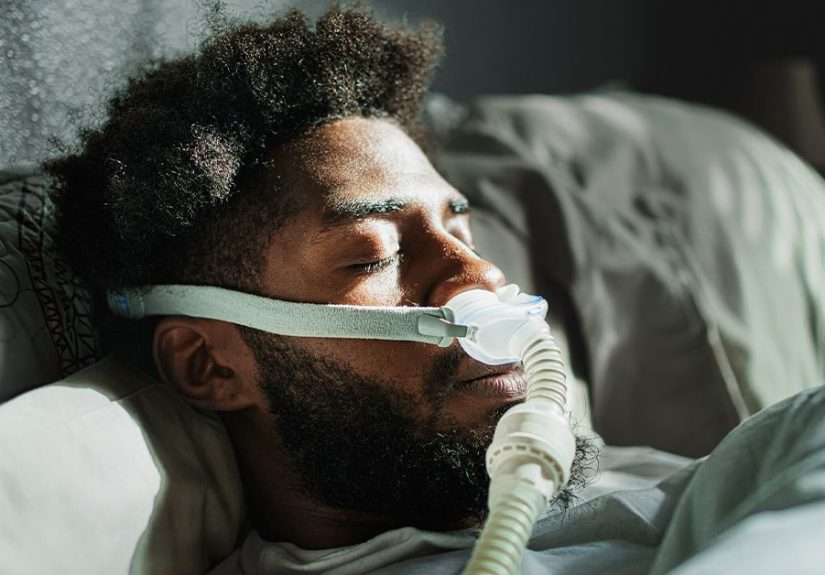
PAP therapy uses gentle air pressure to keep your airway open. It’s widely used because it’s effective and works immediately
when used consistently.
- CPAP: continuous pressure all night
- APAP: automatically adjusts pressure based on your breathing
- BiPAP/BPAP: different pressure for inhale vs exhale (sometimes used in specific cases)
If you’ve heard CPAP described as “sleeping with a leaf blower,” know this: modern machines are far quieter,
masks come in multiple styles, humidifiers can reduce dryness, and most people adapt with the right support.
2) Oral appliance therapy: a solid option for some
For certain peopleoften those with mild to moderate OSA or those who can’t tolerate CPAPcustom oral appliances can help.
These devices typically move the lower jaw forward to help keep the airway open.
The key word is custom. Over-the-counter “anti-snore” gadgets may be tempting, but properly fitted devices
made in collaboration with a qualified dental sleep professional are more likely to be safe and effective.
3) Lifestyle changes that actually move the needle
Lifestyle changes aren’t “bonus tips.” For some peopleespecially with mild OSAthese can be core treatment strategies,
and they often improve results even when you use CPAP or an oral device.
- Weight management: Losing even around 10% of body weight can meaningfully reduce OSA severity for many.
- Reduce alcohol and sedatives at night: They can worsen airway collapse.
- Sleep position: Side-sleeping may reduce events in position-dependent OSA.
- Treat nasal congestion: Managing allergies or chronic congestion can improve airflow and CPAP comfort.
- Quit smoking: Less airway inflammation can mean better breathing.
4) Surgery and procedures: when anatomy is the main villain
Surgery can be helpful for selected people, especially when specific anatomical issues contribute to airway obstruction
or when non-surgical therapies aren’t effective or tolerated.
- Adenotonsillectomy (common in children): removing enlarged tonsils/adenoids can significantly improve symptoms.
- Upper airway surgeries: such as procedures that reshape or remove tissue contributing to blockage.
-
Hypoglossal nerve stimulation (upper airway stimulation): an implanted device that stimulates the nerve
controlling tongue movement to help keep the airway open. It’s generally for certain adults with moderate to severe OSA
who haven’t succeeded with CPAP and meet specific criteria.
5) Treatment for central sleep apnea
CSA treatment may include addressing underlying contributors (like optimizing heart failure management or reviewing opioid use),
plus specialized devices or breathing support when appropriate. Because CSA can be linked to other medical conditions,
evaluation and follow-up are essential.
What happens if sleep apnea isn’t treated?
Untreated sleep apnea doesn’t just make you tired. Repeated drops in oxygen and fragmented sleep can stress multiple systems in the body.
Research and major medical organizations have linked sleep apneaespecially OSAto higher rates of high blood pressure, stroke,
and coronary artery disease.
- Cardiovascular strain: higher risk for hypertension and other heart-related complications
- Metabolic effects: insulin resistance and higher risk for type 2 diabetes in some populations
- Safety risks: drowsy driving and workplace accidents
- Quality of life: mood changes, relationship stress (snoring is a loud roommate), reduced focus
When to see a doctor
Consider getting evaluated if you have loud snoring plus daytime sleepiness, if someone has witnessed you stop breathing during sleep,
or if you regularly wake up choking or gasping. It’s also worth discussing sleep apnea if you have resistant high blood pressure,
heart rhythm issues, or unexplained fatigue.
Quick self-check: If caffeine is your primary personality trait and you still feel exhausted, your sleep may be the real plot twist.
Living with sleep apnea: making treatment actually work
A diagnosis can feel intimidating, but it’s often a relief: “Oh, that’s why I’m tired.” Success usually comes from matching
the right therapy to your needs and then troubleshooting the practical stuff.
Practical tips for CPAP success
- Mask comfort is everything: nasal pillows, nasal masks, and full-face masks all fit differently.
- Handle dryness: humidification and heated tubing can be game-changers.
- Address leaks early: small adjustments can stop “raspberry noises” at 2 a.m.
- Be patient: adaptation can take days to weeks; consistent use matters.
- Follow up: pressure settings and mask fit can be adjusted based on data and symptoms.
Practical tips for oral appliances
- Use a properly fitted, titratable (adjustable) device.
- Expect a ramp-up period as your jaw and muscles adapt.
- Keep follow-up visitsfit and effectiveness can change over time.
Experiences with sleep apnea (real-life, not textbook)
Medical descriptions are helpful, but lived experience is what makes sleep apnea feel… well, real. Below are common
experiences people reportwhat it feels like before diagnosis, what changes after treatment, and what surprises folks along the way.
(Not medical advicejust the patterns many people recognize.)
1) “I thought I was just a bad sleeper.”
A lot of people spend years blaming stress, work, parenting, aging, or “my phone addiction” for constant exhaustion. They’ll say
things like: “I sleep eight hours, but I wake up tired,” or “I can’t focus unless I’ve had three coffees and a pep talk.”
The tricky part is that sleep apnea can keep you from reaching deep sleep consistently. So you log plenty of hours, but the quality
is like watching a movie that pauses every three minutestechnically you watched it, but good luck following the plot.
2) The partner factor: “You stop breathing and it’s terrifying.”
Many people get evaluated because someone else notices the problem first. Partners often describe a pattern: loud snoring, then
silence, then a gasp. That silence can feel endless, even when it’s only seconds. It’s stressful, and it can turn bedtime into a
nightly “monitoring shift.” If this is happening in your household, it’s not overreacting to ask for an evaluationwitnessed apneas
are a legitimate red flag.
3) First nights on CPAP: “This is weird… but also kind of amazing.”
The first CPAP night can be a mix of comedy and victory. Some people feel instant improvementwaking up thinking,
“Wait, is this how normal people feel?” Others need time to adapt. Common early hurdles include:
- Feeling claustrophobic with the mask (often improved by trying different mask styles)
- Dry mouth or nose (often improved with humidification)
- Mask leaks that make fart-like noises (unfortunate but fixable)
- Taking it off in your sleep without remembering (surprisingly common early on)
People who succeed tend to treat it like learning a new habit: adjust, troubleshoot, and keep going.
The goal isn’t “perfect from day one.” The goal is consistent progress.
4) Oral appliances: “I like the simplicity, but it’s not magic.”
Folks who use oral appliances often appreciate that it’s small, travel-friendly, and doesn’t require a machine.
Many report improved snoring and better sleepespecially in milder OSA. The most common complaints are jaw soreness, changes in bite
over time, or needing adjustments to get the positioning right. The big win is that it’s a viable alternative for some people who
struggle with CPAPespecially when properly fitted and monitored.
5) Weight, alcohol, and “why is this worse sometimes?”
Sleep apnea symptoms often fluctuate. People commonly notice worse snoring and more morning grogginess after drinking alcohol,
taking sedating medications, or sleeping on their back. Weight changes can matter toosome people see meaningful improvement after
losing weight, while others discover that anatomy plays a larger role and they still benefit from therapy. A frequent “aha” moment is realizing
that sleep apnea can be a moving target: it can evolve with age, health changes, and lifestyle.
6) The underrated benefit: mood and relationships
People often expect treatment to help with sleepiness, but many are surprised by improvements in patience, mood stability, and
mental clarity. Partners may notice fewer nightly disruptions and less stress around bedtime. In other words, treating sleep apnea can
be a relationship upgrade disguised as a medical device.
7) What people wish they’d known earlier
- Sleep apnea can happen even if you’re not the “classic” stereotype.
- Snoring is a clue, not a personality trait.
- Comfort mattersask for mask/device options instead of forcing one setup.
- Follow-up isn’t optional; it’s how treatment gets optimized.
- Feeling better can be gradualtrack energy, mood, and daytime alertness over weeks.