Table of Contents >> Show >> Hide
- WaitIs This Actually Real, or Is the Internet Doing That Thing Again?
- What Makes Chocolate “Sliceable” (Without Crumbling Into Sad Confetti)?
- Why Sliced Chocolate Makes Weirdly Perfect Sense
- How People Are Using Sliced Chocolate (Besides Staring at It and Laughing)
- Sliced Chocolate vs. Chocolate Spread: Which One Wins?
- Can You Buy Sliced Chocolate in the U.S.?
- DIY “Chocolate Slices” at Home (No Lab Coat Required)
- Why the World Keeps Inventing Food in “Sheets”
- How to Build a Next-Level Chocolate Sandwich
- FAQ: The Questions Everyone Asks the Moment They Hear “Chocolate Slices”
- Conclusion: The Sandwich Era Has Officially Entered Its Dessert Phase
- Experiences: “Life With Chocolate Slices” ( of Real-World-Style Moments)
Remember the childhood era when lunch was basically a vibe and a plastic-wrapped cheese single was considered a “balanced” food group?
Well, imagine that exact energyexcept the slice is chocolate, and it’s here to turn your sandwich game into a dessert renaissance.
Yes, sliced chocolate for sandwiches is real. And no, this is not a prank from that friend who “swears it’s a life hack” and then hands you a raw onion in a coffee mug.
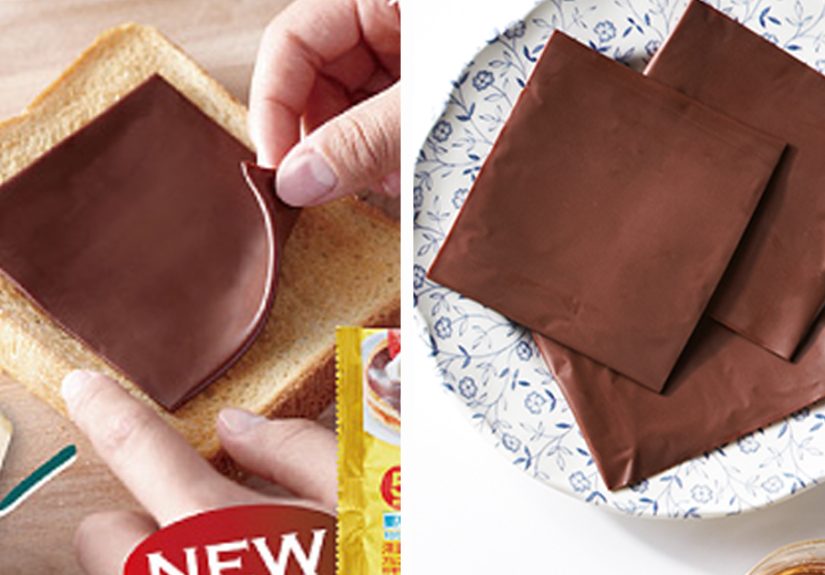
The concept is beautifully simple: chocolate, made into thin, flexible squares, individually wrapped like cheese slices, ready to slap onto bread without
a jar, a knife, or the emotional damage of spreading something sticky at 7:12 a.m. It’s equal parts convenience, novelty, and “why didn’t we do this sooner?”
And once you start imagining chocolate toast, chocolate grilled sandwiches, chocolate cutouts for desserts, and fast, mess-free snack building… yeah. Life’s different now.
WaitIs This Actually Real, or Is the Internet Doing That Thing Again?
It’s real. A Japanese confectionery company called Bourbon created thin chocolate squares designed to be used the way you’d use a cheese single:
on bread, in wraps, melted onto hot foods, or cut into shapes for decoration. The product became a viral curiosity because it looks hilariously familiar
like a lunch-box staple that went to culinary school and came back wearing a dessert cape.
Multiple reports describe the slices as about 2 millimeters thick, typically sold in small packs and also offered in larger online bundles.
The big “tell” that this isn’t just a flat candy bar is how it behaves: it’s soft, pliable, and meant to drape, wrap, and melt quickly.
In other words, it’s chocolate engineered for utility, not just snacking.
What Makes Chocolate “Sliceable” (Without Crumbling Into Sad Confetti)?
Regular chocolate bars are designed to snap. That crisp “break” is a feature, not a bugthanks to how cocoa butter crystallizes when chocolate is tempered.
But sliceable chocolate needs a different personality: flexible, cohesive, and able to bend without shattering like your willpower in the candy aisle.
That’s where “nama chocolate” comes in. “Nama” roughly translates to “fresh,” and it often refers to a ganache-style chocolate with a softer,
creamier texture. Because it contains more moisture and fat (think ganache vibes rather than hard bar vibes), it can be formed into thin sheets that
stay tenderespecially when stored cool.
The result: a slice that peels off a protective film, lays flat on bread, and melts fast on warm surfaces. It’s basically the chocolate equivalent of
showing up already dressed for the party. No extra work required.
Why Sliced Chocolate Makes Weirdly Perfect Sense
Sure, “chocolate slices” sounds like a novelty invented during a brainstorming meeting where nobody was allowed to say “no.”
But when you zoom out, the idea is surprisingly practicalespecially if you love sweet sandwiches, quick breakfasts, and tidy snacks.
1) It’s the cleanest way to build a chocolate sandwich
Spreads are delicious… and also the reason your knife is now glued to your hand. A chocolate slice gives you instant coverage with zero smearing.
It’s portioned, predictable, and doesn’t require a second tool besides “hands.”
2) It melts like a dream
Put a slice on warm toast or pancakes and it softens fast, turning into a glossy layer of chocolate without the drama of uneven melting.
It’s like having a shortcut to “breakfast dessert” that still looks intentional.
3) It’s a dessert craft supply disguised as food
Because it’s a thin sheet, it can be cut with cookie cutters, rolled into spirals, layered, or shaped into decorations.
If you’ve ever wanted your dessert to look fancy without learning pastry techniques that involve rulers and tweezers, this format is basically a cheat code.
4) It’s convenience food with a “fun factor”
Food trends keep moving toward formats that reduce friction: pre-portioned, single-serve, ready-to-use.
Sliced chocolate is the same concept as sliced cheese or pre-cut fruitexcept it makes your inner kid do a cartwheel.
How People Are Using Sliced Chocolate (Besides Staring at It and Laughing)
The best part about chocolate slices is that they don’t demand a single “correct” use. They’re a flexible ingredient that can be used as a topping,
a filling, a wrapper, or even an edible decoration.
The classic: chocolate sandwich on bread
This is the headline use: one or two slices on soft bread. Add peanut butter, banana, strawberry, or a thin layer of cream cheese
(yes, really) and you’ve got a sweet sandwich that feels both nostalgic and strangely upscale.
Toast and pancakes: the “instant ganache” effect
Warm surfaces are where sliced chocolate shines. Lay it on toast, waffles, pancakes, crepesanything with a little heatand it melts into a glossy,
evenly distributed layer. Add berries or nuts, and suddenly your breakfast looks like it belongs in a brunch photo carousel.
Cookie cutters: edible shapes for desserts
Because the sheet is thin, you can stamp shapes and lay them on cupcakes, cakes, cookies, or ice cream. Think hearts for Valentine’s Day,
stars for a birthday, or letters to spell something dramatic like “MORE CHOCOLATE.”
Fruit wraps and dessert rolls
The slice can be wrapped around banana pieces, strawberries, or layered into rolled desserts. It’s a neat way to add chocolate flavor without
dripping sauce everywhere like a dessert crime scene.
S’mores and warm snacks
Traditional s’mores use bars, which work… until they don’t fit the cracker, or they snap, or they melt unevenly. A chocolate slice lays flat,
melts quickly, and gives you consistent coverage. The marshmallow is still the main character, but the chocolate finally hits its marks.
Sliced Chocolate vs. Chocolate Spread: Which One Wins?
This isn’t a “one must fall” situation. But each option has a personality, and it helps to know what you’re signing up for.
Chocolate spread is best when you want flavor customization
Nutty spreads, hazelnut cocoa spreads, whipped chocolate spreadsthose bring extra flavors and creamy texture. They’re excellent for dipping,
swirling into yogurt, or baking.
Sliced chocolate is best when you want speed, neatness, and even coverage
If you want a quick sandwich without utensils, or a tidy melt on toast, sliced chocolate is a serious contender.
It’s also easier to portion: one slice is one slice, and you’re not eyeballing “a reasonable amount” while the jar whispers, “Add more.”
Can You Buy Sliced Chocolate in the U.S.?
Availability has historically been limited outside Japan, which is part of why the product feels so mythical online.
Some bundles have been sold through the manufacturer’s channels and discussed as bulk online purchases, and people often rely on importers
or specialty snack sellers when they want to try it abroad.
The bigger point: even when you can find it, it may not behave like shelf-stable candy. Reports frequently note refrigeration or cool storage,
which affects shipping and availability. Translation: if you ever see it offered, it may be a “grab it now” momentbecause heat and chocolate have
a complicated relationship.
DIY “Chocolate Slices” at Home (No Lab Coat Required)
If you love the idea but can’t easily get the product, you can mimic the experience using a homemade, ganache-style sheet.
The goal is a thin, flexible layer you can cut into squaresnot a brittle bark.
A practical, home-kitchen approach
- Make a thick ganache (chocolate + warm cream), aiming for a firm set once chilled.
- Spread it thin between parchment sheets with a rolling pin or offset spatula.
- Chill until sliceable, then cut into squares with a knife or pizza wheel.
- Store cold so it stays firm and neat, and use within a reasonable time for freshness.
Will it be identical to a manufactured, individually wrapped slice? No. But it can get you most of the way there:
thin chocolate squares that melt beautifully on warm bread and feel delightfully sandwich-ready.
Why the World Keeps Inventing Food in “Sheets”
Sliced chocolate isn’t just a random inventionit fits a broader trend: taking foods we love and putting them into formats that are faster,
cleaner, and more consistent. A slice is predictable. A sheet is easy to portion. A single serve format reduces mess.
It’s the same logic behind cheese singles, snack packs, and pre-cut produceonly here, it’s aimed at dessert joy.
Interestingly, once a company figures out how to turn a soft, spread-like food into a stable sheet, it can apply the same idea elsewhere.
That’s why the sliced-chocolate story keeps popping back up in conversations about novelty foods:
it represents a clever bit of food engineering wrapped in something extremely snackable.
How to Build a Next-Level Chocolate Sandwich
If you’re going to live in the future, you might as well pack a great lunch. Here are combinations that work because they balance texture, flavor,
and sweetnesswithout turning your sandwich into a sugar avalanche.
1) Peanut butter + chocolate slice + banana
This is the classic trio: nutty, creamy, sweet, and just enough fruit to make you feel like you’re making responsible choices.
2) Strawberry + chocolate slice + a thin smear of cream cheese
Cream cheese adds tang and structure, strawberries add brightness, chocolate adds the “wow.” It’s basically dessert pretending to be lunch.
3) Toasted marshmallow fluff + chocolate slice
If you can toast the bread, do it. Heat turns the slice into a soft layer and gives you s’mores energy without needing a campfire.
4) Salted butter + chocolate slice (yes, really)
A tiny swipe of salted butter under chocolate makes everything taste richer. Think of it like a shortcut to “fancy bakery” flavor.
FAQ: The Questions Everyone Asks the Moment They Hear “Chocolate Slices”
Does sliced chocolate melt easily?
It canespecially on warm foods. That’s part of the appeal. On toast or pancakes, it softens quickly into an even layer.
For storage and travel, cool temperatures help keep it neat.
Is it just a thin chocolate bar?
Not exactly. The point is texture and usability: a softer, more pliable sheet that can bend, wrap, and melt fast,
more like a ganache-style chocolate than a snappy bar.
Is it meant only for sandwiches?
Sandwiches are the headline, but the format works for desserts, decoration, and quick melts on warm breakfast foods.
Think “multi-tool,” but make it chocolate.
Conclusion: The Sandwich Era Has Officially Entered Its Dessert Phase
Sliced chocolate is one of those inventions that sounds silly until you picture how you’d actually use itthen suddenly it makes too much sense.
It’s tidy, fast, portion-friendly, and weirdly versatile. It also taps into something powerful: nostalgia.
Anything packaged like a cheese single is basically a time machine to school lunchexcept now your lunch is better dressed.
Will it replace your favorite chocolate bar? Probably not. Will it replace chocolate spreads? Also no.
But as a chocolate slice for sandwiches, toast, and quick desserts, it’s a delightful reminder that the future isn’t only about robots.
Sometimes the future is just… chocolate, but easier.
Experiences: “Life With Chocolate Slices” ( of Real-World-Style Moments)
Picture a Saturday morning when everyone is hungry, nobody wants to do dishes, and you’re trying to make breakfast feel special without committing
to a full pancake production. You toast bread, lay a chocolate slice on top, and watch it soften into a glossy layer before you’ve even found the jam.
Add sliced bananas and a sprinkle of chopped nuts, and suddenly your “lazy breakfast” looks like something you’d pay for at brunchminus the wait list.
The experience is half flavor, half satisfaction: it’s chocolate that behaves, which is honestly rare.
Now imagine packing a lunch (or watching someone pack one) and realizing there’s no knife available, no time to spread anything, and no patience for mess.
A chocolate slice changes that moment completely. One peel, one lay-flat, done. It feels strangely efficientlike the snack is cooperating with your schedule.
And because the slice is portioned, it’s easy to decide, “One is enough,” instead of accidentally creating a sandwich so thick it needs structural support.
There’s also the “party trick” factor. Bring chocolate slices to a sleepover-style hangout, a movie night, or a family gathering, and people react in phases:
first confusion (“Is that… cheese?”), then disbelief (“No, that’s chocolate?”), then immediate brainstorming (“Wait, put it on a warm cookie!”).
The fun isn’t only eating itit’s watching everyone become an idea machine. Someone wants to make a chocolate grilled sandwich. Someone else wants to stamp
heart shapes. Somebody inevitably suggests a peanut-butter-and-chocolate “PB&C” that becomes the unofficial snack of the night.
If you’ve ever tried making s’mores and felt personally attacked by how poorly chocolate bars line up with graham crackers, sliced chocolate feels like a fix.
It lays flat, melts evenly, and doesn’t snap into awkward pieces. The first time you get a neat, edge-to-edge chocolate layer, you realize how much chaos
you’ve accepted in the name of tradition. It’s not that s’mores needed improvementit’s that sliced chocolate quietly makes them more consistent.
And then there’s the creative, low-pressure “dessert craft” moment: cutting shapes for cupcakes, layering slices in a quick parfait,
or rolling thin ribbons of chocolate into spirals for decoration. These aren’t complicated baking projectsthey’re the kind of playful upgrades
that make ordinary desserts look intentional. The experience feels like this: you didn’t become a pastry chef overnight, but you did become someone
who knows a clever trick. And honestly, that’s the sweetest kind of power.