Table of Contents >> Show >> Hide
- What Makes the Coté Pierre Sink So Memorable?
- Why This Sink Embodies Slow Design
- Why Designers Still Love Natural Stone Sinks
- The Real-World Side of the Fantasy
- How to Style a Coté Pierre Sink Without Overdoing It
- Who Should Choose This Kind of Sink?
- Experiencing the Coté Pierre Sink in Daily Life
- Final Thoughts
If the average bathroom sink is a polite background actor, the Coté Pierre sink is the scene-stealer who walks in late, says nothing, and still gets all the attention. It does not beg for applause with flashy technology or futuristic gimmicks. Instead, it leans on something much harder to fake: presence. The kind of presence that comes from natural stone, imperfect texture, hand-touched character, and the quiet confidence of an object that looks like it could outlive your mood board, your faucet trend, and possibly your entire renovation budget.
That is exactly why the idea of the Coté Pierre sink fits so neatly into the world of slow design. Slow design is not about making things old-fashioned, overly rustic, or suspiciously expensive just because they look serious. It is about making choices that age well, feel real, and reward attention over time. In that sense, this sink is more than a basin. It is a philosophy with a drain hole.
What Makes the Coté Pierre Sink So Memorable?
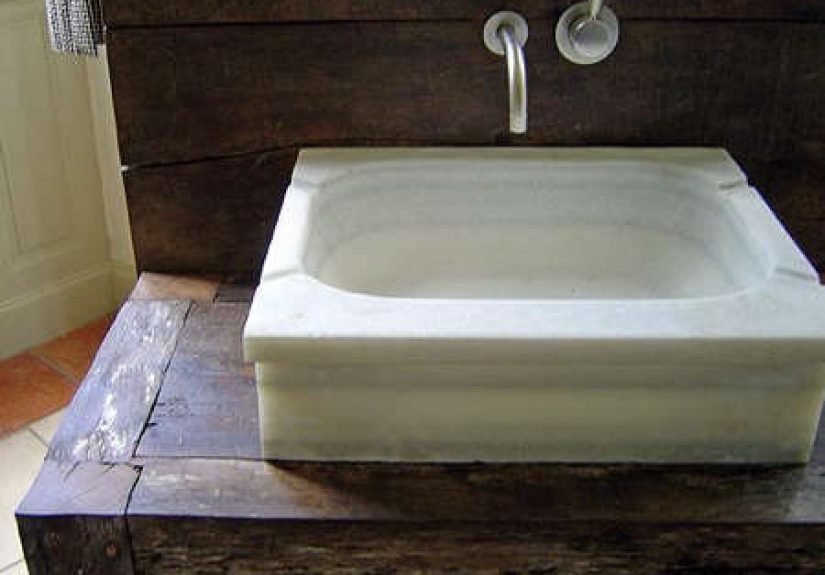
The Coté Pierre sink entered the design conversation as the kind of object editors love to feature because it feels both raw and refined. It has the sculptural drama of art, but it still has a practical job to do every morning when someone stumbles in half awake and reaches for the faucet. That tension is part of the appeal. The sink is visually substantial, tactile, and rooted in material honesty. It looks like stone because it is stone. No printed surface. No fake grain. No clever disguise pretending to be geology.
That honesty matters. A lot of contemporary interiors look polished on day one, but some start losing their magic as soon as trends shift. A piece like this works differently. It does not depend on novelty. It depends on weight, texture, and restraint. A stone sink can feel ancient and modern at the same time, which is a rare trick in design. Most objects are lucky to master one century.
Why This Sink Embodies Slow Design
1. It celebrates material over spectacle
Slow design values materials that reveal themselves gradually. Stone does exactly that. Light hits it differently throughout the day. Veining becomes more obvious up close. Honed finishes feel softer and quieter than glossy surfaces. Even subtle imperfections become part of the story. A Coté Pierre-style sink does not scream for attention from across the room. It earns it when you step closer.
2. It favors permanence over impulse
A trendy sink can look exciting on social media and strangely exhausting six months later. A carved or sculptural stone sink has a different rhythm. It asks you to slow down and commit. It is less “Look what I bought on a midnight scroll” and more “I chose this because I want to live with it for years.” That slower, more deliberate relationship is the heart of the concept.
3. It brings craftsmanship back into the room
One reason stone sinks remain so compelling is that they rarely look mass-produced, even when sold commercially. Every natural slab, block, or carved basin carries variation. That makes each piece feel less like a disposable product and more like a crafted object with a personality. In a bathroom full of smooth, standardized fixtures, that individuality can be surprisingly moving.
4. It ages with grace
Slow design is obsessed with patina, and for good reason. Some materials get sadder with age. Stone often gets more interesting. The soft dulling of a finish, the faint evidence of use, the way the sink settles into the room rather than floating above it like a showroom propall of that creates emotional durability. The best objects do not just survive life. They absorb it beautifully.
Why Designers Still Love Natural Stone Sinks
Natural stone continues to show up in bathrooms because it satisfies both emotional and visual needs. On one level, it gives a space a grounded, elemental quality. Bathrooms can easily feel sterile, especially when every surface is shiny, white, and terrified of texture. Stone breaks that cycle. It introduces warmth without becoming visually loud. Even when the color palette is pale, the surface itself brings movement.
On another level, a stone sink offers instant architecture. You do not need ten decorative accessories if the basin already looks like a sculpted object. That is one reason statement sinks work so well in minimalist interiors. They let the room stay quiet while still having a focal point. In design terms, that is efficient. In human terms, it means your bathroom can feel special without looking like it tried too hard.
There is also the sensory factor. Stone feels cool to the touch, substantial under the hand, and visually calming when paired with wood, plaster, limewash, unlacquered brass, or matte black hardware. It is the design equivalent of a deep breath. A good stone sink does not merely hold water. It slows the room down.
The Real-World Side of the Fantasy
Now for the part nobody includes in the glamorous close-up shot: natural stone asks for respect. That is not a flaw. It is the trade-off that comes with living with a material that is beautiful because it is real.
Stone can be porous
Depending on the type of stone, the surface may need sealing or periodic resealing to help prevent stains and water absorption. Marble, limestone, travertine, and some granites all behave differently, so this is not a one-rule-fits-all situation. But the general principle is simple: if you want the romance of real stone, you also accept a modest maintenance routine.
Harsh cleaners are a terrible idea
Vinegar, lemon juice, bleach-heavy experiments, mystery wipes from under the sink, and abrasive scrubbers should not be invited to this party. Gentle soap, warm water, soft cloths, and stone-safe cleaners are the smarter route. In other words, treat it less like a truck bed and more like a very stylish houseguest.
Water spots and soap buildup happen
Because stone sinks make direct contact with water every day, they can develop mineral residue or dull spots if left wet constantly. Wiping the basin dry after use sounds annoyingly grown-up, but it helps preserve the finish. This is the design version of flossing: nobody brags about it, yet the long-term results are obvious.
Weight and installation matter
A Coté Pierre-style sink, especially if it reads like a vessel or carved bowl, is not something you casually toss onto a flimsy vanity and hope for the best. The support structure, counter material, drain placement, faucet reach, and final vanity height all deserve careful planning. Beauty is wonderful. Beauty with proper structural support is even better.
How to Style a Coté Pierre Sink Without Overdoing It
Keep the palette restrained
If the sink is the star, let it perform. Soft whites, chalky neutrals, warm taupes, smoky grays, muted olives, and natural woods all pair beautifully with stone. The room should feel edited, not underdressed. Think gallery, not gift shop.
Pair it with contrast
One of the most effective ways to make a stone sink sing is to place it against a contrasting texture. Try a smooth plaster wall behind a heavily veined basin, or a rustic wood vanity under a refined honed stone sink. Matte black or aged brass fixtures can sharpen the silhouette and keep the look from drifting into historical costume.
Use fewer accessories, but better ones
A sink like this does not need a parade of decorative clutter around it. One beautiful hand towel, a simple soap dispenser, a mirror with presence, and maybe a small branch in a ceramic vase can be enough. The goal is not emptiness. The goal is breathing room.
Let imperfection stay visible
Do not rush to “correct” every quirk in the stone. A variation in tone, a fossil trace, a subtle asymmetry, or the slight irregularity of a hand-worked edge is exactly what gives a slow design piece its soul. Uniformity is easy. Character is rarer.
Who Should Choose This Kind of Sink?
The Coté Pierre sink is ideal for homeowners and designers who care about atmosphere, materiality, and longevity. It works especially well for people who want a bathroom that feels curated instead of catalog-perfect. If your dream bath includes words like spa-like, grounded, sculptural, timeless, or I would like my guests to ask about the sink before they notice the wallpaper, you are in the right lane.
It may not be the best fit for someone who wants ultra-low-maintenance everything, prefers highly standardized fixtures, or gets emotionally winded by the idea of sealing stone now and then. There is no shame in that. Some people want a relationship. Some people want easy cleanup and zero drama. Bathrooms, like dating, are all about honest compatibility.
Experiencing the Coté Pierre Sink in Daily Life
Here is the part product descriptions rarely capture: what it actually feels like to live with a sink like this. A Coté Pierre-style stone sink changes the tone of ordinary routines in ways that are small, but strangely powerful. In the morning, when the rest of the bathroom is still waking up, the sink has a quiet gravity to it. The coolness of the stone under your fingers feels grounding, almost ceremonial, as if washing your face has been upgraded from a rushed task to a tiny ritual. Even on chaotic days, the basin seems to say, “We are not spiraling before coffee. Please proceed with dignity.”
There is also a visual pleasure that builds over time. At first, you notice the obvious drama: the sculptural form, the texture, the sense that the sink was carved rather than manufactured by committee. Later, you start noticing subtler things. The way afternoon light catches the edges. The way droplets bead differently on sealed stone. The way a matte finish softens the whole room. These are not loud thrills, but they are lasting ones, which is exactly the point of slow design. It rewards repeated looking.
Guests respond to it differently, too. People who normally have nothing to say about sinks suddenly have opinions. They touch the edge. They ask what it is made of. They lean in. A good stone sink invites curiosity because it feels uncommon in the best possible way. Not weird-for-the-sake-of-weird. Memorable because it has substance. In a home filled with disposable objects and fast decisions, that kind of reaction feels refreshing.
Daily upkeep becomes part of the experience, but not necessarily a burden. Yes, you may wipe it down more carefully than a basic ceramic basin. Yes, you may become irritatingly aware of soap residue, hard-water marks, or that one family member who believes splashing is a personality trait. But maintenance here feels less like punishment and more like stewardship. When an object is genuinely beautiful, caring for it can feel satisfying rather than annoying. You are not just cleaning a sink. You are preserving the mood of the room.
The emotional impact is real, too. Stone has a way of making a bathroom feel less temporary. The room becomes calmer, steadier, and more rooted. That can sound dramatic for a place where people mostly brush their teeth and argue with themselves in the mirror, but design works exactly through these quiet emotional cues. A sink like this tells you the space was considered. It was not assembled in a panic. It was shaped with intention.
And perhaps that is the deepest appeal of the Coté Pierre sink. It slows you down without demanding a lecture about mindfulness. It adds texture without clutter. It looks expensive, yes, but more importantly, it looks meaningful. In a culture that often treats interiors like quick content, a sink like this feels almost rebellious. It suggests that beauty can be tactile, useful, imperfect, and patient. That a bathroom fixture can have soul. That stone, when chosen well, can make everyday life feel just a little more grounded, and a lot less generic.
Final Thoughts
The Slow Design: Coté Pierre Sink story is compelling because it sits at the intersection of art, utility, and restraint. It proves that a sink does not need bells, whistles, touchscreens, or a dramatic marketing backstory to matter. Sometimes the most powerful design move is the quietest one: choose a material with depth, give it room to breathe, and let it age with dignity.
In an era of fast trends and faster replacements, the Coté Pierre sink stands for something calmer and more enduring. It is a reminder that the best design choices are not always the loudest. Sometimes they are the ones that feel ancient in the hand, modern in the room, and better every year you live with them. Which, honestly, is more than can be said for most bathroom upgrades and at least half of our online shopping history.