Table of Contents >> Show >> Hide
- What Slow Design Really Means
- Why Reefer Sails Became Such a Memorable Example
- Why Devon, England, Is the Perfect Setting for the Story
- The Design Lessons Hidden in a Deck Chair
- How Reefer Sails Connects to Today’s Home Trends
- Bringing the Reefer Spirit Into Your Own Home
- Why This Story Still Matters
- Experience: What Slow Design Inspired by Reefer Sails Feels Like in Real Life
- Conclusion
Some products are so sensible they almost feel poetic. A chair made from retired sailcloth is one of them. It is practical, durable, weather-friendly, and just a little bit smug in the best possible way. After all, the fabric has already battled salt, wind, sun, and the occasional human with more confidence than boating skill. If that material can survive open water, it can probably survive your patio, your kids, and your dog’s dramatic need to sit exactly where you were about to sit.
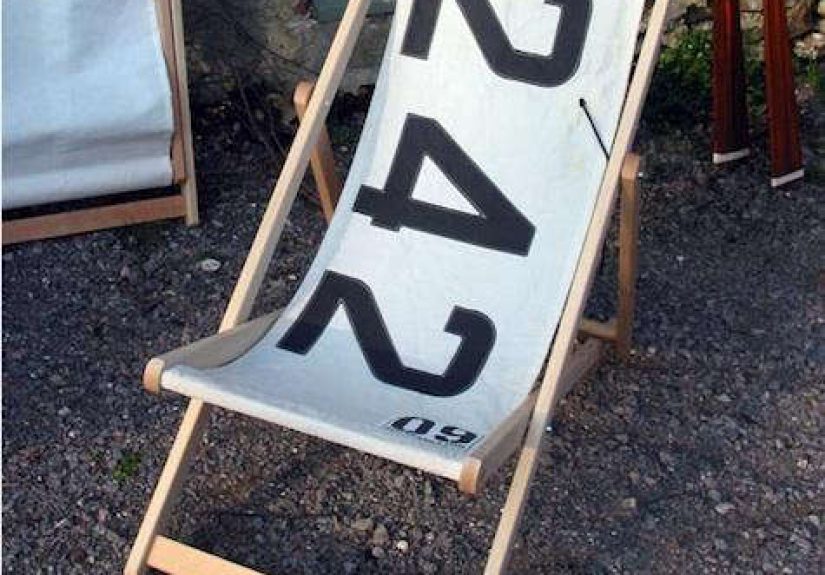
That is part of the charm behind Reefer Sails in Devon, England, a project that captured the spirit of slow design long before the phrase started appearing in every stylish corner of the internet. The idea was beautifully straightforward: take retired marine and aviation sails and turn them into useful, handsome objects for everyday life. Deck chairs, director’s chairs, cushions, totes, and other pieces were not treated as novelty eco-products. They were designed to be lived with, used hard, and appreciated over time.
In a design culture that often rewards speed, sameness, and whatever is trending hardest this week, Reefer feels refreshingly stubborn. It suggests that good design should have a story, a purpose, and enough backbone to age well. That is the heart of slow design: not doing everything slowly just for the drama of it, but making things at the right pace, with the right materials, for the right reasons.
What Slow Design Really Means
Slow design is often misunderstood as rustic minimalism with better lighting. In reality, it is less about one fixed look and more about a way of thinking. The approach values intentionality, longevity, craftsmanship, emotional connection, and a close relationship between objects and the lives they support. It pushes back against fast furniture, disposable decor, and the strange modern habit of buying a whole room in one weekend and regretting it by the next holiday season.
At its best, slow design asks better questions. Where did this material come from? Will it last? Can it be repaired? Does it belong in this setting? Will I still want to live with it five or ten years from now, when today’s algorithm-approved trend has wandered off to ruin another living room?
That mindset overlaps with several design movements that have gained traction in recent years: slow decorating, biophilic interiors, modern organic spaces, vintage collecting, and a renewed appreciation for handmade work. These trends share a common instinct. People want homes and objects that feel grounded, personal, and real. They want fewer pieces with more meaning. They want material honesty instead of plastic pretending to be something nobler than plastic.
Why Reefer Sails Became Such a Memorable Example
The Reefer concept stood out because it solved several design problems at once without turning preachy. The project, founded by Emma and Mark Turner in rural Devon, became known for repurposing marine and aviation sails into household goods with an unmistakable coastal identity. That material choice was not just clever; it was deeply aligned with slow design principles.
First, there is the matter of reuse. Retired sailcloth already carries a history of movement, weather, labor, and use. Giving it a second life keeps valuable material in circulation and reduces the need for entirely new textile production. Second, there is durability. Sailcloth is made to perform under stress, which makes it an unusually smart candidate for products that need to handle sun, moisture, friction, and the chaos of ordinary life.
Third, Reefer products embraced imperfection as character. A reused sail may include stitched panels, reinforced corners, eyelets, numbers, faded sections, or marks left by its previous life. In fast design, those details might be treated as flaws. In slow design, they become part of the object’s identity. No two pieces feel exactly the same, which gives them the kind of authenticity money often tries and fails to fake.
Even the supporting materials mattered. The classic deck chairs were paired with European beech from managed forests, a choice that reinforced the larger logic of the brand: use materials with integrity, keep the construction simple, and let function and texture do the visual heavy lifting. The result was coastal, but not kitschy; sustainable, but not self-congratulatory; practical, but still attractive enough to make a design editor pause mid-scroll.
Why Devon, England, Is the Perfect Setting for the Story
Location matters in slow design because context matters. Devon is not just a scenic backdrop for this story; it helps explain why Reefer feels so natural. The county sits in the southwest of England, shaped by both the Bristol Channel to the north and the English Channel to the south. It is a place where coastlines, maritime culture, weather, and working landscapes are part of everyday visual life.
That environment makes sailcloth feel less like an imported design gimmick and more like a native material language. In Devon, the sea is not a mood board. It is a lived reality. A chair made from retired sails belongs there in a way it might not in a random showroom with a synthetic rope lamp and a sign that says “beach vibes.” Reefer’s products carry a sense of place because they emerged from a region where boats, wind, weather, and utility are woven into the texture of life.
That rootedness is one reason the work still feels relevant. Good slow design tends to look inevitable in hindsight. It seems like the object could only have come from that landscape, that need, and that material. Reefer has that quality.
The Design Lessons Hidden in a Deck Chair
1. Materials with a past are often more interesting than materials with a marketing team
Reclaimed and repurposed materials bring visual depth that brand-new surfaces usually lack. Patina, wear, stitching, variation, and irregularity create texture that feels human. Reefer’s sailcloth pieces embody this perfectly. They are not polished into sterility. They keep enough of the original material’s life to remain vivid and believable.
2. Utility can be beautiful
One of the most powerful ideas in slow design is that beauty does not have to be separated from usefulness. Reefer did not start with decoration and then search for function later. It began with a hardworking textile and let performance inform form. That is why the pieces feel so convincing. They are not merely inspired by coastal life. They are built from it.
3. Natural materials age better than synthetic shortcuts
In contemporary interiors, designers increasingly favor natural fibers, solid wood, and tactile surfaces that wear gracefully over time. A beech frame and reused sailcloth fit neatly into that preference. Instead of falling apart or looking dated after a season, materials like these tend to soften into their surroundings. They gain familiarity rather than losing relevance.
4. Sustainability works best when it is not boring
People rarely fall in love with an object because it checks a moral box. They fall in love because it is useful, memorable, well made, and slightly irresistible. Reefer understood that. Its products were sustainable, yes, but they were also charming and visually strong. Slow design succeeds when ethics and aesthetics stop acting like reluctant roommates and finally become friends.
How Reefer Sails Connects to Today’s Home Trends
If Reefer feels surprisingly current, that is because today’s strongest home trends are moving in its direction. Slow decorating encourages people to furnish their homes over time instead of rushing toward a showroom-perfect reveal. Biophilic design emphasizes natural elements, tactile materials, and a closer bond between interior spaces and the outdoors. Sustainable interiors favor reclaimed materials, vintage finds, and objects built to last instead of disposable pieces designed for one cute photo and a rapid breakup.
Reefer fits all of these conversations. Its sailcloth carries a direct connection to wind, weather, and movement. Its wooden frames satisfy the ongoing demand for natural materials. Its reused textile story aligns with the appetite for circular design. And its one-of-a-kind quality fits the growing preference for collected, personal interiors over mass-produced sameness.
There is also a subtle emotional appeal here. In uncertain times, many people crave interiors that feel steady, tactile, and sincere. A reused sail turned into a chair says something reassuring: useful things can have second acts. Beauty can come from repair, adaptation, and resourcefulness. That is a comforting design philosophy, and not just because it looks nice next to a linen throw.
Bringing the Reefer Spirit Into Your Own Home
You do not need to live on the Devon coast or own a retired sailboat to borrow from this approach. The real takeaway is not “buy nautical stuff.” Please do not let your living room become a seafood restaurant waiting area. The lesson is to design more thoughtfully and with better material instincts.
Start with pieces that have a reason to exist. Look for furniture made from solid wood rather than flimsy composites. Choose textiles with texture and staying power, such as linen, cotton, wool, canvas, or repurposed materials. Mix in vintage objects that add depth rather than clutter. Allow wear to become part of the story instead of treating every scratch like a personal betrayal.
Most of all, slow down the decision-making process. Build rooms gradually. Let them collect memory. Keep the things that still serve you. Restore what deserves saving. Buy fewer trend-driven accessories and more pieces that feel anchored to real life. That is how a home becomes layered instead of merely decorated.
Why This Story Still Matters
Reefer Sails in Devon, England, remains a useful design reference because it proves that slow design is not an abstract theory reserved for architects giving thoughtful interviews in gorgeous black turtlenecks. It can be as humble as a deck chair. It can begin with salvage. It can look relaxed instead of precious. And it can make sustainability feel desirable rather than dutiful.
That may be the most important lesson of all. Slow design does not ask us to lower our standards or romanticize scarcity. It asks us to expect more from the objects we live with: more honesty, more durability, more context, more imagination, and more respect for materials that still have life left in them.
Reefer captured that beautifully. It took something weathered, useful, and full of history, then gave it a second career in daily life. Honestly, that is a better comeback story than most celebrities get.
Experience: What Slow Design Inspired by Reefer Sails Feels Like in Real Life
Imagine arriving at a cottage in Devon after a long, windy drive. The sky is doing that dramatic coastal thing where it cannot decide whether to glow, drizzle, or both. There is salt in the air, mud on your shoes, and a view that makes you forgive the weather instantly. On a small terrace sits a folding deck chair made from old sailcloth. It is not flashy. It does not scream for attention. It just looks right, as though it earned its place there the hard way.
You sit down and notice the texture first. The cloth feels firm, slightly structured, broken in but not worn out. It does not behave like delicate upholstery that wants to be admired from a respectful distance. It behaves like a material that has already seen things. Wind, water, sunlight, strain. The kind of résumé most patio furniture can only dream about. The wooden frame feels honest in your hands, smooth but not overly polished, sturdy without trying to look indestructible.
And then something subtle happens: the object slows you down. You start paying attention. Not because someone has lectured you about sustainability, but because the chair itself makes you curious. Where did this panel come from? What boat did it belong to? Why is there a stitched number across one side? Why does that tiny patch make the whole thing look better instead of worse?
That is the emotional power of slow design. It turns use into awareness. A mass-produced chair often disappears beneath you. A piece like this invites a relationship. It reminds you that design is not only about matching a color palette or following a trend report. It is also about memory, materials, and the little moments of recognition that make a home feel more human.
Later, maybe you carry that feeling indoors. You look differently at the basket by the door, the old wooden bench in the hallway, the linen curtains that wrinkle a little and still look great, thank you very much. You begin to understand that a well-made interior is not assembled in one heroic shopping spree. It grows by attention. It gets better when objects have texture, provenance, and enough dignity to age.
That experience is why Reefer still resonates. It is not only about recycled sails. It is about the pleasure of living with things that have already lived once before. In a world hooked on speed, replacement, and surface-level novelty, there is something deeply calming about an object that says, “I have been useful before, and I am ready to be useful again.”
Slow design, in that sense, is not a style trend at all. It is a way of noticing. And once you notice it, you start wanting more of it: more materials that tell the truth, more craftsmanship, more rooms that feel collected instead of hurried, more pieces that improve with age instead of apologizing for it. Reefer Sails offers exactly that lesson, carried in on a sea breeze and strapped to a very good chair.
Conclusion
Slow Design: Reefer Sails in Devon, England is ultimately a story about what happens when materials, place, and purpose line up. Reefer did not need gimmicks because the concept was already strong: reclaim durable sailcloth, pair it with honest construction, and create useful objects that feel rooted in coastal life. That formula still speaks to what many homeowners and designers want now: sustainability without stiffness, craftsmanship without fuss, and interiors that feel personal rather than mass-produced.
If the future of design is more intentional, more tactile, and more respectful of what already exists, then Reefer was not just charming. It was early. And the best kind of early is the kind that still looks smart years later.