Table of Contents >> Show >> Hide
- What Is a Snickerdoodle, Exactly?
- Why Snickerdoodles Taste So Distinctive
- The Ingredients That Matter Most
- How to Make Snickerdoodles That Actually Taste Amazing
- Common Snickerdoodle Mistakes
- Snickerdoodles vs. Sugar Cookies
- Modern Twists on the Classic
- Why People Keep Coming Back to Snickerdoodles
- Experiences That Make Snickerdoodles More Than Just Cookies
- Conclusion
Some cookies arrive with a trumpet fanfare. Snickerdoodles stroll in wearing cinnamon sugar and somehow steal the whole show. They are cozy without being boring, sweet without becoming a sugar bomb, and old-fashioned in the best possible way. One bite gives you crackly edges, a tender center, and that faint little tang that makes people pause mid-chew and say, “Wait, why is this so good?”
That is the magic of snickerdoodles. They look simple, but they are not plain. They are the kind of cookie that can sit proudly on a holiday tray, show up at a bake sale, rescue a gloomy Tuesday, and make your kitchen smell like a candle company finally got something right. If you have ever wondered what makes snickerdoodles different from ordinary sugar cookies, how to bake them so they stay soft and chewy, or why this cinnamon-sugar classic has survived every dessert trend known to humankind, you are in exactly the right place.
What Is a Snickerdoodle, Exactly?
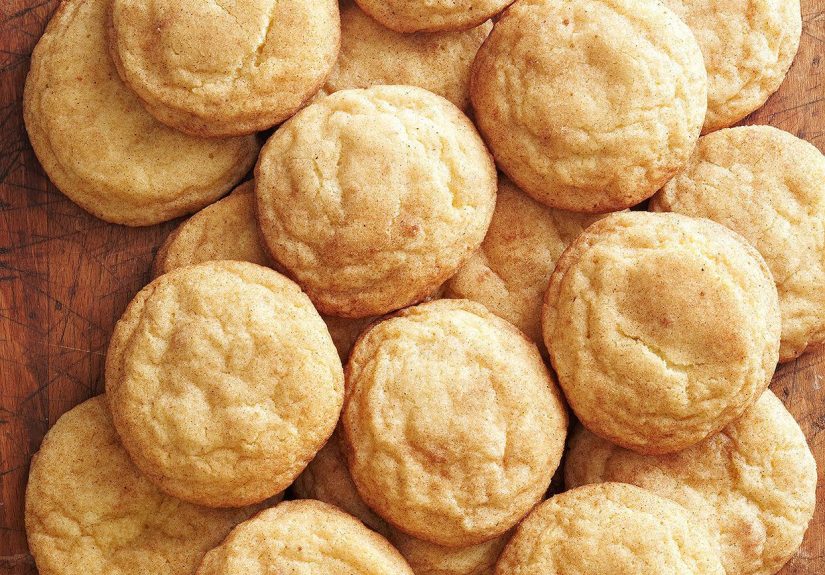
A snickerdoodle is a classic American cookie made from a simple dough that is rolled in cinnamon sugar before baking. It is usually soft or chewy in the middle, lightly crisp at the edges, and easy to spot thanks to its crackled top and warm, spiced coating. At first glance, it may seem like a sugar cookie wearing a cinnamon sweater. But that sweater matters.
The defining difference is usually cream of tartar, the ingredient that gives traditional snickerdoodles their subtle tang and helps create their signature texture. That one addition changes the cookie’s personality. A basic sugar cookie can be buttery, sweet, and straightforward. A snickerdoodle has more bounce, more character, and a little extra attitude. It is the cookie equivalent of someone who shows up in a simple outfit but somehow looks better than everyone else in the room.
Why Snickerdoodles Taste So Distinctive
The Cinnamon-Sugar Coating
This is the first thing most people notice. Before the dough hits the oven, each ball is rolled in a mixture of granulated sugar and cinnamon. During baking, that coating creates a thin, slightly crisp exterior with a warm spice note that makes the cookie instantly recognizable. It is not complicated, but it is incredibly effective. Cinnamon adds fragrance, sugar adds sparkle, and together they deliver that nostalgic bakery-case look.
The Cream of Tartar Effect
Traditional snickerdoodles use cream of tartar for two big reasons. First, it adds a mild tang that balances the sweetness. Second, it works with baking soda to influence spread, lift, and tenderness. That combination helps create the classic snickerdoodle texture: pillowy inside, gently crisp outside, and beautifully crackled on top. Without it, you can still make a good cinnamon cookie, but it will not have the same signature snickerdoodle identity.
The Texture Contrast
The best snickerdoodles are all about contrast. The outside should feel lightly crisp and sugar-kissed. The inside should stay soft, tender, and just a little chewy. That contrast is what makes these cookies so addictive. They are never meant to be dense hockey pucks or dry little discs of disappointment. A good snickerdoodle should feel inviting, not like a dental challenge.
The Ingredients That Matter Most
Because the ingredient list is short, every choice pulls real weight. There is nowhere for blandness to hide.
Flour
All-purpose flour is the standard because it provides enough structure without making the cookies tough. Too much flour, though, is one of the fastest ways to end up with dry snickerdoodles. If you scoop directly from the bag and pack the cup, you may accidentally turn your cookie dough into edible drywall. Measuring carefully matters here.
Butter, Shortening, or Both
This is where recipes start to split into teams. Butter gives richer flavor. Shortening helps control spread and can create a softer, more old-school texture. Some bakers use both to get the best of each world: buttery flavor and reliable shape. Neither camp is wrong. It depends on whether you want a richer cookie, a puffier cookie, or a little compromise that makes everyone at the cookie tin happy.
Sugar
Granulated sugar is classic for both the dough and the coating. Some newer variations work in brown sugar for added moisture and a deeper caramel note, but the traditional version leans on plain white sugar for a clean, bright sweetness that lets the cinnamon and tang shine.
Eggs
Eggs bring structure, moisture, and richness. They also help the dough hold together and support that tender bite people expect from homemade snickerdoodles.
Cinnamon
Snickerdoodles are not trying to knock you over with aggressive spice. The cinnamon should taste warm and fragrant, not like someone accidentally dumped half the spice cabinet into the bowl. It is there to perfume the cookie and round out the sweetness.
How to Make Snickerdoodles That Actually Taste Amazing
The beauty of snickerdoodles is that they are beginner-friendly, but that does not mean they should be treated casually. A few smart moves can take them from “nice” to “who brought these and can I have six more?”
1. Cream the Fat and Sugar Properly
Whether you use butter, shortening, or both, take the time to cream them well with the sugar. This step traps air and helps create a lighter cookie. If you rush it, the dough may still work, but the final texture will be less dreamy.
2. Do Not Overmix Once the Flour Goes In
Mix just until the dough comes together. Overmixing develops too much gluten, which can make the cookies tougher than they should be. Snickerdoodles are supposed to be charming, not stubborn.
3. Roll Generously in Cinnamon Sugar
Do not be shy. A thin coat gives you flavor, color, and that classic crackled finish. Some bakers even double-roll the dough balls for more coverage. That move is not mandatory, but it is a pretty delicious flex.
4. Watch the Bake Closely
Overbaking is the enemy of the soft snickerdoodle. Pull them when the edges are set and the centers still look slightly soft. They will continue to firm up on the baking sheet as they cool. If you wait until they look fully done in the oven, you may end up with cookies that taste fine but miss that tender middle.
5. Let Them Rest
Fresh from the oven, snickerdoodles are delicate. Give them a few minutes on the baking sheet before moving them to a rack. This helps them finish setting without breaking apart.
Common Snickerdoodle Mistakes
Even a cookie with a whimsical name can punish carelessness.
Using Too Much Flour
This is a classic baking pitfall and a top reason cookies turn out dry. Lightly spoon flour into the measuring cup or use a kitchen scale if you want consistency.
Skipping the Cream of Tartar
You can make cinnamon sugar cookies without it, but if you want a true snickerdoodle, this is the ingredient that helps deliver the expected tang and texture. Skipping it changes the cookie more than many people realize.
Flattening the Dough Too Much
Let the oven do the work. If you squash the dough balls before baking, you may lose some of that soft thickness that makes snickerdoodles so satisfying.
Baking Too Long
Snickerdoodles should not be baked until they are deeply browned and firm all over. A pale golden cookie with set edges is usually the sweet spot.
Snickerdoodles vs. Sugar Cookies
This is the dessert version of a cousin mix-up. Yes, they are related. No, they are not the same person.
Sugar cookies usually lean more buttery and straightforward, and they are often rolled in plain sugar or decorated with icing. Snickerdoodles, by contrast, bring cinnamon sugar to the party and usually rely on cream of tartar for their signature tang and tenderness. Sugar cookies are a blank canvas. Snickerdoodles already know who they are.
Modern Twists on the Classic
Part of what keeps snickerdoodles popular is how easily they adapt. The classic version still rules, but bakers love giving it new costumes.
Brown Butter Snickerdoodles
Brown butter adds nutty, toasty depth that makes the cookies feel a little more grown-up without losing their charm.
Pumpkin Snickerdoodles
These bring fall flavor and a softer, cakier texture. They are basically sweater weather in edible form.
Chocolate or Maple Variations
Chocolate snickerdoodles deliver a richer twist, while maple versions add a cozy, breakfast-adjacent sweetness that somehow feels both indulgent and wholesome. It is a lie, of course, but a pleasant one.
Gluten-Free Versions
With the right flour blend, snickerdoodles adapt surprisingly well. The cinnamon sugar coating and soft center give them enough personality to survive ingredient swaps without feeling like a compromise cookie.
Why People Keep Coming Back to Snickerdoodles
Snickerdoodles endure because they hit a sweet spot between comfort and character. Chocolate chip cookies may be the universal superstar, but snickerdoodles have a quieter kind of loyalty. They are familiar without being ordinary. They feel old-fashioned, but not dated. They are easy enough for a weeknight baking session and special enough for holiday gifting.
There is also something deeply nostalgic about the flavor. Cinnamon sugar has a way of making people think of school bake sales, family kitchens, winter weekends, church potlucks, office cookie exchanges, or that one neighbor who always seemed to bake better than everyone else on the block. Snickerdoodles do not just taste good. They carry memory well.
Experiences That Make Snickerdoodles More Than Just Cookies
The experience of baking snickerdoodles is part of their appeal. You start with an ordinary-looking dough, and then suddenly your kitchen smells warm, sweet, and slightly spiced, like comfort itself has put on an apron. The sugar bowl comes out, the cinnamon joins the scene, and everything feels a little more cheerful. Even people who claim they are “not really dessert people” tend to drift suspiciously close to the cooling rack at this point. Funny how that works.
For beginner bakers, snickerdoodles are often a confidence booster. They do not require fancy decorating skills, expensive ingredients, or a pastry degree earned under emotional duress. You mix, scoop, roll, bake, and suddenly you have a tray of cookies that look charmingly homemade. Their crackled tops make them look more impressive than the effort suggests, which is honestly a beautiful quality in both cookies and life decisions.
Snickerdoodles also shine in family kitchens. Kids love rolling dough balls in cinnamon sugar because it feels like edible arts and crafts. Adults love the fact that the process is simple enough to do while holding a conversation, supervising homework, or pretending they are not sneaking pieces of dough when no one is looking. These cookies invite participation. They are not precious. They do not demand silence or perfection. They just ask you to show up and bake.
Then there is the memory factor. Plenty of people can describe the first snickerdoodle they really remember: a cookie tin at the holidays, a grandmother’s hand-written recipe card, an after-school plate waiting on the counter, or a batch shared during a cold afternoon when the whole house smelled like cinnamon. Snickerdoodles seem to attach themselves to ordinary moments and make them feel larger. They are rarely dramatic, but they are deeply dependable, and dependable food has a way of becoming emotional shorthand.
They are also excellent sharing cookies. Bring snickerdoodles to an office, and even the person who usually says “I’ll just have half” somehow returns for a full second cookie. Pack them into gift boxes, and they travel well enough to still feel fresh and welcoming. Serve them warm with coffee, tea, or milk, and nobody complains. That kind of versatility is not flashy, but it is powerful. Some desserts want attention. Snickerdoodles simply earn affection.
And maybe that is the real reason they last. In a world full of over-the-top dessert mashups and social-media stunts, snickerdoodles remain gloriously human. They are cozy, forgiving, uncomplicated, and genuinely good. They do not need a molten center, a six-inch frosting tower, or a branding consultant. They just need a bowl, a little cinnamon sugar, and someone willing to bake a batch. That is not just a cookie experience. That is a reminder that simple things can still be the ones people remember most.
Conclusion
Snickerdoodles have survived for good reason. They offer more than sweetness. They bring texture, warmth, nostalgia, and just enough tang to stay interesting. The cinnamon-sugar coating gives them instant charm, the cream of tartar gives them their signature personality, and the soft, crackly finish keeps them firmly in the “one more won’t hurt” category. Whether you love the classic version or enjoy modern twists like brown butter or pumpkin, snickerdoodles remain one of the most satisfying cookies a home baker can make.
In other words, snickerdoodles are not trying to be trendy. They are too busy being timeless.
Note: Clean HTML body only, English content only, and SEO tags are included in JSON format at the end for publishing convenience.