Table of Contents >> Show >> Hide
- Why You Will Love This Spiced Pear Preserves Recipe
- Best Pears for Preserves
- Ingredients
- How to Make Spiced Pear Preserves
- Storage Tips
- Flavor Variations
- How to Serve Spiced Pear Preserves
- Troubleshooting Common Problems
- Frequently Asked Questions
- Final Thoughts
- Experiences and Kitchen Moments Inspired by Spiced Pear Preserves
- SEO Tags
If fall had a signature spread, it would probably be spiced pear preserves. Sweet, soft pear pieces, cozy cinnamon, a little ginger, a whisper of clove, and that glossy spoonable finish that makes toast feel suspiciously fancy. This is the kind of recipe that turns an ordinary breakfast into a small victory and makes a cheese board look like you planned your life beautifully, even if you absolutely did not.
A great spiced pear preserves recipe is not just about sugar and fruit. It is about balance. Pears are naturally mellow, so they need enough acid to taste bright, enough spice to feel warm, and enough cooking time to become silky without turning into baby food. The best versions keep some tender fruit pieces intact, because preserves should feel generous and rustic, not like anonymous beige paste in a jar.
This article walks you through a deeply flavored, small-batch version that is ideal for the refrigerator or freezer, with tips for texture, sweetness, spice layering, and serving ideas. You will also find notes on pear varieties, troubleshooting, and food-preservation basics, so your preserves taste like something you would proudly gift instead of quietly hiding in the back of the fridge behind the mustard.
Why You Will Love This Spiced Pear Preserves Recipe
There are plenty of fruit preserves in the world, but pears bring something different to the table. They are sweet without shouting. They absorb warm spices beautifully. They soften into a luxurious texture that feels halfway between jam and poached fruit. In other words, they are the introverts of the preserve world, and once they open up, they are delightful.
This recipe works especially well because it uses a layered flavor approach. Fresh lemon juice sharpens the fruit. Granulated sugar gives the preserves structure. A little brown sugar adds depth without making the jar taste like dessert syrup. Cinnamon, ginger, cloves, cardamom, and nutmeg create a classic spiced profile, but in moderation, so the pears still taste like pears. That part matters.
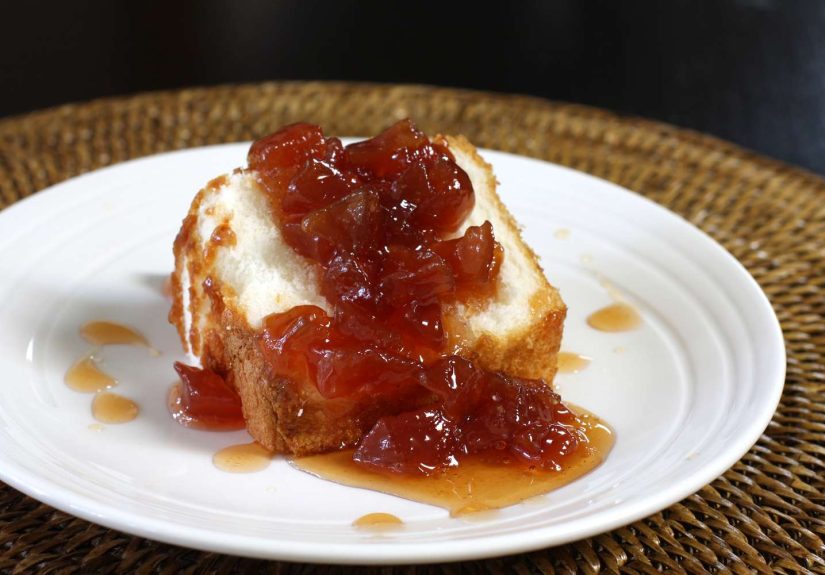
The result is a preserve that is sweet but not flat, spiced but not aggressive, and thick enough to spread while still showing off soft fruit pieces. It is equally good on toast, biscuits, scones, oatmeal, roast pork, yogurt, vanilla ice cream, or eaten straight from the spoon while standing barefoot in the kitchen like a jam goblin. No judgment here.
Best Pears for Preserves
If you want the best texture, choose pears that are ripe but still firm. Overripe pears collapse too quickly and can leave you with a mushy preserve. Underripe pears can taste flat and may never become properly tender. The sweet spot is fruit that smells fragrant and gives just slightly near the stem.
Bartlett pears are a favorite because they become silky and sweet as they cook. Bosc pears hold their shape a little better and bring a richer, almost honeyed flavor. Anjou pears also work nicely when they are ripe but not soft. If you want more visible pear chunks in the finished jar, Bosc is a strong choice. If you want a softer, more old-fashioned spoon preserve, Bartlett is wonderful.
Before cooking, peel, core, and dice the pears, then toss them with lemon juice right away. Pears brown quickly, and while the world will not end if they do, bright fruit makes prettier preserves. Pretty food is not everything, but it certainly does not hurt when you are trying to impress brunch guests.
Ingredients
Yield: About 4 cups
Prep time: 25 minutes
Cook time: 35 to 45 minutes
Total time: About 1 hour 10 minutes
- 3 pounds ripe but firm pears, peeled, cored, and diced
- 1/4 cup fresh lemon juice
- 2 1/2 cups granulated sugar
- 1/2 cup light brown sugar
- 1/2 cup water or unsweetened apple juice
- 1 cinnamon stick
- 1 tablespoon thinly sliced fresh ginger
- 4 whole cloves
- 1/4 teaspoon ground cardamom
- 1/8 teaspoon ground nutmeg
- 1/4 teaspoon kosher salt
- 1 teaspoon vanilla extract
- 1 teaspoon lemon zest, optional but excellent
Why these ingredients work: The lemon brightens flavor and helps balance sweetness. Brown sugar adds a subtle caramel note. Whole spices create depth without muddying the preserves, and vanilla rounds everything out at the end. It is basically a pear sweater in jar form.
How to Make Spiced Pear Preserves
Step 1: Prep the pears
Peel, core, and dice the pears into small, even pieces. Aim for about 1/2-inch chunks. Toss them immediately with the lemon juice in a large bowl. This keeps the fruit looking fresh and gives the preserves a cleaner, brighter finish.
Step 2: Build the flavor base
In a wide, heavy-bottomed pot, combine the pears, granulated sugar, brown sugar, water or apple juice, cinnamon stick, ginger, cloves, cardamom, nutmeg, salt, and lemon zest if using. Stir well and let the mixture sit for 10 minutes. This short rest helps the pears release their juices so the pot starts cooking with flavor instead of panic.
Step 3: Simmer gently, then cook a little harder
Set the pot over medium heat and stir until the sugar dissolves. Once the mixture starts bubbling, reduce the heat slightly and simmer for 15 minutes, stirring often. The pears will soften and the syrup will thin out before it thickens. That is normal. Fruit preserves are emotionally complex.
Step 4: Thicken the preserves
Raise the heat to medium-high and cook for another 15 to 25 minutes, stirring more frequently as the liquid reduces. Use the back of your spoon or a potato masher to crush some of the pears while leaving plenty of chunks intact. The preserves are ready when they look glossy, the bubbles become thicker and slower, and a spoon dragged across the bottom of the pot leaves a brief trail.
Step 5: Test the texture
Place a small plate in the freezer before you begin cooking. Spoon a little preserve onto the cold plate and let it sit for 30 seconds. Run your finger through it. If the line holds and the preserve wrinkles slightly, it is ready. If it runs like pear soup, cook a little longer. Delicious pear soup is still soup.
Step 6: Finish and cool
Remove the cinnamon stick and cloves. Stir in the vanilla extract. Let the preserves cool for 10 minutes, then spoon into clean jars. Cool completely before sealing.
Storage Tips
For this version, store the preserves in the refrigerator for up to 3 weeks. For longer storage, freeze in freezer-safe containers for up to 3 months, leaving some room at the top for expansion.
If you want to make canned pear preserves for shelf storage, use a tested canning formula and follow the exact jar size, headspace, and altitude-adjusted boiling-water processing directions given by a trusted home-preservation authority. Traditional pear preserves are not the place for freestyle chemistry. Jam has enough drama already.
Flavor Variations
1. Ginger-forward preserves
Add an extra teaspoon of finely minced fresh ginger for a brighter, zippier finish. This is especially good if you plan to serve the preserves with cheese or roast meats.
2. Vanilla bean pear preserves
Replace the vanilla extract with seeds from half a vanilla bean. The flavor is soft, floral, and just a little luxurious.
3. Orange-spiced version
Swap part of the lemon zest for orange zest. Orange, pear, and cinnamon are a very charming trio, like the fall version of a holiday card.
4. Cardamom-lovers’ batch
Increase the cardamom slightly if you want a more aromatic Scandinavian-style flavor profile. Just do not overdo it. Cardamom is wonderful, but it can turn bossy fast.
How to Serve Spiced Pear Preserves
This homemade pear preserves recipe is wildly versatile. Spread it on buttered toast, flaky biscuits, or warm English muffins. Spoon it over Greek yogurt, oatmeal, waffles, or pancakes. Add a glossy spoonful to a grilled cheese sandwich with sharp cheddar or brie. Use it as a glaze starter for roasted chicken or pork tenderloin. Stir a little into pan sauces. Dollop it onto cheesecake. Add it to thumbprint cookies. Slip it into a baked brie situation and watch people become oddly emotional.
For holiday entertaining, try pairing it with blue cheese, toasted walnuts, sliced baguette, and prosciutto. The sweet fruit and warm spice make everything on the board taste smarter.
Troubleshooting Common Problems
The preserves are too thin
They probably just need more cooking time. Pears contain a lot of water, and reduction is part of the process. Use a wide pot to help moisture evaporate faster.
The preserves are too thick
You cooked them a little long. Stir in a tablespoon or two of hot water or apple juice until the texture loosens.
The spices taste harsh
Too much clove is often the culprit. Next time, use fewer cloves or remove them earlier. Clove has a powerful personality.
The fruit disappeared into mush
Your pears were probably too ripe, or the mixture cooked too long before testing. Use firmer pears for a chunkier preserve.
Frequently Asked Questions
Can I reduce the sugar?
For a refrigerator preserve, you can reduce it slightly, but the texture and shelf life will change. Sugar does more than sweeten; it affects body, gloss, and preservation. If you want a low-sugar canning version, follow a tested low-sugar recipe designed for that purpose.
Do I need pectin?
Not for this recipe. Pears can be cooked down into a beautiful spoonable preserve without commercial pectin, especially when combined with sugar and lemon juice. The texture will be more relaxed and luscious than a firm jelly, which is exactly the point.
Can I leave the peels on?
You can, but the finished texture will be less delicate. For classic preserves, peeled pears give the prettiest and most tender result.
What is the difference between pear jam and pear preserves?
Pear jam is usually made with crushed fruit and has a more uniform texture. Pear preserves should contain noticeable fruit pieces suspended in a thick syrup. Preserves feel more rustic, more elegant, and slightly more likely to make you say, “Oh wow,” while opening the jar.
Final Thoughts
This spiced pear preserves recipe proves that pears deserve far more attention in the preserve department. They may not have the loud fan club of strawberries or peaches, but they bring mellow sweetness, lovely body, and remarkable chemistry with warm spices. A spoonful can brighten breakfast, rescue a cheese board, upgrade dessert, or make a weekday snack feel surprisingly civilized.
The beauty of pear preserves is that they feel both old-fashioned and useful. They fit into the cozy mood of fall and winter, yet they are practical enough to keep in the fridge all season long. Once you make a batch, you will start finding excuses to put them on everything. Some of those excuses will be reasonable. Others will involve standing at the counter with a spoon. Both are valid.
Experiences and Kitchen Moments Inspired by Spiced Pear Preserves
There is something wonderfully specific about the smell of pears cooking with cinnamon and ginger. It does not shout the way apple pie does. It sort of glides through the kitchen, warm and mellow, and suddenly the room feels tidier, calmer, and more forgiving. Even if the sink is full of dishes and you are wearing the same sweatshirt for the third day in a row, the house briefly feels like the kind of place where people naturally bake for neighbors and know how to fold cloth napkins.
One of the best things about making spiced pear preserves is that the process feels generous. The pears start out plain, almost modest, and then slowly become glossy and fragrant. The transformation is satisfying in a way that fast recipes are not. You peel, chop, stir, taste, adjust, and wait. Nothing dramatic happens all at once. Instead, the pot quietly gets better and better until you realize you are hovering over it like a theater critic with a wooden spoon.
These preserves also have a talent for becoming part of family rituals. A jar tucked into a holiday breakfast basket somehow feels more thoughtful than store-bought jam. A spoonful served next to roast pork at Sunday dinner tastes like someone put real care into the meal. Even a plain buttered biscuit can suddenly feel special. Pear preserves are not flashy, and maybe that is why people remember them. They slip into ordinary moments and make them feel a little more intentional.
Many home cooks have a story about their first preserve batch being either too runny, too thick, or enthusiastically over-spiced. That is part of the charm. You learn that pears vary. You learn that one extra clove can turn “gently cozy” into “holiday candle.” You learn that texture changes as preserves cool. Most of all, you learn that a slightly imperfect homemade jar still tastes far better than most people expect. Homemade food has room for quirks. In fact, quirks are often the best part.
There is also a nostalgic side to this recipe. Spiced fruit preserves feel connected to older kitchens, handwritten index cards, and the kind of practical cooking that wasted nothing good. When pears were plentiful, people found ways to stretch the season. That instinct still feels appealing today. Making preserves is not only about saving fruit. It is about slowing down enough to enjoy the transformation. It is about turning a bowl of ripe pears into something that lasts longer than the afternoon.
And then there is the gifting factor. Homemade spiced pear preserves are deeply charming in a small jar with a simple label and a ribbon. They look thoughtful because they are thoughtful. You made them. You stirred the pot. You checked the texture. You filled the jars. That level of effort reads loud and clear, even if the actual process was not difficult. People receive a jar of pear preserves and immediately assume you are more organized and graceful than you probably feel. That is one of the great hidden benefits of preserving.
In the end, the experience of making spiced pear preserves is about more than a recipe. It is about aroma, patience, memory, and usefulness. It is about keeping something sweet on hand for mornings that need help and gatherings that need a finishing touch. It is about noticing that pears, humble as they are, can become something beautiful with a little sugar, a little spice, and a little time. That is a pretty good kitchen lesson, honestly.