Table of Contents >> Show >> Hide
- What Is a Square Doorbell Button?
- Why Choose a Square Doorbell Button?
- Types of Square Doorbell Buttons
- Best Materials for a Square Doorbell Button
- Popular Finishes for Square Doorbell Buttons
- How to Choose the Right Square Doorbell Button
- Installation Basics for a Wired Square Doorbell Button
- Square Doorbell Button and Smart Doorbells: Can They Work Together?
- Design Ideas for Using a Square Doorbell Button
- Maintenance Tips for a Square Doorbell Button
- Real-Life Experiences With a Square Doorbell Button
- Conclusion: Is a Square Doorbell Button Worth It?
A square doorbell button may be small enough to hide under your thumb, but it has a surprisingly big job. It welcomes guests, completes the look of your entryway, and saves visitors from performing that awkward front-porch dance where they wonder, “Do I knock? Do I shout? Is this house protected by a sleeping dog named Meatball?”
For many homeowners, the doorbell button is one of those details that gets ignored until it cracks, yellows, sticks, or starts looking like it came free with a 1987 garage sale. But a square button can instantly make a front door feel more intentional. It is clean, balanced, architectural, and easy to match with modern, farmhouse, craftsman, mid-century, or traditional exterior styles.
This guide explains what a square doorbell button is, how it works, what materials and finishes to consider, how to choose between wired and wireless options, and what real-life details matter before installation. Spoiler: yes, measuring matters. Doorbell buttons are tiny, but they have the dramatic confidence of a full kitchen renovation when the screw holes do not line up.
What Is a Square Doorbell Button?
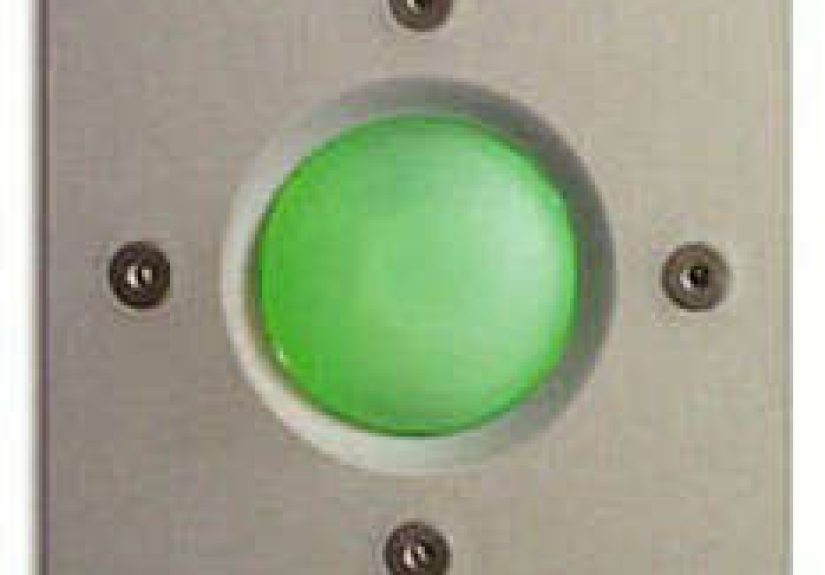
A square doorbell button is a doorbell push button with a square faceplate or square housing. It may use a round center button, a small rectangular press area, or a modern touch-sensitive surface. The square shape gives the button a crisp, symmetrical look that works especially well beside modern doors, flat trim, stone columns, stucco walls, metal gates, and clean-lined siding.
Most square doorbell buttons fall into one of two main categories: wired doorbell buttons and wireless doorbell buttons. A wired model connects to low-voltage doorbell wiring and activates an indoor chime. A wireless model uses battery power or a transmitter to send a signal to a receiver inside the home. Both can be useful, but the best choice depends on your existing setup, the style of your home, and whether you enjoy changing batteries as a hobby. Most people do not.
Why Choose a Square Doorbell Button?
The square design is popular because it looks deliberate. A round button can be charming, and a rectangular one is practical, but a square doorbell button often feels more finished. It creates visual balance near a door handle, house number plaque, smart lock, porch light, or mailbox slot.
1. It Looks Modern Without Trying Too Hard
Modern exterior design is full of clean edges, flat surfaces, matte finishes, and simple shapes. A square doorbell button fits right in. It does not scream for attention; it simply stands there looking composed, like it has excellent credit and alphabetized spice jars.
2. It Works With Many Home Styles
Square does not always mean ultra-modern. A solid brass square rosette can look vintage. A black square surface-mount button can suit a craftsman entry. A brushed nickel or stainless steel version can blend with contemporary hardware. An oil-rubbed bronze square button can soften the look of brick, wood, or stone.
3. It Gives the Entryway a Finished Detail
Small exterior hardware affects curb appeal. A worn plastic button next to a freshly painted door can look like wearing muddy sneakers with a tuxedo. A square doorbell button offers a simple upgrade that makes the entrance feel cared for, even if the rest of the porch is currently being guarded by one lonely Amazon box.
Types of Square Doorbell Buttons
Wired Square Doorbell Button
A wired square doorbell button is the classic choice for homes with existing doorbell wiring. It acts as a simple switch. When someone presses the button, it completes the low-voltage circuit and triggers the chime inside the home. These buttons are usually reliable, low maintenance, and compatible with many traditional mechanical or electronic chime systems.
Most wired doorbell systems use a transformer that reduces standard household current to safer low voltage. Common doorbell systems often use ratings such as 16 volts, though exact requirements vary by chime, transformer, and device. Before buying any replacement, check your existing chime and transformer requirements instead of guessing. Guessing is fine for jellybean flavors, not electrical compatibility.
Wireless Square Doorbell Button
A wireless square doorbell button is useful when your home does not have existing doorbell wiring or when installing new wiring would require drilling through masonry, fishing wires through walls, or having an emotional conversation with your toolbox. Wireless buttons are usually easier to install and can be placed in flexible locations.
The trade-off is that wireless models may require batteries, and performance depends on signal range, walls, interference, and receiver placement. For renters, detached gates, workshops, or side entrances, wireless square buttons can be a practical solution.
Illuminated Square Doorbell Button
An illuminated square doorbell button includes a lighted center button, LED ring, or glowing halo. This is not just decorative. It helps visitors find the button at night, especially on porches with dim lighting. Lighted buttons are common in both traditional and modern styles.
For a contemporary home, a square stainless steel button with a soft LED ring can look polished and high-end. For a classic home, a brass square button with a lighted center can feel warm and familiar. Either way, guests appreciate not having to poke random objects in the dark and hope one of them rings the bell.
Recessed vs. Surface-Mount Square Buttons
A surface-mount square doorbell button sits on top of the wall or trim. It is typically easier to install and works well when replacing an existing button. A recessed square doorbell button sits partly inside the mounting surface, creating a cleaner, more built-in appearance. Recessed models can look beautiful, but they may require a deeper opening, more careful measuring, and sometimes more advanced installation.
Best Materials for a Square Doorbell Button
Doorbell buttons live outside, where they deal with sun, rain, temperature swings, dust, fingerprints, and the occasional enthusiastic delivery driver. Material matters.
Stainless Steel
Stainless steel is a favorite for modern square doorbell buttons. It resists corrosion, looks clean, and pairs well with contemporary hardware. Brushed stainless finishes are especially good at hiding minor fingerprints and small scratches. For coastal areas or wet climates, higher-grade stainless steel can be a smart choice.
Solid Brass
Solid brass is durable, classic, and available in finishes such as polished brass, antique brass, satin brass, and oil-rubbed bronze. A square brass doorbell button can look elegant on historic homes, traditional porches, and upscale entryways. Brass may develop patina over time, which some homeowners love and others treat like an uninvited guest.
Aluminum and Zinc Alloy
Some affordable square doorbell buttons use aluminum or zinc alloy. These materials can be lightweight, budget-friendly, and attractive when finished properly. They may not feel as substantial as solid brass or stainless steel, but they can still perform well when protected from harsh weather.
Plastic
Plastic buttons are common, inexpensive, and easy to replace. They are practical for basic installations, but they may discolor, crack, or feel less premium over time. If curb appeal is your goal, a metal square doorbell button usually makes a stronger impression.
Popular Finishes for Square Doorbell Buttons
The finish should coordinate with your exterior hardware. It does not have to match every item perfectly, but it should look intentional.
Matte Black
Matte black is popular for modern farmhouse, contemporary, and transitional homes. It pairs well with black door handles, black house numbers, black porch lights, and white or natural wood doors. A square black doorbell button creates strong contrast and is easy to spot.
Brushed Nickel
Brushed nickel offers a softer metallic look. It works with gray siding, cool-toned stone, stainless hardware, and many modern doors. It is less flashy than polished chrome and more forgiving than mirror-like finishes.
Oil-Rubbed Bronze
Oil-rubbed bronze gives a warm, traditional look. It suits brick homes, wood doors, craftsman trim, and classic exterior lighting. A square oil-rubbed bronze button can add character without looking overly ornate.
Polished Brass or Antique Brass
Brass is having a well-earned comeback. Polished brass feels bright and formal, while antique brass feels aged and cozy. A square brass doorbell button can look especially handsome on dark green, navy, black, red, or natural wood doors.
How to Choose the Right Square Doorbell Button
Check Your Existing Doorbell System
Before shopping, determine whether you have a wired or wireless system. If your current button has two small wires behind it, you likely have a wired doorbell. If there are no wires and the button uses a battery, it is wireless. For wired systems, check your transformer and chime compatibility, especially if you are switching to an illuminated button or combining the system with a video doorbell.
Measure the Mounting Area
Measure the width, height, and depth available where the button will go. Also measure the distance between screw holes if you want to reuse existing holes. Square buttons can range from compact faceplates around 2.5 inches wide to larger architectural plates around 3 inches or more. A button that looks perfect online may look oddly huge on narrow trim. Door trim has no mercy.
Think About Visibility
The button should be easy to find. If your entryway is dark, choose an illuminated square doorbell button. If your wall is dark, consider a lighter finish. If your siding is white, black or bronze can provide contrast. The best doorbell button is not only attractive; it is obvious enough that visitors do not accidentally press your smart lock, outdoor outlet cover, or decorative screw cap.
Match the Home’s Personality
A sleek stainless square button may look great on a modern glass-and-steel entry, but it might feel out of place on a cottage with vintage lanterns and a painted wood door. Likewise, an ornate brass button might look dramatic on a historic home and slightly confused on a minimalist stucco wall. Let the house vote.
Installation Basics for a Wired Square Doorbell Button
Replacing a basic wired doorbell button is often a manageable DIY project, but safety still matters. Doorbells usually use low voltage at the button, but the transformer connects to household power. Turn off power to the doorbell circuit before working, and call a qualified electrician if you are unsure, if wiring looks damaged, or if the transformer needs replacement.
Basic Replacement Steps
First, turn off power at the breaker. Remove the old button screws and gently pull the button away from the wall. You should see two low-voltage wires connected to the back. Take a photo before disconnecting anything. Then loosen the terminal screws, remove the wires, attach them to the new square doorbell button terminals, and mount the new button securely. Restore power and test the chime.
In most simple wired push buttons, the two wires can connect to either terminal because the button functions as a switch. However, always follow the manufacturer’s instructions for your specific model, especially with illuminated, touch-sensitive, or smart-compatible buttons.
Common Installation Mistakes
The most common mistakes include forgetting to turn off power, letting wires slip back into the wall, buying a button that does not cover old paint marks, choosing the wrong voltage compatibility, and tightening screws so aggressively that the button plate cracks or bends. A doorbell button should be snug, not punished.
Square Doorbell Button and Smart Doorbells: Can They Work Together?
A square doorbell button is usually a traditional push button, while a video doorbell is a larger smart device with a camera, speaker, microphone, and app connection. In many homes, one replaces the other. However, some homeowners use a decorative button for one entrance and a video doorbell for another, such as a front gate, side door, or back entry.
If you are planning a smart doorbell upgrade, check transformer voltage and chime compatibility carefully. Many video doorbells require a stronger transformer than an older basic chime system. A traditional square button may work beautifully with a standard wired chime, but smart systems have their own requirements.
Design Ideas for Using a Square Doorbell Button
Modern Black Door Setup
Pair a matte black square doorbell button with black house numbers, a black handle set, and a warm wood or charcoal front door. Add a simple cylinder porch light and the entry instantly looks updated. This is the “quiet luxury” version of doorbell design, except it does not require selling a kidney.
Classic Brass Entry
Use an antique brass square button beside a navy, burgundy, or dark green door. Match it with a brass knocker, brass mail slot, or warm lantern. This combination feels timeless and welcoming.
Minimal Stainless Steel Look
Choose a brushed stainless square button for a modern home with concrete, glass, metal railings, or smooth stucco. A soft illuminated ring can add a subtle high-end effect at night.
Craftsman Porch Upgrade
For a craftsman home, consider oil-rubbed bronze or aged brass. Mount the square button on wood trim or a small backplate that complements the porch columns and lantern-style lighting.
Maintenance Tips for a Square Doorbell Button
Most doorbell buttons need very little maintenance. Wipe the faceplate occasionally with a soft damp cloth. Avoid harsh abrasive cleaners, especially on plated finishes. For metal buttons, follow the care instructions provided by the manufacturer. If the button sticks, flickers, or stops working, check the chime, wiring, transformer, and button connections.
If you live near the ocean, inspect metal hardware more often because salt air can speed corrosion. If the button is exposed to direct rain, consider a weather-resistant model and make sure it is sealed properly against the mounting surface.
Real-Life Experiences With a Square Doorbell Button
One of the most interesting things about upgrading to a square doorbell button is how such a small change can make the entry feel more complete. Many homeowners start with a practical problem: the old button is cracked, faded, loose, or no longer lights up. They expect a simple replacement. Then the new square button goes on, and suddenly the front door looks more polished. It is the same feeling as replacing old cabinet knobs in a kitchen. Nothing structural changed, but the room stands a little taller.
In real installations, the first lesson is almost always about size. A homeowner may order a beautiful square stainless steel button and then discover that the old rectangular button left behind paint shadows, screw holes, or a rough patch in the trim. A slightly larger square faceplate can solve this beautifully by covering the old marks. But if the trim is narrow, a large 3-inch square button may overlap edges or look crowded. Measuring the available space before buying saves a lot of muttering on the porch.
The second experience is about finish matching. A matte black square doorbell button can look fantastic, but it looks even better when the handle set, outdoor light, or house numbers also use black. The same is true for brass, bronze, and nickel. The goal is not perfect matching; it is visual harmony. A home can mix metals successfully, but the mix should feel planned. Otherwise, the entry can start looking like the hardware aisle had a committee meeting.
Illuminated buttons are another feature people often appreciate more after installation than before. During the day, the light may seem like a small bonus. At night, it becomes genuinely useful. Visitors find the button faster, delivery drivers do not tap the storm door by mistake, and guests are less likely to knock like they are trying to wake a castle guard. A soft LED ring or lighted center also gives the entry a subtle, welcoming glow.
Wired replacement is usually straightforward when the existing system is healthy. The old button comes off, the two wires connect to the new button, and the chime rings again. But real homes are full of surprises. Sometimes the wire ends are short. Sometimes they are brittle. Sometimes the old screws were painted over six times by previous owners with heroic confidence. Taking a photo before disconnecting the old button, holding the wires gently so they do not slip into the wall, and using the correct screwdriver can turn a frustrating job into a quick one.
Another common experience is discovering that the doorbell button was never the real problem. If the new square button does not ring, the issue may be the chime, transformer, wiring, or power supply. That is why testing matters. A doorbell system is simple, but it is still a system. The button is only one player on the team. Blaming it for everything is like blaming the door mat because nobody brought snacks.
For design-minded homeowners, the square shape often becomes part of a larger porch refresh. After replacing the button, they may notice the house numbers look tired, the porch light feels dated, or the door hardware no longer matches. This is not the button’s fault, though it may be the beginning of a very persuasive weekend project. A square doorbell button works especially well when paired with clean house numbers, a fresh door color, and simple lighting.
The best long-term experience comes from choosing quality materials. A solid brass or stainless steel square button may cost more than a basic plastic one, but it usually feels better, lasts longer, and improves curb appeal. For a front entry that people see every day, that small upgrade can be worth it. After all, the doorbell button is one of the first things a visitor touches. It should not feel like it is apologizing for itself.
Conclusion: Is a Square Doorbell Button Worth It?
A square doorbell button is worth considering if you want a small exterior upgrade with noticeable style impact. It can make your entryway look cleaner, more modern, more classic, or simply more finished depending on the material and finish you choose. Wired models are reliable for existing systems, wireless models are flexible for difficult installations, and illuminated options make life easier for nighttime visitors.
The key is to choose a button that fits your wiring, mounting space, exterior finish, and home style. Measure first, check compatibility, pick a durable material, and avoid choosing purely by looks. A beautiful button that does not fit is just a tiny square disappointment with screws.
When selected thoughtfully, a square doorbell button proves that curb appeal is not always about huge projects. Sometimes it is about one small detail that says, “Yes, this home has its act together.” Even if the garage still contains a mystery box labeled “miscellaneous cords.”