Table of Contents >> Show >> Hide
- What Is a Standard Porcelain Socket?
- Why Porcelain Still Matters
- Typical Specifications You Will See
- Where Standard Porcelain Sockets Are Commonly Used
- How to Choose the Right Standard Porcelain Socket
- Porcelain Socket vs. Plastic or Phenolic Socket
- Bulb Compatibility and the LED Reality Check
- Safety and Maintenance Notes
- Real-World Examples of Why People Buy Them
- Experience Section: Living With Standard Porcelain Sockets in Real Life
- Final Thoughts
- SEO Tags
If there were an award for “most likely to be ignored until the lights stop working,” the standard porcelain socket would win by a landslide. It is not glamorous. It does not come with an app. It will never be described as a “smart home essential” by someone wearing a headset in a YouTube thumbnail. And yet this humble electrical part has earned a permanent place in American homes, garages, workshops, utility rooms, and repair benches for one very simple reason: it works.
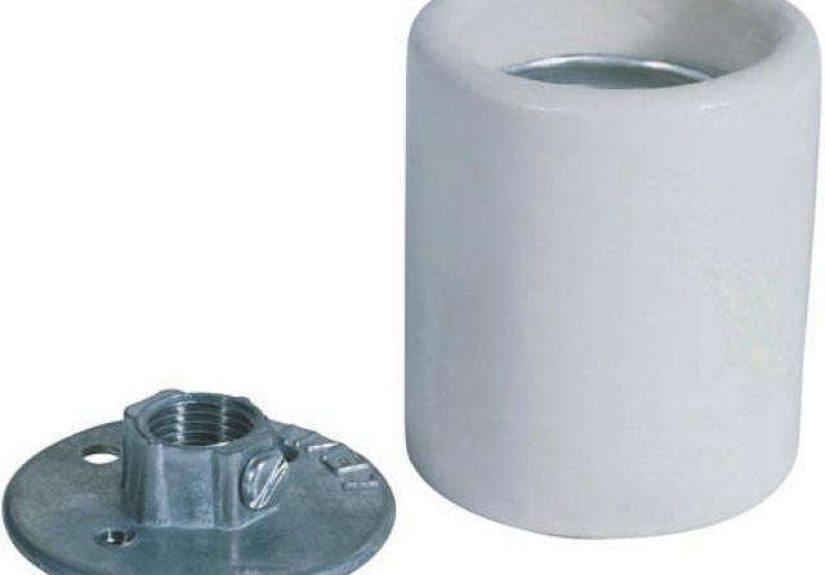
A standard porcelain socket is the kind of component that quietly does its job year after year while flashier fixtures get all the attention. In practical terms, it is a heat-resistant lamp holder designed to accept a standard medium-base bulb, most commonly an E26 bulb in the U.S. market. You will find it in keyless ceiling lampholders, pull-chain fixtures, replacement sockets for fans and lamps, and no-nonsense utility lighting setups. It is old-school in the best possible way: tough, straightforward, and refreshingly uninterested in trends.
What Is a Standard Porcelain Socket?
A standard porcelain socket is a ceramic-based light socket built to hold a light bulb securely while insulating the electrical connection. In many U.S. products, the word “standard” usually points to a medium base, which is the familiar E26 screw base used by a huge range of household bulbs. In other words, if your light bulb screws in the usual way and looks like a regular household bulb, there is a good chance this is the socket family you are dealing with.
These sockets are commonly sold in several formats. Some are keyless lampholders, meaning they have no built-in switch and are controlled by a wall switch or pull-chain upstream. Others include a pull chain for direct on-off control. Some mount directly to an outlet box, while others come with leads, threaded caps, hickeys, or shade rings for fixture building and repair work. Same basic idea, different hardware personalities.
Why Porcelain Still Matters
It handles heat better than many lightweight alternatives
The biggest reason porcelain still earns its keep is heat resistance. Lighting components can get hotter than people expect, especially in enclosed fixtures, older utility setups, or installations that once relied on incandescent bulbs. Porcelain does not panic under heat. It remains dimensionally stable, resists scorching better than many cheap plastics, and gives the socket a reputation for being durable in harder-working applications.
That is why porcelain sockets have long been popular in places where people want simple, dependable lighting without drama: garages, attics, basements, storage areas, workrooms, and service spaces. They are not a magic shield against misuse, of course. A porcelain socket is tough, but it is not granting permission to build a tiny indoor sun. The fixture rating still rules.
It is durable in a wonderfully boring way
Porcelain is one of those materials that has mastered the art of being boring and excellent at the same time. It does not rust. It does not soften when the fixture runs warm. It does not feel flimsy in the hand. When paired with brass or metal screw-shell components, it creates a socket that feels like it was designed by people who expected things to be repaired instead of tossed out.
It suits practical spaces
In decorative spaces, homeowners may choose sleek pendants, recessed lighting, or designer sconces. In practical spaces, people often want one thing: light, please, and preferably right now. This is where the standard porcelain socket shines. Literally. It is a favorite for utility lighting because it is affordable, easy to source, and compatible with common bulbs.
Typical Specifications You Will See
Although specs vary by brand and design, standard porcelain sockets in the U.S. often share a familiar profile:
- Medium base (E26) compatibility for common household bulbs
- Porcelain or glazed porcelain body for heat resistance and durability
- Traditional ratings up to 250V, with many common models historically rated as high as 660W depending on the product
- Keyless or pull-chain operation
- Box-mount, hickey-mount, or lead-wire configurations
- One-piece or two-piece construction depending on intended use
- Listed products from recognized manufacturers for code and safety confidence
This is where buyers get tripped up. They see “660W” and think they have found the socket equivalent of a muscle car. Not exactly. That number is part of the socket’s design rating, not a recommendation for everyday residential bulb use. You still need to follow the fixture’s labeling, bulb instructions, and safe operating conditions. With modern LED bulbs, the good news is that most households never come close to stressing these sockets the way old incandescent setups once could.
Where Standard Porcelain Sockets Are Commonly Used
The standard porcelain socket is basically the pickup truck of lighting parts. It may not be fancy, but it shows up where work needs to get done.
Utility rooms and basements
These sockets are a classic choice for unfinished or semi-finished areas where simple overhead lighting is more important than visual drama. If a basement fixture looks like it has been there since disco was still a fresh idea, there is a decent chance a porcelain lampholder is involved.
Garages and workshops
Work areas need dependable light and materials that can tolerate warmer operating conditions. Standard porcelain sockets are often used in straightforward fixtures for garages, sheds, and hobby spaces where reliability matters more than decorative flair.
Fixture repair and restoration
When restoring an older lamp, ceiling fan, or basic light fixture, a porcelain replacement socket can be an excellent match. It is commonly used when the original socket is cracked, worn, or electrically questionable. If the old socket looks like it has survived three paint jobs and one mysterious screwdriver incident, replacement is usually the better life choice.
Simple new fixture builds
DIY builders and repair pros also use porcelain sockets when assembling custom fixtures, shop lights, or utilitarian lighting setups. The availability of ring sockets, hickeys, leads, and threaded caps gives these sockets surprising flexibility.
How to Choose the Right Standard Porcelain Socket
1. Match the bulb base
Most “standard” household sockets in the U.S. are medium base, but do not assume. Verify that you need an E26 socket rather than a candelabra, mogul, or specialty base. Choosing the wrong base is the lighting equivalent of buying pants in the wrong size and insisting they “probably stretch.”
2. Pick the correct mounting style
Some sockets are made for outlet box mounting. Others use threaded caps or hickeys. Some include wire leads for easier fixture repair. The socket may be perfectly good and still completely wrong for your fixture if the mounting style does not match.
3. Decide between keyless and pull-chain
If the fixture is controlled by a wall switch, a keyless socket is often the cleanest choice. If you need local control in a basement, attic, closet-adjacent utility area, or shop fixture, a pull-chain version may make more sense. It all depends on how the light is actually used in daily life.
4. Check rating, listing, and material quality
Look for a listed product from a recognized manufacturer. Also confirm voltage, wiring style, and temperature suitability. If you are replacing a socket in a fixture that sees regular use, it makes very little sense to save a dollar and install something sketchy enough to make your future self nervous.
Porcelain Socket vs. Plastic or Phenolic Socket
Not every light socket needs to be porcelain. Plastic and phenolic sockets are common, widely used, and often perfectly appropriate in lamps and lower-heat applications. But porcelain holds a few clear advantages.
- Better heat resistance: Porcelain generally tolerates higher temperatures better than many lightweight socket materials.
- Long-term durability: It tends to age well and feels more substantial in demanding applications.
- Practical reliability: In service areas and replacement jobs, it is often viewed as a sturdier upgrade.
On the other hand, porcelain sockets are usually less decorative and a little more utilitarian in appearance. That is fine. Nobody is standing in the garage whispering, “What a romantic socket.” The goal here is performance.
Bulb Compatibility and the LED Reality Check
One of the best things to happen to the standard porcelain socket is the rise of LED lighting. Traditional incandescent bulbs ran much hotter and made wattage limits a bigger everyday concern. LEDs produce far less heat for the same amount of usable light, which makes them an excellent match for many standard porcelain socket applications.
Still, do not freestyle your bulb choices. Always check the fixture’s labeling and the bulb manufacturer’s guidance. Socket ratings, fixture ratings, enclosure limits, and bulb shape all matter. A socket might physically accept a bulb that is electrically or thermally inappropriate for the fixture. Just because it screws in does not mean it belongs there.
Safety and Maintenance Notes
Porcelain sockets are tough, but they are not a substitute for safe electrical practice. If a socket is cracked, charred, loose, buzzing, intermittently working, or making the bulb flicker like it is auditioning for a horror movie, it deserves attention.
When replacing a socket, power should be shut off at the breaker, not just at a wall switch. Wiring must match the product instructions and local code expectations. U.S. safety guidance also emphasizes using listed lampholders and installing them according to their listing and instructions. If the wiring in the fixture looks brittle, overheated, or suspiciously ancient, the socket may not be the only part that needs replacement.
And yes, sometimes the smartest home-improvement decision is calling a licensed electrician. This is not surrender. This is wisdom with better insurance coverage.
Real-World Examples of Why People Buy Them
Example 1: The garage upgrade. A homeowner has an old pull-chain ceiling light in the garage. The bulb works only if twisted to one magical angle known only to the chosen few. Replacing the worn socket with a standard porcelain pull-chain model brings the fixture back to life without replacing the whole assembly.
Example 2: The vintage lamp rescue. Someone finds a handsome old lamp with great bones and terrible wiring. A porcelain replacement socket helps modernize the working parts while keeping the lamp’s character intact.
Example 3: The basic utility install. In a storage area or workshop, a builder chooses a keyless porcelain lampholder because it is simple, affordable, compatible with common bulbs, and less fussy than a full decorative fixture.
Experience Section: Living With Standard Porcelain Sockets in Real Life
There is something oddly reassuring about using a standard porcelain socket in the real world. Not exciting, reassuring. That is a different category, and honestly, it may be the more useful one. In homes, workshops, and rental properties, these sockets often become the lighting part people stop noticing because they are too busy doing their jobs correctly.
A lot of real-life experience with porcelain sockets comes down to trust. If you have ever walked into an unfinished basement, reached for a pull chain, and gotten instant light without drama, you already understand the appeal. Nobody applauds the socket. Nobody writes poetry about the socket. But when winter storage bins need sorting, when the breaker panel has to be checked, or when you are hunting for the extra paint roller you swear you bought last summer, dependable light suddenly feels like a luxury.
In garage settings, porcelain sockets tend to earn respect the hard way. They live above workbenches, near ladders, around dust, and in spaces where temperature swings are part of the deal. They often survive years of casual abuse that would make a delicate decorative fixture file a formal complaint. Homeowners appreciate that. So do landlords, maintenance crews, and anyone who has ever muttered, “I just need this thing to work.”
People restoring old fixtures also tend to have strong opinions about porcelain sockets. A vintage lamp or ceiling fixture may look wonderful on the outside and absolutely chaotic on the inside. Replacing the worn socket with a sturdy porcelain version can feel like giving the fixture a mechanical heart transplant. The outside keeps its character. The inside stops feeling like a tiny electrical gamble.
There is also a practical comfort in how available these sockets are. You do not need to special-order them from a mysterious artisan of illuminated hardware. They are widely sold, reasonably priced, and familiar to electricians, repair shops, and serious DIYers alike. That makes them easy to source when a repair cannot wait.
Of course, user experience depends on choosing the right model. A box-mount lampholder works beautifully when it matches the fixture. A pull-chain socket is handy when local switching matters. A lead-wire socket can save time on repair jobs. The best experience usually comes from not trying to force the wrong style into the wrong application. Electrical parts are many things, but “close enough” should not be one of them.
Perhaps the most telling experience people report is simple peace of mind. A well-made standard porcelain socket feels solid. It does not feel flimsy, temporary, or theatrical. It feels like a component meant to last. And in a world full of gadgets demanding updates, subscriptions, and occasional emotional support, there is something deeply satisfying about a lighting part whose main feature is that it quietly does its job every single day.
Final Thoughts
The standard porcelain socket remains popular because it solves ordinary lighting problems with uncommon honesty. It is durable, heat-resistant, compatible with widely used medium-base bulbs, and available in practical designs that make sense for repair work and utility lighting. Whether you are restoring a fixture, replacing a failing lamp holder, or setting up a no-frills overhead light, the porcelain socket still deserves a place in the conversation.
In short, it is not flashy. It is not trendy. It is not trying to become the center of your personality. It is simply one of the most useful, reliable, and quietly competent components in everyday lighting. Sometimes, that is exactly what you want.