Table of Contents >> Show >> Hide
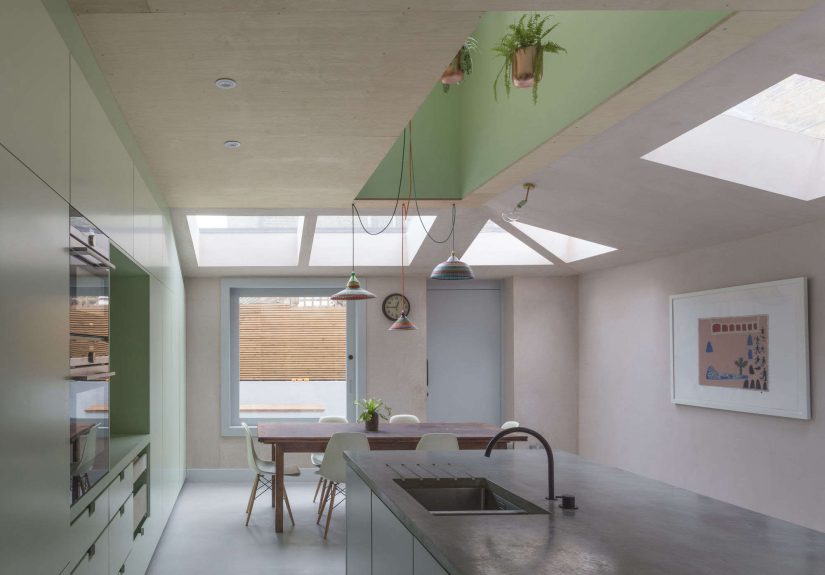
North London and “tropical kitchen” don’t usually belong in the same sentence. Yet in one much-loved Remodelista project, a gloomy Victorian house was transformed into a light-soaked, pastel tropical retreat, complete with concrete counters, green cabinets, and woven pendant lights that look like they blew in from a beach somewhere far sunnier than the UK.
The good news? You don’t need a London architect or a six-figure budget to steal this look. With the right pastel paint palette, clever lighting, a few concrete-inspired surfaces, and some well-chosen accessories, you can bring the same relaxed, urban-tropical mood into almost any kitchenwhether you’re in a Victorian terrace, a suburban ranch, or a city apartment.
In this guide, we’ll break down the essential design elements of the original North London kitchen and show you how to re-create the pastel tropical feel in your own space, from color choices and materials to furniture and styling tricks.
Meet the Original North London Tropical Kitchen
A Victorian shell with Mexican sunshine
The Remodelista kitchen sits in a North London Victorian house remodeled by Simon Astridge Architecture Workshop. Instead of going stark white or industrial, the architects drew from Mexican architecture and the soft tones of old London brick to create a tropical but calm interior. Their first priorities were to bring in more natural light with skylights and to use colorthrough plaster and paintto visually pull the outdoors in.
Think of it as “tropical modernism in a cloudy climate”: sun-drenched in spirit, but gentle enough to work on a gray London morning.
A pastel palette that does the heavy lifting
The star of the show is color. The kitchen uses:
- A fresh green on the MDF cabinets and a recessed niche, close to classic pea-green shades.
- Soft pink-toned plaster walls left exposed rather than painted over, giving warm, sandy depth.
- Pale gray window frames and doors with a subtle lilac undertone that keeps the palette from feeling too sugary.
These hues create a layered tropical palette without relying on loud neons or heavy patternsperfect if you want your kitchen to feel joyful but still grown-up.
Concrete, stainless, and real plants for balance
Color is balanced by hardworking materials. The countertops are custom concrete, paired with a stainless-steel under-mount sink and integrated modern appliances. Concrete adds earthy weight, while stainless keeps things crisp and functional.
To soften all that mineral texture, the design brings in greenery and warm woods: potted plants, hanging planters, and a simple timber dining table with molded plastic chairs. The result is a space that feels both practical and lushexactly what you want from a tropical kitchen that still has to host weeknight pasta and school lunches.
Core Ingredients of the Tropical Pastel Look
1. Light-first layout
In the original kitchen, skylights and tall openings are the secret saucea tropical palette will never look right if the room is dark. You may not be able to cut new skylights, but you can steal the strategy:
- Maximize any existing windows: remove heavy blinds, keep window trim light, and avoid blocking glass with tall cabinets.
- Use reflective finishesglossy tile, polished concrete or quartz, and pale paintto bounce light around.
- Consider a glass door or enlarged opening to a garden, balcony, or even a tiny patio to extend the view and reinforce that indoor–outdoor feeling.
2. A layered pastel palette
The Remodelista kitchen proves that you don’t need bright tropical primaries to get a beachy, resort-like vibe. Soft greens, pinks, and grays can whisper “tropical” in a much more sophisticated way.
To mimic the look, choose:
- Main cabinet color: a mid-tone leafy or pea greenrich enough to feel grounded but still fresh.
- Walls: a warm blush or clay-inspired pink, or a pink-beige that echoes natural plaster.
- Trim: a cool, pale gray with a hint of lavender or blue to keep the palette balanced.
Designers often suggest sticking to three main colors plus one accent for a cohesive tropical schemeexactly what’s happening here.
3. Concrete (or concrete-look) countertops
Custom concrete counters are a big part of the North London kitchen’s personality. They bring in a modern, almost architectural solidity that keeps the pastels from feeling too sweet.
If fully bespoke concrete isn’t in the budget or practical for your home, you can still channel the look:
- Choose a matte concrete-look quartz or porcelain slab in a warm gray.
- Use microcement or a concrete overlay on an existing island for a similar texture.
- Pair with simple stainless or integrated appliances to keep the surfaces visually calm.
4. Woven pendants and sculptural sconces
Over the dining table, the original project uses dramatic woven pendants made from recycled plastic bottles, dyed in tropical colors and clustered for impact. They add color, texture, and a storyall critical ingredients in a tropical kitchen.
You don’t need the exact artisan lamps to steal the vibe. Look for:
- Oversized woven or rattan pendants in natural or pastel-dipped finishes.
- Clustered smaller pendants instead of one big fixture to create that “canopy of light” effect.
- An adjustable brass or painted swing-arm sconce mounted to the ceiling or wall to highlight key areas like the sink or a display shelf.
5. Simple furniture and playful accessories
The dining area stays deliberately unfussy: a clean-lined Parsons-style table in walnut and white molded chairs with wood dowel legs. A minimalist wall clock and a metallic hanging planter finish the scene.
This is smart design. When your envelope (walls, cabinets, lights) is doing the colorful, tropical storytelling, furniture should be calm and functional:
- Choose streamlined tables and chairs in wood, white, or a single muted color.
- Add life with plants, a single copper or brass planter, and maybe one graphic clock or art piece.
- Skip busy textiles; instead, use solid or subtly textured linens in sand, cream, or soft green.
How to Steal This Look at Home
Step 1: Start with the shell
Before you touch a paintbrush, look at your kitchen’s “bones”:
- Can you open a wall or widen a doorway to share light with a neighboring room?
- Can you swap heavy upper cabinets for open shelves or a single open niche painted in your accent green?
- Would a lighter floor (wood, tile, or even vinyl) help bounce light around?
In many tropical-style projects, designers prioritize openness and clear sightlines, then layer in color and materials.
Step 2: Build your pastel palette the smart way
Don’t pick colors in isolation. Test your greens, pinks, and grays together on large samples and move them around the room throughout the day to see how they respond to changing light.
A good formula:
- One medium-tone green (cabinets and niche).
- One warm pastel (wall or plaster color).
- One cool neutral (trim, maybe ceiling).
- Black accents (faucets, clock hands, appliance fronts) for contrast.
Tropical kitchens that feel elevated almost always include a grounding dark tonecharcoal, black, or deep bronzeso the space doesn’t drift into “nursery pastel” territory.
Step 3: Hack the cabinets
The original project uses spray-painted MDF for the cabinetsless expensive than laminate and visually softer than a plasticky finish. To echo that look:
- Keep your existing cabinet boxes and replace just the doors with flat MDF fronts, then have them professionally spray-painted.
- For a DIY version, use high-adhesion primer and a sprayer or foam roller, and finish with a durable, scrubbable paint.
- Stick to minimal hardware: slim pulls or even push-latch doors for a seamless look that lets the color shine.
Step 4: Choose counters and backsplash with intention
Tropical kitchens on Houzz and similar platforms often pair light wood or white cabinetry with stone or concrete counters and either solid or simple tiled backsplashesnever too busy.
To copy the North London composition:
- Use concrete or concrete-look surfaces for counters and island tops.
- Choose a quiet backsplash: either continue the same material up the wall or use subtle tiles in white, soft green, or pale gray.
- If you love color, consider a narrow band of mosaic or glass tile in sea-glass tones rather than a fully patterned wall.
Step 5: Layer lighting like a pro
Tropical doesn’t mean dim. Aim for three layers of light:
- Ambient: recessed lights or a simple track for overall brightness.
- Decorative: woven pendants over the island or table and a sculptural sconce for character.
- Task: under-cabinet strips or spotlights over the sink and cooktop.
This is what lets pastel colors truly glow instead of looking flat. Strategic lighting is a core recommendation in tropical kitchen design guides, not just an afterthought.
Step 6: Style with plants and texture
The easiest (and cheapest) way to lean tropical is with plants and natural textures:
- Cluster a few potted herbs and leafy plants near the brightest window.
- Use jute, sisal, or flatweave runners to soften the floor.
- Add one or two pieces in rattan, bamboo, or woven fiberlight shades, chair seats, or baskets.
This is where your kitchen can tip from “nice pastel space” to “I should probably be sipping something with a tiny umbrella right now.”
Practical Tips for Real-Life Kitchens
Keep pastels feeling adult
If you’re nervous about a green-and-pink kitchen, remember:
- Balance soft hues with strong linesflat-front cabinets, simple slab counters, and minimal trim.
- Use black or dark bronze details (faucets, wall clocks, appliances) to anchor the room.
- Choose natural materialswood, concrete, stoneto keep the space from feeling toy-like.
Make tropical work in a cold or cloudy climate
The North London project is proof that tropical style isn’t just for Florida or Hawaii. Designers working in cool or overcast climates often lean on:
- Warmer undertones in paint (pinkish plaster, yellow-leaning greens).
- Layered artificial lighting to compensate for short winter days.
- Textural warmthwood, woven shades, and fabrics rather than shiny surfaces everywhere.
Maintenance and durability
Concrete and pastel paint can absolutely be practical, as long as you treat them right:
- Concrete counters: seal them regularly, wipe spills quickly, and embrace a bit of patinait suits the laid-back tropical mood.
- Painted MDF: use high-quality primer and enamel or cabinet paint; touch up chips promptly around high-use areas like the dishwasher and trash pull-out.
- Woven pendants: dust or vacuum shades periodically; for outdoor-adjacent kitchens, choose materials that tolerate humidity well.
Real-Life Experiences with the Tropical Pastel Kitchen Look
Case Study 1: A North London–inspired semi
Picture a couple in a typical semi-detached house, a few miles from the original Remodelista kitchen. Their existing space was all beige cabinets, black granite, and one lonely ceiling pendant. They loved the idea of the tropical pastel kitchen but had a tighter budget and zero desire to baby delicate finishes.
They started with paint: lower cabinets in a leafy mid-tone green, upper walls in a warm blush, and window trim in a soft gray. Instead of replacing the granite counters, they used a concrete-look quartz on a new island and left the perimeter as-isinstant visual hierarchy without gutting everything.
For lighting, they skipped artisan recycled-plastic pendants and found oversized woven shades from a high-street retailer. A simple brass swing-arm sconce over the sink added just enough sculptural drama. Finally, they swapped their heavy dining set for a slim oak table and molded white chairs, then added a single copper hanging planter for a nod to the original accessories.
The verdict six months later: the space felt brighter all year, friends kept commenting that it “felt like a holiday kitchen,” and the couple admitted they cooked at home more simply because the room now felt inviting instead of dreary.
Case Study 2: A small rental kitchen in Chicago
On the other side of the Atlantic, a renter in a Chicago apartment wanted the same tropical-meets-pastel feel but couldn’t tear out cabinets or change counters. Her solution was all about reversible tweaks:
- Peel-and-stick, plaster-effect wallpaper in a soft pink on the main wall.
- Removable contact paper in a concrete pattern on a small peninsula top.
- Clip-on woven shades added to existing bare-bulb pendants to bring in texture.
- A cluster of potted herbs and a monstera plant to echo the lush greenery of more permanent tropical kitchens.
She also painted a freestanding storage cabinet in pea green (with her landlord’s blessing) and added a simple black wall clock above it. Even with the original laminate cabinets and white appliances, the room suddenly read as “soft tropical” rather than “builder-basic.”
Her biggest lesson: you don’t have to touch every surface. A few smart gesturescolor on one major plane, textural lighting, plants, and one or two carefully chosen accessoriescan shift the entire mood.
Case Study 3: A designer’s takeaways
Interior designers who’ve experimented with tropical pastel kitchens tend to repeat the same advice:
- Don’t overcomplicate the palette. Two pastels plus one neutral and a dark accent are plenty. Once you introduce a fourth or fifth strong color, the space can feel chaotic rather than calm.
- Respect scale. The original North London kitchen uses large-scale woven fixtures and a generous concrete counter; in a small kitchen, you may need to scale those choices down, but keep proportions bold rather than fussy.
- Plan for aging. Concrete will stain a bit, plants will drop leaves, and paint will show a scuff or two. If you embrace a slightly weathered, holiday-house patina from day one, you’ll stress less and enjoy the room more.
The overarching experience from homeowners and designers alike is that a tropical pastel kitchendone thoughtfullydoesn’t just look good in photos. It often changes how people use their homes: more daylight meals, more casual gatherings, more time spent cooking simply because the space feels like somewhere you actually want to be.
Conclusion: A Tropical Escape, No Plane Ticket Required
“Steal This Look: A Tropical Kitchen in North London, Pastel Paint Edition” isn’t just about copying one pretty project; it’s a blueprint for making any kitchen feel brighter, softer, and more joyful. By combining a carefully edited pastel palette, grounded materials like concrete and stainless, woven lighting, and just enough greenery, you can bring a vacation-state-of-mind into an everyday workhorse space.
Whether you fully commit with green cabinets and concrete counters or simply borrow the ideaspastel walls, woven pendants, plenty of plantsyou’ll end up with a kitchen that looks good on Instagram but, more importantly, feels good on a Tuesday night in the dead of winter. That’s the real magic of this North London tropical kitchen: it proves that “tropical” is less about location and more about how you design for light, color, and comfort.