Table of Contents >> Show >> Hide
If your dining table has been looking a little too “I gave up and put the mail there,” an ochre table setting may be exactly the intervention it needs. Ochre sits in that glorious sweet spot between yellow, mustard, gold, and earthy brown. It is warm without being loud, cheerful without acting like it drank three espressos, and elegant without looking like it is trying to impress your fanciest aunt. In other words, it is a host’s best friend.
An ochre table setting works because it brings instant warmth to a space. It feels sunlit, grounded, and welcoming. It can lean rustic, modern, traditional, or slightly European-in-a-good-way depending on what you pair with it. Put it with cream linen and wood, and it feels soft and organic. Add brass, black accents, and sculptural ceramics, and suddenly your dinner table looks like it has a point of view. The best part is that you do not need a full dining room makeover to pull it off. A thoughtful mix of textiles, dishes, candlelight, and color is enough to transform a regular table into one that whispers, “Yes, we are absolutely the kind of people who use cloth napkins.”
This guide breaks down exactly how to steal the look of an ochre table setting, from the color palette and layering strategy to centerpieces, place settings, and common mistakes to avoid. Whether you are styling a fall dinner party, a cozy brunch, a holiday meal, or just making Tuesday pasta feel less emotionally beige, this look has range.
Why Ochre Works So Beautifully on a Table
Ochre is one of those colors that behaves better than it gets credit for. Yellow can sometimes feel too bright, gold can go too glam, and orange can turn the table into a pumpkin-themed hostage situation. Ochre avoids all of that. It has enough brown in it to feel earthy and enough yellow in it to keep the mood lifted.
That balance is what makes ochre such a smart decorating choice. It plays nicely with natural wood, especially walnut, oak, and darker stained finishes. It softens white dinnerware, enriches neutral linens, and looks fantastic next to brass, bronze, olive green, clay, deep navy, smoke gray, and cream. It also works in every season, which is a sneaky little bonus. In fall, it feels obvious and cozy. In winter, it glows against candlelight. In spring, it adds warmth to floral tablescapes. In summer, it feels like baked sunlight on linen.
If your goal is to create a table that feels layered, welcoming, and visually rich without looking overdesigned, ochre gives you a head start. It carries personality on its own, so the rest of the table can stay relatively simple.
The Anatomy of an Ochre Table Setting
Start with a Soft, Warm Base
Every great table starts from the bottom up. Think of your base layer as the stage, not the star. For an ochre table setting, that usually means a tablecloth, runner, or placemats in a soft neutral or lightly textured fabric. Cream, oatmeal, flax, and warm white are excellent starting points because they let ochre shine without competing for attention.
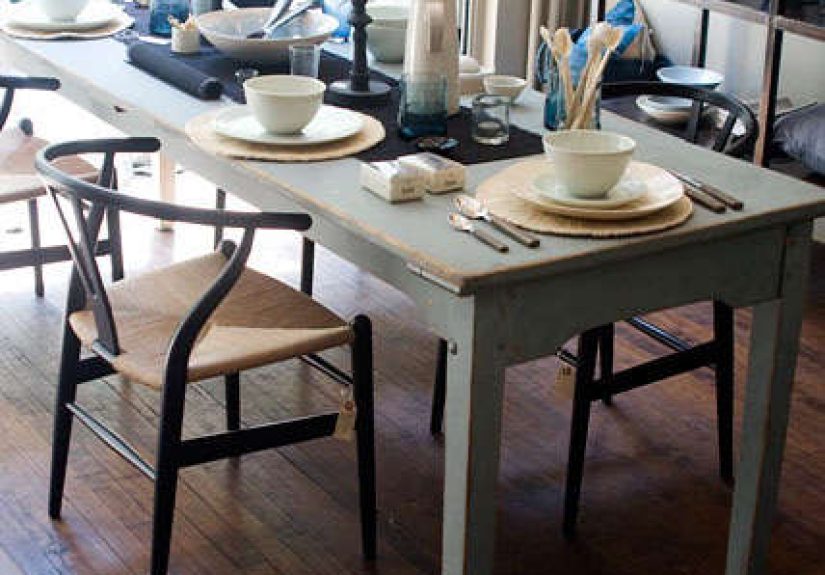
If you want a quieter look, use an ivory linen tablecloth and bring in ochre through napkins or a runner. If you want more drama, flip the formula: use ochre placemats or an ochre runner over a wood table and keep the dishes neutral. The key is layering. A table always feels more inviting when it has more than one textile element. A runner over a cloth, woven placemats over bare wood, or linen napkins over stoneware plates can make the whole setup feel intentional rather than accidental.
Texture matters just as much as color. Ochre looks especially good when surrounded by slubby linen, woven rattan, matte ceramics, rough-hewn wood, and softly wrinkled fabric. Perfection is not required here. In fact, a little rumple in a linen napkin makes the table feel human, which is refreshing in a world where even sourdough starters seem to have personal branding.
Layer the Dinnerware Like You Mean It
A layered place setting gives an ochre tablescape depth. Start with a charger or placemat, then add the dinner plate, and top it with a salad plate or shallow bowl if the occasion calls for it. White and cream dishes are the easiest partners because they let the warm tones around them do the heavy lifting. Matte stoneware in off-white, sand, taupe, or light gray also works beautifully.
If you want a more editorial look, mix finishes. Pair a matte plate with a slightly glossy bowl. Use hand-finished ceramics that are not perfectly identical. Ochre is a relaxed color, so it does not demand a rigid, showroom-perfect table. In fact, a touch of variation usually makes it feel more stylish.
For the actual setup, keep things clean and practical. Center the plate at each seat. Forks go to the left, knife and spoon to the right, and glasses above the knife area. That basic structure gives the table polish, even when the overall vibe is casual. Add the napkin to the left of the plate, on the plate, or loosely through a simple ring. No napkin origami swan is necessary unless you are entertaining a very judgmental peacock.
Bring in Ochre Through the Right Pieces
There are several ways to introduce ochre, and the best approach depends on how bold you want the table to feel. Ochre napkins are the easiest entry point. They add color without overwhelming the setting and can instantly warm up plain dishes. An ochre table runner is another easy win, especially on wood. It frames the center of the table and creates a visual path for candles and flowers.
You can also bring ochre in through glassware, taper candles, fruit, place cards, or floral details. Think amber goblets, mustard tapers, marigold blooms, golden pears, or menus printed on warm-toned cardstock. The smartest tables usually repeat the main color two or three times in different materials. That repetition makes the look feel cohesive rather than random.
What you want to avoid is letting ochre take over every single object on the table. Too much of one warm tone can flatten the entire scene. The goal is a composed palette, not a mustard explosion.
Use a Low, Relaxed Centerpiece
The quickest way to ruin a beautiful table is to create a centerpiece that prevents guests from seeing each other. Nobody wants to play peekaboo around a bouquet the size of a shrub. A good ochre table setting favors centerpieces that are low, loose, and layered.
One easy formula is this: start with a runner or tray, add candles at varying heights, then tuck in a few natural elements. Dried flowers, branches, pears, figs, pomegranates, small vases, herbs, or a scattering of leaves can all work. The look should feel collected, not forced. If you are using fresh flowers, choose arrangements with movement rather than stiff, formal domes. If you are styling for fall, dried florals, wheat, rust-colored leaves, and foraged stems make ochre feel completely at home.
Fruit is especially underrated here. A bowl of citrus, a few Bosc pears, or even grapes and persimmons can bring in shape, shine, and color without feeling fussy. Bonus points because they are both decor and snack insurance.
Candlelight Is Non-Negotiable
Ochre loves candlelight. It softens under a flame and becomes richer, moodier, and more dimensional. If your table has warm tones but no candles, it is like making brownies and forgetting the chocolate. Technically possible, emotionally disappointing.
Use tapers in brass or black holders for height and elegance. Mix them with pillars or votives if you want a fuller glow. Varying the candle types keeps the table from feeling too uniform. Just keep the heights balanced and the arrangement breathable. You want a warm glow, not a wax-based obstacle course.
If open flames are not practical, flameless candles in a tray or hurricane can still create the right atmosphere. Lighting is part of the table setting. It does not just illuminate dinner; it tells people how the evening is supposed to feel.
The Best Colors to Pair with Ochre
Ochre is flexible, but it is still not magic. It needs the right companions. Some of the strongest pairings include:
Cream and warm white: These make ochre feel soft, airy, and timeless.
Brown and wood tones: Walnut, chestnut, and natural oak make ochre feel grounded and rich.
Olive and sage: Green gives ochre an earthy, collected look that feels organic and sophisticated.
Navy and deep blue: This contrast sharpens ochre and makes it feel more tailored.
Charcoal or black: Great for a modern version of the look, especially with matte ceramics and iron candleholders.
Brass and bronze: Not technically colors, but absolutely part of the palette. Warm metals make ochre glow.
A simple formula is to choose one neutral, one dark anchor, and one natural accent. For example: cream, ochre, and walnut. Or white, ochre, and olive. Or oatmeal, ochre, and navy. Keep the palette edited and the whole table feels smarter.
Three Easy Ways to Style the Look
1. The Casual Weeknight Ochre Table
Use a bare wood table, ochre linen napkins, white plates, everyday flatware, and one ceramic vase with a few branches. Add two candles and call it done. This version is relaxed and unfussy, but it still makes dinner feel cared for. Even roasted chicken and salad seem more competent on a table like this.
2. The Dinner Party Ochre Table
Start with a cream tablecloth, layer woven placemats, stack white or stoneware plates, and add smoked glassware. Use brass taper holders, low flowers in amber or ceramic vessels, and one or two bowls of seasonal fruit. This look feels elevated without becoming stiff. It suggests that the host is stylish, but also fun enough to serve dessert before clearing the plates.
3. The Fall or Holiday Ochre Table
Lean into the warmth. Add rust, cinnamon, olive, and deep brown. Use textured linens, dried florals, pears, small pumpkins if you must, and mixed candles. The trick is restraint. Keep the pieces natural and let the palette do the seasonal storytelling instead of piling on every leaf-shaped object in the house.
Common Mistakes That Flatten the Look
The first mistake is making everything the same color. Ochre needs contrast to feel alive. The second is forgetting texture. A table can have a beautiful palette and still look dull if every surface is smooth and flat. The third is overbuilding the centerpiece. If guests need binoculars to find each other, it is too much.
Another common issue is forcing formality where it is not needed. An ochre table setting works best when it feels warm and lived-in. That does not mean messy. It means relaxed, layered, and welcoming. You are not setting a table for a museum rope barrier. You are setting a table for actual people who would like to eat without moving six decorative gourds.
How to Recreate the Look Without Spending a Fortune
You do not need to buy an entirely new tabletop wardrobe. Start with what you already have and introduce ochre strategically. A new set of napkins, a runner, or candles can shift the whole mood. Vintage stores and thrift shops are great for candlesticks, amber glass, ceramic bowls, and mismatched serving pieces. Grocery store flowers can look expensive if you break them into several smaller vessels instead of one giant bouquet.
Use natural materials whenever possible. Fruit, branches, herbs, dried grasses, and simple linen details often look more refined than highly themed decor. Mix old and new. Keep at least one element consistent, like the plates or flatware, so the table feels deliberate. That balance between cohesion and variation is where the magic happens.
Experiences That Make an Ochre Table Setting Worth It
There is also something deeply practical about this look that photos do not fully capture. An ochre table setting changes the feeling of a meal before anyone takes the first bite. It slows things down. It makes the room feel warmer, even if the thermostat is doing absolutely nothing heroic. It turns ordinary food into an event with better posture.
Imagine a late Saturday lunch with sunlight coming in sideways through the windows. The table is set with a slightly wrinkled cream cloth, ochre napkins, matte plates, and a cluster of candles that are not even lit yet but still look charming. There is a bowl of pears in the middle, a small vase of marigolds, and glasses with that faint amber tint that somehow make water look more interesting than it deserves. You sit down, and the whole table feels calm. Not boring. Calm. It is the kind of setting that makes people linger.
Or picture a fall dinner with friends. The food is hearty, the conversation is loud, and the table is doing quiet but important emotional labor. The ochre tones make everyone look slightly more radiant, which is honestly a public service. The candlelight softens the edges of the room. The layered linens absorb a little sound. The scattered fruit and flowers make the centerpiece feel alive instead of staged. Nobody is complimenting the table in a stiff, formal way. They are saying things like, “This feels so cozy,” or “Why does your dining room look like a magazine, and mine looks like a charging station?” That is the real power of the look. It does not just look good. It changes the experience of gathering.
Even on regular weeknights, the effect is surprisingly real. A simple bowl of pasta, a salad, and a glass of sparkling water feel different when they land on a table that has been given a little thought. The ochre napkin, the candle, the ceramic bowl, the warm wood underneath it all, they send a subtle signal that this meal matters. Not in a dramatic, “life-changing lemon risotto” kind of way, but in a human way. The day pauses. The room feels intentional. Dinner becomes a moment instead of a task.
That is why this style keeps working. It is attractive, yes, but it is also generous. It invites people in. It is warm without being sloppy, elegant without being icy, and colorful without becoming a circus. It photographs beautifully, but more importantly, it lives well. If you want a table setting that can handle brunch, birthdays, holidays, and random Tuesday spaghetti with equal charm, ochre is the overachiever you want on your side.
So if you are stealing this look, steal the mood too. Borrow the warmth. Borrow the layers. Borrow the confidence to mix textures, repeat color thoughtfully, keep the centerpiece low, and light the candles even when the meal is simple. Because the best table settings are not really about rules. They are about making people feel welcome, relaxed, and just a little bit delighted that they showed up hungry.