Table of Contents >> Show >> Hide
- Why Roy Hardin Firewood Holders Still Stand Out
- Function First, But Make It Beautiful
- How These Holders Fit Modern Fireplace Design
- What a Roy Hardin-Inspired Setup Gets Right
- The Practical Side: Firewood Storage Rules You Should Not Ignore
- How to Style a Firewood Holder Without Making It Look Precious
- If You Cannot Find One, What Should You Look For?
- Maintenance: Keeping the Holder and the Hearth Looking Sharp
- The Lasting Appeal of Roy Hardin Metalworks
- Experiences and Living With a Roy Hardin-Inspired Firewood Holder
Some home accessories are content to sit quietly in a corner and do their job. A Roy Hardin Metalworks firewood holder is not one of them. It stores logs, yes, but it also behaves like a piece of sculpture that just happens to tolerate bark, kindling dust, and the occasional overachieving split oak. That is exactly why these holders still spark interest years after their original retail run: they solve a practical problem while making the hearth look sharper, cleaner, and far more intentional.
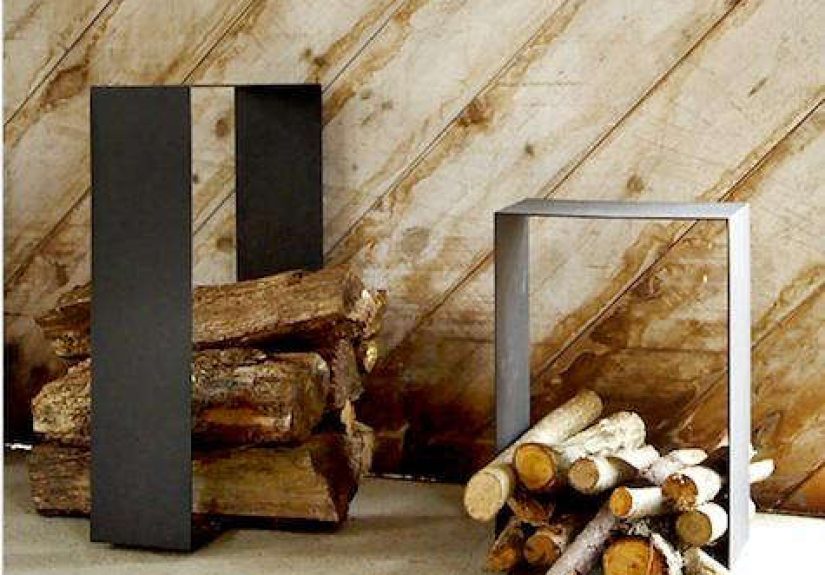
In the world of fireplace storage, that balance is harder to pull off than it sounds. Plenty of racks are sturdy but clunky. Others are decorative but seem to panic the moment you place a real log inside them. Roy Hardin’s approach landed in the sweet spot. The holders were introduced as black steel designs, with reported prices in the mid-hundreds, and they were admired in design circles for their spare, industrial elegance. In other words, they were not trying to be rustic cosplay. They were simply good-looking metal objects built for wood.
This article takes a closer look at why Roy Hardin Metalworks firewood holders still matter, what makes them visually effective, how they fit into modern fireplace styling, and what homeowners can learn from them even if they cannot easily buy one today. Because let’s be honest: a beautiful firewood holder should do more than hold wood. It should make your living room look like it has its life together.
Why Roy Hardin Firewood Holders Still Stand Out
The first thing that makes a Roy Hardin firewood holder memorable is restraint. The design language is simple: black steel, clean geometry, no unnecessary flourishes, no fake rustic distressing, no “lodge-core” theatrics screaming from across the room. That simplicity is exactly what gives the holder longevity. It can sit beside a traditional masonry fireplace, a modern steel surround, a plaster firebox, or even a more transitional living room without looking out of place.
Minimal design often gets mistaken for easy design. It is not easy. Good minimalism demands proportion, visual weight, and material honesty. A firewood holder has to look substantial enough to anchor a hearth area, yet open enough that the logs themselves become part of the composition. Roy Hardin’s holders work because the black steel frame behaves like punctuation. It outlines the wood rather than competing with it.
That detail matters. Firewood is naturally irregular. Logs bring texture, rough bark, color variation, and visual warmth. A sleek steel holder gives all of that organic chaos a disciplined border. The result is a fireplace vignette that feels warm without becoming messy. It is the home-design equivalent of putting wildflowers in a sharp black vase and suddenly looking like you know what you are doing.
Function First, But Make It Beautiful
A good indoor firewood holder needs to earn its floor space. This is especially true in living rooms, dens, and smaller homes where every accessory has to justify its existence. Roy Hardin’s appeal comes from the fact that the holder is both utility and decor. It keeps a small working supply of logs near the fireplace, which means fewer trips outside in cold weather and less temptation to stack wood in random little towers that say, “I meant to organize this yesterday.”
That practical role is more important than it seems. Firewood storage works best when you think in layers. Bulk wood should generally live outdoors where it can season properly. The indoor holder is not the main warehouse. It is the curated front-of-house display: a manageable amount of ready-to-burn wood brought inside for convenience, appearance, and daily use. Roy Hardin’s holders excel in that role because they present logs neatly without looking like a garage rack wandered into the living room.
The black steel construction also makes sense from a performance standpoint. Steel is durable, stable, and visually crisp. It can handle the weight of hardwood logs without sagging into existential despair. It also pairs well with other fireplace materials such as stone, brick, plaster, and darkened metal surrounds. The holder becomes a unifying element in the hearth zone rather than a random accessory added at the last minute.
How These Holders Fit Modern Fireplace Design
Design publications continue to treat firewood storage as part of the fireplace story, not an afterthought. That broader trend helps explain why Roy Hardin’s holders still feel relevant. Today’s best hearth spaces are layered with materials and purpose: a surround, a hearth, tools, andirons, and wood storage that contribute to one coherent look. The log holder is not just a bin. It is part of the architecture of comfort.
Roy Hardin’s style fits especially well in three kinds of interiors. First, there is the modern rustic room, where rough timber beams, linen upholstery, and stone fireplaces benefit from a clean-lined steel accent. Second, there is the industrial or transitional room, where black metal details already appear in lighting, table bases, or window frames. Third, there is the quiet minimalist space, where every object has to pull visual weight without shouting. In all three settings, a black steel firewood holder acts like a small structural gesture that adds order and texture.
There is also something timeless about letting the logs themselves become decor. Good firewood storage turns fuel into visual texture. The grain, cut ends, bark, and natural color variation soften hard architectural surfaces. A Roy Hardin holder understands that and does not overcomplicate the effect. It frames the wood and lets the wood perform.
What a Roy Hardin-Inspired Setup Gets Right
1. It keeps the hearth organized
Even a beautiful fireplace loses its charm when the area around it looks chaotic. A dedicated holder creates visual boundaries. Logs stay where they belong, bark mess is easier to manage, and the room looks intentional rather than improvised.
2. It creates a realistic indoor supply
The best indoor holders are not designed to store half a winter’s worth of wood. They are designed to hold enough for an evening or two, maybe a long weekend if you are ambitious and well prepared. That is exactly the right scale for daily living.
3. It complements instead of competes
Decorative baskets, oversized crates, and ornate stands all have their place, but a steel holder often wins because it lets the fireplace remain the star. It adds shape and contrast without stealing the show.
4. It makes maintenance simpler
When logs are stacked neatly, it is easier to sweep the hearth, inspect what you are burning, and keep kindling separate from the main pieces. Convenience is not glamorous, but it is the secret ingredient in every room that looks effortlessly put together.
The Practical Side: Firewood Storage Rules You Should Not Ignore
Now for the unglamorous but very necessary part: gorgeous firewood storage still has to respect how wood actually behaves. A handsome holder beside the fireplace is useful, but it works best when the rest of your storage strategy is smart. Wood that is too wet smokes more, burns less efficiently, and can make even a beautiful fireplace experience feel like a campfire gone slightly wrong.
Seasoned wood matters. Dry wood burns hotter and cleaner, and experts commonly recommend moisture levels under 20 percent for efficient burning. That is why bulk firewood is typically best stored outdoors, off the ground, with the top covered but the sides open enough for airflow. The indoor holder is where you bring in a smaller ready-to-use supply, not where you attempt to dry green wood by sheer optimism.
Placement matters too. Large outdoor wood stacks should stay away from the house, both to reduce moisture problems and to make the space less inviting to insects and pests. Indoors, keep your holder close enough for convenience but not so close that the area becomes cluttered with bark, kindling, paper, tools, and other combustible chaos. Cozy is good. Accidentally recreating a lumber aisle next to the firebox is not.
How to Style a Firewood Holder Without Making It Look Precious
The funny thing about fireplace styling is that it works best when it looks barely styled at all. The Roy Hardin approach succeeds because it does not feel fussy. The holder is elegant, but the logs remain the point. To get that same effect, avoid overpacking the rack. Leave a little breathing room so the shape of the holder still reads clearly.
Choose logs with relatively similar lengths if possible. That alone makes the arrangement look more composed. Mix larger split pieces with a few medium pieces for texture, but skip the temptation to cram in every odd scrap of wood you own. A holder is not a challenge on a packing show. It is a visual tool.
Nearby accessories should also stay disciplined. A simple broom, poker, or ash bucket in matte black, iron, or dark bronze tends to work better than a pile of mismatched fireplace gear. If your room already has woven textures, a separate canvas or leather log carrier can bring wood inside, while the steel holder remains the permanent hearth-side storage piece. That combination is both practical and polished.
If You Cannot Find One, What Should You Look For?
Because these Roy Hardin holders were later listed as discontinued, many shoppers now encounter them more as inspiration than as a straightforward retail purchase. That does not make the design lesson any less valuable. It simply shifts the mission from “buy this exact thing” to “understand why this object works so well.”
When shopping for a similar firewood holder, look for four qualities. First, prioritize sturdy metal construction, especially steel or iron, because indoor holders need to carry real weight. Second, choose a silhouette with open lines rather than bulky visual mass. Third, keep the finish simple. Matte black is popular for a reason: it hides soot and bark dust well, coordinates with many fireplace tools, and adds contrast without visual clutter. Fourth, buy for your room size, not your fantasies. An oversized rack in a modest room can look like you are preparing for a medieval siege.
Custom metalwork is also a reasonable path if you love the Roy Hardin look. A local fabricator can often create a simple welded steel holder inspired by the same principles: clean geometry, balanced proportions, and a finish that improves rather than dominates the fireplace area.
Maintenance: Keeping the Holder and the Hearth Looking Sharp
The beauty of black steel is that it ages well, but even durable materials deserve a little respect. Vacuum or sweep around the holder regularly so bark and dust do not build into a crunchy halo. Wipe down the steel frame occasionally with a soft dry or lightly damp cloth, and avoid harsh cleaners that can damage the finish. If the holder lives on a delicate floor, consider felt pads or a discreet hearth mat beneath it.
It is also wise to separate roles. Use the holder for dry logs, not for cooling ashes. Ashes belong in a dedicated metal container with a tight-fitting lid, placed away from anything combustible. Likewise, keep the hearth area clear, make sure smoke and carbon monoxide alarms are properly installed and maintained, and have the chimney inspected regularly. A beautiful fireplace setup is most impressive when it does not also come with preventable drama.
The Lasting Appeal of Roy Hardin Metalworks
Some products stay desirable because they were rare. Others last because they were right. Roy Hardin Metalworks firewood holders fall into the second category. The idea is strong enough to outlive the original listing: use honest materials, keep the lines clean, let function shape the form, and allow the stored wood to become part of the room’s visual warmth.
That is why these holders still resonate. They answer a very ordinary household need with uncommon discipline. They do not ask the fireplace to be more rustic, more industrial, or more decorative than it already is. They simply make the hearth area cleaner, sharper, and easier to live with. Sometimes that is what good design does best. It does not shout. It just quietly makes the room better.
Experiences and Living With a Roy Hardin-Inspired Firewood Holder
The experience of using a firewood holder like the ones associated with Roy Hardin Metalworks is surprisingly satisfying in daily life. People often think the magic of a fireplace comes from the flames alone, but the ritual begins much earlier. It starts when you bring in the wood, stack it neatly, and see the hearth area look more finished than it did five minutes before. A well-made holder turns that tiny household chore into something closer to a ritual of arrival. You are not just carrying logs; you are setting the stage for the evening.
In a real home, that matters more than design people sometimes admit. The right holder cuts down visual clutter in an instant. Instead of a random pile of wood leaning against the wall like it lost an argument, you get a shape, a boundary, and a sense of order. Guests notice it. Family members use it. Even people who claim not to care about decor tend to appreciate the difference between “wood is somewhere near the fireplace” and “wood has a proper home.”
There is also a tactile pleasure to the whole setup. Black steel has visual weight, while split logs bring roughness, grain, and color. Put them together and the contrast feels rich without trying too hard. On cold days, especially in fall and winter, that combination can make a room feel warmer before the fire is even lit. It is a small psychological trick, but a good one. A holder like this tells the room, “Yes, someone here has plans for a cozy evening.”
Another common experience is that these holders make people more selective in a good way. Because the storage is visible, you pay more attention to the condition and size of the wood you bring inside. Cleaner, drier, evenly split logs suddenly become part of the decor rather than a backstage utility item. That usually leads to better burning habits too. You stop tossing in random damp pieces and start treating your indoor supply like the final step in a well-run system.
There is a social side as well. Fireplaces draw people together, and a handsome hearth setup becomes part of that atmosphere. The holder can make the area look finished year-round, even when the fire is not burning. In warmer months, it still reads as sculpture and structure. In colder months, it becomes active, practical, and quietly essential. That flexibility is a big part of why metal firewood holders remain so appealing: they do not feel seasonal in the flimsy sense. They feel permanent.
And perhaps that is the best way to describe the Roy Hardin effect. It is not flashy. It is not overly sentimental. It simply improves the lived experience of a fireplace by making storage look intentional, elegant, and easy to use. The holder becomes part of the rhythm of the house: bring in wood, stack it, light the fire, sweep the hearth, repeat. Good design does not always need a grand speech. Sometimes it just needs to make ordinary moments feel better organized and a little more beautiful.