Table of Contents >> Show >> Hide
- What are stretch marks, exactly?
- Why do stretch marks happen?
- Can stretch marks really be removed?
- Best treatments for stretch marks
- Home remedies for stretch marks: what helps and what mostly doesn’t
- Stretch mark treatment during pregnancy and after pregnancy
- When should you see a dermatologist?
- The bottom line on stretch mark removal
- Real-world experiences with stretch marks: what people often notice over time
Stretch marks are the skin’s version of a plot twist: one day your body is minding its business, and the next it has racing stripes. They can show up after pregnancy, puberty, rapid weight changes, bodybuilding, or even certain medications. And while they are completely normal, plenty of people still type stretch mark removal into a search bar hoping for a miracle cream, a magical oil, or a laser with superhero energy.
Here’s the honest answer: stretch marks can often be improved, but they usually cannot be erased like a typo in a text message. That does not mean you are out of options. It just means the best approach is realistic, evidence-based, and tailored to your skin tone, your budget, and how long you’ve had the marks.
In this guide, we’ll break down what stretch marks are, what treatments may actually help, which home remedies are more hype than hero, and how to decide when it’s time to call a dermatologist.
What are stretch marks, exactly?
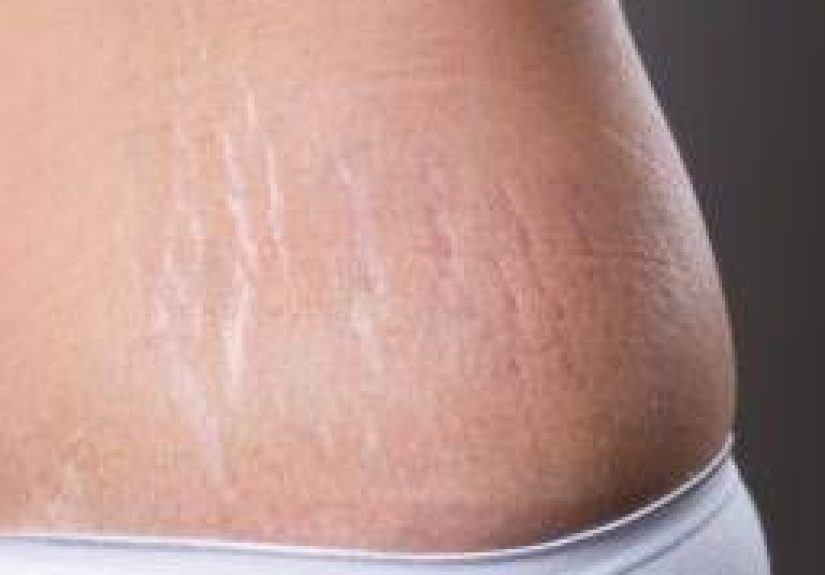
Stretch marks, also called striae, are a type of scar that forms when the skin stretches or shrinks quickly. That rapid change can disrupt collagen and elastin, the support system that helps skin stay springy and smooth. The result is a streaky line or band that looks and feels different from the surrounding skin.
Newer stretch marks often appear red, pink, purple, blue, or darker than your natural skin tone. Older ones usually fade and become lighter, flatter, and less noticeable over time. They commonly show up on the abdomen, hips, thighs, buttocks, breasts, upper arms, and lower back.
The key thing to know is this: stretch marks are harmless. They are not contagious, dangerous, or a sign that you have done anything wrong. They are simply one of the many ways skin reacts to change. Human skin, it turns out, is talented but dramatic.
Why do stretch marks happen?
Stretch marks are usually linked to periods of rapid growth or change. Pregnancy is one of the most common causes, especially in the third trimester. Puberty is another big one, because growth spurts do not exactly ask permission before showing up. Weight gain, weight loss, muscle building, and breast enlargement can also trigger them.
Sometimes stretch marks are linked to corticosteroid use, especially long-term use of strong steroid creams or systemic steroids. In less common cases, widespread or unusual stretch marks may be associated with medical conditions such as Cushing syndrome or certain connective tissue disorders. If stretch marks appear suddenly, spread widely, or show up without an obvious reason, it is smart to check in with a healthcare professional.
Can stretch marks really be removed?
Let’s clear up the big SEO phrase in the room: stretch mark removal is usually not literal removal. Most reputable medical sources agree that stretch marks often fade, and treatments may improve their color and texture, but complete disappearance is uncommon.
That does not mean treatment is pointless. In fact, many people see worthwhile improvement, especially when stretch marks are still new. Early marks tend to respond better than older, silvery ones. Think of it less like deleting a file and more like editing a photo: you may not erase every trace, but you can absolutely soften the contrast.
Best treatments for stretch marks
1. Prescription tretinoin for early stretch marks
Tretinoin is one of the best-studied topical treatments for early stretch marks. It is a prescription retinoid related to vitamin A, and it may help improve the appearance of newer marks by supporting collagen remodeling. This option tends to work best when the marks are still relatively fresh rather than older and pale.
There are a few catches. First, tretinoin can irritate the skin, especially if you go from zero to “I shall become a glazed donut of active ingredients” overnight. Second, it is not the right choice during pregnancy, and many experts recommend avoiding it while pregnant. If you are pregnant, trying to conceive, or breastfeeding, ask your clinician what makes sense for your situation before using a retinoid.
2. Hyaluronic acid and select topical products
Some research suggests that products containing hyaluronic acid may help early stretch marks look less noticeable, and there is also limited evidence that hyaluronic acid or centella asiatica may offer modest preventive benefits for some people. Notice the words limited and modest. This is not a skincare fairy godmother situation. It is more like, “This might help a little, and that still counts.”
If you try a topical product, consistency matters more than wishful thinking. Gentle daily application is reasonable. Emptying your bank account on a luxury jar with a sunset label and promises of “rebirth” is not required.
3. Laser and light-based therapy
Dermatologists often use laser or light-based treatments to improve stretch marks. Different lasers target different problems, such as redness, pigment, or texture. These treatments can stimulate collagen or improve the appearance of newer red marks and older pale marks, depending on the technology used.
Laser therapy can be effective, but it usually takes multiple sessions, and results vary. It can also be expensive and may not be covered by insurance because it is considered cosmetic. For people with darker skin tones, treatment choice matters because some lasers carry a higher risk of pigment changes. That is one reason it is worth seeing a board-certified dermatologist instead of gambling with a coupon and a dream.
4. Microneedling
Microneedling is a minimally invasive treatment that uses tiny needles to trigger the skin’s wound-healing response and stimulate collagen production. It is commonly used for scars, texture issues, and stretch marks. Many dermatologists like microneedling because it can improve texture with relatively short downtime.
Another advantage is that microneedling may be a better first option for some people with darker skin tones because it generally carries less risk of pigment changes than certain laser treatments. Temporary redness, swelling, and flaking are common after treatment, but those effects usually pass.
Some practices combine microneedling with radiofrequency or platelet-rich plasma. These combination approaches may help some patients, but results still vary, and more is not always better. The best treatment plan depends on your skin, your goals, and your tolerance for downtime and cost.
5. Chemical peels, microdermabrasion, and radiofrequency
Other in-office options include chemical peels, microdermabrasion, and radiofrequency devices. These treatments may improve surface texture or stimulate collagen. They can be useful in some treatment plans, especially when paired with other approaches, but none is a guaranteed one-and-done solution.
If anyone promises your stretch marks will vanish after one lunchtime session, put your wallet in witness protection.
6. Surgery in select cases
There is one situation where stretch marks can be more literally removed: surgery that cuts away the skin containing them. For example, a tummy tuck may remove stretch marks located on the lower abdomen if that specific skin is excised during the procedure. Still, surgery is a major decision, not a casual skincare upgrade. It comes with recovery time, cost, and permanent scarring, so it should never be treated like a simple stretch mark hack.
Home remedies for stretch marks: what helps and what mostly doesn’t
Moisturizers: helpful, but not magical
Moisturizers can soothe dryness and itching, which is especially useful during pregnancy when skin feels tight and cranky. They also improve the feel of the skin barrier, and that alone can make skin look better. But moisturizers do not reliably erase stretch marks.
So yes, keep the moisturizer. Just do not expect it to perform a Marvel-level origin story.
Cocoa butter, olive oil, vitamin E, and almond oil
These are the all-stars of stretch mark folklore, but the evidence is underwhelming. Cocoa butter, olive oil, and vitamin E are widely used, yet strong proof that they prevent or treat stretch marks is lacking. They may feel nice and help with dryness, but that is different from actually remodeling scar tissue.
During pregnancy, it is especially important to be cautious with botanical or “natural” products. Natural does not automatically mean safer, better studied, or smarter. Poison ivy is natural too, and it has never once improved anyone’s glow.
Self-tanner and makeup
If your goal is cosmetic camouflage rather than structural change, self-tanner can help reduce contrast and make stretch marks less obvious for a while. Body makeup can do the same. This is not treatment in the medical sense, but it is a perfectly legitimate option if you want fast visual improvement before a vacation, event, or just a Tuesday.
Sunscreen and avoiding tanning
Tanning does not remove stretch marks. In fact, it can make them stand out more because stretch marks often do not tan the same way surrounding skin does. Daily sunscreen is a good idea for overall skin health, and it can help prevent extra contrast and discoloration.
Weight stability and patience
Avoiding rapid weight gain or loss may help reduce the chance of new stretch marks forming, though it will not change your genetic predisposition. And yes, the least glamorous advice is also often the truest: time helps. Many stretch marks fade substantially over months.
DIY microneedling and aggressive scrubs: hard pass
At-home microneedling devices and rough exfoliation can irritate skin, spread infection, worsen pigment changes, or even create new scarring if used incorrectly. When it comes to scar remodeling, “doing the most” at home is not always a power move. Sometimes it is just chaos with a roller.
Stretch mark treatment during pregnancy and after pregnancy
Pregnancy stretch marks are incredibly common, and postpartum emotions can make them feel bigger than they are. If you are pregnant, the safest plan is usually simple skin care: gentle cleansing, regular moisturizing for comfort, sunscreen, and realistic expectations.
Retinoids such as tretinoin are generally avoided during pregnancy. If stretch marks bother you after delivery, postpartum is often the time to revisit treatment options such as tretinoin, laser therapy, or microneedling with a dermatologist. Many people find that once hormones settle and time passes, the marks fade enough that they no longer want aggressive treatment.
When should you see a dermatologist?
See a dermatologist if your stretch marks are bothering you enough that you are spending serious time, money, or emotional energy trying random products. You should also get checked if the marks appear suddenly, cover large areas, or come with other symptoms such as easy bruising, weakness, or steroid exposure.
A dermatologist can help you figure out whether you are dealing with straightforward stretch marks or something that deserves a closer look. They can also recommend treatments based on your skin tone, the age of the marks, and your budget instead of letting the internet yell twelve contradictory opinions at you before breakfast.
The bottom line on stretch mark removal
If you came here hoping for a secret fix hidden in the back of the skincare cabinet, the honest answer is both boring and useful: no home remedy can reliably remove stretch marks, and even medical treatments usually improve rather than erase them. But “improve” is not a tiny thing. For many people, fading redness, smoothing texture, or softening contrast is more than enough to feel better in their skin.
The most effective approach usually combines patience, realistic expectations, and a treatment plan matched to the stage of the marks. Newer marks may respond to tretinoin or certain procedures. Older marks may improve with microneedling, laser therapy, or simply time. Moisturizers help with comfort, self-tanner helps with camouflage, and tanning beds deserve to be ghosted.
Most of all, remember this: stretch marks are common, normal, and very human. If you want to treat them, great. If you decide your skin has already done enough heavy lifting and can stay exactly as it is, that is also a completely valid outcome.
Real-world experiences with stretch marks: what people often notice over time
One of the most reassuring things about stretch marks is that almost everyone who has them ends up learning the same lesson: the marks that feel loud at first usually get quieter with time. That does not mean people instantly love them. It means their relationship with them often changes.
Take the experience of a teenager who gets stretch marks during a growth spurt. At first, the lines on the thighs or lower back can feel shocking, especially if they appear fast. New stretch marks tend to look dramatic because they are darker or redder than mature ones. A lot of teens assume something is wrong with their skin, when in reality their skin is doing a very normal thing during a not-at-all-calm stage of life. Over time, many of those marks fade enough that they become background details rather than a daily obsession.
Postpartum experiences can be even more emotional. Many new moms expect their belly to look different after pregnancy, but stretch marks can still feel like an unwelcome souvenir. Some people start with oils, creams, and every product a friend, cousin, or oddly persuasive stranger on social media swears by. What they often discover is that moisturizer helps the skin feel better, but the biggest visual change comes from months passing, not from an overnight miracle. If they later choose a treatment like microneedling or laser therapy, they usually appreciate improvement most when they had realistic expectations going in.
People who lose weight often describe a similar arc. At first, stretch marks can feel like proof that the body changed faster than the skin could keep up. That can be frustrating, especially after working hard on health goals. But many people say that once they stop expecting perfectly untouched skin, they can focus on what actually matters: stable habits, comfort in their clothes, and deciding whether treatment is worth the cost for them personally.
People with darker skin tones sometimes talk about a different concern: not just texture, but pigment. For them, choosing the wrong treatment can create discoloration that is more annoying than the original stretch marks. That is why professional guidance matters. A thoughtful dermatologist can help choose safer options and set expectations that make sense for the patient’s skin.
And then there are the people who start out wanting total removal and end up wanting something much simpler: less redness, smoother texture, and fewer hours spent thinking about the issue. That may be the most relatable experience of all. Sometimes the real win is not chasing perfection. It is finding a plan that works well enough, then moving on with your life.