Table of Contents >> Show >> Hide
- Why Some Women Choose to Manage Menopause Without HRT
- What a Good Nonhormonal Menopause Plan Looks Like
- How to Manage Hot Flashes and Night Sweats Without HRT
- How to Sleep Better During Menopause Without Hormones
- Managing Mood Swings, Irritability, and Brain Fog
- Vaginal Dryness, Painful Sex, and Bladder Changes Without HRT
- Protecting Bone Health Without HRT
- What About Herbal Remedies and Supplements?
- When to See a Doctor Instead of DIY-ing It
- The Best Nonhormonal Menopause Plan Is the One You Will Actually Use
- Experiences Women Commonly Describe When Managing Menopause Without HRT
- Conclusion
Menopause has a way of showing up like an uninvited houseguest: suddenly the thermostat is broken, your sleep disappears, your patience shrinks, and your favorite jeans start a hostile takeover. For some women, hormone replacement therapy (HRT) is a great option. For others, it is not the right fit, not medically advised, or simply not something they want to use. The good news is this: managing menopause without HRT is absolutely possible, and for many women, it works surprisingly well when the plan is specific instead of random.
The key is to stop thinking of menopause as one giant problem and start treating it like a collection of smaller, very manageable ones. Hot flashes need one strategy. Sleep may need another. Vaginal dryness, mood shifts, brain fog, and bone health each deserve their own lane. Once you approach menopause symptom by symptom, the whole experience tends to feel less like chaos and more like a project with a checklist.
This guide breaks down practical, evidence-based ways to manage menopause without hormones, including lifestyle changes, nonhormonal medications, and daily habits that can make you feel more like yourself again. No miracle tea. No vague “balance your energy” speeches. Just real information you can actually use.
Why Some Women Choose to Manage Menopause Without HRT
There is no single reason women avoid HRT. Some have a history of breast cancer, blood clots, stroke, liver disease, or other risk factors that make hormone therapy a poor fit. Some dislike the idea of taking hormones. Others have milder symptoms and want to try nonhormonal options first. And some are simply looking for the lowest-maintenance route possible because life is already busy enough without adding another prescription debate.
Choosing a nonhormonal menopause plan does not mean you are “doing it the hard way.” It means you are choosing a different route. That route can still be smart, effective, and tailored to your symptoms. It can also change over time. You might start with lifestyle changes, add a prescription later, or decide after talking with your clinician that a nonhormonal approach is exactly where you want to stay.
The First Rule: Treat the Symptom You Actually Have
One of the biggest mistakes women make is trying one trendy solution for every menopause symptom at once. Menopause is not a one-size-fits-all experience, so the fix should not be either. If your main issue is hot flashes, the right answer may be different from someone whose biggest struggle is insomnia or painful sex. The more specific your plan, the more likely it is to help.
What a Good Nonhormonal Menopause Plan Looks Like
A strong plan usually includes three layers. First, there are daily habits that lower symptom intensity over time. Second, there are targeted tools for the symptoms that bother you most. Third, there is a reality check: if your symptoms are disrupting your work, relationships, sleep, or ability to function, that is not something you should just “push through.” Menopause is normal. Misery is not a requirement.
Before making changes, it helps to track symptoms for two to four weeks. Write down when hot flashes happen, what you ate or drank, how you slept, your stress level, and whether symptoms are worse after alcohol, caffeine, spicy foods, warm rooms, or stressful meetings. Menopause often turns women into detectives, but this is the useful kind of detective work.
How to Manage Hot Flashes and Night Sweats Without HRT
Hot flashes are the headline act of menopause, and unfortunately they rarely do subtle. One moment you are fine. The next, your face is on fire and you are peeling off layers like you are escaping a winter coat commercial.
Start With Simple Cooling Strategies
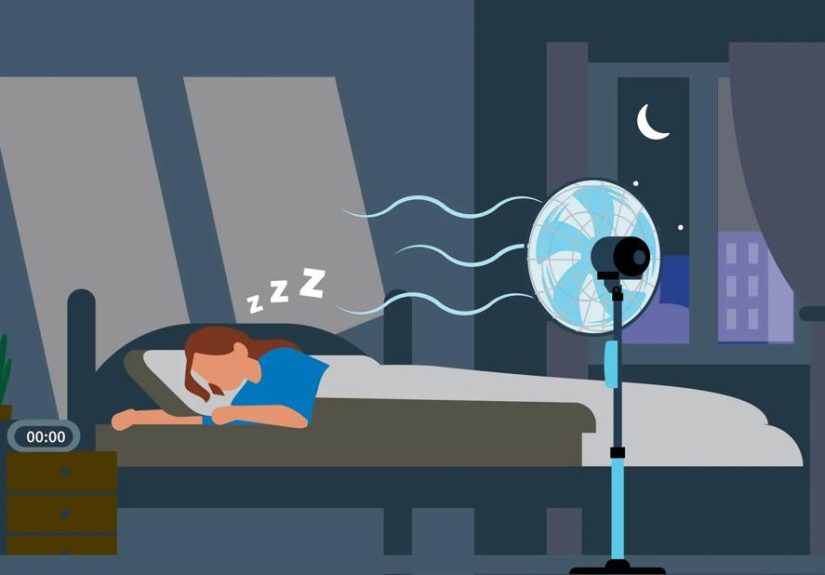
These are not glamorous, but they help. Dress in layers. Keep a fan near your bed and desk. Lower the bedroom temperature at night. Choose breathable fabrics such as cotton or moisture-wicking sleepwear. Keep cold water nearby. If night sweats are your biggest problem, think like someone setting up camp on a mountain: cool room, light bedding, backup pajamas.
It also helps to identify triggers. Common ones include alcohol, spicy foods, heavy caffeine intake, overheated rooms, and high stress. Trigger avoidance will not erase every hot flash, but it may reduce how often your internal thermostat decides to become performance art.
Use Behavioral Tools That Actually Have Evidence
Cognitive behavioral therapy, often called CBT, does not magically delete hot flashes. What it can do is reduce how distressing they feel and improve coping, sleep, and quality of life. That matters. If a symptom becomes less disruptive, it stops running the whole show. Some women also benefit from clinical hypnosis and structured stress-reduction programs, especially when symptoms are worsened by anxiety or poor sleep.
Consider Nonhormonal Prescription Options
If hot flashes are moderate to severe, lifestyle changes may not be enough. This is where nonhormonal prescription treatment can be a very reasonable next step. Some antidepressants, especially certain SSRIs and SNRIs, can reduce hot flashes even when depression is not the issue. Low-dose paroxetine is one FDA-approved option for hot flashes. Gabapentin can also help, particularly when nighttime symptoms are ruining sleep.
Another option is fezolinetant, a nonhormonal medication designed specifically for moderate to severe vasomotor symptoms. It works differently from antidepressants and targets the brain pathway involved in temperature regulation. It has been an important addition for women who want a hormone-free option, but it is not a casual over-the-counter remedy. It requires a conversation with your clinician, and liver safety monitoring matters.
How to Sleep Better During Menopause Without Hormones
Sleep problems during menopause are often blamed entirely on aging, but that is a little too convenient. Night sweats, mood changes, stress, and shifting hormones can all wreck sleep quality. Then poor sleep makes everything else feel worse, including hot flashes, irritability, cravings, and concentration. It is a rude little loop.
Build a Menopause-Friendly Sleep Routine
Go to bed and wake up at the same time most days. Limit caffeine late in the day. Cut back on alcohol if you notice you fall asleep fast but wake up at 2 a.m. ready to judge your life choices. Keep the room dark, cool, and quiet. Put the phone down earlier than you want to. Yes, that part is annoying. It is also useful.
If you lie awake worrying, a short wind-down routine can help: a lukewarm shower, stretching, reading, or breathing exercises. If insomnia is sticking around, CBT for insomnia, also called CBT-I, can be more effective and sustainable than depending on sleep aids alone.
Treat the Thing Waking You Up
If hot flashes are waking you up, the best sleep fix may be a hot flash fix. If anxiety is waking you up, mood support may matter more than another pillow spray. If snoring, gasping, or daytime sleepiness are part of the picture, ask about sleep apnea. Menopause can raise the odds of sleep-disordered breathing, and no amount of lavender mist can out-negotiate untreated apnea.
Managing Mood Swings, Irritability, and Brain Fog
Menopause is not all sweating and skipped periods. Many women notice increased irritability, anxiety, low mood, or a strange mental fuzziness that makes simple tasks feel harder than they should. Forgetting why you opened the refrigerator is one thing. Forgetting your normal level of patience is another.
Regular exercise is one of the most reliable nonhormonal tools here. It supports mood, sleep, metabolism, heart health, and stress relief all at once. A combination of brisk walking, strength training, and mobility work tends to be more helpful than punishing yourself with heroic workouts you hate. You do not need to train like an action movie star. You need consistency.
Therapy can also help, especially CBT or other structured counseling if mood symptoms are becoming disruptive. And if you have a history of depression or anxiety, do not assume menopause means you simply have to tolerate feeling worse. Support is treatment, not weakness. If symptoms are significant, medication may be appropriate and can sometimes help both mood and hot flashes.
Vaginal Dryness, Painful Sex, and Bladder Changes Without HRT
This is the symptom cluster many women whisper about even though it deserves normal-volume conversation. Vaginal dryness, irritation, painful sex, recurrent urinary discomfort, and urgency are common in menopause. They are also treatable without systemic HRT.
Know the Difference Between a Lubricant and a Moisturizer
A vaginal lubricant helps during sexual activity by reducing friction. A vaginal moisturizer is used regularly, whether or not sex is happening, to improve moisture over time. Many women need both. This is not overkill. It is just plumbing maintenance for tissue that has become thinner and drier.
Use products consistently instead of waiting until discomfort gets dramatic. If over-the-counter options are not enough, ask about nonhormonal prescription treatments such as ospemifene for painful sex related to menopausal vaginal changes. Pelvic floor physical therapy can also help when pain, tension, or urinary symptoms are part of the problem.
And one important reminder: painful sex is not something you are supposed to “power through.” That is not resilience. That is a fast track to dread.
Protecting Bone Health Without HRT
Even if your hot flashes eventually calm down, menopause still changes the long game because falling estrogen levels accelerate bone loss. This is why managing menopause without HRT should never focus only on symptom relief. You are also protecting future-you from fractures, weakness, and the joyless surprise of discovering that sneezing should not be a high-risk activity.
Exercise Like Bone Health Counts, Because It Does
Weight-bearing exercise and resistance training matter. Walking is good. Strength training is better than most women are told. Muscles pulling on bones help keep bones stronger. Try to include resistance exercise at least two to three times a week, plus regular walking, hiking, dancing, stair climbing, or other weight-bearing movement.
Prioritize Calcium, Vitamin D, and Protein
Food first is a smart approach. Dairy products, fortified foods, tofu, leafy greens, sardines, and salmon can all help with calcium intake. Vitamin D matters because it helps your body absorb calcium. Protein matters because muscle and bone health travel together. If your diet falls short, ask your clinician whether supplements make sense for you instead of guessing in the vitamin aisle for sport.
If you have risk factors for osteoporosis, a bone density scan may be worth discussing. Menopause is a great time to be proactive instead of politely pretending bone loss is someone else’s problem.
What About Herbal Remedies and Supplements?
This is where the internet tends to get a little chaotic. Black cohosh, soy products, red clover, magnesium, evening primrose oil, and a rotating cast of mystery gummies often get marketed as natural menopause relief. Some women report benefit. Research overall is mixed, and “natural” does not automatically mean effective or safe.
Supplements can interact with medications, affect the liver, vary wildly in quality, and create false confidence when what you really need is a targeted treatment plan. If you want to try a supplement, talk with your clinician or pharmacist first, especially if you have a history of breast cancer, liver disease, or take other regular medications.
When to See a Doctor Instead of DIY-ing It
Menopause management can include plenty of home strategies, but some symptoms need medical attention. See a clinician if hot flashes are severe, sleep is persistently poor, mood symptoms are intense, sex is painful, bladder symptoms keep recurring, or you have vaginal bleeding after you have gone 12 months without a period. That last one deserves evaluation, not optimism.
You should also speak up if you feel dismissed. Menopause is common, but that does not make your symptoms trivial. A good clinician should help you sort through options, including nonhormonal prescriptions, pelvic health support, mental health treatment, and preventive care for bones and the heart.
The Best Nonhormonal Menopause Plan Is the One You Will Actually Use
Managing menopause without HRT is less about finding a perfect cure and more about building a practical system. Keep the room cool. Track triggers. Protect sleep. Move your body. Strength train. Use moisturizers and lubricants before discomfort takes over. Treat mood symptoms seriously. Consider nonhormonal medication when lifestyle changes are not enough. Pay attention to bone health now, not later.
Most of all, give yourself permission to adjust the plan. Menopause changes over time, and your strategy can too. This is not a moral test. It is a health transition. The goal is not to win a medal for suffering quietly. The goal is to feel better.
Experiences Women Commonly Describe When Managing Menopause Without HRT
One of the most reassuring things about menopause is realizing that your experience, while deeply personal, is rarely unique. Women often say the hardest part is not the symptoms themselves at first. It is the confusion. They expect hot flashes, maybe. They do not expect waking at 3 a.m. every night, feeling suddenly short-tempered, or discovering that one glass of wine now behaves like a tiny chaos grenade.
Many women describe an early phase of trial and error. They buy cooling pajamas, switch coffee to mornings only, lower the thermostat, and start carrying a water bottle everywhere like it is an emotional support accessory. These small changes can sound almost silly on paper, but women often say that together they make the day feel more manageable. A fan at night, a lighter duvet, and fewer trigger foods may not sound life-changing until you realize you finally slept six solid hours.
Others say the biggest shift comes when they stop trying to “tough it out” and start treating symptoms specifically. A woman dealing mostly with hot flashes may do well once she tracks triggers and starts a nonhormonal prescription. Another may find her real issue was not heat but insomnia, and once she works on sleep habits or tries CBT-I, everything improves. Someone else may realize that painful sex and vaginal dryness were quietly affecting her mood and relationship more than the hot flashes ever did, and regular use of moisturizers changes that.
Women who cannot use HRT for medical reasons often talk about the emotional side of that decision too. There can be frustration in knowing a treatment exists but is not the right option for you. Still, many describe feeling empowered once they learn there are real nonhormonal choices. They stop seeing menopause as something they must endure and start seeing it as something they can manage with a plan, support, and honest conversations.
Another common experience is discovering that menopause pushes women to rethink overall health, not just symptoms. Strength training becomes less about appearance and more about protecting bones. Better sleep becomes less of a luxury and more of a necessity. Stress management stops sounding like wellness fluff and starts looking like a survival skill. In that way, menopause can be disruptive, yes, but also clarifying. It often forces women to take their own comfort and long-term health more seriously than they have in years.
And perhaps the most repeated experience of all is relief when women realize they are not “failing” menopause. There is no gold star for having fewer symptoms, and there is no shame in needing help. Whether the answer is cooling sheets, therapy, lubricant, gabapentin, fezolinetant, or simply a stronger routine, the experience many women share is this: life gets easier when you stop chasing perfection and start building what actually works for your body.
Conclusion
Managing menopause without HRT can be realistic, effective, and empowering when you focus on evidence-based strategies instead of random promises. You may need a mix of lifestyle changes, nonhormonal medications, better sleep habits, vaginal care, mood support, and bone-health prevention. That does not mean your plan is complicated. It means your care is personalized. And that is exactly what menopause management should be.