Table of Contents >> Show >> Hide
- What Is a Stucco House Finish?
- Why Stucco Is Popular in American Homes
- How Stucco Is Applied
- Common Stucco Textures and Styles
- Pros of a Stucco House Finish
- Cons of a Stucco House Finish
- Stucco Maintenance Tips for Homeowners
- How Much Does Stucco Cost?
- Is Stucco Right for Your Home?
- Real-World Experiences and Practical Lessons About Stucco House Finish
- Conclusion
- SEO Tags
Note: This article is written as original, publication-ready web content in standard American English, synthesized from reputable U.S. building, remodeling, preservation, and home-improvement references.
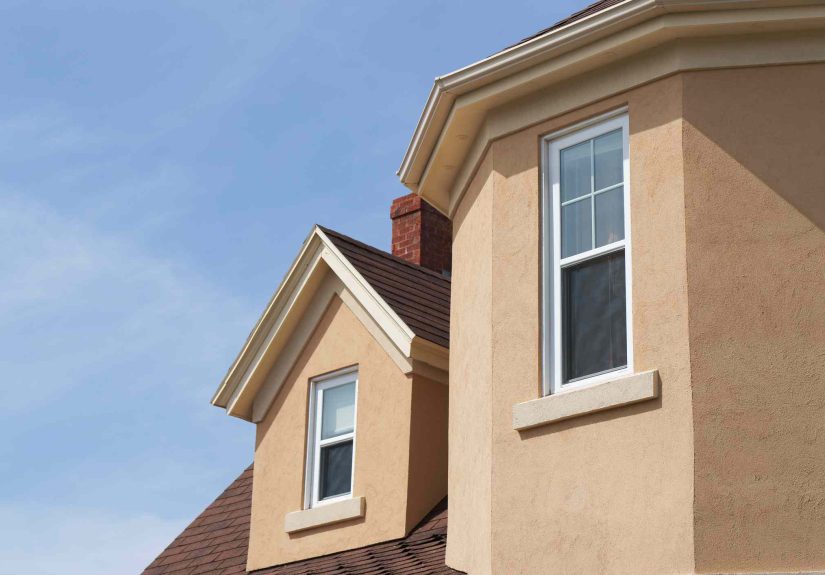
Stucco is one of those exterior finishes that looks as if it has been standing confidently in the sun for centuriesbecause, in many parts of the world, it basically has. From Mediterranean villas to Southwestern ranch homes, from Spanish Revival bungalows to clean-lined modern houses, a stucco house finish gives a home a smooth, sculpted, and slightly “I have my life together” appearance. Not bad for a mixture that starts with cement, sand, lime, and water.
But stucco is not just a pretty face. It is a serious exterior cladding system that protects walls, adds texture, resists fire, and can last for decades when installed correctly. The important phrase there is installed correctly. Stucco can be durable and low-maintenance, but it is not magic frosting for a house. Poor flashing, bad drainage, rushed curing, or careless repairs can turn a handsome stucco exterior into a cracked, stained, moisture-trapping headache.
This guide explains the basics of stucco siding, how it is applied, where it performs best, its biggest advantages, its drawbacks, and the practical lessons homeowners should know before choosing a stucco house finish.
What Is a Stucco House Finish?
A stucco house finish is a hard exterior plaster system applied over masonry, concrete, or framed walls. Traditional stucco, often called Portland cement plaster, is usually made from Portland cement, sand, lime, and water. Once applied and cured, it forms a dense, durable shell over the home’s exterior.
Modern stucco generally falls into three broad categories:
Traditional Three-Coat Stucco
This is the classic hard-coat stucco system. It includes a scratch coat, a brown coat, and a finish coat. Over wood-framed walls, it is installed over a water-resistive barrier, metal lath, and accessories such as weep screeds and casing beads. On masonry or concrete, stucco may be applied directly when the surface is properly prepared.
One-Coat Stucco
Despite the name, one-coat stucco is not always literally one layer from start to finish. It usually refers to a proprietary base coat system that is applied in fewer steps than traditional three-coat stucco, often followed by a separate finish coat. It can speed up installation, but it must be installed according to the manufacturer’s specifications.
Synthetic Stucco or EIFS
EIFS, short for Exterior Insulation and Finish System, is often mistaken for traditional stucco because it can look similar from the sidewalk. However, EIFS is a different wall system that typically includes foam insulation board, reinforced base coat, and synthetic finish. It can offer energy benefits, but water management and detailing are extremely important.
Why Stucco Is Popular in American Homes
Stucco is especially common in warm, dry regions of the United States, including the Southwest, California, Nevada, Arizona, Texas, and Florida. It also appears on historic homes, custom houses, and modern builds across the country. Its popularity comes from a rare combination: it is strong, attractive, customizable, and relatively low-maintenance compared with many exterior finishes.
Architecturally, stucco is flexible. It can look rustic, refined, old-world, contemporary, or beachy depending on the texture, color, trim, roofline, and landscaping. A white stucco exterior with a clay tile roof says “Spanish courtyard.” A dark gray smooth stucco wall with black-framed windows says “architectural magazine subscription.” Same material family, very different personality.
How Stucco Is Applied
The exact stucco application process depends on the wall type, climate, local code, and chosen system. Still, most traditional stucco installations follow a similar sequence.
1. Wall Preparation
The wall must be clean, stable, and suitable for stucco. On masonry, contractors check for dust, paint, sealers, loose material, or anything that could prevent bonding. On framed walls, sheathing must be properly installed and dry. This is where a good job begins. Stucco is not meant to hide structural problems, water damage, or soft sheathing. It will cover them, yesbut the same way a rug covers a hole in the floor.
2. Water-Resistive Barrier and Flashing
Stucco can absorb and release moisture, so a water-managed wall assembly is essential. Over framed walls, installers use water-resistive barriers, flashing around windows and doors, and drainage details that help direct incidental water back outside. Building science experts emphasize that exterior claddings are not perfectly waterproof. The goal is not to pretend water will never get behind the finish; the goal is to give that water a safe exit.
3. Weep Screed Installation
A weep screed is installed at the base of framed stucco walls. It helps define the bottom edge of the stucco and allows trapped moisture to drain. Think of it as a tiny escape route for water. It is not glamorous, but neither is a clogged gutterand both matter more than homeowners usually realize.
4. Metal Lath
Metal lath or wire mesh is attached over the water-resistive barrier. The lath gives the wet stucco something to grip. Without proper lath installation, the stucco may not key in correctly, which can lead to cracking, bulging, or failure.
5. Scratch Coat
The scratch coat is the first layer of plaster. It is pressed into the lath and then scratched horizontally to create grooves. These grooves improve the bond with the next layer. The scratch coat must cure long enough to gain strength before the next coat is applied.
6. Brown Coat
The brown coat levels the wall and builds thickness. It is floated to create a flat, even surface. This layer is crucial for the final look. A poor brown coat can make the finish coat look wavy, uneven, or unintentionally “handmade by a raccoon.”
7. Finish Coat
The finish coat provides the visible color and texture. It may be cement-based, acrylic, smooth, sand-finished, lace-textured, dash-textured, or custom-troweled. Pigments can be mixed into the finish, or the stucco can later be painted with suitable masonry coatings.
8. Curing and Protection
Stucco needs proper curing. If it dries too fast, especially in hot sun or wind, it may become weaker or develop excessive cracking. Contractors may mist the surface or protect it during curing. Good stucco work is partly craftsmanship and partly patience, which is why rushing it is a bad idea.
Common Stucco Textures and Styles
One reason homeowners like stucco siding is the variety of finishes available. The texture can dramatically change the home’s appearance.
Smooth Stucco
Smooth stucco is clean, modern, and elegant. It is also less forgiving because imperfections are easier to see. It often costs more because it requires skilled finishing.
Sand Finish
Sand finish has a fine, even grain. It is simple, popular, and versatile. It works well on both traditional and contemporary homes.
Lace Finish
Lace texture is common in many residential neighborhoods. It hides minor imperfections better than smooth stucco and gives the wall a classic textured look.
Dash Finish
Dash finish is sprayed or thrown onto the surface, creating a rougher texture. It can be heavy or light depending on the application.
Cat Face Finish
Cat face stucco combines smoother areas with irregular rough patches. The result is casual, organic, and slightly rustic.
Pros of a Stucco House Finish
Durability
When installed well, stucco can last for decades. Traditional cement stucco creates a hard exterior surface that stands up well to sun, wind, and normal wear. It is not fragile siding that dents every time a lawn chair looks at it sideways.
Fire Resistance
Stucco is a cement-based material, which makes it naturally noncombustible. This is one reason it is valued in hot, dry regions and in areas where fire resistance is a major concern.
Design Flexibility
Stucco can be tinted, painted, shaped, curved, textured, and paired with stone, brick, wood, or metal accents. It works with many architectural styles, including Mediterranean, Mission, Pueblo, Craftsman, modern, and coastal designs.
Low Maintenance
Stucco does not need frequent replacement, and it is not vulnerable to rot or insect damage the way wood siding can be. Basic maintenance usually includes washing, inspecting for cracks, checking sealant joints, and repainting or recoating when needed.
Good Sound Reduction
Because stucco forms a dense, continuous exterior layer, it can help reduce outdoor noise. This is useful for homes near busy roads, schools, or that neighbor with a leaf blower and a dream.
Energy and Comfort Benefits
Stucco’s mass can help moderate temperature swings, especially in dry climates. When combined with modern insulation and proper wall design, it can contribute to a comfortable, efficient home.
Curb Appeal
A fresh stucco exterior can make a house look polished and substantial. The seamless appearance gives walls a custom-built quality that many buyers find attractive.
Cons of a Stucco House Finish
Cracking Can Happen
Stucco is hard, but it is not highly flexible. Hairline cracks are common, especially as homes settle or expand and contract with temperature changes. Small cracks are often repairable, but neglected cracks can allow water intrusion.
Moisture Problems in Wet Climates
Stucco can perform well in many climates, but it needs excellent drainage in rainy, humid, or freeze-thaw regions. If water gets behind the stucco and cannot dry or drain, damage may develop in the wall assembly.
Installation Requires Skill
Stucco is not the best place to gamble on the cheapest bid from someone whose main qualification is “my cousin has a trowel.” Proper installation requires knowledge of wall preparation, flashing, lath, mixing, thickness, curing, and finish techniques.
Repairs Can Be Visible
Patching stucco is possible, but matching the original texture and color can be tricky. Even a well-done patch may stand out slightly, especially on older or faded walls.
Color Changes Are Not Always Simple
Stucco can be painted, but repainting textured stucco requires proper prep, suitable coatings, and careful application. Deep texture can make coverage more labor-intensive than painting flat siding.
Not Ideal for Every Foundation or Region
Areas with significant soil movement, seismic activity, or frequent freeze-thaw cycles may require special detailing. Stucco can still be used in many of these places, but the design and installation must account for local conditions.
Stucco Maintenance Tips for Homeowners
Stucco is often described as low-maintenance, not no-maintenance. A little attention can prevent expensive repairs.
Inspect Annually
Walk around the house once or twice a year and look for cracks, stains, bulges, soft spots, or gaps around windows and doors. Pay extra attention after storms, earthquakes, foundation work, or major temperature swings.
Clean Gently
Use a garden hose, soft brush, and mild cleaner for routine dirt. Avoid aggressive pressure washing, which can damage the finish or drive water into cracks.
Repair Small Cracks Early
Hairline cracks should be sealed with appropriate masonry or elastomeric materials. Larger cracks, stair-step cracks, or recurring cracks should be evaluated by a professional.
Keep Soil and Landscaping Away
Do not pile mulch, soil, or plants directly against stucco. The bottom of the wall needs clearance so moisture can drain and dry.
Maintain Gutters and Downspouts
Overflowing gutters can stain stucco and saturate walls. Keep roof drainage moving away from the house.
Use the Right Paint or Coating
If painting stucco, choose breathable masonry-compatible products. Trapping moisture behind the wrong coating can create more problems than it solves.
How Much Does Stucco Cost?
Stucco costs vary widely based on region, wall condition, home size, number of stories, finish type, labor rates, and whether old siding must be removed. In many U.S. markets, stucco installation is commonly priced by the square foot, and professional installation can range from moderately affordable to premium depending on complexity.
Simple, flat walls cost less than homes with multiple stories, curved surfaces, decorative bands, balconies, or many window openings. Smooth finishes usually cost more than basic textures because they require more labor and skill. Repairs also vary: small crack sealing may be inexpensive, while water-damaged stucco removal and wall repair can become costly.
The best approach is to get detailed quotes from qualified stucco contractors. The quote should specify the stucco system, wall preparation, water-resistive barrier, flashing, lath, coat thickness, finish type, curing approach, warranty, and cleanup. A vague quote for “stucco job” is about as comforting as a restaurant menu that just says “food.”
Is Stucco Right for Your Home?
Stucco may be a great choice if you want a long-lasting exterior finish with a timeless look, especially if your home is in a dry or warm climate. It is also appealing if you like textured walls, earthy colors, and architectural styles that benefit from a seamless exterior.
However, stucco may not be the best choice if your home has unresolved moisture issues, poor drainage, major foundation movement, or if you live in a climate where freeze-thaw cycles and wind-driven rain are constant concerns. In those situations, stucco can still work, but only with excellent detailing and professional installation.
Before choosing stucco, ask three questions: Will the wall assembly drain properly? Is the installer experienced with stucco in this climate? Am I prepared to inspect and repair small cracks before they become big problems? If the answer is yes, stucco deserves serious consideration.
Real-World Experiences and Practical Lessons About Stucco House Finish
Homeowners often fall in love with stucco because of the way it looks first, then learn later that its performance depends on the details nobody sees. The most important experience-based lesson is this: stucco is a system, not just a surface. The finish coat may get all the compliments, but the water-resistive barrier, flashing, lath, weep screed, and curing process are doing the quiet work behind the scenes.
One common experience is discovering that small cracks are not automatically a disaster. Many stucco homes develop fine hairline cracks over time. These can happen from normal settling, thermal movement, or minor shrinkage. The key is to monitor them. A thin, stable crack may only need proper sealing. A crack that widens, returns after repair, or appears near windows may point to movement or water issues that deserve professional attention.
Another practical lesson involves color. Many homeowners choose a tinted finish thinking they will never need to paint. That can be true for a long time, but sunlight, dust, irrigation overspray, and pollution can change the appearance of stucco. Darker colors may show fading sooner, while very light colors may show dirt and staining. Testing colors on the actual wall is smart because stucco texture creates shadows that make colors look different throughout the day.
Homeowners in rainy areas often learn that drainage details matter more than texture style. A beautiful lace finish will not save a wall with bad flashing. Windows, doors, deck ledgers, roof-wall intersections, and the base of the wall are common trouble spots. If water is repeatedly directed onto stucco or trapped behind it, stains, cracking, and hidden deterioration can follow. Good gutters, kick-out flashing, and ground clearance are not optional accessories; they are part of the survival plan.
Repair matching is another real-world issue. Even when a contractor uses the right material, a patched area may look slightly different because the old stucco has weathered. Texture matching is an art. Color matching is part science, part luck, and part “how much direct sun hits this wall at 3 p.m. in July?” For highly visible areas, repainting or recoating the entire wall section may produce a cleaner result than trying to hide a small patch.
People also learn that smooth stucco is gorgeous but demanding. It can make a home look modern and expensive, but it shows waves, trowel marks, cracks, and repairs more easily than heavier textures. If you want a flawless smooth finish, hire a contractor with specific smooth-stucco experience and ask to see completed projects in person.
Finally, the best homeowner experience with stucco usually comes from respecting the material. Do not bury it behind wet mulch. Do not blast it with a pressure washer like you are stripping barnacles off a boat. Do not ignore cracks because they are “just cosmetic” forever. Stucco rewards steady, boring maintenance. And in homeownership, boring is often wonderful. Boring means no surprise leaks, no emergency repair bills, and no mysterious stain shaped like the state of Ohio spreading under the bedroom window.
Conclusion
A stucco house finish can be beautiful, durable, fire-resistant, and impressively versatile. It gives homes a clean, substantial appearance that works across many architectural styles, from classic Spanish-inspired designs to modern minimalist exteriors. But stucco succeeds only when it is treated as a complete wall system. Proper water management, skilled application, adequate curing, and routine maintenance make the difference between a long-lasting exterior and an expensive repair story.
If you are considering stucco siding, focus less on the lowest price and more on the quality of the assembly. Ask about flashing, drainage, lath, coat thickness, curing, texture matching, and maintenance. A well-installed stucco exterior can serve your home for decades. A poorly installed one can teach you more about moisture than you ever wanted to know.
In short, stucco is a strong choice for the right house, the right climate, and the right contractor. Give it the details it deserves, and it will give your home curb appeal with backbone.