Table of Contents >> Show >> Hide
- Why Fleece Needs Gentle Care
- Before You Wash: Read the Care Label First
- Way 1: Machine Wash a Fleece Jacket
- Way 2: Hand Wash a Fleece Jacket
- Way 3: Spot Clean and Refresh a Fleece Jacket
- How to Dry a Fleece Jacket Properly
- How Often Should You Wash a Fleece Jacket?
- Common Mistakes to Avoid
- How to Keep Fleece Soft and Reduce Pilling
- What About Sherpa Fleece?
- Experience Notes: What Actually Works in Real Life
- Conclusion
A fleece jacket is the golden retriever of outerwear: warm, loyal, low-drama, and somehow always covered in lint. Whether you wear yours for hiking, school runs, chilly offices, camping trips, or pretending you are “outdoorsy” while walking to the mailbox, fleece is one of the easiest fabrics to love. It is soft, lightweight, insulating, and usually made from synthetic fibers such as polyester that trap warmth without feeling bulky.
But fleece has one tiny personality flaw: wash it the wrong way and it can become rough, pilly, flat, or oddly crunchy. The good news is that learning how to wash a fleece jacket is not complicated. You do not need a special laundry degree, a mountain cabin, or a washing machine that looks like it belongs on a spaceship. You just need the right water temperature, a gentle detergent, a little patience, and a firm promise to keep fabric softener far, far away.
This guide breaks down the three best ways to wash a fleece jacket: machine washing, hand washing, and spot cleaning. You will also learn how to dry fleece properly, how to remove odors, how to prevent pilling, and how to keep your jacket soft for years instead of two suspicious laundry cycles.
Why Fleece Needs Gentle Care
Fleece is popular because it creates warmth through loft. That means the tiny raised fibers hold air, and that trapped air helps keep you warm. When fleece is washed with hot water, too much detergent, harsh chemicals, or rough fabrics, those fibers can mat down. Once that happens, your jacket may still technically be a jacket, but it may feel less like cozy outdoor gear and more like a tired dish towel with sleeves.
Most fleece jackets do best with cold water, mild detergent, and a gentle cycle. High heat is the enemy. Bleach is not invited. Fabric softener is the charming villain that seems helpful but can leave a coating on the fibers, reducing breathability and making fleece feel less fresh over time. The goal is simple: clean the jacket without stripping away its softness, shape, and insulating power.
Before You Wash: Read the Care Label First
Before choosing a washing method, check the care label inside your fleece jacket. Some fleece is basic polyester. Some is recycled polyester. Some has stretch panels, water-resistant finishes, sherpa lining, bonded layers, or decorative trims. The label tells you whether the jacket can be machine washed, whether it can go in the dryer, and what temperature is safest.
Do These Prep Steps Every Time
Start by emptying every pocket. You do not want to discover a melted lip balm, a forgotten receipt, or a granola bar fossil after the wash. Zip up all zippers, close snaps, fasten hook-and-loop tabs, and turn the jacket inside out. This protects the outer surface from friction and helps reduce pilling. If the jacket has visible mud, brush it off once dry before washing. Wet mud spreads like gossip.
Wash fleece with similar lightweight fabrics. Avoid tossing it in with jeans, towels, heavy hoodies, or anything with rough zippers and Velcro. Heavy garments can rub against fleece and create pills. Towels can shed lint like they are auditioning for a snowstorm. A smaller, gentler load gives your fleece room to move and rinse clean.
Way 1: Machine Wash a Fleece Jacket
Machine washing is the easiest and most practical way to clean most fleece jackets. It works well for everyday dirt, body oils, light odors, and regular seasonal cleaning. Done correctly, it is safe, quick, and surprisingly boring, which is exactly what you want from laundry.
Step 1: Turn the Jacket Inside Out
Turning fleece inside out protects the soft outer surface from rubbing against the washer drum and other clothing. This small step can help reduce pilling and keep the jacket looking newer. It also protects logos, pulls, and decorative stitching.
Step 2: Choose Cold Water and a Gentle Cycle
Select cold water and a gentle, delicate, or hand-wash cycle. Cold water helps preserve the fleece fibers, maintain color, and reduce the risk of shrinking or matting. A gentle cycle uses less agitation, which is important because fleece does not need a wrestling match to get clean.
Step 3: Use Mild Detergent
Add a small amount of mild liquid detergent. More detergent does not mean cleaner fleece. In fact, too much detergent can cling to the fibers and leave the jacket feeling stiff or less fluffy. Use the amount recommended for a small or medium load, and when in doubt, go lighter.
Step 4: Skip Fabric Softener and Bleach
Fabric softener can coat fleece fibers and interfere with their texture and performance. Bleach can weaken or discolor synthetic fleece. If your jacket smells musty, washing it correctly and drying it fully will usually solve the problem better than adding extra products.
Step 5: Rinse Well
If your washer has an extra rinse option, use it occasionally, especially when the jacket feels soapy or has been washed with a full load. A clean rinse helps remove detergent residue, which is one of the sneaky reasons fleece loses softness.
Best For
Machine washing is best for regular fleece jackets, lightweight fleece pullovers, zip-up fleece, school jackets, casual outdoor layers, and synthetic fleece that is labeled machine washable.
Way 2: Hand Wash a Fleece Jacket
Hand washing is the gentlest way to clean a fleece jacket. It is especially useful for older fleece, expensive outdoor fleece, jackets with delicate trims, or pieces that have already started to pill. It also gives you more control, which is nice when your washing machine’s “gentle” cycle still sounds like a helicopter landing.
Step 1: Fill a Basin With Cold Water
Use a clean sink, tub, or large basin. Fill it with cold water and add a small amount of mild detergent. Swish the water with your hand until the detergent is evenly mixed. You want lightly soapy water, not a bubble bath for your jacket.
Step 2: Submerge and Soak
Turn the jacket inside out, zip it closed, and place it in the water. Gently press it down until it is fully wet. Let it soak for about 10 to 15 minutes. This gives the detergent time to loosen sweat, light soil, and odors.
Step 3: Gently Agitate
Move the jacket through the water with your hands. Press and release the fabric instead of scrubbing it aggressively. Focus on cuffs, collar, underarms, and pocket openings, since those areas usually collect the most oils and dirt.
Step 4: Rinse Until Clear
Drain the soapy water and refill the basin with clean cold water. Press the jacket gently to release detergent. Repeat until the water runs clear and the fleece no longer feels slippery. This step matters because leftover detergent can make fleece feel heavy or sticky.
Step 5: Press Out Water
Do not twist or wring the jacket. Wringing can stretch seams and distort the shape. Instead, press the water out gently. You can also lay the jacket flat on a clean towel, roll it up, and press the towel to absorb excess moisture.
Best For
Hand washing is best for premium fleece jackets, sherpa-style fleece, older fleece, delicate trims, lightly soiled garments, and jackets you want to treat with maximum kindness.
Way 3: Spot Clean and Refresh a Fleece Jacket
You do not always need to wash the entire jacket. Sometimes a fleece jacket has one coffee splash, one mystery stain, or one sleeve cuff that looks like it has been in a small battle. Spot cleaning saves time, reduces wear, and keeps fleece looking better between full washes.
Step 1: Treat Stains Early
Fresh stains are easier to remove than old ones. If you spill something on fleece, blot it with a clean cloth. Do not rub hard, because rubbing can push the stain deeper and rough up the fabric. For food or oily marks, use a tiny drop of mild detergent mixed with cold water.
Step 2: Dab, Wait, and Rinse
Apply the diluted detergent to the stained area with a soft cloth. Let it sit for a few minutes, then dab gently. Rinse the area with cold water by blotting with a damp cloth. Repeat if needed. Avoid harsh stain removers unless the care label says they are safe for the fabric.
Step 3: Air Out the Jacket
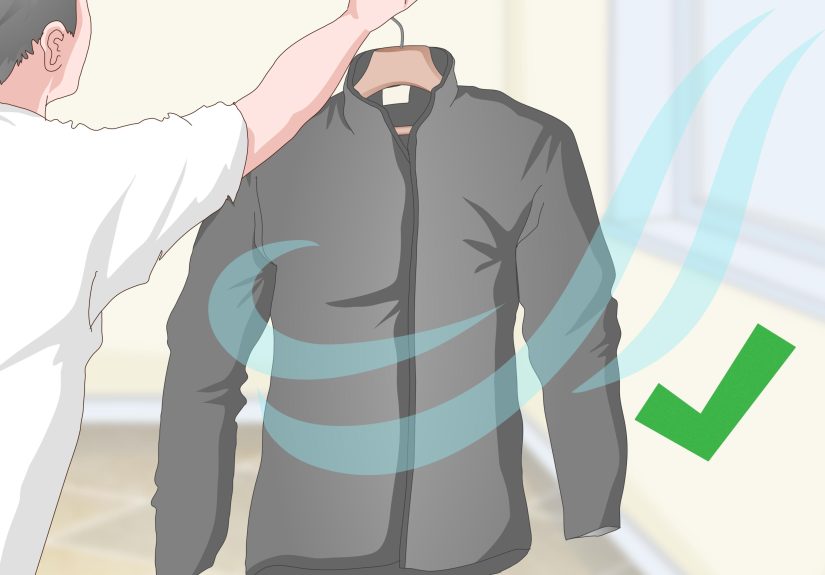
If your fleece is not dirty but smells a little stale, hang it in a well-ventilated area. Fresh air can do wonders. This is especially helpful after campfires, gym bags, road trips, or being trapped in a closet with shoes that have made poor life choices.
Step 4: Use a Garment Brush for Surface Lint
Fleece attracts lint and pet hair. A lint roller, garment brush, or clean damp cloth can remove surface fuzz before it becomes embedded. Brush in one direction and avoid scraping the fabric aggressively.
Best For
Spot cleaning is best for small stains, light odors, cuffs, collars, travel refreshes, and jackets that are not ready for a full wash.
How to Dry a Fleece Jacket Properly
Drying is where many fleece jackets lose their charm. The safest method is air drying. Lay the jacket flat on a clean towel or hang it on a sturdy hanger in a well-ventilated space. Keep it away from direct high heat, radiators, and blazing sunlight. Fleece dries faster than many natural fabrics, so patience is usually rewarded quickly.
If the care label allows machine drying, use low heat or a no-heat air-fluff setting. Remove the jacket while it is slightly damp and let it finish air drying. High heat can flatten fibers, increase static, or damage finishes. Think of fleece like a marshmallow: cozy and useful, but not something you want to roast by accident.
How Often Should You Wash a Fleece Jacket?
You do not need to wash fleece after every wear unless it is sweaty, stained, or visibly dirty. Washing too often can create unnecessary friction and shorten the life of the fabric. For casual wear, washing after several wears is usually enough. For hiking, workouts, camping, or heavy outdoor use, wash it when it smells, feels grimy, or has collected dirt.
A good rule is to wash when the jacket needs it, not because the laundry basket is lonely. Airing it out between wears, spot cleaning small marks, and brushing off lint can reduce full washes and keep the fleece in better shape.
Common Mistakes to Avoid
Using Hot Water
Hot water can damage fleece texture and may contribute to shrinking or matting. Cold water is the safer default for most fleece jackets.
Adding Fabric Softener
Fabric softener sounds like it should make fleece softer, but it can leave a coating that dulls the fabric and affects performance. Fleece prefers to be left alone, like a cat with a sunbeam.
Overloading the Washer
A stuffed washer creates friction and prevents proper rinsing. Give fleece space. It is a jacket, not a pancake.
Washing With Towels or Jeans
Towels shed lint, and jeans are heavy and abrasive. Both can make fleece pill faster. Wash fleece with similar soft, lightweight items.
Drying on High Heat
High heat can flatten the fibers and make fleece feel less plush. Use air drying, low heat, or no heat when allowed by the care label.
How to Keep Fleece Soft and Reduce Pilling
Pilling happens when fibers rub together and form tiny balls on the fabric surface. It is common with fleece, especially in areas that see friction, such as underarms, cuffs, backpack straps, and seatbelt zones. You cannot prevent every pill, but you can slow them down.
Turn the jacket inside out before washing. Use cold water. Choose a gentle cycle. Wash with similar fabrics. Avoid overloading the washer. Air dry when possible. Store the jacket clean and fully dry. If pills appear, use a fabric shaver gently and carefully, following the tool’s instructions. Do not attack the jacket like you are mowing a lawn.
What About Sherpa Fleece?
Sherpa fleece needs extra care because its fluffy texture can mat if washed roughly. Use cold water, mild detergent, and a gentle cycle, or hand wash if the jacket is special to you. Air drying is usually the safest choice. Once dry, you can gently fluff matted areas with your fingers or a soft brush. Be patient. Sherpa has drama, but it can recover.
Experience Notes: What Actually Works in Real Life
After caring for fleece jackets through winters, travel days, outdoor walks, muddy errands, and the occasional “I forgot this was in the trunk” moment, the biggest lesson is that fleece rewards gentle habits. The jackets that stay soft the longest are not necessarily the most expensive ones. They are the ones washed with restraint. Cold water, mild detergent, and air drying may sound basic, but they consistently beat fancy laundry hacks.
One practical experience is that most fleece jackets do not need a full wash as often as people think. A jacket worn over a T-shirt for a quick grocery run may only need airing out. A jacket worn during a sweaty hike, however, deserves a proper wash. Treating every wear the same leads to over-washing, and over-washing leads to pilling, fading, and that tired texture nobody wants.
Another useful habit is washing fleece separately from towels. This sounds picky until you pull a black fleece from the washer and it looks like it wrestled a white sheep. Towels leave lint everywhere, and fleece grabs it with enthusiasm. Washing fleece with lightweight synthetic clothing, workout shirts, or similar soft layers produces much better results.
Turning the jacket inside out is also more important than it seems. It takes two seconds, but it helps protect the visible side from abrasion. This is especially noticeable with darker fleece, patterned fleece, or jackets with a smooth outer face. The inside may take the friction, but the outside keeps looking presentable.
Drying makes a huge difference. Air-dried fleece often feels better over time than fleece repeatedly dried on heat. If you need to use the dryer, low heat or air fluff is the safer choice. Pulling the jacket out before it is bone dry and letting it finish on a hanger can help reduce static and overheating. The jacket may not come out with that dramatic warm-laundry feeling, but it will thank you by staying soft.
For odors, the best solution is usually not more detergent. It is better rinsing and complete drying. A jacket that smells musty after washing may have detergent residue, trapped moisture, or both. Running a lighter detergent load and giving it enough airflow while drying usually fixes the problem. Never store fleece while damp, even slightly. A damp fleece in a dark closet can develop a smell that announces itself before you enter the room.
For stains, spot cleaning first is worth it. A small dab of detergent and cold water on the cuff or collar can save the whole jacket from unnecessary washing. This is especially helpful for kids’ fleece jackets, travel fleece, and light-colored pieces that attract mystery marks. The stain does not need a dramatic battle scene. Gentle blotting usually works better than scrubbing.
The final real-life lesson is simple: fleece is easy to care for when you stop treating laundry like a speed contest. Slow down, read the care label, use less detergent than your instincts suggest, skip the softener, and avoid heat. That is the entire magic trick. No cape required, although your fleece jacket may count as one if you zip it dramatically enough.
Conclusion
Washing a fleece jacket the right way is mostly about protecting its soft, lofty fibers. For regular cleaning, machine wash it inside out in cold water on a gentle cycle with mild detergent. For delicate or older fleece, hand wash it with patience and a light touch. For small marks or light odors, spot clean and refresh instead of sending the whole jacket through another wash.
The best fleece care routine is simple: cold water, mild detergent, no bleach, no fabric softener, no high heat, and no rough laundry companions. Follow those rules and your fleece jacket will stay warm, soft, and ready for everything from mountain trails to aggressively air-conditioned classrooms, offices, and grocery stores.