Table of Contents >> Show >> Hide
- Why Link Data Still Matters in SEO
- What the Moz Link Data Study Found
- Why “Largest” Does Not Automatically Mean “Best”
- How Moz Link Explorer Helps SEO Teams
- What This Means for Link Building
- Backlink Quantity vs. Backlink Quality
- How Moz Compares With Ahrefs, Semrush, and Majestic
- Practical Ways to Use Moz’s Large Link Data Set
- Common Mistakes When Reading Backlink Reports
- Experience Notes: What Working With Link Data Teaches You
- Conclusion
In the world of SEO, backlinks are like reputation points at a very nerdy popularity contest. The more quality websites that link to you, the more search engines may see your site as trustworthy, relevant, and worth showing to users. But here is the tiny problem hiding under the giant spreadsheet: backlink data is only useful if the tool collecting it can actually find the links.
That is why the study confirming Moz has the largest link data set became such a conversation starter in the SEO community. For marketers, agencies, publishers, and business owners, link data is not just another dashboard decoration. It shapes link-building campaigns, competitor research, domain authority analysis, digital PR decisions, and technical SEO audits. If the data is thin, your strategy can become a very confident guess wearing a tie.
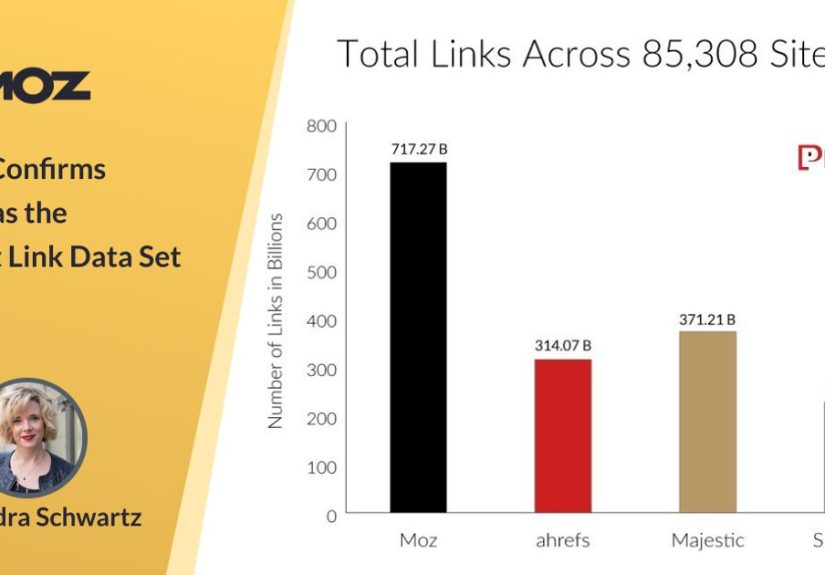
The study, conducted by Perficient and promoted by Moz, compared the link indexes of major SEO platforms including Moz, Ahrefs, Semrush, and Majestic. It looked at thousands of search queries across important industries and analyzed tens of thousands of ranking domains. The result was attention-grabbing: Moz reported the largest link data set in several key measurements, including total links and linking domains. For SEO professionals who live inside backlink reports all day, that is not a small claim. That is the kind of claim that makes someone refill their coffee and open another browser tab.
Why Link Data Still Matters in SEO
Search engines have changed dramatically over the years. Google now evaluates content quality, search intent, page experience, freshness, topical relevance, structured data, and many other signals. Still, links remain one of the strongest ways the web communicates trust. A link from a respected publication, university, industry association, or trusted niche website can tell search engines, “This page is worth noticing.”
That does not mean every backlink is valuable. A random link from a low-quality directory or a suspicious blog network is not exactly a golden ticket. In fact, manipulative link building can create risk. Modern SEO is not about collecting links like Pokémon cards. It is about earning relevant, editorial, useful links that make sense for real users.
This is where a large backlink index becomes important. The more complete your link data is, the better you can answer practical questions: Who is linking to my competitors? Which pages attract the most authority? Are there toxic patterns in my backlink profile? Did my digital PR campaign actually earn coverage? Which domains link to everyone in my industry except me, rude as that may be?
What the Moz Link Data Study Found
The Perficient study compared link data across Moz, Ahrefs, Semrush, and Majestic using 3,000 queries in the technology, health, and finance sectors. The researchers pulled the top 100 Google results for those queries, removed duplicates, and analyzed a large sample of 85,308 domains. That scale matters because small backlink tests can be misleading. Testing five websites is interesting. Testing more than eighty-five thousand domains is much harder to ignore.
According to the study summary published by Moz, the Moz link index reported approximately 90% more links than Majestic, which was identified as the second-largest in that measurement. Moz also reported the most links per domain 72% of the time. In another important result, Moz reported the most linking domains 60% of the time.
Those details matter because total backlinks and linking domains are not the same thing. Total backlinks count every link discovered. Linking domains count the unique websites sending those links. For example, one website might link to you from 500 pages in its footer, while another 50 websites might each link to you once from relevant editorial articles. Most SEOs would rather see a healthy spread of unique referring domains than a mountain of repeated links from one place. In backlink analysis, variety is not just the spice of life; it is often the signal of a more natural link profile.
Why “Largest” Does Not Automatically Mean “Best”
Here is where we take one respectful step away from the confetti cannon. A larger link index is valuable, but it does not automatically make one SEO tool the best for every marketer, every website, or every workflow. Link indexes are built differently. Crawlers prioritize different parts of the web. Tools refresh data at different speeds. Some are stronger in historical analysis, some in fresh backlink discovery, some in competitor dashboards, and some in authority metrics.
Search Engine Land has also emphasized an important point: SEO tools should generally be used for trend analysis and competitor benchmarking, not as perfect copies of reality. That advice is worth taping to the monitor. No third-party SEO platform has Google’s complete internal view of the web. These tools are maps, not the territory. A good map is incredibly useful, but you should not yell at a mountain because your map used a different shade of green.
In practice, Moz’s large link data set is most powerful when used with smart interpretation. The goal is not to stare lovingly at big numbers. The goal is to turn those numbers into better decisions: stronger content, cleaner outreach lists, safer backlink audits, and smarter competitive strategy.
How Moz Link Explorer Helps SEO Teams
Moz Link Explorer is built around the kind of backlink intelligence that SEO teams use every day. It shows inbound links, linking domains, anchor text, top-linked pages, Domain Authority, Page Authority, and Spam Score. These metrics help users understand both the quantity and the quality of links pointing to a website.
Domain Authority and Page Authority
Domain Authority, often shortened to DA, is Moz’s proprietary score that estimates how likely a domain is to rank compared with other domains. It is not a Google ranking factor, and it should not be treated like a secret scoreboard from inside Google headquarters. Instead, it is a comparative SEO metric. If your website has a DA of 34 and your direct competitors are around 28, that may suggest you are in a stronger link-position than they are. If competitors are at 70, it suggests you may need a more ambitious authority-building strategy.
Page Authority works similarly but focuses on individual URLs rather than the entire domain. This is useful because a website can have a moderate domain-level authority while one specific guide, tool, or research page earns a strong backlink profile of its own.
Spam Score
Moz’s Spam Score helps identify potential backlink risk by comparing signals associated with sites that may look spammy. It is not a panic button. A higher Spam Score does not automatically mean a site is doomed, cursed, or haunted by algorithm ghosts. It simply means the backlink profile deserves closer review. Smart SEOs use Spam Score as a starting point for investigation, not as a courtroom verdict.
Link Intersect
One of the most practical Moz features is Link Intersect. This tool helps you find websites that link to your competitors but not to you. For link builders, that is a beautiful thing. It turns competitor research into an actionable outreach list. If a publication links to three companies in your niche but not yours, it may be open to relevant resources, expert quotes, guest contributions, original research, or product comparisons.
What This Means for Link Building
The biggest lesson from the Moz link data study is not “go build more links immediately and aggressively.” Please do not sprint into the internet with a spreadsheet and a suspiciously enthusiastic email template. The real lesson is that better backlink data gives you better judgment.
For example, a SaaS company might use Moz to discover that competitors are earning links from software review sites, integration partners, industry reports, and comparison articles. Instead of blindly asking random bloggers for links, the company can build a targeted campaign around useful assets: original survey data, templates, calculators, integration guides, or expert commentary.
An ecommerce brand might find that its competitors are earning backlinks from gift guides, local magazines, sustainable shopping roundups, or product testing websites. A local service business might discover chamber of commerce pages, neighborhood directories, sponsorship pages, and local news opportunities. In each case, the data becomes a treasure map. There may still be dragons, but at least now they are labeled.
Backlink Quantity vs. Backlink Quality
A larger link index helps you see more of the web, but the best SEO strategies still focus on link quality. One relevant backlink from a respected industry publication can be more valuable than dozens of low-quality links from unrelated websites. Search engines are not impressed by noise. They are built to evaluate signals.
Good backlinks usually share a few traits. They come from relevant pages. They appear naturally in useful content. They send potential real visitors. They use anchor text that makes sense. They are not hidden, forced, purchased for ranking manipulation, or stuffed into awkward paragraphs that read like a robot trying to sell printer ink.
That is why Moz data should be paired with human review. A tool can show you where links exist. A strategist must decide whether those links matter. The best SEO professionals combine data, context, industry knowledge, and common sense. Common sense is still free, although some meetings do their best to hide it.
How Moz Compares With Ahrefs, Semrush, and Majestic
Moz is not the only serious backlink tool. Ahrefs is widely known for its large backlink database, frequent updates, Domain Rating, URL Rating, and deep Site Explorer reports. Semrush offers Backlink Analytics, Authority Score, toxicity signals, referring domain reports, and a broad all-in-one marketing toolkit. Majestic is especially known for its Fresh Index, Historic Index, Trust Flow, and Citation Flow.
This matters because SEO teams often use more than one platform. Moz may surface one set of opportunities. Ahrefs may reveal another. Semrush may connect backlink data with keyword and traffic insights. Majestic may help with historical link analysis. The smartest agencies do not treat tools like sports teams. They treat them like instruments. Sometimes you need a microscope, sometimes a telescope, and sometimes a dashboard that tells the client something useful before the meeting starts.
Still, the Perficient study gave Moz a strong case in one specific area: link data set size. For teams that rely heavily on competitive backlink discovery, digital PR measurement, and link prospecting, that can be a meaningful advantage.
Practical Ways to Use Moz’s Large Link Data Set
1. Build Better Competitor Benchmarks
Start by comparing your website against three to five direct competitors. Look at linking domains, top-linked pages, anchor text, Domain Authority, and new or lost links. Do not compare your local accounting firm to Amazon. That is not analysis; that is emotional damage with charts.
2. Find Linkable Content Ideas
Review your competitors’ top-linked pages. Are they earning links to original research, statistics posts, calculators, templates, glossaries, case studies, or tools? These patterns show what your industry naturally cites. Use that information to create something better, clearer, fresher, or more useful.
3. Audit Risky Backlinks
Use Spam Score and link reports to identify suspicious patterns. Look for irrelevant domains, unnatural anchor text, sitewide links, and obvious link schemes. Do not disavow links just because a number looks scary. Review carefully, document your decisions, and focus on real risk.
4. Support Digital PR
If your brand runs PR campaigns, Moz can help verify whether coverage produced followed links, nofollow links, syndicated mentions, or unlinked brand mentions that may deserve outreach. PR without measurement is basically shouting into the canyon and hoping the echo has a dashboard.
5. Monitor Link Growth Over Time
Backlink analysis is most useful when tracked consistently. One report gives you a snapshot. Monthly tracking gives you a story. Watch whether your referring domains are increasing, whether important pages are earning links, and whether competitors are gaining authority faster than you.
Common Mistakes When Reading Backlink Reports
The first mistake is chasing the biggest number. More backlinks are not always better. A site with 2,000 relevant referring domains may have a healthier profile than a site with 200,000 messy backlinks from low-value sources.
The second mistake is mixing tools without context. If Moz reports one number and Ahrefs reports another, it does not always mean one is “wrong.” It usually means they crawl, store, filter, and classify links differently. Pick one primary tool for consistent reporting, and use others for additional discovery.
The third mistake is treating Domain Authority as a business goal. DA can be useful, but revenue, qualified traffic, conversions, leads, and brand visibility matter more. A DA increase feels nice. A DA increase that also supports rankings, traffic, and sales feels much nicer. It wears better shoes.
Experience Notes: What Working With Link Data Teaches You
After working with backlink data across different types of websites, one lesson becomes clear: the tool gives you clues, but the strategy comes from interpretation. A large link data set like Moz’s can reveal patterns that smaller samples miss. For example, a business may assume its competitors rank because they publish more blog posts. Then the backlink data shows that those competitors are actually earning links from trade associations, comparison pages, podcasts, statistics roundups, and local news sites. Suddenly the strategy changes. The problem was not just content volume. It was authority distribution.
Another experience-based lesson is that link gaps are often easier to understand than keyword gaps. A keyword gap can show what competitors rank for, but a link gap can show why they may have the authority to rank in the first place. When several competitors have backlinks from the same industry websites, those domains become high-priority outreach targets. They already understand the topic. They already link to similar resources. They are not cold prospects; they are warm-ish prospects wearing a cardigan.
Link data also teaches humility. Every SEO eventually finds a competitor with fewer links ranking above a stronger domain. That does not mean backlinks are useless. It means search is complicated. Content relevance, search intent, topical authority, internal linking, technical health, user experience, and brand recognition can all influence performance. Backlinks are powerful, but they are not magic beans. Planting them badly will not grow a ranking beanstalk.
In real campaigns, the best results usually come from pairing backlink research with content planning. If Moz shows that “statistics” pages attract links in your niche, create a genuinely useful statistics page. If competitors earn links from templates, build a better template. If journalists cite original surveys, run a small survey and publish clear findings. This approach turns link building from begging into asset promotion. That is a healthier strategy and much less awkward for everyone’s inbox.
Another practical experience is that backlink cleanup should be calm and evidence-based. Website owners sometimes see a few odd links and immediately fear a penalty. Most sites collect strange links over time. The internet is weird; that is part of its charm and its plumbing problem. A good backlink audit looks for patterns, not isolated oddities. Are many links coming from unrelated foreign-language sites? Is anchor text heavily commercial? Are links appearing across obvious networks? Are there paid placements designed to manipulate rankings? Those questions matter more than one strange link from a forgotten forum in 2014.
Finally, Moz’s large link data set is especially useful when communicating SEO work to clients or stakeholders. Executives do not always want a 400-row backlink export. Actually, almost nobody wants that, including the person who made it. What they need is the story: competitors have stronger referring domain diversity, our best-linked assets are outdated, three industry publications link to rivals but not us, and our next campaign should target original research. Good data makes that story credible. Good strategy makes it profitable.
Conclusion
The study confirming Moz has the largest link data set highlights an essential truth about SEO: better data leads to better decisions. Moz’s strong showing in the Perficient analysis gives marketers a compelling reason to use Moz Link Explorer for backlink research, competitor benchmarking, link gap analysis, and authority measurement.
At the same time, smart SEO is never about worshiping one metric or one platform. Moz, Ahrefs, Semrush, and Majestic all offer useful perspectives. The winning approach is to understand what each tool does well, choose consistent reporting methods, and focus on earning links that are relevant, trustworthy, and genuinely useful to people.
Backlinks still matter, but the game has matured. The future belongs to brands that create link-worthy assets, build real relationships, analyze data carefully, and avoid shortcuts that look clever right up until they become expensive. Moz’s large link data set is a powerful flashlight. The strategy is still up to the person holding it.