Table of Contents >> Show >> Hide
- Why pumpkin seeds are so easy to overdo
- 1) Your stomach might file a complaint
- 2) Heartburn can flare if you’re prone to reflux
- 3) The “healthy snack” that quietly becomes a calorie pile-up
- 4) Sodium surprise (especially with salted, flavored, or roasted versions)
- 5) Mineral math: magnesium is awesome… until your gut votes “no”
- 6) Phytic acid: the “nutrient bouncer” that matters more than people think
- 7) Kidney stone considerations: oxalates aren’t huge, but portions still matter
- 8) Allergies: uncommon, but very real
- 9) Quality issues: the “from the ground” reality (and why brand choice matters)
- So… how many pumpkin seeds is “too many”?
- How to enjoy pumpkin seeds without the surprise plot twist
- Conclusion
- Experiences: what “too many pumpkin seeds” looks like in real life (about )
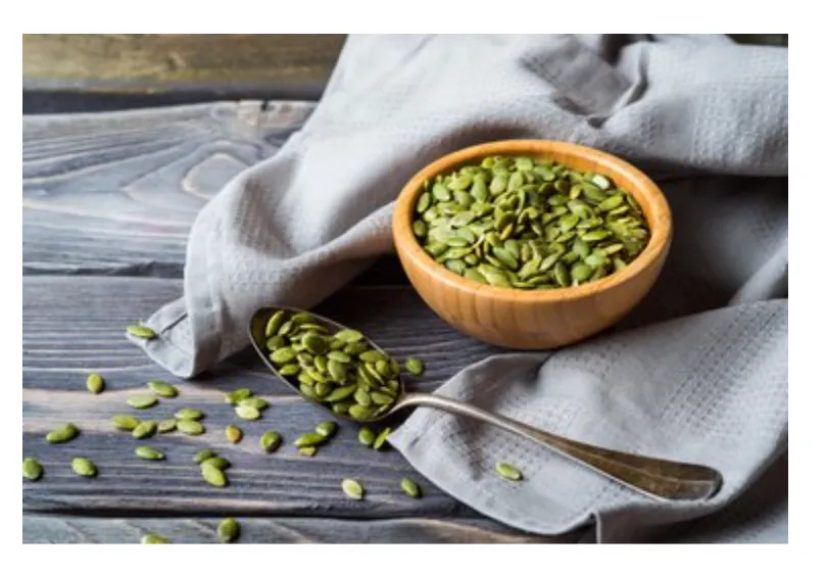
Pumpkin seeds (a.k.a. pepitas) are the snack equivalent of a “small but mighty” superhero: crunchy, tasty, and packed with
nutrients like magnesium, zinc, healthy fats, and fiber. They’re also dangerously easy to eat by the handfulespecially when
they’re salted, roasted, and sitting within arm’s reach during a movie.
But here’s the plot twist: “healthy” doesn’t automatically mean “limitless.” Eating too many pumpkin seeds can come with some
surprisingly unglamorous side effectsmostly involving your digestive system, your daily sodium tally, and the sneaky math of calories.
Let’s break down what can happen when pepitas go from “smart snack” to “oops, I ate half the bag.”
Why pumpkin seeds are so easy to overdo
A standard serving is usually around 1 ounce (about a small handful). Depending on whether you’re eating shell-on roasted seeds
or hulled pepitas, that ounce can land roughly in the 125–165 calorie range. That’s not “bad”it’s just… concentrated.
Two or three casual handfuls later, you may have eaten the calorie equivalent of a full snack plate without feeling like you did.
On top of that, pumpkin seeds combine three “easy-to-overeat” traits: they’re crunchy (your brain loves that), salty versions trigger
more snacking, and they’re small enough that portion size becomes a guessing game. If you’ve ever thought, “I barely ate anything,”
while staring at an empty seed bag… congratulations, you’ve met the snack illusion.
1) Your stomach might file a complaint
Pumpkin seeds are fiber-rich, and fiber is fantasticuntil your digestive system gets ambushed by a sudden fiber surge.
If you go from “not much fiber” to “pepita festival,” your gut bacteria may throw a little party… and invite gas, bloating,
and cramping as plus-ones.
Fiber overload: gas, bloating, cramping
Fiber helps keep you regular, but adding too much too quickly can cause uncomfortable bloating and cramps.
The effect is even stronger if you don’t drink enough water, because fiber works best when it absorbs fluid and helps move things along.
Diarrhea or constipation (yes, eitheryour gut chooses the adventure)
Too many seeds at once can lead to loose stools in some people, especially if your stomach is sensitive to higher fat intake.
In others, it can go the opposite wayconstipationparticularly if you’re not hydrating or you’re eating a lot of shell-on seeds.
Your digestive system is basically saying, “I asked for a snack, not a construction project.”
Shell-on pumpkin seeds: extra “roughage” can be rough
Some people munch shell-on roasted pumpkin seeds (common with homemade roasted seeds from carving pumpkins). The shells add extra
insoluble fiber and texture, which can be harder on sensitive guts. If you notice more cramping or “why is my stomach doing that”
after shell-on seeds, try hulled pepitas or reduce the amount.
2) Heartburn can flare if you’re prone to reflux
Pumpkin seeds contain a meaningful amount of fat per serving (mostly unsaturated, which is great for nutrition), but higher-fat foods
can worsen reflux symptoms in some peopleespecially if you eat a large portion or eat them close to bedtime.
If you’re reflux-prone, the issue usually isn’t “pumpkin seeds are bad,” it’s “pumpkin seeds in large portions behave like a heavy snack.”
A small serving earlier in the day may sit fine. A big bowl at night may come with bonus heartburn you didn’t order.
3) The “healthy snack” that quietly becomes a calorie pile-up
Pumpkin seeds are nutrient-dense, which is a polite way of saying: a little contains a lot. That’s why they’re great in salads, oatmeal,
yogurt, or trail mix… and also why mindless snacking can add up quickly.
A practical example:
- 1 ounce (a small handful) = roughly 125–165 calories depending on type and preparation.
- 3 ounces (very easy to do while “just snacking”) = roughly 375–495 calories.
- Add dried fruit, chocolate chips, or a sweet glaze? Now you’re in “accidental mini-meal” territory.
None of this means you should fear pumpkin seeds. It just means they’re not an unlimited foodmore like a powerful ingredient best used
with a little portion awareness.
4) Sodium surprise (especially with salted, flavored, or roasted versions)
Plain, unsalted pumpkin seeds are naturally low in sodium. But many packaged pepitas are salted or seasoned, and sodium can climb fast.
When sodium intake stays high, it may contribute to water retention andover timecan make blood pressure harder to manage.
For context, the American Heart Association recommends aiming for no more than 2,300 mg of sodium per day, with an ideal target of
1,500 mg per day for most adults. If your pumpkin seeds are salted and you’re also eating other packaged foods, it’s easy for the day’s
sodium total to sneak upward.
What “too salty” can look like in real life
- You feel extra thirsty after snacking.
- You notice temporary water retention (the “why do my rings feel tight?” moment).
- You’re craving more salty foods afterward (salt tends to encourage more salt).
If you love the crunch but want less sodium drama, choose unsalted pepitas and add your own flavor at home (think cinnamon, smoked paprika,
garlic powder, or a squeeze of lime).
5) Mineral math: magnesium is awesome… until your gut votes “no”
Pumpkin seeds are famous for magnesium, and for good reason. Magnesium supports muscle and nerve function and plays roles in energy production
and many other body processes. The catch: high magnesium intake from supplements can cause diarrhea and stomach cramping.
Food-based magnesium is generally handled well by the body. However, if you’re eating large amounts of pepitas and taking magnesium supplements
(or magnesium-containing products like certain antacids/laxatives), you may tip into “why is my stomach doing cartwheels” territory.
A common scenario
Someone starts eating multiple servings of pumpkin seeds daily for the magnesium… while also taking a magnesium supplement “just in case.”
The combined effect increases the odds of loose stools or cramping. If that’s you, it may be worth choosing food first and discussing supplements
with a clinicianespecially if you have kidney issues, since magnesium balance depends heavily on kidney function.
6) Phytic acid: the “nutrient bouncer” that matters more than people think
Pumpkin seeds contain phytic acid (phytate), a natural compound found in many seeds, nuts, legumes, and grains. Phytate can bind to minerals
like iron and zinc and reduce how much your body absorbs in that meal.
For most people eating a varied diet, this is not a big dealyour overall nutrition balances out. But if pumpkin seeds become a daily “main character”
food (multiple servings every day), phytate can matter moreespecially for people who rely heavily on plant-based iron and zinc sources.
Simple ways people reduce phytate impact
- Roasting can help reduce phytic acid.
- Soaking/sprouting (when done safely) is another method often used to improve mineral availability.
- Diet variety is the underrated superpower: rotate seeds/nuts and include vitamin C-rich foods with iron sources.
7) Kidney stone considerations: oxalates aren’t huge, but portions still matter
If you’ve had calcium-oxalate kidney stones, you may have heard about limiting high-oxalate foods. Pumpkin seeds are not typically the highest
oxalate offender compared with foods like almonds or spinach, but oxalate content can vary by source and portion size.
Some kidney stone diet lists show pumpkin seeds at modest oxalate levels in smaller portions (for example, about a quarter cup), while other lists
mark very large portions as higher. The practical takeaway: portion size matters, and people with a history of stones should follow the plan
given by their clinician or dietitian.
Interesting research note
Older clinical research has explored pumpkin seeds in relation to urinary factors involved in stone formation. This doesn’t mean pumpkin seeds
“prevent stones,” but it does highlight that the relationship between a single food and kidney stones is rarely simple. Hydration, sodium intake,
overall diet pattern, and personal risk factors usually matter more than any one snack.
8) Allergies: uncommon, but very real
Pumpkin seed allergy is considered relatively uncommon, but it’s documented in medical literature, including reports of significant reactions.
If you notice itching, hives, swelling, vomiting, wheezing, or other allergic symptoms after eating pumpkin seeds, take it seriously.
If you’ve never had pumpkin seeds before, start with a small amountespecially if you have a history of other seed or nut allergies. And if you
suspect an allergy, an allergist can help clarify what’s going on and whether cross-reactivity with other seeds is a concern for you.
9) Quality issues: the “from the ground” reality (and why brand choice matters)
Seeds come from plants, and plants reflect their environment. Depending on growing conditions and processing, foods can sometimes contain trace
contaminants (including heavy metals). That doesn’t mean pumpkin seeds are “toxic,” but it’s one more reason moderation and brand quality matterespecially
if you’re eating large amounts daily.
Smart ways to lower risk without becoming a snack detective
- Buy from reputable brands with good quality control and transparent sourcing when possible.
- Rotate your seeds (pumpkin one week, chia the next, sunflower occasionally) instead of eating the same seed in large amounts every day.
- Use pumpkin seeds as an ingredient (sprinkled on meals) more often than a “bottomless bowl snack.”
So… how many pumpkin seeds is “too many”?
There isn’t one perfect number for everyone, because “too many” depends on your digestion, your overall diet, and whether you’re eating salted or unsalted
seeds. But for many people, about 1 ounce per day (a small handful) is a reasonable, realistic serving.
You may want to stay on the lower end (or increase gradually) if you:
- Have IBS, frequent bloating, or a sensitive digestive system
- Deal with reflux/GERD symptoms
- Are limiting sodium for blood pressure or fluid retention
- Have a history of kidney stones and have been told to monitor oxalate intake
- Take magnesium supplements (especially higher-dose forms)
How to enjoy pumpkin seeds without the surprise plot twist
- Portion them out: pour a serving into a bowl instead of snacking straight from the bag.
- Go unsalted most of the time, then flavor them yourself.
- Increase slowly if you’re boosting fibergive your gut time to adapt.
- Add water: fiber + hydration is a team sport.
- Use them as a topping: salads, soups, oatmeal, yogurt, roasted veggies, grain bowls.
- Balance the day: if you snack on seeds, keep other salty packaged foods lighter that day.
Conclusion
Pumpkin seeds deserve their health halothey’re nutrient-rich, versatile, and genuinely helpful in a balanced diet. The “surprising” side effects mostly
show up when portions get big: digestive upset from a fiber/fat overload, sodium creep from salted versions, reflux flares in sensitive people, and the
quiet calorie math that sneaks up on you.
The sweet spot is simple: enjoy pumpkin seeds like a powerful supporting character, not the entire cast. A small handful can deliver the benefits without
turning your stomach into a complaint department. And if you notice repeat issues (especially allergy symptoms, severe GI distress, or persistent reflux),
it’s worth talking with a healthcare professional to figure out your personal tolerance.
Experiences: what “too many pumpkin seeds” looks like in real life (about )
People don’t usually set out to overeat pumpkin seeds. It happens the same way most snack “accidents” happen: one handful becomes another because it’s crunchy,
satisfying, and feels like a wholesome choice. One common experience starts with a bag of salted pepitas on a desk. You grab a few between tasks, then a few more
during a meeting, then a few more while answering emails. By the end of the day you realize you’ve basically been “pepita grazing,” and the bag is suddenly light
enough to qualify as a motivational poster: “Believe in yourself the way you believed this bag would last all week.”
The next morning, the first sign is often digestive. Some people describe a “balloon belly” feelingbloating that seems out of proportion to how much they think
they ate. Others notice gassiness or cramping that arrives right on schedule, like their gut set a calendar reminder: “Discuss consequences.” When the seeds
were shell-on, the discomfort can feel sharper or more “scratchy,” which makes sense because the texture is rougher and harder to break down. The fix, for many, is
surprisingly unexciting: smaller portions, more water, and a couple days of letting the digestive system calm down.
Another classic experience involves reflux. Someone switches from chips to pumpkin seeds at night because it sounds healthier. They eat a big bowl while watching a
show, then head to bed. Later, they notice heartburn or a sour, uncomfortable feeling. The reaction can be confusing“Aren’t seeds supposed to be healthy?”until
you remember that higher-fat foods in larger portions can be a reflux trigger for some people. When they try again with a smaller portion earlier in the day, the
problem often disappears, which is a strong clue that timing and amount were the real issue.
Sodium-related experiences are sneakier. If the seeds are salted or heavily seasoned, people often report feeling unusually thirsty and slightly puffy the next day,
especially if they also ate other packaged foods. It’s not always dramatic, but it’s noticeable: rings feel snug, or the face looks a bit fuller in the mirror.
The solution tends to be easyunsalted seeds, label-checking, and balancing the rest of the day’s meals with fresher, lower-sodium foods.
Then there’s the “health hack stack” scenario: someone eats lots of pumpkin seeds for magnesium while also taking a magnesium supplement. If loose stools show up,
they assume the seeds are the culprit, but the real issue may be the combined intake. When they pause the supplement (with medical guidance when appropriate) or
reduce the seed portion, their digestion often settles. The overall pattern across these experiences is consistent: pumpkin seeds work best as a steady, moderate habit.
When they become an extreme daily routine, your body has creative ways of reminding you that moderation isn’t boringit’s effective.