Table of Contents >> Show >> Hide
- What Exactly Is a Swing Arm Wall Sconce?
- Why Brass, Specifically, Works So Well
- Best Places to Use a Swing Arm Brass Wall Sconce
- How to Choose the Right Swing Arm Brass Wall Sconce
- Measure the reach before you fall in love
- Plug-in vs. hardwired: choose your commitment level
- Look for the right controls: switches, dimming, and sanity
- Pick a shade/head style that matches the job
- Bulb basics: brightness and color temperature
- Lacquered vs. unlacquered (“living”) brass
- Safety ratings: dry, damp, wet (and why it matters)
- Placement Rules That Save You From Glare and Regret
- Installation and Setup: Practical Tips (Without the Panic)
- Styling Ideas: Make Brass Look Intentional
- Care and Maintenance: Keep Brass Beautiful (Your Way)
- Common Mistakes (So You Don’t Become a Lesson)
- Conclusion
- Experiences: Living With a Swing Arm Brass Wall Sconce (The Real-World Stuff)
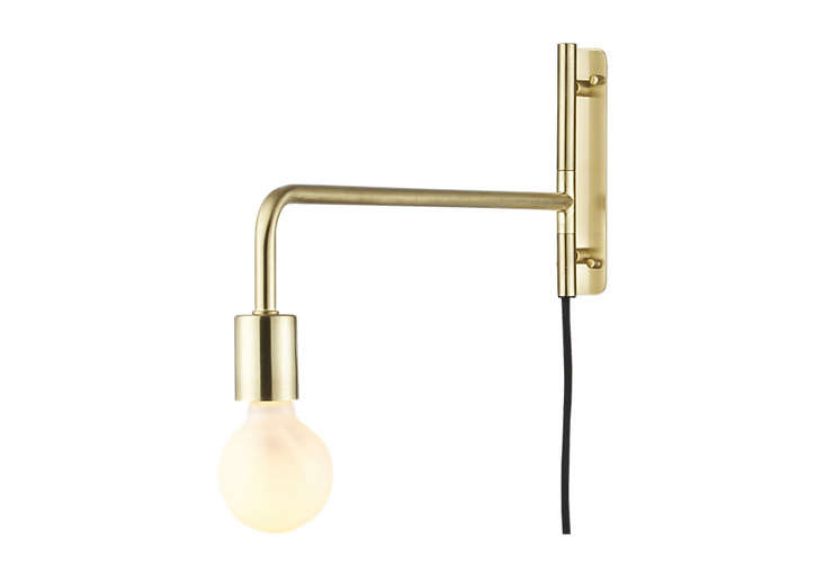
A swing arm brass wall sconce is the lighting equivalent of a multitool: part task light, part space-saver,
part “wow, this room suddenly looks expensive.” It mounts to the wall like a classic sconce, but the arm pivots and extends
so you can pull light closer for reading, push it back for ambiance, or angle it away when you’re trying to pretend you’re
going to sleep (while absolutely not sleeping).
Brass is the secret sauce. Done right, it reads warm, polished, and timelessmore “tailored jewelry for your walls” than
“random shiny thing.” Done wrong, it can look like a trumpet got lost on the way to band practice. This guide helps you land
in the first categoryconfidently.
What Exactly Is a Swing Arm Wall Sconce?
A swing arm wall sconce is a wall-mounted light with an articulating arm (sometimes one joint, sometimes several)
that allows the lamp head or shade to move horizontallyand often swivel up/down too. Unlike a fixed sconce, it’s meant to
be repositioned, which makes it ideal for “task moments”: reading in bed, working at a desk, doing makeup, or lighting a
favorite piece of art without committing to a spotlight situation.
Common swing-arm styles you’ll see
- Pin-up/accordion swing arms: Long reach, classic bedside-library vibe.
- Clean, modern articulating arms: Sleeker joints, minimal silhouette, great for contemporary rooms.
- Adjustable shade or directional head: More targeted light control (especially useful for reading).
- Hardwired vs. plug-in: The same look, very different commitment level.
Why Brass, Specifically, Works So Well
Brass is a warm metal finish that plays nicely with wood tones, white paint, deep colors, and most hardware finishes. It can
lean modern (brushed or satin brass), vintage (antique brass), or quietly luxe (polished brass). In practical terms, brass
also hides a lot of real-life livingfingerprints, tiny scuffs, and the fact that you adjusted the arm 47 times while
“finding the perfect angle.”
One important nuance: brass finishes aren’t all the same. Some are lacquered to stay consistent, and others are “living”
finishes that develop patina over time. That’s not a flawit’s a featureassuming you actually want character instead of a
forever-fresh showroom shine.
Best Places to Use a Swing Arm Brass Wall Sconce
1) Bedside reading (the classic)
Swing arm sconces are a go-to alternative to table lamps because they free up nightstand space. Translation: more room for a
water glass, your phone charger, and the book you’re definitely going to finish this week. If you share a bed, installing
one on each side also lets you customize light without turning the entire bedroom into a 10 p.m. interrogation room.
2) Home office and study zones
If your desk is tight on space (or you’re sick of knocking over a task lamp), a swing arm sconce can provide focused light
without eating up surface area. It’s especially handy for craft corners, homework stations, or a “temporary office” that
lives in a guest room the other 90% of the time.
3) Reading nooks and living rooms
Place a swing arm sconce near a favorite chair or built-in. Pull it forward when you want a pool of light for reading, then
swing it back so it becomes soft accent lighting. It’s one of the easiest ways to make a corner feel intentionallike the
chair was always meant to be there, not just parked temporarily.
4) Rentals and “I don’t want drywall drama” homes
Plug-in swing arm sconces can deliver the look and function without rewiring. If you can hang a heavy picture and use a
screwdriver, you can usually handle the basics. (Your wall may still judge you, but that’s normal.)
How to Choose the Right Swing Arm Brass Wall Sconce
Measure the reach before you fall in love
The arm length determines whether the light lands where you need it. For bedside use, you typically want the light to reach
over your shoulder area when you’re sitting up. For desks, you want the light to reach the primary work zone without casting
your head’s shadow directly onto what you’re doing (because that’s a rude design choice).
Quick reality check: a sconce can be gorgeous and still be functionally useless if the arm doesn’t reach far enough. If
you’re choosing between two options and one has a longer reach, your future self at 11:43 p.m. will thank you.
Plug-in vs. hardwired: choose your commitment level
-
Plug-in: Easier installation, more flexible placement, great for rentals or first-time layouts. You’ll
need a plan for cord management (paintable cord covers help). -
Hardwired: Cleaner look (no cord), often controlled by a wall switch, and feels more “built-in.”
Installation may require an electrician, especially if you’re adding a new junction box or switch. -
Convertible: Some fixtures are designed to plug in now and hardwire laterperfect for “I’m not ready, but
I like options” people.
Look for the right controls: switches, dimming, and sanity
A sconce can have a switch on the fixture (convenient at the bedside), be controlled by a wall switch, or both. Dimmability
is a big quality-of-life upgrade: bright enough to read, low enough to wind down. If you’re sensitive to glare, a dimmer is
basically the difference between “cozy boutique hotel” and “airport terminal gate lighting.”
Pick a shade/head style that matches the job
- Directional metal head: Best for targeted reading light (less spill, more aim).
- Linen/fabric shade: Softer glow, more ambient, great for bedrooms and living areas.
- Opal glass: Smooth, diffused light and a classic look that pairs beautifully with brass.
Bulb basics: brightness and color temperature
For bedside and living areas, many people prefer warm light (often in the warm/soft-white range) to keep the room relaxing.
For task-heavy spots like a desk, slightly brighter or clearer light can help, especially if you’re reading small text or
working late. Pay attention to lumens (brightness) more than “watts,” especially with LED bulbs.
If your sconce is exposed (no shade) or sits close to eye level, consider a bulb designed to reduce glare, and prioritize
dimming compatibility. Your eyes shouldn’t have to do the emotional labor here.
Lacquered vs. unlacquered (“living”) brass
If you want a consistent finish that stays close to its original tone, look for lacquered brass. If you like the idea of
patina developing over timeslightly deeper color, more character, more “collected”unlacquered brass is your friend. Just
know that unlacquered brass will change with touch and humidity. That’s normal. It’s not “going bad.” It’s having a life.
Safety ratings: dry, damp, wet (and why it matters)
Most swing arm sconces are intended for dry locations like bedrooms and living rooms. If you’re installing
near moisture (bathrooms, covered outdoor areas, laundry zones), confirm the fixture’s rating (dry vs. damp vs. wet) and
follow the manufacturer guidance. In short: match the rating to the environment so your lighting stays safe and lasts.
Placement Rules That Save You From Glare and Regret
General wall sconce height guidelines
Many placement guides land in a similar range for general-use sconces: often around 60–72 inches from the finished
floor depending on the room, ceiling height, and purpose. For areas like a headboard wall, lower placements can make
more sense because the light is serving the bed rather than the entire room.
Bedside swing-arm placement (the comfort-first method)
The most reliable approach: sit up in bed the way you normally read, and aim to place the light so it lands slightly above
shoulder height and forward enough to illuminate your pages without shining directly into your eyes. A common target is
positioning the light source or shade bottom roughly around the “reading zone” height above the mattressthen fine-tuning
based on your bed height and headboard style.
Spacing and symmetry
If you’re doing a pair by a bed, match heights and spacing so it looks intentional. In hallways or long walls, sconces are
often spaced evenly for rhythmtoo close looks cluttered, too far looks like someone gave up halfway through.
Installation and Setup: Practical Tips (Without the Panic)
If you’re hardwiring, the safest plan is to have a qualified electrician handle the wiring, especially when adding new
boxes, running cable, or installing new switches. If you’re going plug-in, focus on secure mounting and cord management:
- Anchor it correctly: A swing arm movesso the mount needs to be solid, not “hope-based.”
- Use cord covers: Paintable covers can make a plug-in sconce look tidy and built-in.
- Avoid pinch points: Don’t run cords where doors, furniture, or constant friction can damage them.
- Follow safety instructions: Respect bulb wattage limits, avoid forcing plugs, and skip improvised hacks.
One underrated tip: after mounting, test the swing range with the shade installed. Sometimes a shade that looks perfect
straight-on becomes a wall-tapper when you swing the arm. Better to discover that now than during your midnight reading
session when the lamp “bonks” the wall like it’s trying to Morse-code an apology.
Styling Ideas: Make Brass Look Intentional
Pair brass with the right supporting cast
- White walls + brass: Clean, crisp, and timeless.
- Deep paint (navy, forest, charcoal) + brass: High contrast and very designer-looking.
- Warm woods + brass: Cozy and layeredespecially with linen shades.
- Black accents + brass: A modern mix that keeps brass from feeling too traditional.
Make it match (or intentionally not match)
You don’t have to match every metal in a room. But you do want a plan. If your cabinet hardware is brass, a brass sconce is
an easy win. If your hardware is black, brass can still workespecially if you repeat brass once or twice elsewhere (picture
frames, mirror trim, a small decorative object). The goal is “curated,” not “every finish in the showroom had something to
say.”
Care and Maintenance: Keep Brass Beautiful (Your Way)
For routine cleaning, gentle is the move: dust with a soft cloth and use mild soap and water when neededthen dry
thoroughly. If your brass is unlacquered and you like patina, avoid aggressive polishing that strips character. If you want
it brighter, use a brass-appropriate polish with a light hand and follow product directions.
Also: swing arms are mechanical. If a joint loosens over time, check whether the fixture allows tightening. If it starts to
squeak, avoid DIY lubricants unless the manufacturer approves themsome products can damage finishes or attract dust.
Common Mistakes (So You Don’t Become a Lesson)
- Mounting too high: Great for lighting cobwebs, not great for reading.
- Choosing a short reach: The arm looks nice but can’t actually do the job.
- Skipping dimming: You end up with one mood: “bright.” Not always the vibe.
- Ignoring location ratings: Moisture + wrong fixture = unnecessary risk.
- Forgetting glare control: Exposed bulbs at eye level are a fast track to squint city.
Conclusion
A swing arm brass wall sconce is one of the most functional upgrades you can make to a bedroom, reading nook, or desk area.
It saves space, adds flexibility, andthanks to brassbrings instant warmth and polish. Choose the right reach, decide
plug-in vs. hardwired based on your home and timeline, prioritize dimming, and place it at a height that supports comfort
(not glare). Done thoughtfully, it’s the kind of fixture you’ll use every day and still admire years later.
meta_title: Swing Arm Brass Wall Sconce: Placement & Buying Tips
meta_description: Learn how to choose, place, and style a swing arm brass wall sconcereach, height, bulbs, plug-in vs hardwired, and brass care.
sapo:
A swing arm brass wall sconce blends style and practicalityperfect for bedside reading, compact desks, and cozy corners.
This guide breaks down what to look for (arm reach, shade style, dimming, plug-in vs hardwired), how to place it at a
comfortable height without glare, and how to make brass feel intentional in your space. You’ll also learn the difference
between lacquered and “living” brass, plus simple care tips to keep the finish looking greatwhether you love a bright
shine or a mellow patina. If you want lighting that works hard and looks polished, this is the fixture to know.
Experiences: Living With a Swing Arm Brass Wall Sconce (The Real-World Stuff)
Once a swing arm brass wall sconce is installed, the first “experience” most people notice is the sudden freedom on the
nightstand. The lamp base is gone, the cord spaghetti is reduced, and somehow the whole setup looks calmereven if you still
have three books, a water glass, and a charger doing acrobatics. In smaller bedrooms, this can be a surprisingly big deal:
removing a table lamp visually opens the surface and makes the room feel less crowded, especially when paired sconces create
symmetry on the bed wall.
The second experience is the joy of control. With a swing arm, you stop “living with whatever light happens” and
start aiming it where you want. Reading in bed becomes easier because you can pull the light forward, angle it down, and
keep it off your partner’s side. People who share a room often describe this as the quiet luxury of not negotiating over a
single overhead light. Even better: with dimming, the sconce becomes two lights in onebrighter for pages, softer for
winding down. That’s when you realize the fixture isn’t just decor; it’s part of your routine.
Brass itself has a personality. In the first few weeks, many homeowners love how it “warms up” a wallespecially against
white, cream, or deep paint. But living with brass also teaches you what finish you actually bought. If it’s a living
finish, you may notice subtle darkening where you touch the arm most, or gentle tonal shifts over time. Some people adore
this because it looks collected and authentic. Others decide they prefer a consistent shine and keep a soft cloth nearby.
Either way, the finish starts to feel less like a product and more like a materialone that responds to the home.
Real-life quirks show up too. If the arm has multiple joints, you might spend the first few nights doing micro-adjustments
like a lighting director on a movie set: “Two inches left. Noup. Nowhy is it glaring again?” This settles down once you
find your go-to angles. In some cases, people notice that a shade style matters more than they expected. A fabric shade
looks cozy but can diffuse light so much that you want a brighter bulb for reading. A directional head is fantastic for
focus but can feel too intense without a dimmer. These aren’t deal-breakersjust the normal “dialing in” phase.
Plug-in versions come with one extra experience: cord management. The best setups use a paintable cord cover that runs
straight down to the outlet, so the cord looks intentional instead of like it’s trying to escape. If the cord drapes or
zigzags, it can visually undo the polished look you wanted in the first place. The good news is that once you tidy the cord,
a plug-in swing arm sconce can feel remarkably close to a built-in fixturewithout the permanent wiring commitment.
Finally, there’s the “I didn’t know I’d use it this much” factor. A swing arm brass wall sconce becomes part of everyday
life: late-night reading, early-morning quiet, a soft glow while you’re folding laundry in the bedroom, a focused beam on a
desk during homework. It’s one of those upgrades that doesn’t just photograph wellit quietly improves how the room works.
And that’s the best kind of design: it looks good, and it earns its keep.