Table of Contents >> Show >> Hide
- Why Bedroom Rugs and Accessories Matter More Than You Think
- Start With the Rug: The Bedroom’s Visual Anchor
- Pick a Rug Material That Matches Real Life
- Do Not Skip the Rug Pad
- Use Color to Change the Mood Without Painting
- Pattern Mixing Without Making the Room Dizzy
- Switch Out Bedding for an Instant Refresh
- Update Lighting Like a Designer
- Refresh the Walls With Art, Mirrors, and Texture
- Use Accessories That Actually Do Something
- Window Treatments Can Change Everything
- Seasonal Bedroom Rug and Accessory Swaps
- Small Bedroom? Be Strategic, Not Boring
- Budget-Friendly Ways to Switch Out Bedroom Accessories
- Common Bedroom Rug and Accessory Mistakes
- Cleaning and Maintenance Tips for Bedroom Rugs
- My Experience Switching Out Bedroom Rugs & Accessories
- Conclusion
There comes a moment in every bedroom’s life when it looks around and whispers, “Is this it?” The rug has gone flat, the throw pillows have formed a tiny decorative government, and the bedside lamp is giving “college dorm, but make it tired.” The good news? You do not need a full renovation, a contractor, or a dramatic HGTV-style wall demolition to make your bedroom feel new again. Sometimes, switching out bedroom rugs and accessories is enough to give the whole space a fresh personality.
Bedroom rugs and accessories are the soft power players of interior design. They do not shout like paint colors or command attention like a new bed frame, but they quietly shape how the room feels, functions, and welcomes you at the end of the day. A rug can anchor your bed, warm up cold floors, soften sound, and create a visual foundation. Accessories such as lamps, mirrors, bedding, curtains, artwork, trays, baskets, and accent pillows can shift the mood from “I sleep here” to “I may actually have my life together.”
The best part is that these changes are flexible. You can refresh a bedroom seasonally, update a rental without angering your landlord, or fix a room that feels unfinished without buying all-new furniture. This guide breaks down how to switch out bedroom rugs and accessories with style, comfort, practicality, and just enough humor to keep you from arguing with a throw pillow in aisle seven.
Why Bedroom Rugs and Accessories Matter More Than You Think
A bedroom is not just a place to store laundry on “the chair.” It is where your day begins and ends, so every texture, color, light source, and surface matters. A rug underfoot can make the room feel more grounded. A better lamp can create a calmer bedtime routine. A mirror can bounce light around a small space. A woven basket can hide the mysterious pile of cords you promised to organize in 2021.
Designers often use rugs and accessories to create layers. That means combining texture, color, pattern, lighting, and practical pieces so a room feels finished rather than flat. In the bedroom, layering is especially important because the room should feel soft, personal, and peaceful. A bare floor, blank wall, and lonely bed may technically count as a bedroom, but emotionally, it feels like a waiting room with pajamas.
Switching out these elements can also help you solve specific problems. If the room feels cold, add a plush rug, heavier curtains, and warmer-toned lamps. If it feels cramped, choose lighter colors, fewer accessories, and a rug that visually stretches the space. If it feels boring, introduce a patterned rug, sculptural lamp, or bold artwork. The secret is not buying more things. The secret is choosing better things for the mood you want.
Start With the Rug: The Bedroom’s Visual Anchor
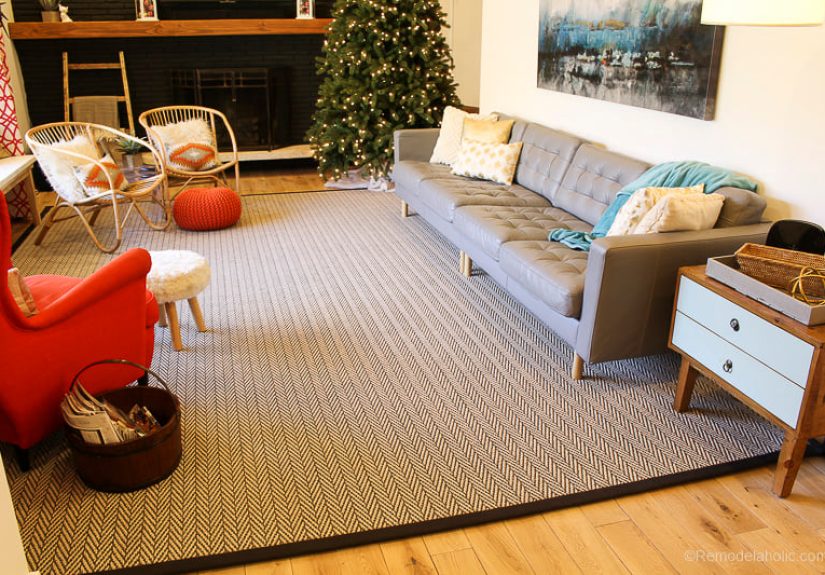
The rug is usually the largest accessory in a bedroom, which means it has a big design job. It connects the bed to the rest of the room, adds softness, reduces echo, and gives your feet a civilized landing spot in the morning. Without a rug, a bedroom with hard flooring can feel unfinished, especially if the bed looks like it is floating in the middle of the room like a confused island.
Choose the Right Rug Size for Your Bed
Rug size is where many bedroom makeovers go sideways. A rug that is too small can make the bed look larger and the room feel less balanced. For a queen bed, an 8-by-10-foot rug is often a smart starting point. For a king bed, a 9-by-12-foot rug usually gives better coverage. In a smaller room, a 6-by-9-foot rug or two runners can work if the layout is tight.
The goal is to have enough rug visible on both sides of the bed so your feet land on something soft when you get up. Ideally, the rug should extend beyond the sides and foot of the bed. If you have a bench at the foot of the bed, make sure the rug extends past it instead of stopping awkwardly underneath it. That is the design equivalent of wearing pants that quit at the knee without warning.
Try These Bedroom Rug Placement Options
There are several ways to place a rug in a bedroom, and the right choice depends on room size, bed size, and furniture layout.
Option one: all major furniture on the rug. This works best in large bedrooms. The bed, nightstands, and foot bench sit fully on the rug, creating a polished and luxurious look.
Option two: two-thirds of the bed on the rug. This is the most common and practical layout. The rug begins a little in front of the nightstands and extends beyond the foot of the bed. It saves money compared with a larger rug while still looking intentional.
Option three: runners on both sides. This is great for small rooms, renters, or anyone who wants softness without committing to a large area rug. Matching runners give symmetry, while mismatched vintage-style runners can add charm.
Option four: a rug at the foot of the bed. This works well if most of your floor is covered by the bed or if you want a decorative accent rather than a full-room anchor.
Pick a Rug Material That Matches Real Life
A bedroom rug should be beautiful, yes, but it should also survive your actual lifestyle. Do you have pets? Kids? Allergies? A habit of drinking coffee dangerously close to white textiles? These details matter.
Wool Rugs
Wool is a classic bedroom rug material because it is soft, durable, warm, and naturally resilient. It tends to feel substantial underfoot and can last for years with proper care. Wool rugs often cost more, but they are a strong choice for primary bedrooms where comfort and longevity matter.
Cotton Rugs
Cotton rugs are lightweight, casual, and often easier to clean than heavier materials. They are great for relaxed spaces, guest rooms, kids’ rooms, and layered looks. The downside is that thinner cotton rugs usually need a good rug pad to stay in place and feel cushioned.
Synthetic Rugs
Synthetic rugs made from polyester, polypropylene, or similar fibers can be budget-friendly and stain-resistant. Many modern options are surprisingly stylish, including vintage-look washable rugs that are perfect for busy homes. They may not have the same heirloom feel as wool, but they win points for practicality.
Natural Fiber Rugs
Jute, sisal, and seagrass rugs bring earthy texture to a bedroom. They look beautiful in coastal, organic modern, farmhouse, and neutral spaces. However, some natural fiber rugs can feel rough under bare feet, so use them carefully in bedrooms. If you love the look but want softness, layer a smaller plush rug over a larger natural fiber base.
Do Not Skip the Rug Pad
A rug pad is not glamorous. Nobody walks into a room and says, “Wow, that hidden rug pad changed my life.” But it quietly does important work. It helps keep the rug from slipping, adds cushioning, protects flooring, and can extend the life of the rug by reducing friction. Think of it as the mattress protector of the floor: not exciting, but deeply responsible.
Choose a rug pad that is slightly smaller than the rug so the edges taper naturally and do not create a tripping hazard. For hardwood floors, look for a floor-safe pad that will not discolor or stick to the finish. For thin washable rugs, a grippy pad can make the whole setup feel more expensive than it is.
Use Color to Change the Mood Without Painting
Switching rugs and accessories is one of the easiest ways to change a bedroom color scheme without touching a paintbrush. If your walls and furniture are neutral, your rug, bedding, lampshades, art, and pillows can create the entire mood.
For a Calm Bedroom
Choose soft neutrals, warm whites, beige, muted blue, sage green, dusty rose, oatmeal, taupe, or charcoal. These colors are restful without feeling empty. Add texture through linen bedding, a wool rug, woven shades, and ceramic lamps.
For a Cozy Bedroom
Use deeper colors like rust, olive, chocolate brown, navy, terracotta, burgundy, or warm gray. A patterned rug with these shades can make the room feel layered and collected. Add a chunky throw, soft lighting, and wood accents for a cozy retreat.
For a Fresh, Airy Bedroom
Try a light rug, simple bedding, glass or light wood accessories, and minimal wall decor. This works especially well in small bedrooms where visual clutter can make the space feel smaller. A pale rug with subtle texture can brighten the floor without screaming for attention.
Pattern Mixing Without Making the Room Dizzy
Pattern brings personality, but too much of it can make a bedroom feel like it drank three espressos. The easiest pattern-mixing formula is to vary scale. Pair one large-scale pattern with one small-scale pattern and one solid texture. For example, use a vintage-style floral rug, striped pillow covers, and solid linen bedding. The patterns talk to each other without forming a debate club.
Another safe strategy is to repeat colors. If your rug includes blue, cream, and rust, echo one or two of those colors in pillows, artwork, or a throw blanket. This creates connection across the room and keeps the design from feeling random.
If your rug is bold, keep accessories quieter. If your bedding is patterned, choose a calmer rug. If everything is bold, congratulations, you now live inside a fabric sample book.
Switch Out Bedding for an Instant Refresh
Bedding is the rug’s closest teammate. Together, they control much of the bedroom’s color and texture. You do not need ten decorative pillows or a duvet that requires an engineering degree to insert. A simple bedding formula works beautifully: fitted sheet, flat sheet if you use one, duvet or quilt, two sleeping pillows, two decorative pillows, and one throw blanket.
For warm months, try cotton percale, linen, or lightweight quilts. For cooler months, layer flannel sheets, a thicker duvet, velvet pillows, or a wool throw. Seasonal bedding swaps are practical and decorative, which is the rare adulting combo we can all appreciate.
Update Lighting Like a Designer
Bedroom lighting should be layered. Overhead lighting alone can be harsh, especially at night. Add bedside lamps, wall sconces, plug-in pendants, or a small accent lamp on a dresser. Warm light bulbs help create a softer mood, while dimmers give you control over brightness.
When switching accessories, lamps are one of the highest-impact upgrades. A new shade can change the tone of the room. A ceramic lamp adds texture. A brass lamp adds warmth. A black metal lamp adds contrast. If your bedroom feels flat, lighting may be the missing ingredient.
Refresh the Walls With Art, Mirrors, and Texture
Wall accessories help a bedroom feel personal. Artwork above the bed, framed prints over nightstands, a mirror opposite a window, or a woven wall hanging can bring life to blank walls. The key is scale. Tiny art above a large bed can look lost, while oversized art can create a strong focal point.
Mirrors are especially useful in small bedrooms because they reflect light and create a sense of depth. A round mirror can soften a room full of straight lines, while a tall mirror adds function and makes the space feel more open.
Use Accessories That Actually Do Something
The best bedroom accessories are both attractive and useful. A tray on the nightstand keeps small items corralled. A lidded basket hides extra blankets. A decorative box stores chargers. A small dish holds jewelry. Hooks can manage robes, bags, or tomorrow’s outfit.
This matters because clutter is the fastest way to ruin a bedroom refresh. You can buy the prettiest rug in the world, but if it is surrounded by receipts, tangled cords, and mystery socks, the room will not feel peaceful. Stylish storage accessories let your bedroom look calm even when life is doing jazz hands in the background.
Window Treatments Can Change Everything
Curtains and shades are often forgotten during bedroom makeovers, but they have enormous impact. They affect light control, privacy, warmth, sound, and style. For a restful bedroom, consider curtains with enough weight to soften the room visually. If outside light interrupts sleep, blackout curtains or lined panels can help create a darker environment.
Hang curtains higher and wider than the window frame to make the room feel taller and the window feel larger. This trick is simple, affordable, and wonderfully sneaky. The window stays the same size, but everyone thinks it got a promotion.
Seasonal Bedroom Rug and Accessory Swaps
One of the smartest ways to keep a bedroom feeling fresh is to rotate accessories by season. You do not need to redecorate from scratch. Just change the texture, weight, and color of a few pieces.
Spring and Summer
Use lighter rugs, breathable bedding, fresh pillow covers, sheer curtains, and small natural accents like woven trays or glass vases. Colors such as ivory, pale blue, soft green, and sandy beige feel clean and airy.
Fall and Winter
Bring in warmer textures and deeper tones. Try a plush rug, velvet pillow covers, a heavier throw, warmer lampshades, and darker artwork. Rust, camel, forest green, navy, and chocolate brown can make the room feel cozy without turning it into a cabin unless, of course, cabin is the goal.
Small Bedroom? Be Strategic, Not Boring
Small bedrooms benefit from careful editing. Choose fewer accessories, but make each one count. A properly scaled rug can make the room feel more intentional. Light-colored bedding can open the space. Wall-mounted sconces can free up nightstand space. A mirror can bounce light. Under-bed baskets can hide seasonal accessories.
Avoid filling every surface. Negative space is not wasted space; it is breathing room. In small bedrooms, the most stylish accessory may be restraint. Unfortunately, restraint is rarely on sale, but it is free.
Budget-Friendly Ways to Switch Out Bedroom Accessories
A bedroom refresh does not have to be expensive. Start by shopping your own home. Move a lamp from the living room, borrow art from a hallway, swap pillow covers, or rotate a throw blanket from another space. Sometimes an accessory looks brand-new simply because it is finally in the right room.
Next, focus on high-impact changes. A new rug, updated lamp shades, fresh pillow covers, and better curtains can transform the room faster than a collection of tiny decorative objects. If the budget is tight, buy slowly. Choose one strong piece at a time instead of filling the room with “almost right” items that will end up in a donation bag by next spring.
Common Bedroom Rug and Accessory Mistakes
Choosing a Rug That Is Too Small
This is the classic mistake. A tiny rug under a large bed can look like a postage stamp under a sofa-sized envelope. When possible, size up or use runners instead.
Using Too Many Decorative Pillows
Pillows should make the bed look inviting, not require nightly excavation. Two or three decorative pillows are usually enough for a clean, styled look.
Ignoring Lighting Temperature
Cool, harsh bulbs can make a cozy bedroom feel like a dentist’s office. Warm bulbs create a softer evening atmosphere.
Buying Accessories With No Plan
Random accessories can make a bedroom feel cluttered. Choose a color palette, repeat materials, and keep scale in mind.
Forgetting Maintenance
A white shag rug may look dreamy until pets, snacks, and reality arrive. Choose materials that match your lifestyle.
Cleaning and Maintenance Tips for Bedroom Rugs
Bedroom rugs usually get less dirt than entryway or living room rugs, but they still collect dust, hair, lint, and allergens. Vacuum regularly, especially around the sides of the bed and under furniture edges. Rotate the rug every few months to prevent uneven wear. Spot-clean spills quickly according to the rug material. For washable rugs, follow the manufacturer’s care instructions and avoid overloading your machine.
If you use a high-pile rug, vacuum carefully so you do not damage the fibers. For vintage, antique, wool, or delicate rugs, professional cleaning may be the safest option. A well-maintained rug keeps the bedroom feeling fresh and protects your investment.
My Experience Switching Out Bedroom Rugs & Accessories
The first time I switched out my bedroom rug and accessories, I fully believed I was making “a few small updates.” That was adorable. What actually happened was a domino effect of design decisions, mild furniture shuffling, and one dramatic moment where I stood in the middle of the room holding three pillow covers like they were evidence in a crime scene.
The original bedroom had a small rug that looked cute online but oddly shy in real life. It sat at the foot of the bed like it had wandered in by mistake. The room also had mismatched lamps, plain bedding, and a collection of random accessories that had no conversation with one another. Nothing was terrible, but nothing felt intentional. It was the decorating equivalent of answering “fine” when someone asks how you are.
The biggest change came from choosing a larger rug. I went with a rug that extended beyond both sides of the bed, and the difference was immediate. The bed finally looked anchored. The room felt wider. Getting out of bed in the morning no longer involved stepping onto a cold floor and questioning my life choices. The rug brought pattern into the space, but because the colors were muted, it did not overwhelm the room.
After that, I changed the bedding. Instead of buying a full matching set, I chose simple neutral sheets, a textured quilt, and two pillow covers that picked up colors from the rug. That one move made everything look connected. It also taught me that matching is not the same as coordinating. Matching can look stiff. Coordinating looks like you know what you are doing, even if you spent twenty minutes asking a lamp for emotional support.
Lighting was the next upgrade. I replaced one harsh bedside lamp with a warmer ceramic lamp and changed the other lamp shade so both sides of the bed felt related without being identical. At night, the room became softer and calmer. It was not just prettier; it changed how the room functioned. Reading felt nicer. Winding down felt easier. The overhead light became a last resort instead of the main event.
I also learned the value of editing. At first, I added too many accessories because I thought more texture meant better design. A tray, a candle, books, a vase, a decorative box, another vase, a tiny bowl, and suddenly the nightstand looked like a boutique checkout counter. Removing half of it made the room feel more peaceful. The pieces that stayed looked more important because they had room to breathe.
The final touch was window treatment. I swapped thin curtains for fuller panels hung higher above the window. That changed the proportions of the room more than I expected. The ceiling looked taller, the window looked larger, and the bedroom felt more finished. It was one of those upgrades that makes you slightly annoyed you did not do it sooner.
The main lesson from the experience is simple: do not underestimate soft changes. Rugs, pillows, lighting, curtains, throws, baskets, and artwork may seem secondary, but they shape the atmosphere of the bedroom. They make the room feel warmer, quieter, more personal, and more complete. You do not need to replace everything. You need to choose the right few things and let them work together.
Switching out bedroom rugs and accessories is also forgiving. If a pillow cover does not work, you can move it. If a basket feels wrong, try it under the nightstand. If the rug is almost perfect but slightly small, layer it over a larger natural fiber rug. Decorating a bedroom is not a final exam. It is more like making soup: taste, adjust, add texture, and try not to spill anything expensive.
Conclusion
Switching out bedroom rugs and accessories is one of the most effective ways to refresh a bedroom without starting from zero. A better rug can anchor the bed, add softness, improve proportion, and introduce color or pattern. Thoughtful accessories such as lamps, curtains, pillows, throws, mirrors, baskets, and artwork can make the room feel personal, practical, and polished.
The key is to decorate with intention. Choose the right rug size, match materials to your lifestyle, repeat colors across the room, vary texture, and keep clutter under control. Whether your style is modern, cozy, vintage, minimalist, coastal, or “I bought this because it made me happy,” the right bedroom rug and accessory swaps can make your space feel brand-new without the chaos of a full makeover.
Your bedroom does not need to look like a showroom. It needs to feel like a place where you can exhale. Start with the rug, adjust the lighting, soften the bed, edit the accessories, and let the room become what it was always meant to be: comfortable, beautiful, and far less judgmental than your laundry chair.