Table of Contents >> Show >> Hide
If you’ve ever stood in your kitchen at 6:30 p.m., staring at a fridge full of random vegetables and
three different bags of flour, wondering, “Is cereal for dinner socially acceptable yet?”, then
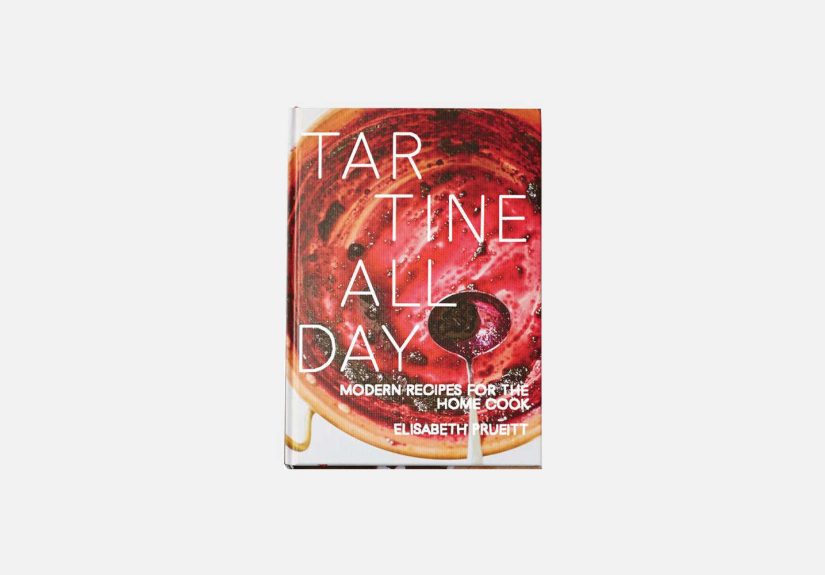
Tartine All Day: Modern Recipes for the Home Cook is very much your kind of cookbook.
Written by Elisabeth Prueitt, cofounder of the iconic Tartine Bakery in San Francisco and a
James Beard Award–winning pastry chef, this book promises “all day” support: breakfast, lunch,
dinner, and dessert, plus those in-between snacks that mysteriously vanish as soon as they’re
baked. With roughly 200+ recipes, a strong whole-foods ethos, and around 45 gluten-free options,
it’s designed for real-life home cookingbusy schedules, hungry people, and limited sink space
included.
What sets Tartine All Day apart isn’t just pretty photos or restaurant-level technique.
It’s the way Prueitt acknowledges something most cookbooks gloss over: cooking is work. And yet,
page after page, she shows how that work can feel more like creative play than a weeknight slog.
Meet the Mind Behind Tartine All Day
Before she became one of the most respected pastry chefs in America, Elisabeth Prueitt studied
acting and photojournalism in New York, then shifted gears by enrolling at the Culinary Institute
of America. There she met her future husband and business partner, bread maestro Chad Robertson.
Together, they eventually launched Tartine Bakery in San Francisco, a small corner bakery that
grew into a global sourdough and pastry reference point.
Here’s the twist: Prueitt is gluten-intolerant. Yes, one of the country’s most celebrated pastry
chefs can’t actually eat most conventional wheat-based pastries. Instead of walking away from the
kitchen, she leaned into the challenge and became a champion of alternative flours and clever
gluten-free baking that still tastes indulgent.
Tartine All Day reflects that evolution. It’s not a pastry-only book; it’s her everyday
cookingsavory and sweetfiltered through a modern, California-informed lens: lots of vegetables,
vibrant colors, big flavors, and grain-forward dishes that feel comforting without being heavy.
What Makes “Tartine All Day” a Modern Home-Cooking Cookbook?
1. Whole-Foods, Produce-Forward Cooking
Rather than stacking the book with fussy restaurant-style plates, Prueitt focuses on recipes that
make the most of real, seasonal ingredients. Think big salads in jewel tones, herb-packed
omelets, slow-baked gratins, brothy soups, and sturdy one-pan meals. Many recipes take cues from
Mediterranean, Middle Eastern, and Asian cuisineskuku sabzi, tabbouleh riffs, salmon salads with
picklesgiving familiar ingredients a more global personality.
This makes the book feel very “California” in spirit: not in a trendy-diet way, but in a
vegetable-loving, farmers’-market-is-my-happy-place way. If your crisper drawer constantly
overflows with greens and you’re tired of just sautéing everything in olive oil, you’ll find a
lot of inspiration here.
2. Gluten-Free, But Not Sad
Prueitt’s baking chapter is where her gluten intolerance becomes a superpower. She leans into
alternative floursoat, rice, teff, almond, barley, and moreto build recipes that are both
nutritionally interesting and deeply satisfying. Instead of a single cup-for-cup GF blend, she
uses carefully layered flours to bring back chew, tenderness, and flavor.
There are gluten-free pancakes that use almond, oat, rice, and tapioca flours for fluff and
structure, plus banana breads and carrot cakes that taste like they were born in a really good
bakerynot in the “gluten-free experiments” corner of the internet. These aren’t consolation
prizes; they’re genuinely craveable bakes.
3. Designed for Real Life, Morning to Night
The book is organized to support what the title promises: all-day cooking. You’ll find sections
for breakfast, small plates, vegetables, grains, mains, and desserts, alongside menus, little
make-ahead strategies, and practical tips scattered throughout. Different sources describe
somewhere between 200 and 225 recipes total, which is plenty of material without being
overwhelming.
It’s also written from the perspective of a working parent who knows that time, energy, and
dishwashing capacity are limited resources. Prueitt doesn’t pretend everything is effortless, but
she does show you how to make the effort count.
What’s Inside: A Tour of the Recipes
Breakfast and Brunch: Beyond Basic Toast
Breakfast is where the Tartine bakery DNA really peeks through. There are pancakes with a
make-ahead dry mix (so you can actually have weekday pancakes without a meltdown at 7 a.m.),
coddled eggs, grainy porridges, and baked goods that feel fancy but are manageable in a home
kitchen.
This is modern brunch food: whole grains, good fats, and flavor-forward toppings instead of
bottomless mimosas and regret. You could easily build a brunch menu from just this chaptersay,
gluten-free pancakes, a big platter of citrus, and a potato gratin warmed in the oven for
another round of crisp edges.
Vegetables and Grains: Where the Book Really Shines
Many reviewers and food writers point to the vegetable and grain recipes as the heart of
Tartine All Day. Prueitt doesn’t treat vegetables as an obligation on the side; they often
are the main event. There are salads in bright colors, grain bowls with interesting textures, and
legume dishes layered with herbs and acids.
Alternative grains like teff, Job’s tears, and barley appear not as culinary dares but as
practical pantry players that bring better flavor and nutrition. A riff on tabbouleh swaps
bulgur for Job’s tears, while other recipes weave in quinoa, rice, or millet.
Mains: Comfort Food with Smart Tweaks
When it comes to main dishes, the comfort level is high but the details are thoughtful. A
potato gratin, for example, uses the trick of simmering potatoes in milk and cream
before baking. It’s a simple but brilliant move that ensures even cooking and lets you adjust
seasoning before the dish goes into the oven.
There are long-cooked dishes like Vietnamese-style caramel pork ribs, where apple cider stands in
for part of the sugar to deepen flavor, as well as straightforward salmon, chicken, and
gathering-sized meals that can feed a crowd without requiring restaurant-level stamina.
The net effect is food that feels familiargratin, ribs, roastsbut each recipe comes with a small
“Liz tweak” that makes you think, “Oh, that’s clever,” and also, “Why have I never done it that
way before?”
Desserts: Proof That Gluten-Free Can Be Gorgeous
The dessert chapter is where Prueitt’s pastry training and gluten-free expertise collide. There are
cakes made with almond and oat flours, teff-based carrot cakes, and chocolate desserts that rely
on texture, fat, and cocoa depth rather than wheat for structure.
Because she thinks in terms of flavor first and substitution second, the desserts don’t read as
“better than nothing” options. They’re the kind of sweets you would happily serve to guests
without mentioning they’re gluten-freeunless you want the bonus points.
Is “Tartine All Day” Right for Your Kitchen?
Great For Curious, Semi-Confident Cooks
This isn’t a “five ingredients, 10 minutes” type of book. Recipes may involve chopping generous
amounts of herbs, slow oven time, or a couple of pans. But the techniques themselves are
approachable: simmering before baking, layering flours, making a simple pickle, or assembling a
savory gratin.
If you’re comfortable following a recipe and are willing to learn a few new tricks, you’ll get a
lot out of it. If you’re brand new to cooking, this might be slightly aspirationalbut still a
fantastic “grow into it” book.
Perfect for Gluten-Free and Flexitarian Households
Because so many recipes are naturally or intentionally gluten-free, this book is a gift for
mixed-diet households: the gluten-intolerant person doesn’t have to feel like a side quest,
and the gluten-eaters won’t feel deprived. That said, some journalists have noted that it’s not
necessarily tailored for other allergies (like dairy- or nut-free cooking), so it’s best suited
to gluten avoidance specifically.
If your cooking style leans “vegetable-heavy with room for excellent desserts,” this fits right in
with other modern titles like Melissa Clark’s Dinner or Food52-style weeknight books, but with
a Tartine twist.
How to Get the Most from Tartine All Day
Build a Smarter Pantry
The book rewards a well-curated pantry: alternative flours, good-quality grains, vinegars,
citrus, and herbs. You don’t need everything all at once, but stocking one or two new grains or
flours per monthsay, oat flour and teffmakes more of the recipes instantly accessible.
Over time, your pantry becomes more versatile. Suddenly, you’re not just making “a side of rice”
but grain salads, hearty bowls, and interesting batters that hit different textures and flavors.
Use It as a Template Book
One of the sneaky strengths of Tartine All Day is how many recipes can be treated as
templates. A potato gratin can shift from russet and Gruyère to sweet potato and a different
cheese; herb-packed omelets can absorb whatever greens are wilting in the fridge; grain salads
can rotate among whatever vegetables are on sale.
Once you’ve cooked from it a few times, you start thinking in Prueitt’s style: what can be
pickled, roasted, or swapped; which grain can sneak into a familiar dish; and how one batch of
something (a make-ahead pancake mix, a pot of grains, a jar of quick pickles) can support several
meals.
Plan “All-Day” Cooking, Not Just One-Off Meals
The title is also a strategy: think of meals as connected. Make a large vegetable dish that can
travel from dinner to lunch boxes; roast more chicken than you need and turn leftovers into grain
bowls; double a gluten-free batter so you have snacks for the week.
Used this way, the book doesn’t just give you recipesit helps define a cooking rhythm that feels
sustainable instead of frantic.
Cooking Through Tartine All Day: Real-World Experiences
So what does living with Tartine All Day actually look like in a home kitchen? Imagine a
week where you decide this book is going to be your co-pilot.
Sunday morning starts with those gluten-free pancakes, mixed from a jar of pre-assembled dry
ingredients you stashed in the pantry. You whisk in egg, butter, and milk before the coffee even
finishes brewing. The pancakes come off the griddle fluffy and golden, and nobody at the table
asks if they’re gluten-freethey’re too busy asking for seconds. The make-ahead mix turns what
might otherwise be a “grab a granola bar and run” morning into something that feels more like a
café breakfast at home.
Later that day, you tackle the potato gratin. It’s not exactly a five-minute project, but the
technique is oddly relaxing: simmering the potatoes in milk and cream, watching the mixture
thicken as the starches release, then layering everything into the baking dish with cheese. When
it emerges from the oven, bubbling and bronzed, it’s one of those dishes that makes you feel like
a more competent cook than you were that morning. You realize the “extra step” of simmering
doesn’t complicate things so much as guarantee success.
On a busy weekday, you flip to a vegetable-forward recipea grain salad with lots of herbs and
roasted vegetables. You don’t have the exact grain called for, so you swap in whatever’s on your
shelf. It still works, because the real backbone of the dish is the balance of textures and the
punchy dressing. That’s when it clicks: the book isn’t asking you to follow rules blindly; it’s
training you to understand what makes a dish work so you can adapt.
Midweek, you try one of the long-cooked mains, like slow-baked ribs or a deeply flavored roast.
It goes into the oven while you answer emails or help with homework. Hours later, the house smells
absurdly good, and dinner requires nothing more than a leafy salad and maybe some leftover grains
from the night before. You start to see how “cooking all day” can actually make the rest of the
day feel easier.
Dessert later in the week might be a teff-based carrot cake or an almond-oat-flour banana bread.
The batter behaves a little differently from wheat-based ones, but the result is moist, fragrant,
and surprisingly sturdy. If you’ve ever bought a disappointing gluten-free muffin, this is a
revelation: with the right techniques and flours, gluten-free baking doesn’t have to be fragile
or bland.
Over the course of that week, something else shifts. You start to look at your pantry and produce
differently. That half-bunch of herbs isn’t doomed; it’s destined for an omelet or a grain salad.
Those extra potatoes aren’t a burden; they’re the base of another gratin or a soup. The cookbook
stops feeling like a coffee-table prop and becomes more like a cooking coachfirmly honest about
the work involved, gently encouraging you to stretch a little, and always keeping flavor front and
center.
In the end, Tartine All Day: Modern Recipes for the Home Cook isn’t about perfection or
restaurant-style plating. It’s about building a home-cooking life that’s generous, colorful,
and satisfyingwhere gluten-free baking is exciting instead of limiting, vegetables are stars
instead of side notes, and your kitchen feels just a bit more like Tartine, all day long.