Table of Contents >> Show >> Hide
- Money Tree Basics: What You’re Growing (and Why It Matters)
- Money Tree Care Cheat Sheet
- Light: The “Bright, Indirect” Rule (Without the Mystery)
- Watering: The #1 Place Money Trees Get “Loved” to Death
- Soil and Pot: Drainage Is Your Plant’s Insurance Policy
- Humidity and Temperature: Keep It Cozy, Not Tropical-Theme-Park
- Fertilizer: A Snack, Not an All-You-Can-Eat Buffet
- Pruning and Shaping: How to Get a Fuller, “Tree-Like” Crown
- The Braided Trunk: Maintain It Without Causing Plant Drama
- Repotting: When, Why, and How
- Propagation: Make More Money Trees (No Stock Market Required)
- Common Pests and Problems (and What to Do About Them)
- Is a Money Tree Safe for Pets?
- Styling and Placement: Make It Look Like You Have Your Life Together
- Conclusion: Keep It Simple, Keep It Consistent
- Real-World Experiences: What Money Tree Owners Learn Over Time (About )
- SEO Tags
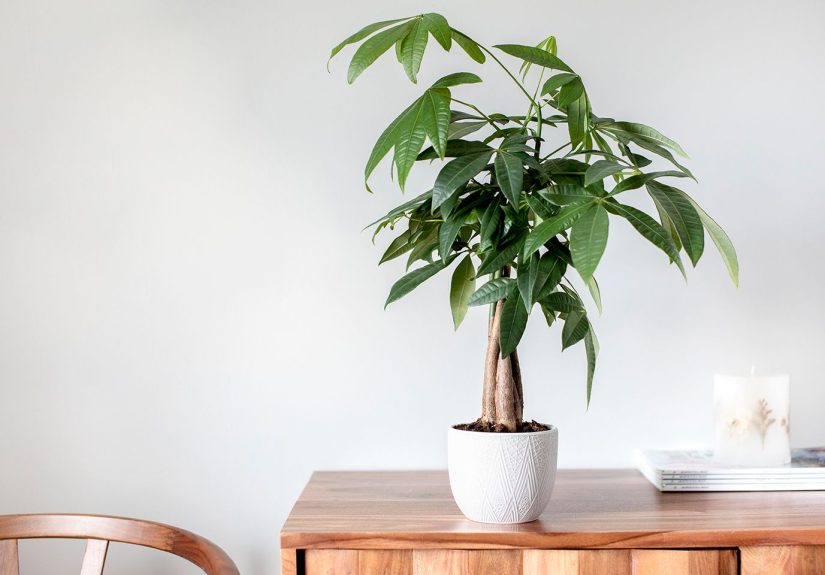
The money tree (Pachira aquatica) is the houseplant equivalent of that friend who’s always down for brunch: flexible, forgiving, and somehow still thriving even when everyone else is falling apart. It’s famous for its braided trunk, glossy “hand-shaped” leaves, and the rumor that it attracts prosperity. (At minimum, it attracts complimentssame thing, basically.)
This guide walks you through money tree care from “I just brought it home” to “why is it dropping leaves like it pays rent?” You’ll get practical instructions, clear troubleshooting, and a few reality checks so your plant stays lushnot dramatic.
Money Tree Basics: What You’re Growing (and Why It Matters)
Money trees are tropical evergreen trees native to warm, humid regions. Outdoors they can become real trees, but indoors they’re typically kept as a medium-to-large floor plant. Most braided money trees aren’t one plant they’re several young plants woven together while their stems are still flexible. That’s why you might see one stem struggling while the others look fine: they’re roommates, not twins.
Quick ID
- Botanical name: Pachira aquatica
- Common names: Money tree, Guiana chestnut, Malabar chestnut
- Best feature: Shiny, palmate leaves (often in clusters of five)
- Classic look: Braided trunk (usually multiple plants)
- Growth indoors: Moderate to fast in spring/summer with good light
Money Tree Care Cheat Sheet
- Light: Medium to bright indirect light (avoid harsh direct sun)
- Water: When the top 2–4 inches are dry (or soil is ~50–75% dry)
- Soil: Well-draining potting mix (add perlite/bark for airflow)
- Humidity: Comfortable at normal home levels, happier at 40–60%+
- Temperature: Ideally 60–75°F; protect from drafts and cold snaps
- Feeding: Diluted balanced fertilizer monthly in spring/summer
- Repot: Every 2–3 years or when rootbound
Light: The “Bright, Indirect” Rule (Without the Mystery)
Money trees prefer bright to medium indirect light. Think: near a window where you can read a book comfortably without squintingyet the sunbeams aren’t frying your retinas (or your leaves).
Best spots in a typical home
- East-facing window: Gentle morning sun is usually fine.
- West-facing window: Bright, but protect from hot afternoon rays with a sheer curtain.
- South-facing window: Can work if you pull it back from the glass or filter the light.
- Office lighting: It can tolerate fluorescent light, but growth will be slower.
Pro tip: Rotate the pot a quarter turn every week or two. Otherwise it will lean toward the light like it’s trying to eavesdrop on your neighbors.
Watering: The #1 Place Money Trees Get “Loved” to Death
Money trees hate sitting in soggy soil. Overwatering is the fastest route to yellow leaves, mushy roots, and regret. The goal is a rhythm: soak thoroughly, then let the soil partially dry before you water again.
When to water
- Check soil with your finger: if the top 2–4 inches feel dry, it’s time.
- Or aim for “50–75% of the soil dried out” before watering again.
- In many homes this lands around every 1–2 weeks in warm months, every 2–3 weeks in winter.
How to water correctly (so it actually works)
- Water slowly until it drains from the bottom.
- Wait 5–10 minutes, then empty the saucer (no “foot baths”).
- Never let the pot sit in standing water for hours.
Bottom watering: useful, but not magic
If water keeps running down the sides and not soaking in (hydrophobic soil), bottom watering can help. Set the pot in a shallow tray of water for 15–30 minutes, then remove and drain thoroughly. Use it as a tool, not a lifestyle.
Signs your watering is off
- Yellowing leaves + soft stems: often too much water / poor drainage.
- Drooping + dry soil: underwatering (or the plant is rootbound and can’t absorb well).
- Brown crispy edges: inconsistent watering, low humidity, or mineral/salt buildup.
- Sudden leaf drop: stress from change (draft, move, temperature swing) or watering extremes.
Soil and Pot: Drainage Is Your Plant’s Insurance Policy
Money trees want moisture, but they also want oxygen around their roots. That means a mix that drains well and a pot with a drainage hole. If your pot has no drainage, your money tree is basically wearing rain boots filled with soup.
A simple soil recipe (easy and effective)
- Base: quality indoor potting mix
- Add: 20–30% perlite (or orchid bark) for airflow
- Optional: a small amount of coarse sand for extra drainage
Picking the right pot
- Drainage hole: non-negotiable.
- Material: terracotta helps soil dry faster; plastic holds moisture longer.
- Size: go only 1–2 inches wider than the current pot when repotting.
Humidity and Temperature: Keep It Cozy, Not Tropical-Theme-Park
Money trees prefer moderate humidity and stable temperatures. They don’t need you to turn your living room into a rainforest exhibit, but they will sulk in bone-dry winter air or near a blasting HVAC vent.
Humidity tips (choose your level of effort)
- Low effort: group plants together (they share moisture).
- Medium effort: use a pebble tray (pot sits on pebbles above water line).
- High effort: run a humidifier nearby for consistent results.
Temperature rules
- Ideal range: 60–75°F
- Avoid cold drafts, open winter windows, and heater blasts.
- If you summer it outdoors, bring it in before nights get chilly and acclimate it gradually.
Fertilizer: A Snack, Not an All-You-Can-Eat Buffet
In the growing season (spring and summer), feed your money tree lightly. Over-fertilizing can cause salt buildup and leaf tip burn, which is the plant version of a hangover.
- Type: balanced houseplant fertilizer
- Strength: diluted to half (or quarter) strength
- Schedule: about once a month in spring/summer
- Skip: fall and winter, when growth slows
Pruning and Shaping: How to Get a Fuller, “Tree-Like” Crown
Money trees can get leggy if light is low or if they’re reaching. Pruning helps encourage branching, keeps the canopy dense, and prevents the plant from looking like it’s wearing a tiny hat of leaves.
How to prune
- Use clean, sharp pruners or scissors.
- Trim in spring for best regrowth.
- Cut just above a node (where a leaf meets the stem) to encourage branching.
- Remove yellow or damaged leaves anytime.
Style note: If you want a tall “lollipop tree” look, prune lower branches and shape the top. If you want bushy, pinch tips regularly and give brighter indirect light.
The Braided Trunk: Maintain It Without Causing Plant Drama
That braided trunk is usually multiple plants intertwined. As the stems thicken, ties can become too tight and damage the trunk. Check for string, wire, or plastic ties around the braid or crown and loosen or replace them with soft plant tape as needed.
Can you braid your own?
Yesif stems are young and flexible. You braid gently, avoid cracking, and secure loosely. But don’t force it. A money tree shouldn’t need physical therapy because you wanted a Pinterest moment.
Repotting: When, Why, and How
Repotting refreshes depleted soil and gives roots room to grow. Most money trees do well with repotting every 2–3 years, or sooner if you see roots circling the pot or popping out of drainage holes.
Best time to repot
Spring is ideal, when the plant is ready to grow again.
Repot steps
- Choose a pot 1–2 inches wider with drainage.
- Gently remove the plant and loosen circling roots.
- Trim mushy, dark, or smelly roots (a sign of rot).
- Replant at the same depth in fresh, well-draining mix.
- Water thoroughly, then let it settleno fertilizer for 4–6 weeks.
Propagation: Make More Money Trees (No Stock Market Required)
The most common method indoors is stem cuttings. You’ll need a healthy stem with at least one node. Rooting can happen in water or soil, but soil-grown roots tend to adapt better long term.
Water propagation (easy to observe)
- Cut a 4–6 inch piece below a node.
- Remove lower leaves so no leaves sit in water.
- Place in clean water in bright, indirect light.
- Change water every few days.
- Pot up when roots are a couple inches long.
Soil propagation (often sturdier)
- Dip the cut end in rooting hormone (optional).
- Plant in a small pot with moist, airy mix.
- Cover loosely with a clear bag to hold humidity (vent daily).
- Keep warm with bright, indirect light.
- After a few weeks, tug gentlyresistance suggests roots.
Common Pests and Problems (and What to Do About Them)
Pests you might see
- Spider mites: tiny webs, speckled leavesoften in dry air.
- Mealybugs: white cottony clusters on stems and leaf joints.
- Scale: small bumps on stems/leaves; sticky residue may appear.
Simple treatment plan
- Isolate the plant (pests love roommates).
- Wipe leaves with a damp cloth; rinse if possible.
- Spot-treat with 70% isopropyl alcohol on a cotton swab (especially for mealybugs/scale).
- Use insecticidal soap or horticultural oil as directed; repeat weekly for a few cycles.
- Raise humidity a bit to discourage spider mites and keep leaves clean.
Troubleshooting: symptoms and likely causes
- Leaves turning yellow: overwatering, poor drainage, or low light.
- Brown tips/edges: low humidity, inconsistent watering, mineral buildup, or too much fertilizer.
- Leaf drop: sudden changes (move, drafts), underwatering, or root stress.
- Mushy trunk/soil smells sour: root rotunpot, trim bad roots, repot in fresh airy mix.
- Leggy growth: not enough lightmove closer to a bright window and rotate regularly.
Is a Money Tree Safe for Pets?
Good news: money trees (Pachira aquatica) are widely listed as non-toxic to cats and dogs. That said, “non-toxic” doesn’t mean “snack approved.” Any plant material can upset sensitive stomachs, so discourage chewing and call your vet if your pet has symptoms after munching.
Styling and Placement: Make It Look Like You Have Your Life Together
A money tree’s upright form makes it a natural corner plant, entryway statement, or “my Zoom background needs help” solution. Just remember: aesthetics are great, but light is non-negotiable. A plant can’t photosynthesize good vibes.
Placement ideas
- Bright living room corner: a few feet from a window with filtered light.
- Home office: rotate it so it grows evenly and doesn’t photobomb your camera frame.
- Kitchen/bathroom with good light: naturally higher humidity can help.
Conclusion: Keep It Simple, Keep It Consistent
The secret to a happy money tree isn’t luckit’s consistency. Give it bright, indirect light; water only after partial drying; use well-draining soil and a pot with drainage; and protect it from drafts and extremes. Do those basics well and your money tree will reward you with glossy leaves, steady growth, and the occasional smug feeling that you are, in fact, capable of keeping a living thing alive.
Real-World Experiences: What Money Tree Owners Learn Over Time (About )
If you hang around enough plant people (or accidentally become one), you’ll notice money tree stories tend to follow a pattern. They start with confidence: “This one’s easy!” Then come the tiny mysteries: “Is it supposed to lean like that?” And eventually, the big emotional plot twist: “Why are three leaves yellowing at the same timewhat does it mean?”
One of the most common experiences is realizing that a money tree’s “easy-care” reputation mostly means it can survive imperfect conditions, not that it thrives on neglect. Many owners discover that the plant looks best with consistent routines: checking soil moisture on a schedule (not watering on a schedule), rotating the pot, and keeping it away from the two villains of indoor life: heater blasts and icy drafts. Put it near a vent for a week and the leaves may drop like the plant just read your group chat.
Another classic lesson is that the braided trunk is both the coolest feature and the biggest source of confusion. People often assume the braid is one trunk, so when one stem starts to soften or decline, it feels random and unfair. Over time, many owners learn to inspect each stem individually, especially near the soil line. If one stem is mushy while others are firm, it’s often a sign that watering and drainage need adjustingor that one of the braided plants simply isn’t coping as well as its neighbors. It’s not personal. It’s just botany.
Watering “a little bit every few days” is another habit money trees quietly punish. It feels kind, but it can keep the root zone constantly damp without ever fully soaking or fully drying. Many people report their best results after switching to the soak-and-drain method: water thoroughly, empty the saucer, and then let the soil dry down noticeably before the next watering. The plant often responds with firmer stems, perkier leaves, and fewer yellow surprises.
On the flip side, some owners learn the hard way that money trees can dry out faster than expected in bright roomsespecially in terracotta pots or during hot, dry weather. Leaves may droop dramatically, then bounce back within hours after a proper watering. That rebound can trick people into thinking “more water more often” is the solution, when the real fix is simply a smarter trigger for watering (soil dryness) and a soil mix that holds moisture without staying swampy.
Finally, there’s the long-term win: once you dial in light and watering, money trees often become “steady” plantsthe kind you stop worrying about because they look good most days. Owners commonly describe them as the plant that makes a room feel finished, the one guests notice, and the one that quietly teaches patience. And if it also brings luck and prosperity? Great. But even if it only brings greener leaves, that’s still a solid return.