Table of Contents >> Show >> Hide
- What Is a TENS Unit and How Does It Work?
- Does TENS Help Lower Back Pain?
- Best TENS Unit Placement for Lower Back Pain
- Step-by-Step Instructions for Using a TENS Unit
- Tips for Better Results
- When You Should Not Use a TENS Unit
- When Lower Back Pain Needs Medical Attention Instead
- Common Mistakes People Make With TENS Units
- Experiences With TENS for Lower Back Pain: What People Commonly Notice
- Final Thoughts
Note: This article is for general education and is not a substitute for medical advice. TENS can be a helpful sidekick for some people with lower back pain, but it is not a magic wand, a spinal mechanic, or a permission slip to ignore serious symptoms.
Lower back pain has a special talent for showing up at the worst possible time. It appears when you bend to tie your shoe, unload groceries, sit too long, stand too long, or simply exist too enthusiastically. That is one reason TENS units have become so popular. They are portable, relatively simple, and they let people feel like they are doing something useful besides glaring at a heating pad.
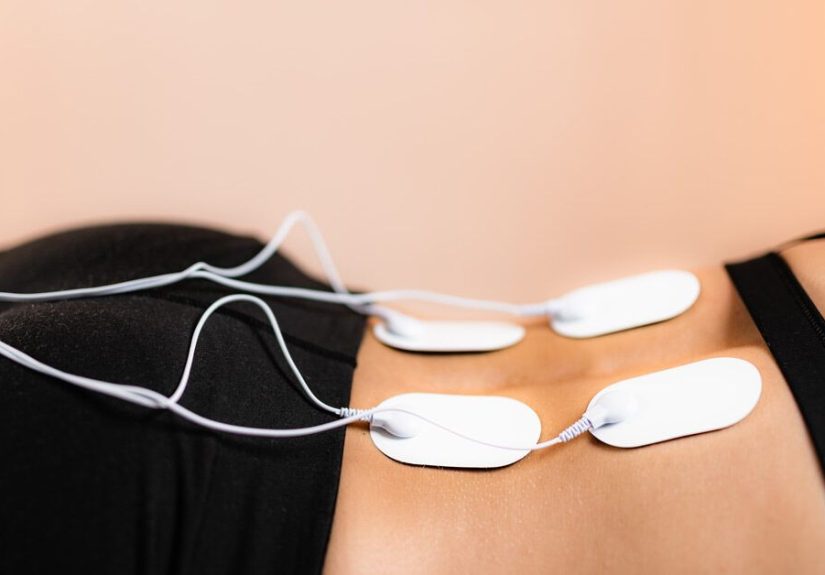
A TENS unit, short for transcutaneous electrical nerve stimulation, sends mild electrical impulses through adhesive electrode pads placed on the skin. The goal is not to “fix” a disc, erase arthritis, or bully your spine into behaving. The goal is usually more modest and more realistic: reduce pain enough that you can move better, stay active, and get through daily life without narrating every movement like a dramatic sports injury.
If you are wondering where to place the pads, how to start safely, and whether a TENS unit is actually worth the trouble, you are in the right place. Below is a practical guide to TENS unit placement for lower back pain, step-by-step instructions, safety tips, and what real-life use often feels like.
What Is a TENS Unit and How Does It Work?
A TENS unit is a small battery-powered device connected to electrodes that stick to your skin. When the device is turned on, it sends low-voltage electrical pulses through the pads. These pulses may help reduce pain by changing the way pain signals are processed and, in some cases, by encouraging the body’s natural pain-relieving chemicals to join the party.
That said, let us keep expectations well-dressed and well-behaved. A TENS unit is generally considered a symptom-relief tool, not a cure for the underlying cause of lower back pain. If your pain comes from muscle strain, spasms, irritation around nerves, or long-standing mechanical back pain, TENS may help some people feel more comfortable. But the research on TENS for low back pain has shown mixed results. In plain English: some people swear by it, some people shrug at it, and science has not crowned it the king of back pain relief.
That does not make it useless. It just means TENS works best when treated as one part of a bigger plan that may also include movement, physical therapy, posture changes, better sleep habits, and medical evaluation when needed.
Does TENS Help Lower Back Pain?
The honest answer is: sometimes. And in medicine, “sometimes” is not glamorous, but it is often the truth.
For some people, a TENS unit can make lower back pain feel less sharp, less distracting, or less intense during activity. This can be especially useful when pain is tied to muscle tension or when you need help tolerating walking, light chores, or exercise. Some clinicians recommend using TENS while you are moving around rather than while you are planted on the couch like a decorative throw pillow with opinions.
For others, the relief is brief, mild, or nonexistent. A TENS unit is not the kind of device that deserves a dramatic movie trailer voice-over. It is better thought of as a low-risk, potentially useful option that may help you move more comfortably while other treatments do the heavier lifting.
Best TENS Unit Placement for Lower Back Pain
Placement matters. A lot. A TENS unit can be perfectly fine and still feel useless if the pads are in awkward spots. In general, the pads should be placed at or near the painful area, on healthy skin, and not directly over the bony spine.
General Placement Rule
The simplest rule is this: place the electrodes on either side of the painful area, not right on the middle of your backbone. Think of the pain as the filling in a sandwich and the pads as the bread. You want the stimulation to surround the sore area, not sit directly on a row of bony landmarks that make the adhesive cranky.
Two Common Placement Patterns
1. Two-pad placement: Place one pad on one side of the lower back pain and the second pad on the other side. Keep them separated rather than touching. This is the easiest setup and a good place to start for mild or focused pain.
2. Four-pad placement: If your unit has two channels and four pads, place two pads above and to the sides of the painful area and two below and to the sides, creating a loose rectangle or “frame” around the sore spot. This can work well for broader lower back pain.
How Far Apart Should the Pads Be?
As a practical guide, keep the pads a few inches apart so the current travels through the painful region without the pads overlapping or touching. If they are too close, the sensation can feel pinchy or concentrated in one irritating little spot. If they are too far apart, the area you actually want to treat may not get the intended coverage.
Where Not to Place TENS Pads
Here is the important part, because your lower back is not the only thing with boundaries:
- Do not place pads directly on the spine.
- Do not place them on the front or sides of the neck.
- Do not place them across the chest or in a way that the current crosses the heart.
- Do not place them on broken, irritated, infected, or freshly shaved skin.
- Do not place them on numb areas where you cannot judge the intensity well.
- Do not place them on the head, face, eyes, or mouth.
If your lower back pain also shoots into your buttock or upper leg, a clinician may suggest a different electrode pattern to better target the painful pathway. When pain travels, pad placement often needs to travel with it.
Step-by-Step Instructions for Using a TENS Unit
Step 1: Check That TENS Is Reasonable for You
Do not use a TENS unit without medical clearance if you have a pacemaker, implanted defibrillator, spinal cord stimulator, infusion pump, or another implanted electronic device. Also talk to a clinician first if you are pregnant, have epilepsy, cancer, reduced sensation, or significant medical complexity.
Step 2: Clean and Dry the Skin
Wash the skin with mild soap and water if needed, remove oils or lotion, and dry the area well. Pads stick better to clean, dry skin. Lotion and sweat turn electrodes into tiny rebellious stickers with commitment issues.
Step 3: Place the Pads
Apply the pads to healthy skin around the painful lower back area. Start with the simplest pattern: one pad on each side of the pain. If your device uses four pads, frame the painful area rather than stacking them on top of one another.
Step 4: Connect the Leads and Turn the Unit On
Make sure the device is off before connecting or repositioning the pads. Once everything is attached properly, turn the unit on and choose the mode recommended in your manual or by your clinician.
Step 5: Increase the Intensity Slowly
Turn the intensity up until the sensation feels strong but comfortable. That phrase matters. You are aiming for noticeable tingling or pulsing, not a dramatic reenactment of being zapped by a cartoon science experiment. If it hurts, lower the setting.
Step 6: Use It for a Short, Sensible Session
Many people start with about 20 to 30 minutes. Some patient education materials suggest 30 to 60 minutes depending on the situation and the device. Follow your product instructions and any guidance from your healthcare team. If you are new to TENS, shorter sessions are a smart way to see how your skin and nerves react.
Step 7: Reassess
After the session, ask two questions:
- Did the pain ease at all?
- Did the pads cause irritation or discomfort?
If the answer to the first is “not really,” try adjusting pad placement next time. If the answer to the second is “yes, my skin is furious,” stop and give your skin a break.
Tips for Better Results
Use TENS During Activity, Not Only at Rest
Many people get more value from TENS when using it during walking, light exercise, or normal daily activity. That makes sense: the goal is often to help you move with less pain, not to become one with the recliner.
Rotate Pad Placement Slightly
If you use TENS regularly, shift the pads slightly every day or two to reduce skin irritation. Your back will survive the change. Your skin will thank you quietly.
Do Not Chase Relief With Maximum Intensity
Stronger is not always better. If the setting is too intense, your muscles may twitch in an annoying way, or the sensation may become unpleasant enough that you stop using the device altogether. The sweet spot is firm, noticeable stimulation that does not feel painful.
Combine TENS With Other Smart Habits
TENS tends to work best as part of a broader strategy. Gentle movement, walking, core exercises from a physical therapist, heat or ice when appropriate, and attention to work setup or lifting habits often matter just as much as the device itself.
When You Should Not Use a TENS Unit
Skip the TENS unit and talk with a healthcare professional first if you have:
- A pacemaker, ICD, or other implanted electronic device
- Pregnancy, unless your clinician approves its use
- Epilepsy or seizure history
- Skin infection, open wounds, or severe skin irritation where the pads would go
- Numb skin or reduced sensation in the treatment area
- Unexplained severe back pain that has not been evaluated
Also do not use a standard TENS device while bathing, showering, driving, sleeping, or operating machinery. Water and electricity remain an absolutely terrible romantic pairing.
When Lower Back Pain Needs Medical Attention Instead
A TENS unit is for symptom management, not for ignoring warning signs. Get medical help promptly if your lower back pain comes with:
- New bowel or bladder problems
- Weakness in one or both legs
- Severe or increasing numbness
- Fever
- Pain after a fall, crash, or injury
- Rapidly worsening pain or pain that keeps you from basic daily activity
Those symptoms deserve a professional evaluation, not just a fresh set of sticky pads and optimism.
Common Mistakes People Make With TENS Units
Putting Pads on the Wrong Spot
If the pads are too high, too low, too close together, or sitting right on the spine, the session may feel useless. Placement is not everything, but it is close.
Using Dirty or Worn-Out Pads
Old electrodes lose stickiness and contact quality. If the pads peel, slip, or feel inconsistent, replacing them may fix more than your patience.
Expecting Immediate Miracles
TENS relief is often subtle. Some people feel better during use, some after use, and some not at all. Judging it after 90 seconds with the intensity set to “barely there” is not the fairest test.
Ignoring the Bigger Picture
If your back pain keeps returning, it is worth looking at the whole pattern: activity levels, prolonged sitting, lifting technique, sleep position, stress, deconditioning, and whether you need a clinician or physical therapist involved.
Experiences With TENS for Lower Back Pain: What People Commonly Notice
People’s experiences with TENS units for lower back pain tend to fall into a few familiar categories, and none of them are especially mysterious once you know what to expect. First, many people are surprised by the sensation. They expect pain relief to feel warm, soft, or soothing, like a heating pad with excellent bedside manners. Instead, TENS usually feels like tingling, tapping, pulsing, or a gentle buzzing under the skin. The first reaction is often, “Huh, that is weird.” The second reaction, if the placement is good, is often, “Actually, that might be helping.”
A common experience is that TENS helps most during movement. Someone who dreads standing at the sink, folding laundry, walking the dog, or getting through a grocery trip may find the back pain becomes less bossy while the unit is running. The pain may not disappear, but it may dial down enough that normal movement feels less dramatic. That small improvement matters because it can help a person stay active instead of avoiding movement and getting even stiffer.
Another common experience is trial and error with pad placement. A person may try one setup and feel almost nothing useful, then move the pads slightly wider, lower, or more to the sides and suddenly get much better coverage. This is one reason people sometimes give up too early. They assume the device does not work, when really the first placement was just not targeting the right area. TENS can be oddly particular. Your lower back may basically say, “Nice effort, but two inches to the left, please.”
Skin irritation is another very real experience. Some people tolerate the adhesive perfectly well, while others develop mild redness, itching, or irritation after repeated use. Usually that is a signal to rotate pad placement, limit session length, let the skin rest, or replace old electrodes. It is not glamorous, but good TENS habits are often less about heroic pain relief and more about practical housekeeping.
Many users also notice that the body adapts to the sensation during a session. What felt strong at minute one may feel surprisingly mild at minute ten. That does not always mean the unit stopped working. Sometimes your nervous system simply gets used to the stimulation. People often respond by increasing intensity slightly, as long as it remains comfortable. That tiny adjustment can make a session more effective.
Finally, one of the most realistic experiences is that TENS becomes a useful tool, but not the whole toolbox. People who get the best results often use it alongside walking, stretching, physical therapy, and smarter pacing of activity. In that role, TENS can be genuinely helpful. It may not deserve a parade, but it can absolutely earn a spot in the back-pain survival kit.
Final Thoughts
A TENS unit for lower back pain can be worth trying if you want a non-drug option for short-term relief and your clinician agrees it is appropriate for you. The most important points are simple: place the pads on clean, dry skin around the painful area, avoid placing them directly on the spine or unsafe zones like the neck and chest, start with a strong-but-comfortable intensity, and use the device as part of a broader back-care plan rather than as a miracle machine.
If it helps you move more comfortably, that is a win. If it does not help, that is useful information too. Either way, your back deserves strategy, not superstition.