Table of Contents >> Show >> Hide
- What You Need Before You Start
- What Kind of Snow Makes the Best Snowman?
- How to Build a Snowman Step by Step
- Common Snowman Problems and How to Fix Them
- Snowman Safety Tips That Actually Matter
- Creative Snowman Ideas for Extra Fun
- Why Building a Snowman Never Gets Old
- Experience and Lessons from Building Snowmen
Building a snowman looks simple until you are outside in soggy gloves, your “perfect” base rolls straight into a bush, and someone insists the snowman needs eyebrows. Still, that is part of the charm. Learning how to build a snowman is one of those classic winter skills that mixes science, creativity, teamwork, and just a little chaos. When the snow is right, you do not need fancy tools or a complicated plan. You need a good patch of snow, a little patience, and enough determination to give your frosty masterpiece a face with real personality.
This guide walks you through the full process, from choosing the best snow and rolling solid snowballs to stacking, decorating, and keeping everyone warm while you work. Whether you want a traditional three-ball snowman, a goofy backyard giant, or a photo-worthy winter creation that makes the neighbors smile, these snowman tips will help you build one that lasts longer than your hot cocoa.
What You Need Before You Start
The beauty of snowman building is that the supply list is delightfully low-tech. Nature handles the main ingredient. You bring the accessories and the enthusiasm.
- Fresh snow that is slightly wet and packable
- Warm layers, waterproof gloves or mittens, boots, and hats
- A flat or gently sloped open area
- Sticks for arms
- Small rocks, charcoal pieces, pinecones, or bottle caps for eyes and buttons
- A carrot or similar item for the nose
- A scarf, old hat, or earmuffs for personality
- An extra pair of dry gloves if you plan to stay outside awhile
If you want to go deluxe, bring a small shovel, a bucket for packing snow, and a spray bottle filled with water to help smooth rough spots. None of that is required, though. A great snowman can absolutely begin with cold hands, a carrot, and big winter ambition.
What Kind of Snow Makes the Best Snowman?
If your snow will not stick, the problem is not you. It is the snow. The best snow for a snowman is slightly wet, slightly sticky, and easy to compress. Powdery snow may look magical drifting through the air, but it is terrible at holding shape. On the other hand, slushy snow is heavy, messy, and more likely to collapse into a sad lumpy blob that looks like it gave up on life halfway through construction.
In general, snow that falls when temperatures hover close to freezing is easier to pack. That is why some of the best snowman days feel a little damp rather than brutally cold. If the snow scoops into your hands and holds together when you squeeze it, congratulations: you have snowman weather. If it slips through your fingers like sugary confetti, go make snow angels instead and save the snowman dream for another day.
A simple test works well: grab a handful of snow and compress it into a ball. If it stays together without immediately crumbling or dripping, you are in business. This little test saves time, frustration, and the emotional spiral of blaming your engineering skills when the weather is the real villain.
How to Build a Snowman Step by Step
1. Pick the Right Spot
Choose an area with enough snow to roll large balls without scraping down to grass too soon. A yard, park, or open space works well. Avoid icy driveways, roadsides, or places near traffic. You also want enough room to roll and turn without crashing into fences, shrubs, or your cousin who is “just standing there.”
2. Start with the Base
Scoop up a small snowball with both hands and pack it tightly. Set it on the ground and start rolling it forward. As it rolls, it will collect more snow and grow. Rotate directions as you go so it stays fairly round. This bottom ball should be the largest because it acts as the foundation for the whole snowman.
Do not rush this step. A strong base makes everything easier later. If the ball gets oddly shaped, pat it back into form. If it becomes too heavy to move, that is your cue to stop rolling. You are building a snowman, not training for a lumberjack competition.
3. Roll the Middle Section
Make a second snowball using the same method, but keep it smaller than the base. You want a clear size difference so the snowman looks balanced instead of like a stack of mysterious frozen boulders. Once it is large enough, lift it carefully with help from another person if needed and place it on top of the base.
If it slides around, flatten the contact points a little first. A slightly flattened bottom and top can create a more stable stack than two perfectly round surfaces trying to play ice roulette.
4. Create the Head
The third ball should be the smallest. Pack it tightly and place it on top of the middle section. At this stage, your snowman officially goes from “interesting snow pile” to “recognizable winter celebrity.” Adjust the head until it looks centered and secure.
5. Reinforce the Seams
This step separates decent snowmen from snowmen that survive longer than twelve minutes. Pack extra snow into the seams where the sections meet. Think of it as frosty mortar. Smooth those areas with gloved hands and gently press everything together. A little extra snow around the joints helps the structure lock in place.
6. Shape the Body
Once the three sections are stacked, step back and look at the overall shape. Patch flat spots, fill dents, and smooth rough areas. Use your hands like sculpting tools. If the snow surface is too crumbly, lightly pat it until it firms up. If you brought a spray bottle, a tiny misting of water can help icy outer layers form in milder conditions, though you do not want to soak the whole thing.
7. Add the Face and Details
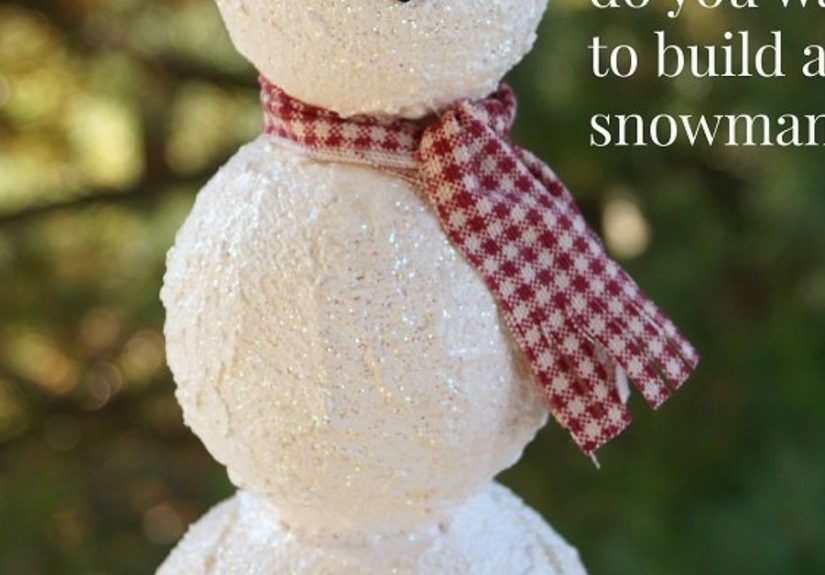
Now comes the fun part. Press in the eyes, mouth, and buttons. Add the carrot nose. Push stick arms into the middle section. Wrap on a scarf. Tilt the hat just enough to suggest confidence. Suddenly your snowman is no longer just built; it has opinions.
Classic decorations work for a reason, but you can also get creative. Pinecones make excellent textured buttons. Leaves can become eyebrows. A row of pebbles can create a grin that says, “I may melt by Tuesday, but today I am fabulous.”
8. Give It Character
The best snowman ideas usually come from personality, not perfection. Maybe your snowman is a chef with a wooden spoon. Maybe it is a superhero with a towel cape. Maybe it is a family portrait in frozen form. A crooked smile, goofy ears, or oversized stick arms often make the final result more charming than something overly polished.
Common Snowman Problems and How to Fix Them
The Snow Will Not Stick
Your snow is probably too dry. Wait for wetter snow, move to a shadier area where the snow may be a bit denser, or use packed snow from lower layers if the top layer is fluffy.
The Balls Keep Cracking
Pack them more tightly at the beginning and roll more slowly. Cracks can also happen when the outer layer grows quickly but the inner core stays loose.
The Middle or Head Slides Off
Flatten the surfaces where the balls connect and pack fresh snow around the seam. Two people lifting together also helps prevent awkward placement and accidental decapitation.
The Whole Thing Looks Lopsided
Join the club. Snowmen are handmade. That is part of the charm. But if the lean looks dangerous, shave a little snow off the heavy side and reinforce the opposite side with packed snow.
Snowman Safety Tips That Actually Matter
Winter fun is better when nobody ends up frozen, soaked, or slipping into a driveway puddle. Dress in layers so you stay warm without overheating. Waterproof outerwear matters more than people think because wet clothing can turn a playful afternoon into a fast trip indoors. Gloves or mittens, warm boots, and hats are non-negotiable.
Take breaks if hands, feet, noses, or cheeks start feeling numb. Bring kids inside when they get too cold or too wet, and swap in dry gloves when necessary. Avoid building on icy surfaces, near roads, or in the path of snowplows. If you are moving heavy snow or reshaping giant base sections, lift with your legs and take it easy. A dramatic snowman is not worth a dramatic back injury.
And yes, someone has to say it: do not treat frostbitten skin with hot water, and do not rub it with snow. Warm up gently indoors and get help if anything looks serious. The goal is a cheerful winter memory, not a cautionary tale.
Creative Snowman Ideas for Extra Fun
Once you know how to build a snowman, it becomes dangerously tempting to build a whole cast of characters. Try a snow family with different hats and facial expressions. Make a pet snowdog beside the main snowman. Build a tiny snowman on the snowman’s arm for a weirdly adorable “snowman holding a snowman” effect. Add colored snow art around the base using spray bottles with a few drops of food coloring in water.
You can also turn the project into a game. Host a family snowman contest. Build one based on a movie character. Make a neighborhood snowman trail if several houses join in. A snowman is part craft, part sculpture, and part excuse to stay outside a little longer while winter still feels magical.
Why Building a Snowman Never Gets Old
There are flashier winter activities, sure. Sledding is faster. Skiing is fancier. Snowball fights are louder. But building a snowman has something those do not: it slows people down just enough to make the moment stick. You work with your hands, solve tiny problems, laugh at mistakes, and end up with something visible at the end. For kids, it feels like pure magic. For adults, it is a reminder that fun does not always need a ticket, a battery, or a user manual.
And maybe that is why snowmen keep showing up in family photos, school memories, neighborhood yards, and holiday culture. They are temporary, a little ridiculous, and absolutely wonderful. One warm afternoon and they are gone. Which somehow makes building them even better.
Experience and Lessons from Building Snowmen
The funniest thing about learning how to build a snowman is that nobody remembers the perfect one for very long. People remember the ridiculous ones. They remember the snowman with one giant arm and one tiny arm because the stick supply was limited. They remember the one with olives for eyes because someone raided the kitchen. They remember the snowman that slowly leaned all afternoon until it looked like it had heard exhausting gossip. In real life, snowman building is less like a polished craft tutorial and more like a small winter adventure with comedy built in.
For many families, the experience starts before the first snowball. Somebody peeks out the window and announces that the snow is finally “the good kind.” Then there is a scramble for boots, scarves, missing gloves, and the one carrot that somehow becomes the most important vegetable in the house. The first few minutes outside are always optimistic. Everyone has ideas. Someone wants a giant snowman. Someone wants a snow dog. Someone wants to skip straight to decorating, which is adorable and completely unhelpful.
Then the real work begins. Rolling the base teaches patience fast. It starts small and manageable, and then suddenly it is the size of a beanbag chair and weighs about as much as your winter regrets. That is usually the moment teamwork becomes less of a cheerful concept and more of a necessity. One person pushes, another clears the path, and a third offers advice no one asked for. Somehow, that is part of the fun.
There is also a strange satisfaction in solving snowman problems on the fly. If the head falls off, you fix it. If the nose keeps slipping, you try a different angle. If the whole thing looks slightly haunted, you lean into the vibe and give it a dramatic scarf. Snowman building rewards improvisation. It reminds you that imperfect projects often make the best memories.
One of the best parts of the experience is the pause at the end. Everyone steps back, breathing little clouds into the cold air, and looks at what they made. It may not be symmetrical. It may not survive the next sunny afternoon. But for that moment, it feels like a masterpiece. Kids beam. Adults take too many pictures. Neighbors smile when they walk by. The snowman becomes a tiny landmark, proof that winter was not just endured but enjoyed.
That is why building a snowman still matters. It gets people outside. It turns cold weather into something playful. It creates a story out of ordinary snow. Even when the snowman melts, the experience tends to stick around much longer than the icicle nose ever did.
Note: This article is formatted for web publication and intentionally excludes clutter such as source-link placeholders or publishing artifacts.