Table of Contents >> Show >> Hide
If the phrase antioxidant drinks makes you picture a neon wellness potion that costs more than your lunch, take a deep breath. The best antioxidant drinks are usually much simpler than that. They are the familiar, no-drama beverages made from tea leaves, coffee beans, berries, tomatoes, cocoa, and other plant foods loaded with compounds like polyphenols, flavonoids, anthocyanins, catechins, lycopene, and vitamin C.
That does not mean one magical drink can cancel out a week of drive-thru meals, three hours of sleep, and a “hydration strategy” built entirely around iced caramel something-or-other. Antioxidants help protect cells from oxidative stress, but they work best as part of an overall eating pattern rich in fruits, vegetables, beans, nuts, seeds, and whole grains.
So, what belongs on a realistic list of the best antioxidant drinks? Not a sugar bomb pretending to be health food. Not a bottle with seventeen claims and a label that looks like it was designed by a motivational speaker. This ranking focuses on drinks that are practical, evidence-informed, and easy to fit into regular life.
What Makes a Drink “Antioxidant-Rich”?
Antioxidants are compounds that help neutralize unstable molecules called free radicals. Many antioxidant-rich drinks get their value from naturally occurring plant compounds such as polyphenols in tea and coffee, anthocyanins in berries and tart cherries, flavanols in cocoa, and lycopene in tomatoes. The key word here is naturally. A beverage does not become healthy just because the bottle says “superfood” in large, emotionally manipulative letters.
There is also an important catch: more is not always better. A drink can contain helpful compounds and still come with too much sugar, too many calories, or too much caffeine. That is why the best antioxidant drinks are usually the ones that deliver beneficial compounds without turning your blood sugar and daily calorie intake into a side quest.
The 10 Best Antioxidant Drinks
1. Green Tea
Green tea is the overachiever of the antioxidant drink world. It is rich in catechins, especially EGCG, a plant compound often linked with antioxidant activity. It is also easy to drink daily, relatively low in calories, and widely available without needing to raid a niche online store at 2 a.m.
Why it deserves a top spot: Green tea delivers antioxidant compounds without sugar, syrup, or much effort. It fits into breakfast, afternoon breaks, or that moment when you want a warm drink that is not your third coffee.
Best way to drink it: Plain and unsweetened. A squeeze of lemon is fine. Turning it into a 300-calorie dessert with whipped cream is less fine.
2. Matcha
Matcha is technically green tea, but it earns its own spot because you consume the powdered tea leaf itself rather than just steeping it. That gives matcha a stronger flavor, a more concentrated profile, and a “yes, I probably do own a tiny whisk” reputation.
Why it stands out: Matcha is prized for its dense concentration of polyphenols and its ability to deliver a steady-feeling caffeine lift for many people. It can be a nice alternative if coffee makes you feel like a startled squirrel.
Best way to drink it: Whisked into hot water or mixed with unsweetened milk. Skip the sugar-heavy coffeehouse versions if your goal is an antioxidant drink rather than liquid cake.
3. Black Coffee
Good news for coffee fans: your favorite morning ritual is not just a personality trait. Coffee contains polyphenols and other bioactive compounds, which is part of why it often lands in conversations about healthy beverages.
Why it belongs here: Plain coffee is one of the easiest antioxidant drinks to include consistently. It has virtually no calories when served black, and it pairs nicely with basic human functioning before 9 a.m.
Best way to drink it: Black or lightly dressed. A splash of milk is fine. A cup containing half your dessert menu is not the version earning points here.
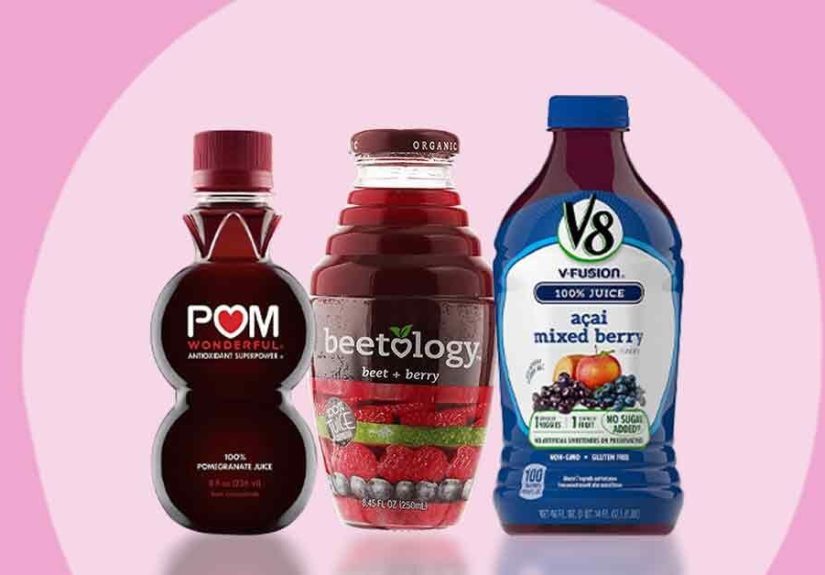
4. Pomegranate Juice
Pomegranate juice has long been famous for its deep color and high antioxidant reputation. It is especially rich in polyphenols, and it is one of the most flavorful ways to drink something that feels a little fancy without requiring a reservation.
Why it belongs here: Pomegranate juice is genuinely nutrient-dense and antioxidant-rich. Its bold flavor also makes it easy to use in smaller portions, which is helpful because juice still contains concentrated natural sugar.
Best way to drink it: Choose 100% pomegranate juice and keep portions moderate. Think small glass, not bucket-sized tumbler.
5. Tart Cherry Juice
Tart cherry juice is a favorite among people who want an antioxidant drink with a little extra personality. It is rich in anthocyanins and other plant compounds, and it often shows up in conversations about exercise recovery and sleep support.
Why it stands out: It is one of the few drinks on this list that has both antioxidant appeal and a reputation for supporting post-workout routines. Plus, its sharp flavor makes you feel like you are doing something serious and athletic, even if you mostly stretched once.
Best way to drink it: Unsweetened, or diluted with sparkling water if the flavor is too intense. It is potent stuff, not fruit punch.
6. Berry Smoothies
If berries had a publicist, that person would never need another client. Blueberries, blackberries, raspberries, and strawberries are packed with colorful antioxidant compounds called anthocyanins. When blended into a smoothie, they become a practical drinkable option that can also preserve some fiber, depending on what you include.
Why it earns a place: A berry smoothie can be more balanced than juice because it uses the whole fruit. Add Greek yogurt, kefir, chia, flax, or spinach, and suddenly your drink has range.
Best way to drink it: Keep it simple: berries, unsweetened milk or yogurt, maybe greens, and seeds. The goal is “nutrient-dense,” not “dessert with plausible deniability.”
7. Tomato Juice
Tomato juice does not get the glamour treatment, but nutritionally it deserves more respect. Tomatoes are rich in lycopene, a carotenoid with notable antioxidant properties. In fact, tomato-based products are one of the main dietary sources of lycopene for many people.
Why it belongs here: Tomato juice is savory, versatile, and not sweet, which makes it a refreshing option if you are tired of fruit-forward drinks. It can also be easier to fit into meals than sweeter antioxidant beverages.
Best way to drink it: Look for low-sodium or no-salt-added versions when possible. Your heart does not need a salt lick in a glass.
8. Unsweetened Cocoa Drinks
Cocoa is rich in flavanols, which is a very scientific-sounding way of saying that hot cocoa can have real nutritional merit when it starts with actual cocoa and not a sugar avalanche. Unsweetened cocoa powder offers antioxidant compounds that have made it a recurring favorite in heart health discussions.
Why it stands out: It is warm, comforting, and far more wholesome than many people assume. It also feels indulgent, which is useful when you are trying to make healthy habits stick without feeling punished.
Best way to drink it: Make it with unsweetened cocoa powder and milk or fortified plant milk. Add cinnamon if you want extra flavor. Avoid turning one mug into a chocolate milkshake cosplay.
9. Beet Juice
Beet juice gets attention for more than color. Yes, it looks like a drink you would encounter in a futuristic spa. But it is also known for beneficial plant compounds and natural nitrates that may support blood flow.
Why it makes the list: Beet juice brings antioxidant value along with performance and circulation interest, especially among fitness-minded drinkers. It is one of the more functional options here, though the taste can be divisive.
Best way to drink it: Fresh or minimally processed, in modest portions. If pure beet juice tastes like you accidentally liquefied a garden, blend it with berries or citrus.
10. 100% Cranberry Juice
Cranberry juice has a tart bite and a strong antioxidant reputation thanks to compounds such as proanthocyanidins. It is not just here because it tastes like a holiday table centerpiece. It has meaningful plant compounds, especially when you choose the real thing.
Why it earns a spot: Cranberries offer antioxidant and anti-inflammatory potential, and 100% cranberry juice can be a smart small-portion option if you enjoy its sharp flavor.
Best way to drink it: Choose 100% cranberry juice, not cranberry cocktail. That word “cocktail” often means “surprise, it is mostly sugar.” Diluting it with water or sparkling water can make it easier to enjoy.
How to Choose the Best Antioxidant Drink for Your Goals
The best antioxidant drink is not the same for everybody. If you want a daily staple, green tea or coffee is hard to beat for convenience. If you want something post-workout, tart cherry juice or a berry smoothie may fit better. If you want a savory option, tomato juice is the dark horse pick. If you want comfort in a mug, unsweetened cocoa is basically a wellness sweater.
Here are a few smart filters to use:
- Watch the sugar: Juice can be nutritious, but it is still easy to overdo.
- Mind the caffeine: Tea, matcha, and coffee are great until you are staring at the ceiling at 1 a.m.
- Prefer whole-food ingredients: Fewer additives, more real plant compounds.
- Think pattern, not perfection: One healthy drink helps, but consistency matters more.
Common Mistakes People Make With Antioxidant Drinks
Mistake No. 1: Assuming “natural” means unlimited. A tall glass of juice can still pack a lot of sugar and calories. Portion size matters.
Mistake No. 2: Confusing supplements with food. Whole foods and minimally processed drinks usually bring a better nutritional package than isolated antioxidant add-ins.
Mistake No. 3: Loading up the extras. Honey, syrups, sweet cream, and sugary mix-ins can quickly overpower the benefits.
Mistake No. 4: Expecting instant miracles. Antioxidant drinks can support a healthy lifestyle, but they are not a substitute for sleep, movement, hydration, and balanced meals. Sorry. The blender is powerful, but not that powerful.
What the Experience Is Actually Like When You Start Drinking More Antioxidant Beverages
Real-life experience with antioxidant drinks is usually a lot less dramatic than social media makes it sound. Nobody takes three sips of green tea and suddenly glows like a solar-powered angel. What usually happens is more practical and, honestly, more useful.
First, people often notice that these drinks help them replace less helpful habits. A morning that used to start with a sugar-heavy bottled drink might shift toward coffee, green tea, or matcha. An afternoon slump that once triggered a vending machine pilgrimage might become a berry smoothie or a mug of cocoa made with unsweetened powder. That swap matters. In many cases, the benefit is not just what you add, but what you crowd out.
Second, there is the flavor adjustment period. Unsweetened green tea can taste grassy at first. Pure cranberry juice is aggressively tart. Beet juice is… memorable. Tomato juice has a devoted fan club and an equally devoted group of people who look personally offended by it. But taste preferences really can change. Many people find that once they stop drinking ultra-sweet beverages all day, subtler flavors start tasting better and more interesting.
Third, the most successful experiences tend to come from keeping things simple. People who actually stick with antioxidant drinks usually do not create a seven-step morning tonic involving imported powders, frozen cubes, and a mortar and pestle for emotional effect. They make one or two easy choices repeatable. Maybe that is coffee in the morning, green tea in the afternoon, and a berry smoothie a few times a week. Maybe it is tart cherry juice after workouts and tomato juice with lunch. Boring? Maybe. Effective? Usually, yes.
There is also a noticeable difference between drinks that feel satisfying and drinks that feel like punishment. Unsweetened cocoa often works well because it feels comforting. Berry smoothies work because they can be filling and flexible. Tea works because it turns hydration into a ritual instead of a chore. The best antioxidant drink is often the one you genuinely enjoy enough to drink consistently without feeling like you have enrolled in a wellness boot camp.
Another common experience is learning that “healthy drink” marketing can be wildly misleading. Plenty of beverages wear a fruit halo while quietly delivering a lot of added sugar. Once people start reading labels, they often realize that a basic homemade smoothie or plain tea is nutritionally cleaner than many store-bought “superfood” drinks.
Finally, the experience tends to be best when expectations are realistic. Most people will not feel a thunderclap of transformation. What they may notice is steadier routines, fewer sugary drinks, better hydration habits, and a more thoughtful approach to what they sip every day. That may sound unsexy, but in nutrition, unsexy habits are often the ones that quietly win.
So if you want to add antioxidant drinks to your routine, think less “miracle elixir” and more “smart daily upgrade.” That mindset is far less glamorous, but it is much more likely to stick.
Final Thoughts
The best antioxidant drinks are the ones that combine real plant compounds with everyday practicality. Green tea, matcha, coffee, pomegranate juice, tart cherry juice, berry smoothies, tomato juice, unsweetened cocoa, beet juice, and 100% cranberry juice all bring something useful to the table. Some are better for daily sipping, some work best in smaller portions, and some shine when you want a specific flavor or function.
If you remember one thing, make it this: antioxidant drinks can support a healthy diet, but they work best when they are low in added sugar and part of a broader routine that includes whole foods. In other words, drink the tea, enjoy the berries, respect the tomato juice, and do not expect immortality from your blender.