Table of Contents >> Show >> Hide
- How This Ranking Works (and Why Counting “Appearances” Gets Weird Fast)
- The Big Takeaways Before You Dive Into 100 Names
- Top 10 Most Published Characters in Superhero Comics (Quick Breakdown)
- The 100 Most Published Heroes (and a Few Legendary Frenemies), Ranked
- What This List Reveals About Comics (Beyond “Batman Shows Up a Lot”)
- How to Use This Ranking (Without Losing a Weekend to Spreadsheet Madness)
- Fan & Collector Experiences: What It Feels Like to Chase Appearances (500+ Words)
- Conclusion
Superheroes don’t retire. They don’t take sabbaticals. They don’t even get a normal weekend. If a character becomes popular, comics will
put them in everything: solo titles, team books, crossovers, special issues, anniversary one-shots, and that one random holiday comic
you only discover when you’re digging through a long box like an archaeologist with a pull list.
This ranking is for the characters who show up the mostyear after year, decade after decadebased on documented comic book issue appearances.
Think of it as a “frequent flyer” leaderboard for capes, cowls, claws, and the occasional cosmic helmet.
How This Ranking Works (and Why Counting “Appearances” Gets Weird Fast)
“Comic book appearances” sounds simple until you actually try to count them. Is a one-panel cameo an appearance? What about a flashback?
What if the hero is only on a TV screen in the background? (Comics are dramatic like that.) Most big comic databases count cameos and
flashbacks as appearances, but usually don’t count tiny background images like posters on a wall. In other words: if the character is
meaningfully “on the page,” they count; if they’re basically set dressing, they usually don’t.
For this list, the ordering is based on a widely referenced comic database tally of issue appearances. These totals can
shift over time as new comics are published and as older comics are indexed more completely. So treat the numbers like a very well-informed
snapshot, not the final word etched into the Phantom Zone.
One more note: even though the title says “superheroes,” the most-published crowd in superhero comics also includes a handful of
mega-famous villains and antiheroes. That’s not a mistakeit’s a reflection of how often comics bring back iconic characters to stir the
pot, raise the stakes, and sell just one more “event” with a shiny cover.
The Big Takeaways Before You Dive Into 100 Names
1) Old-school icons have a century-long head start
Characters like Superman and Batman began in the late 1930s and have basically been in continuous print
ever since. That kind of publishing momentum is like compound interest… but with more grappling hooks and fewer spreadsheets.
2) Team books are appearance-count factories
The X-Men and their extended cast rack up appearances because they live in an ecosystem of interconnected titles:
flagship series, spinoffs, crossovers, and big ensemble events. If you’ve ever wondered why characters like Cyclops, Storm, Beast,
and Wolverine sit so high, this is the secret sauce: teams = more panels = more issues.
3) Being “popular enough to guest-star” is a superpower
Spider-Man doesn’t just headline Spider-Man bookshe’s the friendly neighborhood crossover engine. When Marvel needs a quick energy boost,
Peter Parker swings into somebody else’s story like he owns the place. (He doesn’t. But he also kind of does.)
Top 10 Most Published Characters in Superhero Comics (Quick Breakdown)
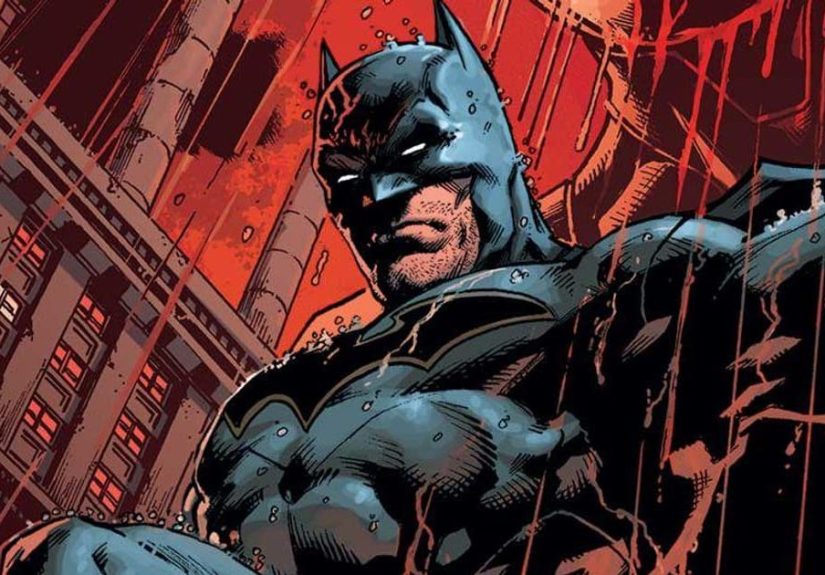
- Batman The publishing king: detective stories, Justice League, crossovers, and a supporting cast big enough to form a small city.
- Superman The blueprint. When superheroes became a genre, he was the front page.
- Wolverine Solo books, team books, guest spots, and a vibe that screams “I’ll be in the next issue too.”
- Spider-Man The MVP of guest appearances, team-ups, and “this event needs more quips.”
- Captain America A cornerstone of Avengers history and Marvel’s big moments.
- Cyclops X-Men leadership means constant panel time.
- Iron Man Avengers visibility plus tech-driven stories across eras.
- Storm A core X-Men icon who shows up in team lineups, events, and major turning points.
- Beast Scientist, teammate, Avenger-adjacent presence, and frequent “we need the smart one” choice.
- Thing Fantastic Four mainstay with decades of Marvel Universe overlap.
The 100 Most Published Heroes (and a Few Legendary Frenemies), Ranked
Numbers below reflect documented issue appearancesa useful way to compare publishing presence across decades of comics.
(Yes, the list is long. That’s the point. These characters are never off the clock.)
- Batman 14,358 issue appearances
- Superman 13,164
- Wolverine 12,912
- Spider-Man 12,164
- Captain America 9,139
- Cyclops 8,967
- Iron Man 8,697
- Storm 7,777
- Beast 7,715
- Thing 6,492
- Thor 6,370
- Iceman 6,242
- Hulk 6,119
- Dick Grayson 6,057
- Colossus 6,050
- Professor X 6,004
- Jean Grey 5,992
- Archangel 5,918
- Wonder Woman 5,905
- Mr. Fantastic 5,636
- Human Torch 5,559
- Nightcrawler 5,463
- Rogue 5,254
- Invisible Woman 5,104
- Kitty Pryde 4,931
- Emma Frost 4,840
- Magneto 4,320
- Hawkeye 4,040
- Namor 3,960
- Daredevil 3,717
- Gambit 3,716
- Nick Fury 3,702
- Doctor Strange 3,662
- Hal Jordan 3,619
- Kwannon 3,587
- Scarlet Witch 3,547
- Cannonball 3,479
- Judge Dredd 3,380
- The Phantom 3,370
- Hank Pym 3,263
- Lex Luthor 3,200
- Carol Danvers 3,180
- Aquaman 3,170
- Green Arrow 3,045
- Wasp 2,973
- Black Widow 2,952
- Havok 2,910
- Barry Allen 2,902
- Vision 2,895
- Quicksilver 2,867
- Doctor Doom 2,860
- Cable 2,764
- Martian Manhunter 2,738
- Sabretooth 2,726
- Barbara Gordon 2,519
- Luke Cage 2,506
- She-Hulk 2,424
- Joker 2,406
- Sunspot 2,382
- Hawkman 2,379
- Black Canary 2,361
- Supergirl 2,332
- Tim Drake 2,332
- Bishop 2,312
- Mystique 2,295
- Magik 2,254
- Punisher 2,253
- Black Panther 2,238
- Wally West 2,235
- Jubilee 2,200
- Deadpool 2,183
- Polaris 2,144
- Dazzler 2,065
- Wolfsbane 2,063
- Rachel Summers 2,051
- Catwoman 2,038
- Norman Osborn 1,950
- Spider-Woman 1,927
- Banshee 1,875
- Silver Surfer 1,867
- Moonstar 1,825
- Iron Fist 1,825
- Warpath 1,823
- Venom 1,793
- Billy Batson 1,768
- Bucky Barnes 1,708
- Alan Scott 1,641
- Hercules 1,617
- Wonder Man 1,607
- Loki 1,600
- Roy Harper 1,585
- Juggernaut 1,575
- Captain Britain 1,568
- Jay Garrick 1,556
- Hawkgirl 1,424
- Starfire 1,402
- Donna Troy 1,398
- Franklin Richards 1,374
- Kyle Rayner 1,367
- Ray Palmer 1,365
What This List Reveals About Comics (Beyond “Batman Shows Up a Lot”)
Publishing longevity is the ultimate power
Batman’s early debut and nonstop reinvention are a huge reason he sits at the top. DC traces Batman’s first appearance to
Detective Comics #27 (1939), and since then the character has anchored everything from street-level mysteries to multiverse events.
Superman’s first appearance in Action Comics #1 (1938) puts him at the start of the modern superhero eraand he’s stayed central
ever since.
Marvel’s “shared universe” design boosts appearances
Marvel’s style leans hard into connectivity: the Fantastic Four’s world-building, Spider-Man’s team-ups, and the Avengers’ revolving door
of members create constant opportunities for characters to pop up across titles. Spider-Man’s origin era is tied to
Amazing Fantasy #15 (1962), and the character has been a crossover magnet ever sinceshowing up whenever a storyline needs energy,
heart, or a joke that lands right before the dramatic cliffhanger.
Team ecosystems push X-Men characters sky-high
Look at the density of X-Men names in the top 30: Cyclops, Storm, Beast, Iceman, Professor X, Jean Grey, Nightcrawler, Rogue, Kitty Pryde,
Emma Frost, Magneto, Gambit… That’s not an accident. X-Men publishing history is famously “wide,” with multiple concurrent titles and
frequent line-wide events. If you’re part of a flagship team that carries a whole corner of a universe, your appearance count grows like
it’s training for a marathon.
How to Use This Ranking (Without Losing a Weekend to Spreadsheet Madness)
If you’re a reader
Use the list as a discovery map. Pick one hero, then sample their biggest “eras” instead of trying to read everything. For example:
go classic Batman detective stories, then jump to a major crossover arc, then try a modern standalone run. You’ll get the character’s
full range without needing to time-travel and quit school/work to become a full-time continuity scholar.
If you’re a collector
Appearance-heavy characters generate lots of affordable entry points. Not every key book is a first appearance; sometimes the best path is
collecting “character-rich” issues: team-ups, milestone issues, and classic creator runs. Databases and indexing projects help verify
whether a character is truly in an issue (and not just “technically on a screen in panel 3”).
Fan & Collector Experiences: What It Feels Like to Chase Appearances (500+ Words)
There’s a particular kind of joy that comes from realizing a superhero you love is basically everywherelike spotting a familiar face in a
crowd, except the crowd is 80 years of publishing history and the familiar face is wearing a cape. Fans who chase appearances aren’t just
collecting paper; they’re collecting moments: the issue where a hero makes an unexpected team-up, the goofy cameo that turns into a
serious storyline later, the one-panel entrance that makes you grin because the writer clearly knew exactly how to push your buttons.
The experience often starts innocently. You read a Batman story, then notice he shows up in a Justice League arc, and suddenly you’ve got
three different titles open and you’re asking questions like, “Wait… which Robin is this?” That’s when you learn the first rule of
appearance-chasing: superheroes don’t just have stories, they have routes. You can follow a character from one series to
another like you’re tracking a subway maponly the stops are events, crossovers, annuals, and surprise guest spots.
Then there’s the comic shop factor. Appearance hunting turns browsing into a treasure hunt. You’re not only looking for “Issue #1” or
“first appearance” (which can get expensive fast). Instead, you’re scanning covers for clues, flipping through back issues, and checking
the little mental checklist you carry around: “Does this run have a team-up? Was this the era when this character guest-starred every
other month?” It’s the same satisfaction as completing a puzzleexcept sometimes the puzzle has 14,358 pieces and Batman is in half of
them.
Digital reading changes the experience too. With apps and online catalogs, a fan can bounce between decades in a single evening: Golden Age
vibes one minute, a modern reboot the next. That can make appearance chasing feel less like a slow climb and more like a highlight reel.
But the best part is still the same: you begin to recognize patterns. Spider-Man’s cameo energy is different from Captain America’s
leadership presence. Wolverine appears with a kind of “I’m not here to chat” intensity. Doctor Strange shows up when the universe gets
weird (which, in comics, is basically Tuesday).
A surprising side effect is how it deepens your appreciation for supporting casts and “glue” characters. You start noticing how often
certain heroes (and sometimes villains) keep continuity stitched together. Long-running characters become storytelling tools: they anchor a
timeline, connect generations of creators, and give readers a familiar handhold when an event storyline tries to juggle twenty plotlines at
once. Even when the multiverse is doing cartwheels, a familiar face can make the whole thing feel readable.
Ultimately, chasing appearances isn’t about owning “everything.” It’s about building a personal path through comic historyone character,
one cameo, one surprisingly emotional team-up at a time. And when you realize your favorite hero has been showing up for decades, through
every trend and every era, it feels like discovering a long-running conversation you’re finally part of. That’s the magic: not just that
these characters are published a lot, but that they keep finding new ways to matter.
Conclusion
The most-published superheroes aren’t just popularthey’re structurally important to how comics work. They anchor universes, fuel crossovers,
boost team dynamics, and keep readers coming back through decades of new creators and new eras. Whether you’re here for the stats, the
history, or the excuse to tell your friends “actually, Wolverine appears in a lot,” the list shows one truth: in comics, the
biggest power is staying power.