Table of Contents >> Show >> Hide
- 1. Lost (2004–2010)
- 2. Yellowjackets (2021– )
- 3. Manifest (2018–2023)
- 4. The Wilds (2020–2022)
- 5. Wrecked (2016–2018)
- 6. The Last Frontier (2025– )
- 7. Departure (2019–2023)
- 8. Mayday / Air Crash Investigation (2003– )
- 9. Air Disasters (2011– )
- 10. MH370: The Plane That Disappeared (2023)
- 11. A Tragedy Foretold: Flight 3054 (2025)
- 12. Erebus: The Aftermath (1987)
- 13. High & Dry (2018)
- 14. Nine Bodies in a Mexican Morgue (2025– )
- How These Shows Tap Into Our Fear and Curiosity
- Experiences and Takeaways from Watching Plane-Crash TV
- 1. You become weirdly interested in aviation
- 2. You see crisis leadership differently
- 3. You realize survival is about more than food and shelter
- 4. You start spotting the red flags in travel scenes
- 5. You gain empathy for the people behind real disasters
- 6. You learn how to pace your own viewing “emergency procedures”
There’s something strangely irresistible about TV shows that start with a plane falling out of the sky.
One minute everyone’s sipping ginger ale and fighting over the armrest, the next they’re crash-landing into
jungles, oceans, snowfields, or conspiracy plots that go way beyond lost luggage. Plane-crash TV takes
our worst travel nightmare and turns it into addictive storytelling: survival drama, psychological horror,
investigation thriller, and occasionally, full-on comedy.
Below are 14 of the best TV shows about plane crashes and air disasters a mix of scripted dramas,
survival thrillers, dark comedies, and true-to-life docuseries. Whether you’re obsessed with
Lost-style mysteries, fascinated by real crash investigations, or just love a high-stakes ensemble cast,
this list has your next binge lined up (maybe just… don’t watch it on your next long-haul flight).
1. Lost (2004–2010)
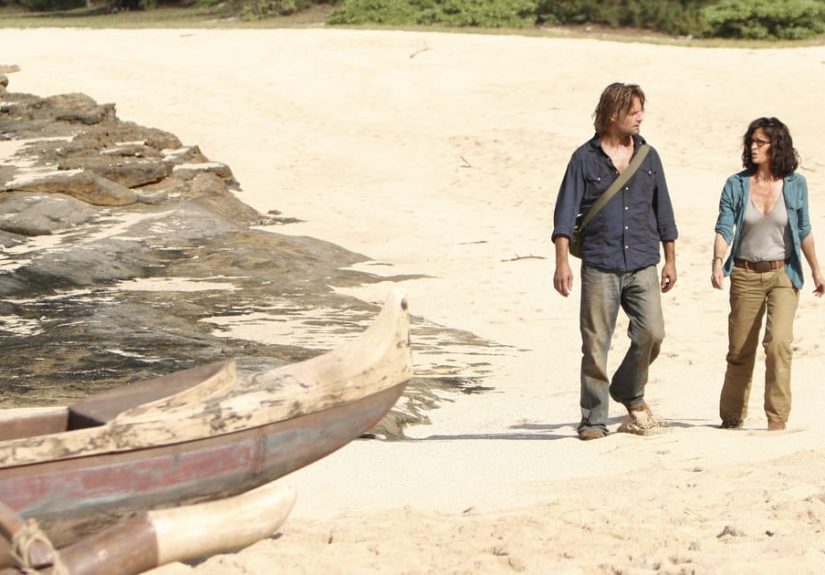
You can’t talk about TV shows about plane crashes without starting with Lost. The series
opens with Oceanic Flight 815 breaking apart midair and crash-landing on a tropical island that seems
determined to mess with the survivors as much as possible smoke monsters, strange hatches, time travel,
and ethically questionable “Others” included.
Why it still defines the subgenre
Beyond the iconic crash sequence, Lost uses the disaster as a launchpad for character-driven storytelling.
Each episode digs into a survivor’s past, then smashes it against the moral dilemmas of staying alive in the present.
The show also popularized the idea that a plane crash doesn’t just strand people physically it exposes secrets,
forces unlikely alliances, and asks who you become when civilization falls away.
Watch it for: big mysteries, wild twists, emotional gut-punches, and enough “I need to talk about this episode”
moments to fuel a group chat for weeks.
2. Yellowjackets (2021– )
If Lost is weird and philosophical, Yellowjackets is “what if the plane crash story went full
psychological horror?” The series follows a high school girls’ soccer team whose plane crashes in the wilderness in 1996,
stranding them for 19 brutal months and then jumps 25 years forward to show how the survivors cope with the trauma,
secrets, and possible cannibalism that unfolded out there.
Why it stands out
The genius of Yellowjackets is its dual timeline: in the past, we see the descent into primal survival; in the present,
we watch middle-aged women trying very hard (and failing) to pretend they are normal. The crash isn’t just an event
it’s a wound that never closes. Add in ‘90s needle drops, sharp writing, and a powerhouse cast, and you’ve got one of the
most unsettling yet addictive plane-crash shows ever made.
3. Manifest (2018–2023)
Manifest flips the usual plane-crash trope: Montego Air Flight 828 doesn’t crash… it disappears. When it
finally lands, the passengers discover that five and a half years have passed, and the world has moved on without them.
To everyone else, they were presumed dead in a mysterious aviation disaster. Now they’re back and hearing strange
“callings” that pull them into moral and supernatural dilemmas.
Why it’s worth boarding
Instead of survival on an island, Manifest explores what it means to survive time itself. The show mixes family drama
with conspiracy thriller and spiritual mystery: shadowy government agencies, intricate mythology, and a central question
did the passengers cheat death, or are they on borrowed time? It’s ideal if you like your plane disasters served with
prophecy and puzzle-box plotting.
4. The Wilds (2020–2022)
In The Wilds, a group of teenage girls from different backgrounds survive a plane crash and wash up on a
deserted island. What looks like a standard survival story slowly reveals a chilling twist: the crash and their stranding
weren’t an accident at all, but part of a large-scale social experiment.
Why it’s more than “teen Lost”
The show balances sharp social commentary with real emotional stakes. Each girl’s backstory shows the fractures that existed
in their lives long before the plane went down, while the island becomes a pressure cooker for friendship, rivalry, trauma,
and questions of power. The result is a blend of survival thriller, coming-of-age drama, and psychological experiment gone
way too far.
5. Wrecked (2016–2018)
Need a break from trauma and existential dread? Wrecked is basically what happens when someone watches
Lost and says, “This would be hilarious if everyone was slightly more useless.” The TBS sitcom follows a group of
mismatched survivors after their commercial flight crash-lands on a remote island, parodying survival drama tropes with
absurdist humor and deliberately chaotic decision-making.
Why you’ll laugh instead of scream
The plane crash sets up gag after gag about modern people suddenly deprived of Wi-Fi, streaming, and DoorDash. Leadership
crises, ridiculous power struggles, and overly dramatic backstories make the island feel less like a death trap and more
like the world’s worst corporate retreat. It’s a perfect palate cleanser if serious crash dramas are getting a little heavy.
6. The Last Frontier (2025– )
Apple TV+’s The Last Frontier takes the crash premise into icy territory. A prison transport plane goes down
in the Alaskan wilderness, releasing dangerous inmates into a small, isolated community. U.S. Marshal Frank Remnick must
track the escapees, unravel whether the crash was an accident or sabotage, and confront his own buried trauma.
Why it’s a fresh spin on the trope
Here, the plane crash is less about survival in the wild and more about the spreading chaos afterward. The show blends
thriller, mystery, and character drama, with the downed plane acting as a catalyst for a wider conspiracy and tense
cat-and-mouse games in the snow. Think: Con Air crash energy meets prestige TV.
7. Departure (2019–2023)
Departure is a conspiracy thriller built around every frequent flier’s nightmare: a passenger plane vanishes
over the Atlantic, and an elite investigator, Kendra Malley, is called in to find out what happened before any survivors
if they exist run out of time.
Why mystery lovers should watch
Rather than focusing on stranded survivors, the series digs into black-box data, corporate secrets, political pressures, and
messy human motives. Every suspect from pilots to CEOs to intelligence agencies might be hiding something. It’s equal
parts aviation procedural and high-stakes thriller, ideal if you like puzzle-box shows grounded in investigation rather than
supernatural twists.
8. Mayday / Air Crash Investigation (2003– )
Under the titles Mayday and Air Crash Investigation, this long-running Canadian docudrama
dissects real aviation disasters, using interviews, expert analysis, and dramatic reenactments to explain how and why specific
crashes happened.
Why it’s essential for aviation nerds
The show turns each crash into a forensic mystery: subtle mechanical failures, human error, flawed procedures, or freak
weather events. Rather than sensationalizing tragedy, it highlights how investigations lead to safety improvements that make
flying statistically safer over time. It’s intense, but also oddly reassuring every mistake becomes a lesson for future flights.
9. Air Disasters (2011– )
Air Disasters, a Smithsonian Channel series, walks viewers through major plane crashes and near-misses,
mixing cockpit recordings, CGI recreations, and expert commentary to reconstruct what went wrong and how disaster might
have been prevented.
Why it pairs perfectly with Mayday
If you like Mayday, this is its natural companion. Episodes dig deep into specific incidents, highlighting how
tiny oversights can trigger massive consequences and how investigators painstakingly piece together clues after the fact.
It’s bingeable, educational, and occasionally nerve-wracking enough to make you triple-check your seatbelt.
10. MH370: The Plane That Disappeared (2023)
Netflix’s MH370: The Plane That Disappeared explores one of the most haunting aviation mysteries of the
21st century: the 2014 disappearance of Malaysia Airlines Flight 370. Combining interviews with families, journalists, and
experts, the series looks at competing theories and the emotional toll of a tragedy with no clear ending.
Why it hits differently
Unlike scripted shows where answers eventually arrive, MH370 remains unresolved. The documentary leans into that uncertainty,
showing how a missing plane can generate grief, suspicion, misinformation, and obsession. It’s less about spectacle and more
about the human cost of not knowing what happened.
11. A Tragedy Foretold: Flight 3054 (2025)
A Tragedy Foretold: Flight 3054 is a three-part documentary series that examines the deadliest air disaster
in Latin American history the crash of TAM Flight 3054 in São Paulo. It focuses on survivors, investigators, and the families
left behind as they piece together how systemic failures paved the way for catastrophe.
Why it belongs on this list
The series shows that a “plane crash story” doesn’t end when the wreckage is cleared. It follows the long tail of accountability:
regulatory gaps, corporate decisions, infrastructure problems, and the legal and emotional aftermath. If you’re drawn to
investigative storytelling grounded firmly in reality, this is a must-watch.
12. Erebus: The Aftermath (1987)
Erebus: The Aftermath is a New Zealand docudrama mini-series about the investigation into Air New Zealand
Flight 901, which crashed into Mount Erebus in Antarctica in 1979. Instead of recreating the crash in gory detail, it focuses
on the Royal Commission of Inquiry that followed and the battle to uncover whether the disaster was caused by pilot error,
corporate negligence, or something more complex.
Why it’s quietly devastating
The series explores institutional responsibility, cover-ups, and the moral weight of assigning blame after tragedy. It’s a powerful
reminder that behind every aviation disaster are not just technical questions but ethical ones: who knew what, and who is brave
enough to say it out loud?
13. High & Dry (2018)
On the lighter side again, High & Dry is a British sitcom about five survivors of a plane crash in the
Indian Ocean, stranded on a remote island with a flight attendant whose grip on reality is… let’s say “loose.”
Why it’s perfect if you like awkward humor
Rather than noble heroes bravely battling the elements, you get petty arguments, cringey attempts at leadership, and one
steward with disturbingly elaborate fantasies about how island life should go. It’s a small, weird, and very human take on
the “we survived a crash” premise, especially if you enjoy dark, uncomfortable comedy.
14. Nine Bodies in a Mexican Morgue (2025– )
This recent thriller series centers on survivors of a mysterious plane crash whose bodies later appear in a Mexican morgue
and yes, things get just as twisty as that setup sounds. As authorities investigate what really happened to the flight, we see
shifting alliances, secrets, and murder among the survivors.
Why it’s your next gripping binge
The show uses the crash as a narrative hook, then leans hard into whodunit territory. Each episode reveals a little more about
what happened on the flight, why certain people wanted it to go down, and who’s lying now to keep the truth buried. Think of it
as a murder mystery wrapped inside a plane disaster, wrapped inside a conspiracy.
How These Shows Tap Into Our Fear and Curiosity
Whether fictional or documentary, all these series revolve around the same unsettling idea: something goes catastrophically wrong
in a situation we’re told is safe and routine. They tap into a primal fear of losing control but they also satisfy a deep curiosity
about cause and effect. What failed? Who made a bad call? Could this happen again?
At their best, plane-crash shows do more than traumatize your next boarding experience. They explore leadership and group dynamics,
grief and guilt, corporate responsibility, and the thin line between luck and tragedy. And, occasionally, they remind us that even
in the worst situations, people still crack jokes, form unlikely friendships, and argue over the dumbest things while the universe
is on fire around them. Very relatable, minus the whole flaming-aircraft part.
Experiences and Takeaways from Watching Plane-Crash TV
Spend enough time with these 14 shows, and you start to notice some patterns not just in how writers structure a good
plane-crash story, but in how you, as a viewer, respond to it.
1. You become weirdly interested in aviation
After a few episodes of Mayday or Air Disasters, you might find yourself casually dropping phrases like
“cockpit voice recorder,” “controlled flight into terrain,” or “angle of attack” into everyday conversation, as if you’ve just
picked up a minor in aeronautical engineering. The docuseries make the technical side digestible, and suddenly you care deeply
about how de-icing works and why checklists are sacred.
2. You see crisis leadership differently
From Jack in Lost to the investigators in Departure and The Last Frontier, these shows constantly
ask: who steps up, and who falls apart, when everything goes wrong? You watch characters misjudge risks, make heroic sacrifices,
hoard resources, or build fragile little communities from airplane wreckage and personality flaws. It’s hard not to reflect on
how you might react in a crisis and which kind of leader you’d actually want in charge.
3. You realize survival is about more than food and shelter
Yellowjackets, The Wilds, and Wrecked all show that once the immediate danger passes, the real
survival game is psychological. People can handle hunger and cold for a while but unresolved trauma, guilt, and power struggles
can eat a group alive from the inside out. These shows become case studies in how communities form, fracture, and sometimes
rebuild after shared disaster.
4. You start spotting the red flags in travel scenes
Once you’ve seen enough fictional crashes and real investigations, your brain cannot watch a “normal” TV flight scene the same way.
Turbulence? Suspicious. Overly friendly pilot monologue? Suspicious. Random cutaway to a wing flap? Extremely suspicious. The upside:
you become very aware of how much effort goes into keeping real flights safe because the shows repeatedly highlight how rare it is
for everything to go that wrong.
5. You gain empathy for the people behind real disasters
The scripted series channel our emotions through fictional characters, but the docuseries and true-story adaptations like
MH370: The Plane That Disappeared, A Tragedy Foretold: Flight 3054, and Erebus: The Aftermath
remind us that aviation “incidents” are not just statistics. They’re worlds that ended for someone. Families, investigators,
and even crew members carry those scars for decades. It’s impossible not to come away with a deeper respect for the people who
turn pain into lessons that keep others safe.
6. You learn how to pace your own viewing “emergency procedures”
If you plan to binge several of these shows, it helps to build your own little emotional safety plan: alternate a heavy true-crime
episode with something lighter like Wrecked or High & Dry, don’t watch three crash reenactments at
2 a.m. the night before a flight, and remember that real-world aviation safety has improved precisely because investigators
obsess over the disasters you’re watching. It’s okay to love this genre and still prefer a window seat.
In the end, plane-crash TV isn’t just about catastrophe. It’s about what people do afterward how they fight, grieve, investigate,
rebuild, and sometimes even laugh again. That’s why these 14 shows stick with you long after the smoke clears.