Table of Contents >> Show >> Hide
Cyber Monday 2025 was not subtle. It did not tiptoe into our browsers wearing sensible shoes and whisper, “Maybe buy one practical thing.” No, it kicked down the digital door, threw markdowns across tech, home, beauty, toys, and streaming subscriptions, and dared shoppers to act like they had self-control. Spoiler: many of us did not.
But the best Cyber Monday deals 2025 were not simply the loudest discounts with the biggest red font. The real winners were deals that combined meaningful price drops, trusted products, good return policies, fast shipping, and enough inventory to avoid the dreaded “Sorry, this deal ended while you blinked.” The smartest shoppers were not just looking for a cheap price. They were looking for value.
That is what made Cyber Monday 2025 interesting. The biggest bargains were not limited to one retailer or one product type. Amazon pushed a long runway of deals into Cyber Monday. Walmart came in hard with broad markdowns and membership perks. Target turned convenience into part of the deal itself, while Best Buy stayed true to form by making tech lovers stare at tabs for hours like it was an Olympic event.
If you want the short version, here it is: the best Cyber Monday deals in 2025 showed up in electronics, smart home gear, vacuum cleaners, kitchen appliances, toys, beauty bundles, winter fashion, and low-cost add-ons under $50. If you want the better version, with strategy, context, and a little shopping therapy disguised as analysis, keep scrolling.
Why Cyber Monday 2025 Stood Out
Cyber Monday 2025 was less about one magical Monday and more about a full digital shopping marathon. Retailers started early, extended deals late, and layered on app exclusives, loyalty rewards, cardholder savings, and personalized recommendations. The event felt less like a sale and more like a week-long chess match between shoppers and checkout timers.
That shift mattered. It meant shoppers had more time to compare prices, but it also meant more chances to impulse-buy a robot vacuum, a set of headphones, and three throw blankets because “they were basically free.” They were not basically free. They were just discounted in a very convincing way.
What also defined Cyber Monday 2025 was the blend of old-school discounts and new-school shopping tools. AI-assisted browsing, curated deal recommendations, and retailer membership programs became part of the mainstream experience. Convenience was not a side benefit anymore. It was part of the pitch.
The Best Cyber Monday Deal Categories in 2025
1. Tech Deals That Actually Felt Worth the Click
If Cyber Monday has a spiritual home, it is still tech. And in 2025, the category delivered. Shoppers saw strong discounts on laptops, earbuds, TVs, smartwatches, tablets, gaming accessories, smart home cameras, and streaming devices. Some of the most talked-about examples across major deal roundups included Apple gear, LG OLED TVs, smart doorbells, soundbars, e-readers, and wearables.
What made the best tech deals stand out was not merely percentage off. It was timing. When a current-generation device hit a new low or a near-record-low price, that was the signal shoppers looked for. Discounts on AirPods, Apple Watch models, Kindle devices, Pixel wearables, and premium TVs drew attention because they hit products people already wanted, not weird mystery gadgets no one asked for.
In practical terms, the strongest Cyber Monday 2025 tech deals fell into three buckets: premium devices with modest but meaningful markdowns, midrange gadgets with aggressive discounts, and accessories under $100 that made gift buying much easier. That last group was sneaky powerful. Chargers, trackers, Bluetooth speakers, streaming sticks, and budget headphones became the cart-fillers of the season.
2. Home Deals Were a Quiet Monster
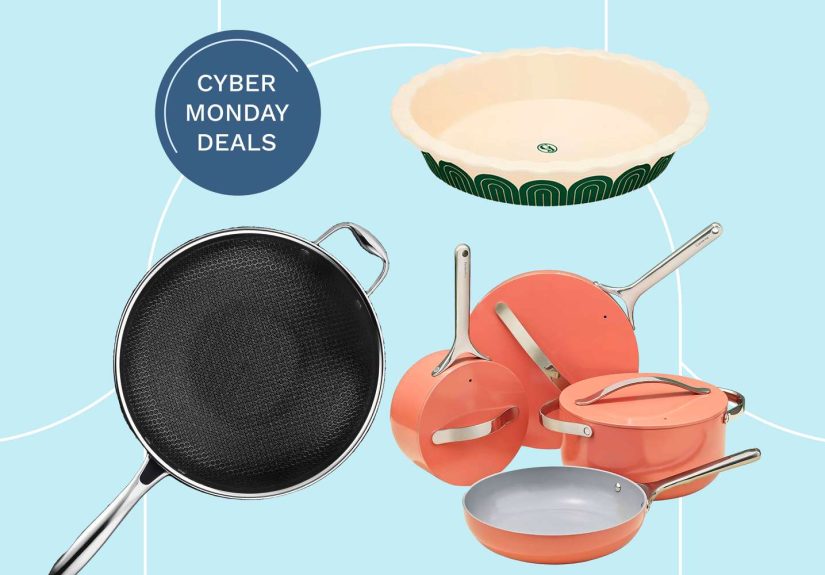
Home deals were everywhere in 2025, and frankly, they had range. Cyber Monday shoppers could save on vacuums, air fryers, cookware, coffee makers, bedding, rugs, furniture, mattresses, and cleaning tools. If your house had a floor, a countertop, or a corner capable of collecting dust, there was probably a markdown aimed at it.
Vacuums were a standout story. Shark, Dyson, Bissell, and Eufy repeatedly surfaced in top deal lists. That made sense: home-cleaning tools are practical, giftable in an aggressively adult way, and the discounts tend to feel substantial enough to justify the purchase. The same was true for kitchen appliances. Mixers, blenders, toaster ovens, and multicookers had the exact kind of “I should upgrade this eventually” energy that Cyber Monday turns into “I bought it at 11:42 p.m.”
Mattresses and bedding also had a strong showing. For shoppers willing to spend more, Cyber Monday 2025 offered some of the season’s more serious savings in sleep products. For everyone else, towels, sheets, comforters, and home basics gave shoppers easier entry points into the sale frenzy without needing to explain to their bank account why a couch suddenly arrived.
3. Beauty and Fashion Kept the Momentum Going
Beauty was not an afterthought in Cyber Monday 2025. It was a full-blown event. Retailers and editorial shopping teams highlighted markdowns on skincare, makeup, fragrance, hair tools, and beauty bundles, often with price cuts that were more generous than what shoppers see during ordinary seasonal promotions.
Hair tools and prestige beauty brands were especially strong performers. The best deals often mixed known brands with gift-ready sets, which made them useful for both self-indulgence and holiday shopping. In other words, “This serum is for my sister” became one of the season’s least believable sentences.
Fashion followed a similar pattern. Cozy basics, activewear, winter boots, travel bags, pajamas, and brand-name loungewear dominated deal roundups. The best Cyber Monday fashion deals were not about flashy runway pieces. They were about wearable staples that felt relevant right now and still useful in January.
4. Toys, Gifts, and Under-$50 Finds Won the Volume Game
Not every shopper was hunting for a giant OLED TV or a premium espresso machine. A huge part of Cyber Monday 2025 revolved around budget-friendly wins. Under-$25 and under-$50 guides were everywhere for a reason: shoppers wanted low-risk deals that felt smart, useful, and giftable.
This category included toys, LEGO sets, water bottles, beauty minis, socks, candles, phone accessories, travel gadgets, and small kitchen tools. These were the deals that padded out gift lists, solved stocking-stuffer problems, and made people feel productive without spending a fortune. There is something oddly soothing about checking five names off a holiday list with one reasonably priced order and a coupon code.
5. Subscription Deals Became Part of the Conversation
One of the more interesting Cyber Monday 2025 trends was the visibility of subscription and streaming deals. Shoppers were not only buying physical goods. They were locking in discounts on digital services, learning platforms, and entertainment bundles.
That matters because it reflects how shopping priorities have shifted. Value is no longer only about products you can unbox. It is also about services you can use all year. A discounted streaming package or online membership may not photograph as nicely as new headphones, but from a budgeting standpoint, these deals often packed real long-term value.
The Retailers That Defined Cyber Monday 2025
Amazon: The Empire of Endless Tabs
Amazon treated Cyber Monday 2025 like the final act of a much longer performance. By the time Monday arrived, shoppers had already been swimming through days of discounts. That strategy worked because Amazon thrives on momentum. It kept fresh deals rotating while leaning on major categories like home, tech, beauty, apparel, and toys.
The best part of the Amazon approach was depth. There was something at nearly every price point. The worst part was also depth. Finding the truly best deal often required patience, comparison shopping, and enough browser stamina to earn a medal.
Walmart: Big-Box Energy, Internet Edition
Walmart’s Cyber Monday strategy in 2025 was broad, aggressive, and very online. It mixed recognizable brands with price-driven value, especially in home, kitchen, toys, and accessible tech. Early access for Walmart+ members added urgency, and extended deal windows gave late shoppers a second chance.
Walmart worked especially well for practical shoppers. If Amazon felt like a giant digital bazaar, Walmart felt more like a focused mission to save money on things your household will genuinely use.
Target: Convenience as a Competitive Advantage
Target leaned into convenience, personalization, and digital shopping tools in a way that felt very 2025. Deals mattered, of course, but so did the shopping experience. Same-day options, pickup flexibility, Circle perks, and a smoother browsing flow helped Target stay competitive in a crowded field.
Target’s appeal was especially strong for shoppers balancing gift buying with household errands. It is hard to overstate how appealing it is to grab pajamas, headphones, wrapping paper, and a coffee maker without making the process feel like a small clerical job.
Best Buy: Still the Tech Specialist
Best Buy remained one of the most important destinations for serious tech shoppers. When shoppers wanted laptops, TVs, gaming gear, tablets, and major electronics, Best Buy stayed on the shortlist. Its best Cyber Monday deals were often less random and more focused, which made it easier to shop with purpose.
If Amazon is the everything store, Best Buy is the “I know what I want and I want to compare it by screen size, processor, and panic level” store.
How to Tell a Great Cyber Monday Deal from a Loud One
The best Cyber Monday deals 2025 were not always the highest percentages. Sometimes a 20% discount on a current, well-reviewed product was far better than a 60% discount on something destined to collect dust by New Year’s Day.
Here is the smarter way to judge a deal. First, ask whether the item was already on your radar before the sale. Second, check whether the product is current, trusted, and well reviewed. Third, look at shipping speed, return policies, and whether the retailer is bundling perks like free pickup, rewards, or card savings. Finally, ask the most dangerous question in shopping: would you still want this item if it were not on sale?
If the answer is no, congratulations. You have just saved 100%.
Shopping Tips for Cyber Monday Success Next Time
Start with categories, not retailers. Decide whether you are shopping for tech, home, gifts, or beauty first. That keeps you from wandering into a sea of “deals” and emerging three hours later with a milk frother you never needed.
Set a ceiling before the sale starts. Not a vague intention. A real number. Cyber Monday has a special talent for turning “I need one thing” into “I saved so much money that I spent twice as much.”
Use wish lists and screenshots. Save the exact products you want ahead of time so you can act fast when prices move. This is especially helpful for limited-inventory items like popular headphones, current Apple gear, and hot toy releases.
Do not ignore the small deals. Budget accessories, gift sets, and under-$50 items often provide the best ratio of usefulness to dollars spent. Cyber Monday is not only for big-ticket drama.
Extra: The Experience of Cyber Monday 2025
Cyber Monday 2025 felt different from older versions of the event. Years ago, the vibe was simple: wake up, open a few websites, and try to beat the clock. In 2025, the experience felt more layered, more personalized, and a little more relentless. The sale had already started before Monday officially arrived, and by the time shoppers sat down with coffee and a plan, dozens of deals had already been circulating for days.
That changed the emotional rhythm of shopping. Instead of a single burst of urgency, there was a low-grade tension that lasted all weekend. Shoppers kept asking the same questions: Is this the lowest price? Should I buy now? Will it drop again tonight? Did I just miss a better version of this deal yesterday? Cyber Monday became less like a sprint and more like a rolling strategy game where the prizes were AirPods, throw blankets, and affordable countertop appliances.
There was also a noticeable divide between browsing and buying. Lots of people browsed for entertainment, almost like Cyber Monday was its own form of holiday content. You could spend an hour scrolling editor-curated lists, checking “best under $50” pages, comparing retailer perks, and never actually place an order. The deal hunt itself became part hobby, part sport, part financial decision-making exercise.
For actual buyers, the experience was shaped by convenience. Fast shipping, same-day pickup, flexible returns, loyalty discounts, and card perks mattered almost as much as the markdown itself. In previous years, a lower price might have been enough to win. In 2025, shoppers seemed more willing to choose the easier checkout, the faster pickup, or the retailer with the better return window, even if the difference in price was small. Value had clearly evolved beyond the sticker.
Another big part of the experience was the emotional split between practical shopping and fun shopping. Many Cyber Monday carts in 2025 looked hilariously mixed. A shopper might buy a discounted vacuum, a pack of batteries, two toys for nieces and nephews, a serum they had been eyeing for months, and a streaming subscription they absolutely did not need but felt very pleased about. It was not chaotic in a bad way. It was chaotic in a modern, holiday-season, open-too-many-tabs kind of way.
And then there was the classic Cyber Monday aftertaste: the combination of triumph and suspicion. Triumph because you locked in a great price. Suspicion because you immediately wondered whether the item would be even cheaper by Wednesday. That is part of the tradition now. A good Cyber Monday shopper in 2025 did not need absolute certainty. They just needed enough confidence to click “place order” and walk away before another “limited-time deal” tried to seduce them into buying a third pair of wireless earbuds.
In that sense, Cyber Monday 2025 was a perfect snapshot of how Americans shop now. We want a deal, yes, but we also want speed, flexibility, trust, relevance, and just enough excitement to make buying dish towels feel like a victory. Weirdly enough, it worked.
Conclusion
The best Cyber Monday deals 2025 were not confined to one store or one flashy headline. They lived across the categories people actually cared about: tech that improved everyday life, home upgrades that solved real annoyances, beauty and fashion staples that felt giftable and useful, and lower-cost finds that made budgets stretch further without feeling cheap.
If there was one lesson from Cyber Monday 2025, it was this: the smartest deal is not necessarily the biggest discount. It is the purchase that gives you the most value after the sale banners disappear. That means buying with a plan, comparing with a cool head, and remembering that “limited time” is only exciting when the item itself is worth owning.
Cyber Monday will always be noisy. That is part of its charm. But in 2025, the best deals rewarded shoppers who could separate genuine value from digital confetti. And honestly, that may be the most satisfying discount of all.