Table of Contents >> Show >> Hide
- Why Warm, Natural Wood Is Winning
- What the Trend Actually Looks Like
- Wide Planks, Narrow Boards, and the Great Flooring Debate
- Why Designers Love This Trend in Real Rooms
- How to Bring the Trend Home Without Making a Costly Mistake
- What to Avoid If You Want the Look to Last
- Specific Examples of Where This Trend Shines
- Experience and Real-World Takeaways From This Flooring Trend
- Conclusion
For years, floors were treated like the stage crew of interior design: essential, hardworking, and rarely allowed to steal the spotlight. Not anymore. Designers are talking about flooring with the same intensity once reserved for statement lighting, sculptural sofas, and kitchen islands big enough to host Thanksgiving and a minor diplomatic summit.
The trend getting the most buzz right now is warm, natural wood flooring. Not cold gray boards that make a room feel like it is auditioning for a tech startup. Not ultra-gloss surfaces that look fabulous for seven minutes and then immediately show every sock print, dust bunny, and dog-related crime. The new favorite is softer, warmer, and more grounded. Think natural oak tones, richer mid-browns, visible grain, matte or satin finishes, and layouts that feel intentional instead of mass-produced.
In other words, flooring is becoming less about chasing a showroom-perfect look and more about creating rooms that feel lived in, layered, and quietly beautiful. Designers love this direction because it works across styles. Homeowners love it because it feels timeless without being boring. And honestly, your furniture loves it too, because everything looks better when it is not sitting on an expanse of chilly, gray sadness.
Why Warm, Natural Wood Is Winning
The biggest shift in flooring is emotional as much as visual. Homes are moving away from stark minimalism and toward comfort, texture, and a stronger connection to natural materials. Flooring sets the tone for all of that. A warm wood floor instantly makes a space feel more welcoming, more layered, and more human. It softens modern architecture, complements traditional details, and gives even brand-new homes a sense of permanence.
That is why designers keep returning to natural wood looks, especially white oak, oak-inspired tones, honeyed browns, nutty mid-tones, and moodier wood stains that still let the grain show through. The appeal is not that every room must look rustic. It is that natural-looking floors bring in warmth without demanding attention. They are calm, confident, and far more flexible than trendier finishes that date themselves the moment the next Pinterest mood swing arrives.
Another reason this trend has taken off is that people want materials that age gracefully. A natural wood floor tends to collect character instead of looking ruined the first time real life happens on it. A tiny scratch on a floor with visible grain and a softer sheen often reads as normal wear. A tiny scratch on a high-gloss dark floor can feel like a personal insult.
What the Trend Actually Looks Like
Warm tones instead of icy gray
The gray floor era had a long run. It matched everything, photographed well, and delivered that cool-toned modern look many homeowners wanted. But eventually it started feeling a bit too sterile, especially as the rest of design shifted toward earthy colors, warmer paint palettes, richer woods, and softer textiles.
Today’s flooring trend leans into color that feels closer to nature. That can mean pale oak with creamy undertones, honey oak that has been updated for modern interiors, soft walnut-inspired browns, or medium tones that sit comfortably between blonde and espresso. The key is warmth. Designers are not chasing orange floors from decades past, but they are absolutely embracing woods that feel sunlit, organic, and alive.
Matte and satin finishes instead of high gloss
If warm wood is the face of the trend, low-sheen finish is the personality. Designers are favoring matte and satin finishes because they let the material look more natural. The grain becomes the star. The floor feels relaxed instead of flashy. The room gets depth without the reflection of a bowling alley at closing time.
This also has a practical side. Lower-sheen floors usually do a better job of hiding dust, footprints, and everyday wear in busy households. They look sophisticated, but not precious. That balance matters in real homes, especially when the goal is not just beauty for reveal-day photos, but beauty that still feels good on a random Tuesday when someone has spilled cereal and the dog is sprinting through the hallway for no clear reason.
Character over cookie-cutter perfection
Designers are also choosing floors with a little more personality. That may show up as visible knots, wire-brushed texture, subtle tonal variation, or planks that do not look stamped out by a robot with trust issues. The modern approach is polished, but not sterile. People want authenticity, and flooring is one of the fastest ways to bring it into a room.
This is also where pattern comes in. Herringbone, chevron, and other classic layouts are back in the conversation, especially in foyers, dining rooms, powder rooms, and kitchens where homeowners want architectural interest underfoot. The look is more curated than trendy. It adds movement and craftsmanship without requiring a neon sign that says, “Please admire my floor now.”
Wide Planks, Narrow Boards, and the Great Flooring Debate
One of the more interesting details inside this broader trend is that designers do not all agree on plank width. Many still love wide-plank flooring because it feels airy, luxurious, and clean. Fewer seams can make a room feel more expansive, and wider boards show off grain beautifully. This is especially popular in open-plan homes, newer construction, and spaces aiming for a calm, architectural feel.
At the same time, some design pros are reviving narrower boards in older homes or historically inspired interiors. Why? Because slimmer planks can feel more classic, more tailored, and more connected to traditional craftsmanship. So while warm natural wood is the headline trend, the exact width depends on the story of the house.
A smart rule of thumb is this: let the architecture choose. Large, open, modern spaces often look fantastic with wider planks. Smaller homes, older homes, or rooms with lots of detail may benefit from more traditional board widths. The trend is less about one magic measurement and more about choosing wood flooring that feels believable in the space.
Why Designers Love This Trend in Real Rooms
It makes open-concept spaces feel grounded
Open layouts can easily drift into “beautiful but slightly airport lounge” territory if every surface feels smooth, pale, and anonymous. Warm wood flooring fixes that. It gives the eye a continuous thread, connects different zones, and adds enough texture to keep the space from feeling flat. In kitchens that open to family rooms, this kind of flooring helps everything feel unified without becoming visually sleepy.
It plays well with almost every style
One of the reasons designers cannot stop talking about this flooring trend is because it is wildly adaptable. In a modern home, it softens steel, glass, and stone. In a cottage-style space, it enhances the cozy factor. In a traditional interior, it feels classic rather than nostalgic. In a Scandinavian-inspired room, it keeps the palette natural and serene. It is the rare design move that can support a minimalist room, a collected room, and a slightly chaotic room owned by someone who swears all those baskets are part of the aesthetic.
It helps expensive things look expensive
There is a quiet luxury aspect to this trend that designers appreciate. Warm, natural flooring does not scream for attention, but it makes everything placed on top of it look more intentional. Upholstery looks richer. Cabinetry feels more custom. Even a simple vintage table gets more presence. A good floor is like great lighting at a dinner party. You are not always focused on it, but it is doing an incredible amount of work.
How to Bring the Trend Home Without Making a Costly Mistake
Choose the right wood look for your lifestyle
If you love the appearance of hardwood but need more stability in a condo, basement-adjacent space, or room with changing humidity, engineered wood may be the smarter choice. It can deliver the same overall look while handling certain conditions better than solid hardwood. For families who want the warmth of wood in the kitchen, this can be a very useful compromise.
If moisture resistance is a major concern, some homeowners also turn to high-quality wood-look options. Still, the design conversation right now strongly favors finishes that look authentic rather than obviously synthetic. So if you go that route, realism matters. Cheap-looking faux grain can ruin the whole effect faster than a fake plant in a luxury bathroom.
Pick undertones carefully
Not all warm wood is the same. Some floors lean golden, some lean taupe, some lean caramel, and some move toward cocoa or chestnut. Before choosing, look at your cabinets, wall color, upholstery, and natural light. The goal is not a perfect match. It is harmony. A floor should support the room, not accidentally start a color feud with your kitchen island.
Do not overdo the pattern
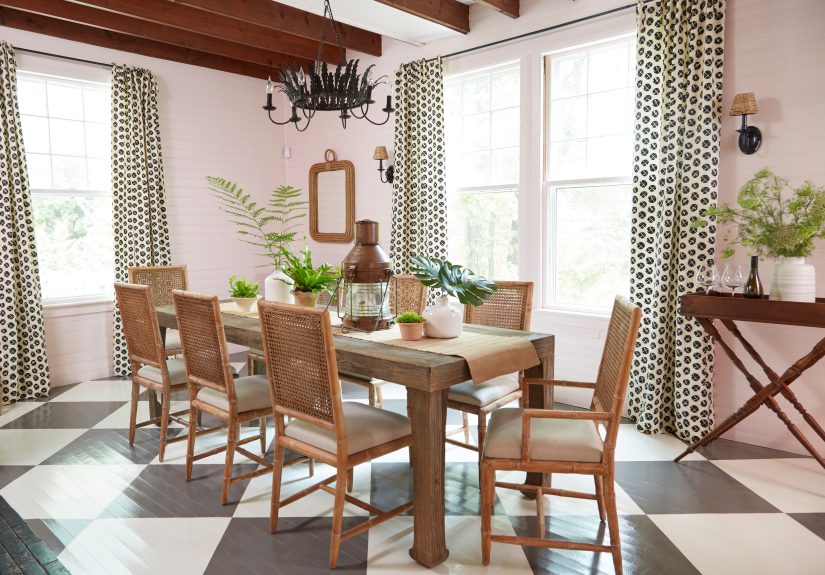
Herringbone and checkerboard details are beautiful, but they do not need to appear in every room unless your goal is for guests to become unexpectedly dizzy. Pattern works best when used strategically. An entryway, butler’s pantry, powder room, or dining area can be the perfect place for something more decorative, while the rest of the house stays grounded in simpler plank flooring.
Think long-term, not just trend-first
The good news is that this flooring trend is more durable stylistically than many recent ones because it is rooted in timeless principles: natural material, practical finish, visual warmth, and architectural fit. Still, the best choice is the one that works with your home five years from now, not just this season’s mood board. Designers may be talking about warm floors now, but the reason they will keep working is because they feel enduring rather than gimmicky.
What to Avoid If You Want the Look to Last
If you are aiming for this trend, there are a few common mistakes worth skipping. Extremely gray flooring can feel disconnected from the warmer direction many interiors are taking. Super-gloss finishes tend to fight the relaxed, organic mood designers want right now. Floors that look overly distressed or aggressively faux can also miss the mark, because the current trend is less “manufactured personality” and more “natural beauty with restraint.”
It is also wise to avoid choosing a floor in isolation. A sample board under store lighting can be dangerously persuasive. Bring samples home. Look at them in morning light, afternoon light, and evening light. Put them next to your cabinets and sofa. Flooring is not an accessory. It is a commitment with a mop.
Specific Examples of Where This Trend Shines
In kitchens, warm wood floors create a softer transition between cabinetry, countertops, and living spaces. They are especially effective when paired with painted cabinets in creamy white, muted green, soft mushroom, or warm greige. In living rooms, natural wood flooring adds quiet texture that lets rugs and furniture breathe. In bedrooms, a matte finish makes the room feel calmer and less formal. In entryways, patterned wood or wood-look layouts can create a memorable first impression without feeling overstyled.
Even in homes that mix materials, this trend has influence. A designer might use warm wood through the main living spaces, then bring in stone, brick, or checkerboard tile in mudrooms, baths, or utility spaces. The result feels layered and thoughtful. The floor plan tells a story instead of repeating the same sentence in every room.
Experience and Real-World Takeaways From This Flooring Trend
One of the most noticeable experiences people have with warm, natural wood flooring is how quickly a house starts to feel calmer. A room that once looked flat or cold can suddenly feel settled. Homeowners often describe it as a change they notice emotionally before they fully understand it visually. The floor is warmer, yes, but the entire room seems more relaxed. It is one of those rare updates that can make even familiar furniture look newer, softer, and more expensive without buying a single extra chair.
Another common experience is surprise at how much finish matters. Many people assume color is the whole story, but once they see a matte or satin floor installed, the difference becomes obvious. The room stops feeling shiny and “done up” and starts feeling natural. Morning light looks better on it. Pet hair does not seem to announce itself with a marching band. Everyday life becomes a little more forgiving, which is a very underrated luxury.
Designers also talk about how this trend changes the way people use rooms. Warm flooring tends to make open-plan areas feel more connected, so kitchens blend better into living rooms and dining areas. That can subtly encourage a more comfortable, less formal lifestyle. People linger longer. Spaces feel less like display zones and more like actual homes. It is a design choice that supports real living instead of fighting it.
There is also a practical lesson many homeowners learn during renovation: the “perfect” sample is not always the best installed floor. A tiny board with a dramatic grain or a very trendy undertone can be exciting in the store, but over a whole house it may feel loud. The most successful results usually come from floors with enough variation to feel alive, but not so much variation that every plank tries to become the main character. Flooring works hardest when it is confident, not attention-seeking.
People restoring older homes often have a particularly strong reaction to this trend because it helps them bridge old and new. Warm wood floors can respect original architecture while still feeling current. They work beautifully with traditional trim, vintage furniture, and older layouts, but they also support cleaner styling and updated color palettes. That flexibility is part of the reason designers trust the trend. It can be tailored rather than copied.
In newer homes, the experience is slightly different. Warm flooring often adds the sense of soul that new construction sometimes lacks. It can reduce the showroom effect and make the house feel more rooted from day one. Pair it with textured rugs, earthy paint, and a few pieces with age or patina, and suddenly the space feels less like a model home and more like a place where someone might genuinely exhale.
There is also the budget experience, which is very real and very humbling. Many homeowners go into a flooring project thinking the main decision is color, only to discover that species, plank width, finish, installation pattern, subfloor condition, and transition details all have opinions of their own. The lesson most people come away with is simple: spend extra time choosing the floor, because once it is in, it influences everything else. Paint can be changed. Pillows can be replaced. Flooring tends to stay and quietly judge your later choices.
Perhaps the strongest takeaway is that this trend does not feel trendy in a bad way. It feels like a correction. People are returning to floors that look believable, comfortable, and architecturally appropriate. That is why designers keep talking about it. Warm, natural wood flooring is not just another surface update. It is a design reset that makes homes look better, feel better, and function better in the messy, beautiful reality of daily life.
Conclusion
The flooring trend designers cannot stop talking about is not a gimmick, a novelty pattern, or a one-season obsession. It is a broader return to warmth, authenticity, and livability. Warm natural wood floors, especially when paired with lower-sheen finishes and thoughtful installation choices, make homes feel grounded and current at the same time. They are versatile, flattering, and practical enough to survive beyond the next trend cycle.
If you are planning a renovation or simply daydreaming with suspicious intensity about replacing your floors, this is the direction worth considering. Choose wood tones that feel natural, finishes that feel relaxed, and details that suit the architecture of your home. Your floor does not need to shout. Right now, the most beautiful ones are the ones quietly saying, “Yes, this room finally makes sense.”