Table of Contents >> Show >> Hide
- Why Twin Photography Feels So Emotional
- The Art of Photographing Two Personalities
- Safety Comes First, Especially With Newborn Twins
- How I Prepare for a Twin Photo Session
- Favorite Twin Photo Ideas That Always Feel Meaningful
- What Twins Teach Me About Connection
- How Parents Can Prepare for Twin Photos
- Why These Photos Have a Special Place in My Heart
- More Personal Experiences From Photographing Twins
- Conclusion: The Beauty of the Other Half
There is a very specific kind of silence that happens when twins enter a photography studio. It is not actually quietlet’s be honest, there may be two babies, two toddlers, two snack negotiations, and at least one parent wondering why one tiny sock has vanished into another dimension. But underneath all the activity, there is a hush. A little pause. A sense that something rare is happening in front of the camera.
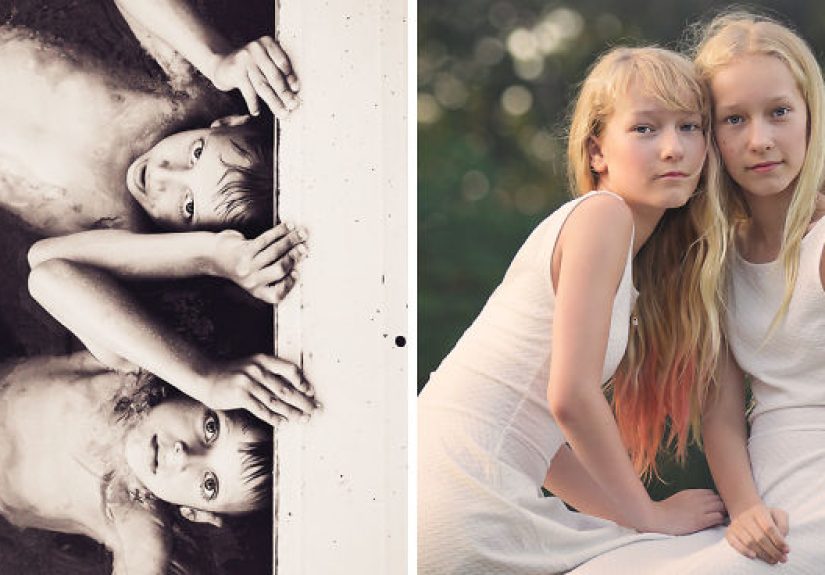
Photographing twins has always had a special place in my heart because twins seem to arrive with a built-in story. They are together before the rest of the world meets them. They share space, rhythm, family history, and sometimes a face that makes relatives squint and whisper, “Wait, which one is this?” Yet the longer I photograph twins, the more I realize the best twin portraits are not about making two children look the same. They are about showing how beautifully different they are while honoring the bond that connects them.
That is why I call this series “The Other Half.” Not because either twin is incomplete alone, but because twins often carry a visible reminder of connection. One reaches out; the other leans in. One studies the camera like a tiny detective; the other laughs as if the joke was delivered by a professional comedian hiding behind my lens. Together, they create a portrait that feels like a conversation.
Why Twin Photography Feels So Emotional
Every family portrait matters, but twin photography has a different emotional temperature. There is twice the tenderness, twice the curiosity, and yes, sometimes twice the chaos. Parents often arrive with the same mixture of pride and exhaustion. They want beautiful images, of course, but they also want proof that this wild, sleep-deprived, love-soaked season really happened.
Twins grow quickly. The newborn curl disappears, cheeks change, personalities become louder, and the tiny habit of sleeping forehead-to-forehead may last only a few weeks. A photograph catches what memory can blur. It saves the small details: matching wisps of hair, different hand shapes, one baby’s serious stare, the other’s soft smile, the way two siblings can look like mirror images one second and complete opposites the next.
For photographers, twins challenge us to become better observers. We cannot simply pose two children and call it a day. We have to watch for micro-moments: the protective hand, the synchronized yawn, the split-second glance that says, “I know you.” Those details are the gold. They are also why twin portraits can make even the most emotionally stable adult suddenly develop “allergies” in both eyes.
The Art of Photographing Two Personalities
The biggest mistake in twin photography is treating twins like a matching set of decorative bookends. Cute? Yes. Complete? Not even close. The most powerful twin photos balance togetherness with individuality.
One twin may be bold, wiggly, and ready to lead the session like a tiny CEO. The other may be quieter, more watchful, and deeply committed to judging my lighting setup. Both deserve to be seen. That means I always make time for portraits together and separate portraits of each child. The together images tell the story of their bond. The individual portraits say, “You are your own person, too.”
Small Details That Reveal Individuality
In a twin photography session, individuality often appears in details: different expressions, body language, favorite comfort items, or the way one child grips a parent’s finger while the other grabs a blanket like it owes them money. These are not distractions from the perfect photo. They are the perfect photo.
When twins are older, I like to ask simple questions before or during the session. Who is more likely to climb the couch? Who tells the jokes? Who needs a snack every 11 minutes? Parents usually laugh because the answers come fast. Those little personality notes help shape the session so the photos feel personal rather than generic.
Safety Comes First, Especially With Newborn Twins
Newborn twin photography is tender, beautiful work, but it must be handled with serious care. Babies should always be supported, comfortable, warm, and safe. No photograph is worth forcing a pose, rushing a baby, or ignoring the signs that a child needs a break.
Many dramatic newborn images seen online are created with careful composite editing, meaning multiple safe images are blended together so the final portrait looks polished without putting the baby at risk. This is especially important with twins because there are two tiny people to monitor at the same time. A responsible photographer keeps hands close, works slowly, watches breathing and skin tone, and allows feeding, diapering, soothing, and cuddling breaks whenever needed.
In my sessions, I prefer natural, baby-led posing. If both newborns curl naturally toward each other, wonderful. If one stretches out like a sleepy starfish and the other refuses to participate in my artistic vision, also wonderful. Babies do not owe us symmetry. Sometimes the “imperfect” image becomes the family favorite because it looks exactly like real life.
How I Prepare for a Twin Photo Session
Planning a twin session starts before anyone steps in front of the lens. I ask about the twins’ ages, routines, temperaments, favorite songs, comfort items, and whether there are any medical or sensory considerations. For newborns, I keep the setup calm and flexible. For toddlers, I prepare for movement. For older children, I leave room for ideas because twins often arrive with opinions, and occasionally those opinions involve superhero capes.
Lighting, Composition, and Connection
Soft light works beautifully for twin portraits because it flatters skin tones and keeps the mood gentle. I often use simple backgrounds so the connection between the children remains the main focus. When two faces are in the frame, composition matters. I look for balance without making the image feel stiff. One twin slightly higher than the other, hands touching, heads turned toward each other, or a shared blanket can create visual harmony without forcing identical posing.
Focus is also important. With two subjects, the photographer has to pay careful attention to depth of field so both children remain sharp when needed. In lifestyle sessions, I may let one twin fall slightly softer in the background if the image is about a moment of interaction. The technical choices should support the emotional story, not steal the spotlight.
Favorite Twin Photo Ideas That Always Feel Meaningful
Some twin photo ideas are popular for a reason. They help families remember the bond, the differences, and the humor of raising two children at once.
1. The Forehead-to-Forehead Portrait
This is a classic for newborn twins and young children because it shows closeness without needing anything fancy. When twins rest near each other, the image can feel peaceful and timeless. It says, “We started this journey together.”
2. The Side-by-Side Personality Shot
I love placing twins side by side and letting their expressions do the work. One may grin. One may glare. One may blink at the exact wrong time. Honestly, that is art. A side-by-side portrait can reveal how two children from the same family can bring completely different energy into the room.
3. The Hands and Feet Detail
Tiny hands, curled toes, matching bracelets, different birthmarks, and little fingers wrapped around each other create intimate images that families treasure. Detail shots are especially meaningful because they capture things parents may forget as children grow.
4. The Parent Sandwich
Parents holding both twins close is one of my favorite setups. It is warm, honest, and often hilarious. Someone is usually chewing on a sleeve. Someone else is looking away. But the love is unmistakable. The parent sandwich says, “This is our beautiful, busy, slightly sticky life.”
5. The Individual Portrait Pair
These images are designed to be displayed together but photographed separately. Each twin gets their own moment, their own expression, and their own visual identity. When placed side by side, the portraits create a lovely comparison without turning the children into copies.
What Twins Teach Me About Connection
Twins have taught me that connection is not always loud. Sometimes it is a glance. Sometimes it is one child calming when the other is nearby. Sometimes it is the way they reach for the same toy and then look personally betrayed by the laws of sharing.
But connection does not mean sameness. This is the lesson I return to again and again. The best twin photography celebrates both the shared story and the separate self. A twin can be part of a pair and still be fully individual. That truth matters in photography, parenting, and life.
When families see their gallery, they often react to the obvious images firstthe peaceful sleeping shot, the big smiles, the perfectly coordinated outfits. Then they pause over the quieter photos: one twin touching the other’s shoulder, both children looking in different directions, a parent laughing while holding one baby in each arm. Those are the images that feel lived-in. Those are the ones that say, “This is us.”
How Parents Can Prepare for Twin Photos
Parents do not need to arrive with a perfect plan. In fact, perfection is usually the first thing we gently escort out of the studio. The best preparation is practical and simple.
Bring extra outfits, extra diapers, extra snacks, and extra patience. For older twins, avoid promising that the session will be “quick and easy,” because children have an impressive talent for treating that as a personal challenge. Instead, present the session as a relaxed adventure. Let them know they can laugh, move, cuddle, and be themselves.
For clothing, coordinated is often better than identical. Soft complementary colors photograph beautifully and allow each twin to have a slightly different look. If parents love matching outfits, I suggest adding one unique element for each child: different socks, hair accessories, textures, or colors. Small differences can make the final gallery more personal.
Why These Photos Have a Special Place in My Heart
I have photographed many kinds of love: new parents holding their first baby, grandparents meeting a newborn, siblings giggling in tall grass, families trying to convince a dog to look at the camera for just one heroic second. But twins bring a particular magic.
Maybe it is because their story begins with togetherness. Maybe it is because the camera gets to witness a bond that existed before language. Or maybe it is because twin sessions remind me that love is both shared and individual. Two children can come into the world together and still ask to be known separately. That is a beautiful thing to photograph.
Every twin session leaves me with one image that stays in my mind. Sometimes it is technically perfect. Sometimes it is a little wild. One baby is yawning, the other is suspicious. One toddler is hugging, the other is escaping. But somewhere inside the frame is the truth of their relationship. That truth is why I keep coming back to this work with a full heart.
More Personal Experiences From Photographing Twins
One of my earliest twin sessions taught me the first great rule of photographing twins: never assume they are on the same schedule. The parents arrived with two beautiful newborns, two carefully packed bags, and the calm expression of people who had not slept deeply since the previous presidential administration. One baby was milk-drunk and peaceful. The other was wide awake, staring at me as if reviewing my credentials. I had planned a sweet sleeping portrait of both babies nestled together. What I got first was one sleeping angel and one tiny night-shift manager supervising the room.
At first, I worried the session was going off track. Then I looked closer. The awake twin kept turning toward the sleeping twin. Not dramatically, not in a movie-trailer way, but with a soft little pull, as if checking, “Are you still there?” That became the photograph. One baby asleep, one baby awake, both connected. It was not the image I had sketched in my mind, but it was better because it was true.
Another session involved toddler twins who had absolutely no interest in sitting still. Their parents apologized at least five times, which parents often do when their children behave like children. I told them there was nothing to apologize for. Toddlers are not designed for stillness; they are designed for discovery, snack crumbs, and dramatic opinions about shoes. So we changed the plan. Instead of posing them, we let them run through the yard, chase bubbles, sit on a blanket for seven glorious seconds, and fall into giggles when one twin sneezed.
Those images became some of my favorites because they captured motion and relationship. One twin led, the other followed. Then they switched. One fell down, the other laughed, then helped. Their personalities were completely different, yet their rhythm together was unmistakable. That session reminded me that twin photography is not about control. It is about noticing patterns of connection while giving children enough freedom to reveal themselves.
I have also learned that parents of twins often carry a complicated mix of joy and pressure. People may compare the children constantly: who walked first, who talks more, who is calmer, who looks like whom. During sessions, I try to create a space where comparison softens. I compliment each child for something specific. Not “You two are so cute,” although they usually are, but “I love how carefully you looked at your brother,” or “That laugh is completely yours.” Small words matter. Photography is visual, but the atmosphere around the photo shapes the memory attached to it.
One mother once told me after a session that she loved seeing her twins photographed separately because she realized she had very few images of them alone. That stayed with me. In daily life, twins are often spoken of as a unit: the twins, the boys, the girls, the babies. A camera can gently interrupt that habit. It can say, “Here is one child. Here is the other. Here is the bond. All of it matters.”
There is also a funny side to twin photography that deserves full respect. I have mixed up names, been corrected by a four-year-old with the seriousness of a courtroom judge, and learned that matching outfits are adorable until one twin decides pants are a betrayal. I have made ridiculous animal noises, sung off-key songs, balanced toys on my head, and negotiated with children who clearly had stronger business instincts than I did. Through it all, the best images usually happened right after everyone stopped trying so hard.
That is the heart of this work. Twin portraits are not special because they are perfectly symmetrical. They are special because they hold two stories at once. They show closeness and independence, similarity and surprise, teamwork and tiny rebellion. They remind families that the ordinary momentsthe shared blanket, the side-eye, the sleepy hand resting on a sibling’s armare often the ones worth keeping forever.
Conclusion: The Beauty of the Other Half
Photographing twins has changed the way I see family portraits. It has taught me to look for connection without erasing individuality, to value the unplanned moment, and to understand that love often shows up in small gestures. Twins may share a beginning, but each child brings a separate light to the frame.
That is why these photos have a special place in my heart. They are not just portraits of two children. They are portraits of relationship, identity, patience, humor, and the kind of bond that can be felt before it can be explained. Whether the twins are newborns curled together, toddlers racing in opposite directions, or older children laughing at a joke only they understand, the camera gets to preserve something extraordinary: two lives growing side by side, connected but never identical in spirit.