Table of Contents >> Show >> Hide
- What Wood Ash Actually Does for Soil
- Why This Works Best in Acidic Soil
- What Wood Ash Is Good For
- What Wood Ash Will Not Do
- When Wood Ash Can Cause Problems
- How to Use Fireplace Ash the Right Way
- How Much Is Too Much?
- Should You Put Wood Ash in Compost?
- Where Wood Ash Makes the Most Sense
- The Real Secret: Ash Helps Best as Part of a Bigger Soil Strategy
- Common Gardener Experiences With Wood Ash in Real Life
- Conclusion
If you’ve ever cleaned out a fireplace and stared at that pale gray pile thinking, “Surely this must be useful for something besides making a mess,” congratulations: your gardening instincts are awake and causing trouble again. But in this case, they may actually be onto something.
Wood ash can be surprisingly helpful in the garden. In the right soil, and used the right way, it can add useful minerals, help sweeten overly acidic ground, and give certain plants a modest boost. In other words, the dusty leftovers from your winter fires might do more than haunt your vacuum cleaner. They might help build better soil.
That said, wood ash is not fairy dust. It is not compost, not a complete fertilizer, and definitely not a free pass to fling chimney leftovers across the yard like a confetti cannon. Used carelessly, it can raise soil pH too much, stress seedlings, and make acid-loving plants deeply unhappy.
So what is the real secret? It is not that fireplace ash is magical. It is that many gardeners overlook a simple truth: soil gets better when you understand what it needs, and wood ash is one of those old-school amendments that can work beautifully when matched to the right conditions.
What Wood Ash Actually Does for Soil
When clean, untreated firewood burns, the ash left behind contains minerals that were stored in the wood. The biggest benefits come from calcium and potassium, with smaller amounts of phosphorus, magnesium, and trace elements. That sounds promising, and it is, especially if your soil is acidic and a little short on potassium.
The most important effect of wood ash is its ability to raise soil pH. Think of it less like a traditional fertilizer and more like a gentle liming material with a side hustle in plant nutrition. If your garden soil is too acidic, a careful application of wood ash can help move conditions closer to the sweet spot many vegetables prefer.
That matters because soil pH influences how well plants can access nutrients already in the ground. Even if your soil contains nutrients, plants can struggle when pH is out of range. In acidic soils, some nutrients become less available and overall soil performance can dip. That is why a modest amount of wood ash can improve growing conditions in some gardens without adding bags and bags of commercial products.
There is also a thrift-store appeal to the whole thing. You already burned the wood. The ash is sitting there. Reusing it feels efficient, practical, and just a little smug in the best possible way.
Why This Works Best in Acidic Soil
Wood ash shines most in soils that lean acidic. Many regions in the United States naturally have acidic soils, especially where rainfall is high enough to gradually wash away calcium and magnesium over time. In those settings, a small amount of ash can help correct the balance.
But here is the catch: if your soil is already neutral or alkaline, adding wood ash can push pH too high. Once that happens, plants may struggle to access key nutrients, and the “free soil booster” turns into a chemistry experiment nobody asked for.
That is why the smartest gardeners do one wonderfully unglamorous thing first: they test their soil. Not because it is exciting, but because it prevents avoidable mistakes. A soil test tells you whether your garden actually needs help with acidity or whether your fireplace ash should stay far away from your tomato bed.
The short version
If your soil is acidic, wood ash may help. If your soil is already above neutral, it may not. If you have no idea what your soil pH is, guessing is a bold strategy, but not a wise one.
What Wood Ash Is Good For
In the right garden, wood ash can be useful in several ways.
1. It can raise pH in overly acidic soil
This is its biggest superpower. If your soil is too sour for vegetables or lawn grasses, wood ash can help move the needle in a friendlier direction.
2. It can add potassium
Potassium supports overall plant vigor, flowering, fruit development, and stress tolerance. Wood ash is especially valued as a traditional source of potash, which is why it has such a long history in agriculture and gardening.
3. It can contribute calcium and trace minerals
Calcium helps support plant growth and soil chemistry, while magnesium and small amounts of other minerals can provide extra value in nutrient-poor soils.
4. It gives gardeners a low-cost amendment
Not every helpful soil input has to come in a colorful bag with a heroic font and a price tag. Sometimes the useful stuff is already in the house, quietly sitting beside the fire poker.
What Wood Ash Will Not Do
This is where reality keeps the article honest.
Wood ash does not replace compost. Compost improves soil structure, boosts microbial life, helps soil hold moisture, and adds organic matter. Ash does almost none of that. It is primarily a mineral amendment, not a structure-building one.
Wood ash also does not provide meaningful nitrogen. In fact, when wood burns, nitrogen is largely lost. So if you are imagining wood ash as a complete fertility program, that dream needs a gentle but firm retirement.
And no, wood ash is not the same as biochar. Biochar is a carbon-rich material made under low-oxygen conditions and is often used for different soil goals, including carbon retention and, in some contexts, soil physical improvement. Fireplace ash is mostly the mineral residue left after more complete burning. They are cousins at best, not twins.
When Wood Ash Can Cause Problems
Used in the wrong place, wood ash can create more gardening drama than a cucumber vine in July.
Avoid it around acid-loving plants
Blueberries, azaleas, rhododendrons, camellias, and similar acid-loving plants generally do not appreciate wood ash. These plants prefer lower pH conditions. Adding ash can push the soil in exactly the wrong direction and lead to nutrient problems.
Be careful with potatoes
Potatoes tend to do better when soil pH is not pushed too high. Raising the pH can increase the risk of potato scab, which is not a phrase anyone wants to say with feeling.
Keep it away from seedlings
Fresh ash contains salts and can be too harsh for tender new roots. That means it is not a good choice at seeding time or around newly germinated plants.
Do not overapply
More is not better. With wood ash, more is often just faster regret. Heavy applications can raise pH too much and cause nutrient imbalances that are harder to fix than the original problem.
Never use ash from the wrong materials
This is non-negotiable. Do not use ash from coal, charcoal briquettes, cardboard with glues or additives, painted wood, pressure-treated lumber, plywood, particleboard, or household trash. If the fire included weird stuff, the ash belongs nowhere near your vegetable garden.
How to Use Fireplace Ash the Right Way
If you want the benefits without the backyard chaos, follow a sensible process.
Step 1: Start with clean ash only
Use ash only from untreated, unpainted, natural firewood. Make sure it is completely cool. Sift out nails, charcoal chunks, and anything that looks suspicious or stabby.
Step 2: Test your soil
This is the move that separates strategic gardening from random sprinkling. A soil test helps you decide whether you even need ash.
Step 3: Apply lightly
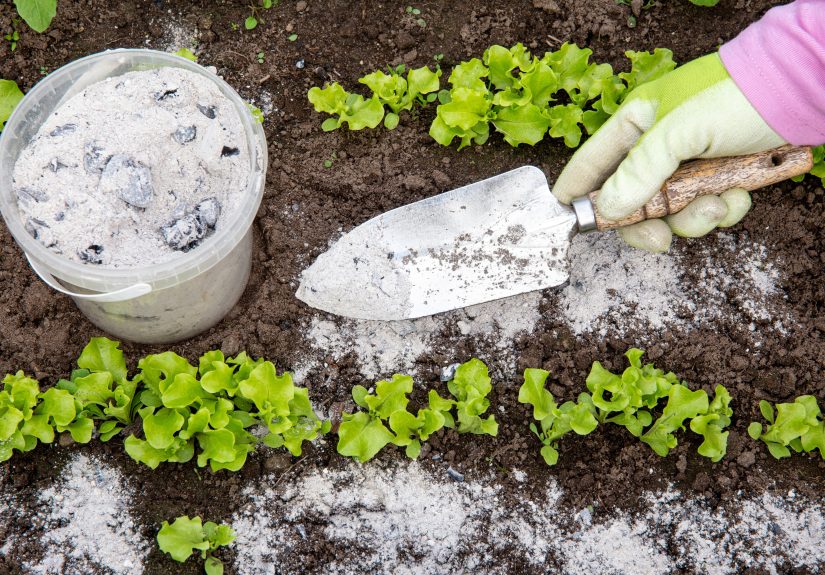
For many home gardens, a light annual application is enough. Think thin and even, not dunes of doom. Spread it over the soil surface and mix it into the top few inches if appropriate for the crop and season.
Step 4: Time it well
Late winter or early spring often works well, before active planting gets underway. That gives the ash time to disperse and react with the soil before tender seedlings arrive to judge your decisions.
Step 5: Keep it off leaves and stems
Wood ash is alkaline and can be caustic. Do not dust plants directly. Wear gloves, avoid windy-day application, and protect your eyes and lungs from the fine particles.
Step 6: Do not mix it with certain fertilizers
Wood ash should not be mixed directly with ammonium-based nitrogen fertilizers such as urea or ammonium sulfate. That can lead to nitrogen loss in the form of ammonia gas, which is a fancy way of saying your fertilizer budget may evaporate into the air.
How Much Is Too Much?
Recommendations vary by soil type, crop, and local conditions, which is another reason soil testing matters. But the general theme across extension guidance is consistency: keep applications modest. In many home gardens, the common advice lands around a thin layer and no more than roughly one five-gallon bucket per 1,000 square feet in a year.
That is not much, and that is the point. Wood ash is a “small dose, real effect” amendment. It works quickly enough that restraint is part of the skill.
If your first impulse is to save every winter’s worth of ash and dump it in one heroic spring ceremony, take a breath. This is gardening, not a volcanic reenactment.
Should You Put Wood Ash in Compost?
Sometimes, but gently.
Small amounts of wood ash can be added to compost or finished compost, especially when spread in thin layers. But large amounts can raise compost pH too much and interfere with the biological balance that makes composting work well. In wet compost piles, too much ash can also contribute to nitrogen loss.
So if you want to use ash in compost, think seasoning, not main ingredient. A light dusting? Fine. Half the fireplace emptied into the pile? Your compost microbes would like a word.
Where Wood Ash Makes the Most Sense
The best use cases are fairly specific:
- Vegetable gardens with acidic soil that need a modest pH lift
- Lawns or garden beds that test low in pH and can benefit from calcium and potassium
- Gardeners who burn clean hardwood and want to recycle ash responsibly
The worst use cases are just as clear:
- Blueberry patches and other acid-loving plantings
- Seed-starting zones or freshly sprouted beds
- Soils that already test neutral to alkaline
- Ash from questionable materials
The Real Secret: Ash Helps Best as Part of a Bigger Soil Strategy
If you want genuinely better soil, wood ash is best used as one small part of a bigger plan. Great soil is built with compost, mulch, cover crops, sensible watering, and occasional testing. Wood ash can support that system, especially when acidity is the issue, but it should not be asked to do everyone else’s job.
Think of it this way: compost is the long-term relationship. Wood ash is the useful neighbor who shows up with the right tool at the right moment. Helpful, absolutely. But not the whole story.
That is what makes fireplace ash so interesting. It is not a miracle. It is a practical amendment with a narrow but valuable lane. Used thoughtfully, it can help tune your soil, save a little money, and make your garden feel more connected to the rhythms of the seasons. Winter warms the house. The ashes, used wisely, can help feed spring.
Common Gardener Experiences With Wood Ash in Real Life
One of the most common experiences gardeners describe is surprise at how little wood ash is actually needed. People often begin with the best intentions: they save ash all winter, feel resourceful, and by March they are standing next to a bucket of gray powder convinced they are holding the secret to agricultural greatness. Then they learn that the smartest use is a light sprinkle, not a dramatic dump. The lesson arrives quickly: soil improvement is usually more about precision than enthusiasm.
Another frequent experience is that gardeners with acidic soil often see the best results when ash is used quietly in the background rather than as a headline act. Beds that once grew vegetables a bit sluggishly may seem more balanced after a season of careful ash use, especially when compost is also part of the routine. The change is not usually cinematic. No trumpet sounds. No zucchini salutes your wisdom. Things just grow a little more evenly, foliage looks healthier, and the garden stops acting like it is mildly offended by your existence.
There are also cautionary tales, and honestly, those are educational too. Many gardeners have at least one story about using ash around the wrong plants. Blueberries are famous for this. Someone thinks, “It came from a tree, so plants must love it,” and the blueberry bush responds with the botanical version of filing a complaint. Leaves pale, growth stalls, and everyone learns that acid-loving plants are not interested in your fireplace leftovers. It is one of those gardening moments that feels annoying at the time and unforgettable later.
Compost piles create another set of experiences. Gardeners who add a tiny amount of ash usually report no major issue, especially when the pile is otherwise rich in leaves, stems, and kitchen scraps. But when too much ash goes in, the pile can lose balance. That is often when people discover that “natural” does not automatically mean “harmless in unlimited quantities.” Nature, as usual, enjoys nuance.
Practical handling matters too. Anyone who has ever tried spreading ash on a breezy day tends to remember it vividly. The plan begins as “I’ll just dust this over the bed real quick,” and ends with ash on gloves, sleeves, shoes, and possibly one’s dignity. Most experienced gardeners eventually settle into a routine: store the ash dry, wait for calm weather, wear gloves, and apply it with the same steady restraint you would use for any strong amendment.
In the end, the real experience of using wood ash in the garden is less about discovering a miracle product and more about becoming a smarter observer. Gardeners learn to connect cause and effect. They notice which beds need pH help, which plants prefer acidity, and how even free materials come with rules. That is part of the satisfaction. The ash from a winter fire becomes more than waste. It becomes one more tool in the ongoing, slightly messy, often humbling craft of making soil better year after year.
Conclusion
So, is the secret to better soil hiding in your fireplace? It might be, but only if you know what your soil needs first. Clean wood ash can be useful for acidic soils because it adds potassium, calcium, and a liming effect. But it is not universally beneficial, and it is definitely not something to apply blindly.
The best approach is simple: test first, apply lightly, avoid acid-loving plants, and treat wood ash as a targeted amendment rather than a cure-all. Do that, and your fireplace may turn out to be more than a winter comfort zone. It may also be the unlikely beginning of a smarter spring garden.