Table of Contents >> Show >> Hide
- What Is Spinal Muscular Atrophy Type 2?
- SMA Type 2 Symptoms: What Families and Clinicians Notice First
- How Spinal Muscular Atrophy Type 2 Is Diagnosed
- Treatment for SMA Type 2: What “Modern Care” Actually Means
- Outlook for SMA Type 2: Better Than It Used to Be, Less Predictable Than You Think
- What Daily Life With SMA Type 2 Often Looks Like
- Experiences Related to SMA Type 2: The Human Side of Symptoms, Treatment, and Outlook
- Conclusion
Some conditions announce themselves with fireworks. Spinal muscular atrophy type 2 usually shows up more quietly: a baby who can sit but does not pull to stand, a toddler whose legs seem weaker than expected, or a child who keeps missing motor milestones that looked perfectly ordinary on the parenting chart. No one orders that plot twist. But once families understand what SMA type 2 is, they can move from panic mode to plan mode.
SMA type 2 is a genetic neuromuscular disorder that affects the motor neurons that control voluntary movement. In plain English, the brain still wants the muscles to do their job, but the nerve cells responsible for sending those “go” signals are damaged over time. The result is progressive weakness, especially in the muscles closest to the center of the body. Historically, children with type 2 could sit independently but did not walk on their own. Today, however, that old script is no longer the only script. Earlier diagnosis, newborn screening, disease-modifying treatment, respiratory support, nutrition planning, and orthopedic care have changed the landscape.
This guide explains SMA type 2 symptoms, how the condition is diagnosed, which treatment options are now available, and what the long-term SMA type 2 outlook can look like in the modern era. The tone is human, the facts are real, and the goal is simple: help readers understand a serious condition without making the article read like a user manual for a spaceship.
What Is Spinal Muscular Atrophy Type 2?
Spinal muscular atrophy, or SMA, is usually caused by a change in the SMN1 gene. That gene helps the body make survival motor neuron protein, which motor neurons need to function. When there is not enough of that protein, motor neurons gradually break down. Muscles then weaken because they are no longer getting reliable signals from the nervous system.
SMA type 2 is considered an intermediate form of the disease. Symptoms usually begin between 6 and 18 months of age. A child with type 2 often learns to sit without support, but standing and walking independently are usually limited or absent without modern targeted treatment. Weakness tends to affect the legs more than the arms, and cognition is typically normal. In other words, the muscles are the issue; intelligence is not. That distinction matters, especially in school, social settings, and long-term planning.
The severity of SMA can vary. One reason is the number of SMN2 gene copies a person has. SMN2 is often described as the body’s backup gene. It cannot fully replace SMN1, but it can produce a smaller amount of usable protein. In general, more SMN2 copies are associated with a milder course, though real life is rarely as neat as a genetics textbook.
SMA Type 2 Symptoms: What Families and Clinicians Notice First
Early motor signs
The earliest SMA type 2 symptoms often look like delayed motor development rather than a dramatic medical emergency. A child may sit well but struggle to crawl, pull to stand, or bear weight through the legs. Parents may describe their child as “floppy,” unusually weak, or less physically active than peers. These signs can be subtle at first, which is one reason diagnosis is sometimes delayed in children who were born before universal newborn screening became common.
- Low muscle tone (hypotonia)
- Reduced or absent reflexes
- Progressive weakness, especially in the hips and legs
- Difficulty standing or walking independently
- Tremor-like or jerky hand movements
- Fatigue with movement or posture changes
- Delayed gross motor milestones
Breathing, swallowing, and orthopedic complications
Type 2 does not only affect mobility. Over time, weakness can involve the chest wall, trunk, and muscles used for coughing and deep breathing. That can increase the risk of poor airway clearance, sleep-related breathing issues, and respiratory infections. Swallowing may also become harder for some children, which can affect growth, hydration, and safety during meals.
Orthopedic problems are also common. Scoliosis, chest wall changes, joint contractures, and posture difficulties can gradually develop because the muscles are not providing normal support to the spine and joints. A child may do well sitting on the floor at age 2 and then need much more support in a wheelchair a few years later. That does not mean care has failed. It means SMA type 2 requires ongoing adaptation, not a one-and-done treatment plan.
How Spinal Muscular Atrophy Type 2 Is Diagnosed
Diagnosis usually starts with a clinical pattern: muscle weakness, low tone, delayed milestones, and preserved thinking and social development. From there, the most important test is usually genetic testing for changes in the SMN1 gene. In some cases, clinicians also look at SMN2 copy number because it can help estimate disease severity.
Depending on the situation, the evaluation may also include:
- A physical and neurologic examination
- Family history review
- Electromyography (EMG) or nerve studies
- Rarely, muscle biopsy if the diagnosis is unclear
- Assessment of breathing, swallowing, growth, and spine alignment
Today, the diagnostic story is changing because newborn screening for SMA is now in place across all 50 U.S. states. That is a major shift. It means many babies can be identified before symptoms appear, when treatment has the best chance to protect motor neurons. Still, not every person with SMA type 2 is diagnosed at birth. Some older children were born before universal screening reached their state, and rare genetic patterns may require follow-up testing even after newborn screening.
Treatment for SMA Type 2: What “Modern Care” Actually Means
There is still no complete cure for SMA type 2. But that sentence means something very different today than it did a decade ago. Treatment is no longer limited to supportive care alone. There are now disease-modifying options that aim to increase SMN protein or replace the faulty gene, along with multidisciplinary care that protects breathing, nutrition, posture, and function.
Disease-modifying therapies
Nusinersen (Spinraza) was the first FDA-approved treatment for SMA and is used in pediatric and adult patients. It is delivered into the spinal fluid, beginning with loading doses and followed by maintenance dosing. For many families, this was the therapy that changed SMA from “watch and wait” to “treat and fight.”
Risdiplam (Evrysdi) is an oral treatment for patients 2 months of age and older. It works by helping the body make more functional SMN protein from the SMN2 gene. Because it is taken by mouth, it can be a practical option for families who want to avoid repeated intrathecal procedures.
Gene therapy has also expanded the treatment conversation. Zolgensma is approved in the U.S. for children younger than 2 years with bi-allelic SMN1 mutations. In late 2025, the FDA also approved Itvisma, a gene therapy for adult and pediatric patients 2 years and older with confirmed SMN1 mutation. That newer approval matters because it broadens the treatment landscape for patients beyond infancy. Not every person with SMA type 2 will be a candidate for every therapy, and treatment decisions depend on age, mutation status, prior treatment, anatomy, access, and clinician judgment.
Supportive care still matters, a lot
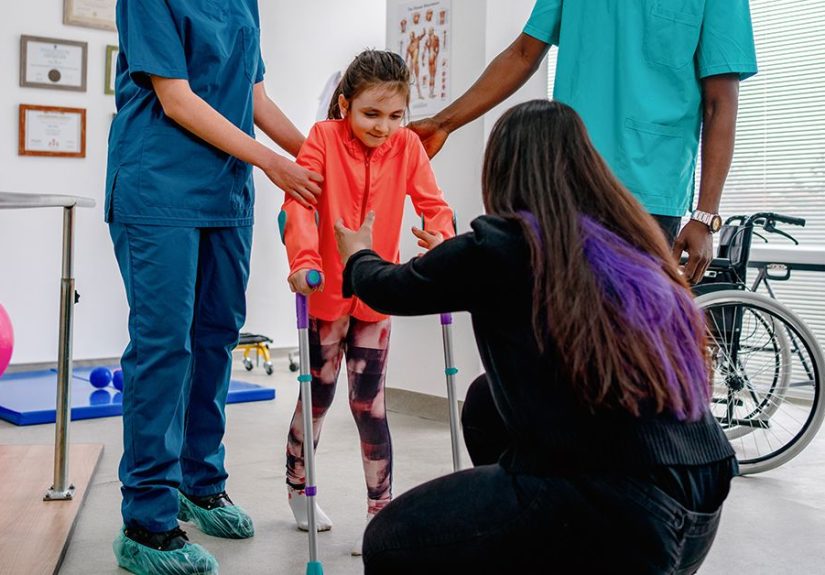
Disease-modifying therapy is powerful, but it does not make supportive care optional. In fact, the best outcomes usually come from a multidisciplinary SMA care team that includes neurology, pulmonology, orthopedics, rehabilitation, nutrition, speech and swallowing specialists, and physical and occupational therapy.
- Respiratory care: monitoring cough strength, sleep breathing, chest wall function, and infection risk; using cough assist or noninvasive ventilation when needed
- Nutrition and swallowing support: tracking growth, assessing aspiration risk, managing reflux or constipation, and using feeding support when necessary
- Physical and occupational therapy: preserving range of motion, positioning, transfers, endurance, and daily function
- Orthopedic management: watching for scoliosis, chest wall changes, hip issues, and contractures; using bracing or surgery in selected cases
- Assistive technology: standers, braces, walkers, wheelchairs, communication tools, and home accessibility adaptations
That last point deserves emphasis. A wheelchair is not a symbol of defeat. It is a piece of technology that gives freedom, access, safety, and participation. Sometimes the most life-changing medical device is not dramatic. Sometimes it is the one that lets a child get to class on time and keep up with friends at recess.
Outlook for SMA Type 2: Better Than It Used to Be, Less Predictable Than You Think
The traditional description of SMA type 2 outlook was that children usually survived into adolescence or young adulthood, and many lived longer. More recent pediatric hospital sources note that some children with type 2 may have a normal or near-normal life span depending on symptom severity and medical support. In the treatment era, those old survival estimates are becoming less useful because they were built on a different reality.
What matters more now is this: the outlook for SMA type 2 has improved significantly, especially when treatment begins early and when respiratory, nutritional, and orthopedic care are proactive. Many children and adults with type 2 now live fuller, longer, and more medically stable lives than earlier generations did. At the same time, long-term outcomes are still evolving because the newest therapies have not been around long enough to answer every question about adulthood, aging, pregnancy, bone health, or decades-long motor function.
Several factors shape outlook:
- How early treatment begins
- How much respiratory weakness develops
- Whether scoliosis or chest wall restriction progresses
- Nutritional status and swallowing safety
- Contractures, posture, and pain management
- Access to specialized neuromuscular care
- Family support, school support, and adaptive technology
So, can someone with SMA type 2 live into adulthood? Yes, absolutely. Can they go to school, work, build relationships, travel, and have ambitious goals? Also yes. Will the path be identical for everyone? Definitely not. SMA type 2 is better understood today, but it is still highly individual.
What Daily Life With SMA Type 2 Often Looks Like
Daily life with SMA type 2 is rarely defined by one giant moment. It is usually built from dozens of small moments that add up: getting dressed with less effort, sitting comfortably in class, managing fatigue during a family outing, or avoiding a respiratory infection during cold season. The condition can affect mobility, endurance, posture, feeding, sleep, and independence, but it also teaches families to become astonishingly good at logistics. Frankly, if planning were an Olympic sport, many SMA caregivers would already have medals.
A child with SMA type 2 may use a stroller at first, then a manual wheelchair, then a power chair as daily demands increase. They may need extra time for transfers, a stander at school, stretching in the morning, and regular physical therapy. A teen may be more focused on arm function than leg function because typing, feeding, driving access, and independent phone use become central to quality of life. Adults may pay close attention to fatigue, pain, respiratory health, and accessible housing rather than just motor milestones. The priorities shift, but the need for smart support never disappears.
Experiences Related to SMA Type 2: The Human Side of Symptoms, Treatment, and Outlook
Reading about genes, motor neurons, and treatment pathways is useful. Living with spinal muscular atrophy type 2 is something else entirely. For many families, the experience begins with confusion rather than clarity. A baby may seem bright, social, and curious, yet physically behind. Parents notice that sitting is possible but standing is not. Maybe daycare mentions delayed gross motor skills. Maybe a grandparent says, “Every child develops differently,” which is comforting right up until it is not. Then comes the appointment spiral: pediatrician, specialist, tests, more tests, and finally a diagnosis that lands like a thunderclap in a perfectly normal Tuesday.
After diagnosis, many families describe two emotional tracks running at the same time. On one track, there is grief. They grieve the ease they expected, the milestones they assumed would happen, and the version of childhood they thought they were planning for. On the other track, there is action. Suddenly the calendar fills with neurology visits, therapy sessions, insurance calls, equipment evaluations, and discussions about treatment. The learning curve is steep. One week you are buying toddler snacks. The next week you are learning the difference between airway clearance support, scoliosis monitoring, and gene-targeted therapy. It is a lot.
For children with SMA type 2, daily life often becomes a balance between adaptation and ambition. A wheelchair may enter the picture, and with it comes an unexpected kind of freedom. Parents often fear mobility devices at first because they look like a marker of loss. But many later describe them as a turning point. A power chair can mean speed, independence, choice, and social participation. A child who was once carried everywhere can suddenly lead the parade down the school hallway. That is not a small shift. That is identity-changing.
School years bring their own version of reality. Accessibility matters. So does stamina. A student with SMA type 2 may be academically sharp but need help with note-taking, bathroom access, classroom positioning, or carrying supplies. Friendships can be wonderfully normal and occasionally awkward, because childhood is like that for everyone. Many families say the most helpful environments are the ones that expect the child to participate fully while also making practical accommodations without drama. No one wants to be inspirational wallpaper. They want inclusion, not a standing ovation for existing.
Treatment also changes the emotional landscape. Families who start disease-modifying therapy often talk about hope returning in a more concrete form. Not magical hope. Not movie-trailer hope. Real hope. The kind attached to measurable goals: stronger cough, steadier sitting, improved arm movement, fewer respiratory scares, easier transfers, better endurance. Progress may be dramatic for some and subtle for others. Either way, small gains matter. In SMA type 2, “small” can mean being able to lift a cup, press an elevator button, or stay upright longer at a birthday party. Those are not tiny victories. They are life.
Over time, many people living with SMA type 2 develop a practical kind of resilience. They become problem-solvers, advocates, negotiators, and accessibility detectives. They learn that a good care team matters, but so does humor, community, and technology that actually fits real life. The outlook for SMA type 2 is better now than it used to be, but the lived experience still requires flexibility, persistence, and support. The most honest summary may be this: life with SMA type 2 can be hard, but it can also be rich, connected, ambitious, and deeply meaningful.
Conclusion
Spinal muscular atrophy type 2 is a serious neuromuscular condition, but it is no longer a diagnosis defined only by decline. The hallmark pattern remains recognizable: symptoms usually begin between 6 and 18 months, children often learn to sit but not walk independently, and ongoing attention to breathing, nutrition, posture, and mobility is essential. What has changed is the treatment era. With newborn screening, earlier diagnosis, FDA-approved therapies, and coordinated multidisciplinary care, families now have more options and more reason for hope than ever before.
If there is one takeaway worth underlining, highlighting, and maybe taping to the fridge, it is this: early treatment and lifelong support both matter. SMA type 2 care is not one miracle and done. It is medicine, therapy, planning, technology, and teamwork working together over time. And that steady, practical work can change the story in meaningful ways.
This article is for educational purposes and should not replace individualized medical advice from a neuromuscular specialist.