Table of Contents >> Show >> Hide
- What Is the New Gallery Wall, Exactly?
- Why Designers Are Into It
- What Goes on a Viral, Designer-Approved Gallery Wall?
- How to Build One Without Making It Look Like a Thrift Store Sneezed
- Best Places to Try the Trend
- Mistakes to Avoid
- Why This Trend Has Staying Power
- Experiences With the Trend: What It Feels Like to Live With a Reinvented Gallery Wall
- Conclusion
Gallery walls have been around forever in internet years, which means at least three trend cycles, seven paint swatches, and one mild identity crisis. For a while, the formula felt pretty fixed: match the frames, line everything up, add a few black-and-white prints, step back, and admire your very respectable wall. It looked polished. It looked intentional. It also sometimes looked like a hotel lobby that had read one too many mood boards.
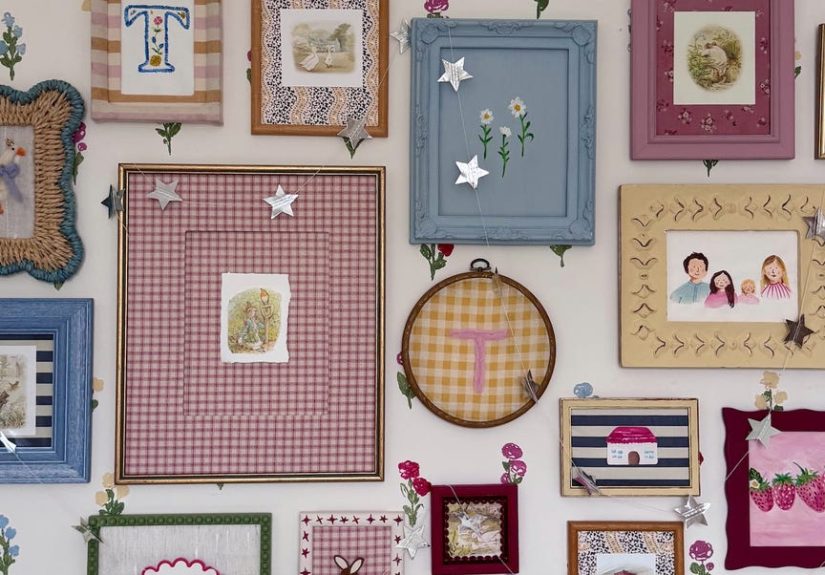
Now a fresh version is taking over social feeds, and designers are fully on board. The new gallery wall is more layered, more personal, and much less concerned with behaving itself. Instead of relying only on framed art prints, this viral approach mixes in handwritten notes, children’s drawings, heirloom textiles, recipes, postcards, keepsakes, meaningful photos, vintage finds, and even small objects that tell a story. It is less “I bought six coordinating prints in one cart” and more “this wall quietly explains who lives here.”
That shift matters. Homes right now are moving away from overly staged perfection and toward rooms that feel collected, comforting, and genuinely lived in. In that context, the gallery wall has evolved from a decorative filler into something closer to a visual autobiography. And honestly, it is about time. Walls have been blank for too long while drawers have been hoarding all the good stories.
What Is the New Gallery Wall, Exactly?
The easiest name for it is the reinvented gallery wall. Instead of showcasing only conventional art, this version welcomes a broader cast of characters. A scribbled note from your grandmother. A child’s watercolor that is objectively crooked and emotionally priceless. A scrap of embroidered fabric from a flea market. A concert ticket from the best night of your twenties. A pressed menu from a honeymoon dinner. A linen mat around a tiny sketch that suddenly makes it look like a museum piece with a passport and opinions.
In other words, this trend goes beyond traditional artwork. It treats memory, texture, and personality as design assets. That is a big reason it has gone viral. People are no longer just asking how to fill a wall. They are asking how to make a home feel like their home. This trend answers that question with charm, a little sentiment, and just enough chaos to keep things interesting.
Another defining detail is texture. Designers are leaning into fabric mats, velvet ribbons, linen backings, silk details, cork accents, and frames that feel less flat and generic. Even a simple print can gain a completely different presence when it is paired with tactile materials. Suddenly, a small photo is not just a photo. It is a little design event.
Why Designers Are Into It
1. It gives a room soul, not just styling
Designers love this trend because it makes a space feel specific. A traditional gallery wall can be beautiful, but a reinvented gallery wall adds emotional depth. It turns decoration into storytelling. That matters in a moment when homeowners are craving authenticity over showroom polish.
A wall that mixes old family snapshots with collected art, handwritten recipes, textile fragments, and travel mementos feels layered in the best way. It suggests time. It suggests memory. It suggests that someone actually lives here instead of entering only when guests arrive. Designers often talk about wanting rooms to feel “collected,” and this trend is basically collected with receipts.
2. It balances sentiment with sophistication
One reason some people hesitate to display personal items is fear that the result will feel messy, childish, or too scrapbook-y. Fair concern. Nobody wants their hallway to resemble a craft table after a juice-box incident. But designers approve of this trend precisely because it shows that sentimental decor can be elevated.
Frame a child’s sketch with an oversized mat in a rich neutral. Mount a handwritten note against patterned fabric. Float a delicate piece of lace in a thin brass frame. Add a small spotlight above a cluster of personal photos. Suddenly, the wall reads as intentional design rather than random nostalgia. The secret is not suppressing the emotion. It is editing and presenting it beautifully.
3. Texture makes everything look richer
The move toward textured framing is a major reason the trend feels fresh. Velvet mats, linen wraps, fabric-covered backings, and ribbon details add dimension in a way that plain paper mats cannot. They soften the wall, add warmth, and create that layered, touchable quality designers love.
This is especially helpful in homes that feel visually flat. If you have neutral paint, simple furniture, and clean-lined finishes, a textured gallery wall can introduce depth without requiring a full room makeover. It is one of those rare upgrades that looks expensive, feels personal, and does not ask you to replace your sofa.
4. It fits the bigger move toward “real home” design
Another reason the trend is catching on is because it aligns with a broader decorating mindset. Homes are becoming more personal, less performative, and more comfortable with visible life. The best interiors right now are not trying to erase personality in favor of perfection. They are making space for it.
That means gallery walls are no longer expected to be hyper-matched or overly formal. Mixing old and new feels right. Imperfect treasures feel welcome. Family pieces are no longer hidden away until the holidays or a dramatic inheritance subplot. They are being woven into everyday decor.
What Goes on a Viral, Designer-Approved Gallery Wall?
Not everything belongs on the wall. Your expired gym membership card can stay humble. But a surprising number of items can work beautifully in this format when framed or grouped thoughtfully.
Handwritten pieces
Letters, recipe cards, notes from loved ones, and even old school papers can become striking wall art. Handwriting carries personality in a way printed text never can. It feels intimate, imperfect, and deeply human.
Children’s artwork
This is one of the strongest parts of the trend. Kids’ art brings color, movement, and joy, but it also gives a home a lived-in honesty. When framed well, even the wildest crayon masterpiece can hold its own beside professional artwork. Frankly, some of it has better energy anyway.
Textiles and fabric
Vintage scarves, embroidered pieces, handwoven remnants, lace, quilting scraps, and patterned fabric panels all bring softness and texture. They are especially useful when you want your wall to feel less rigid and more layered.
Personal photographs
Family photos still belong here, but the vibe is evolving. Instead of using only coordinated portraits, people are mixing candid snapshots with art prints and ephemera. The result feels warmer and less formal. Think memory wall, not corporate family brochure.
Travel and life mementos
Postcards, maps, menus, matchbooks, ticket stubs, hotel stationery, and found paper goods can all work. These pieces add narrative and charm, especially when mixed with more traditional frames.
Small objects
Depending on your setup, shadow boxes or acrylic frames can display three-dimensional pieces such as ribbons, medals, tools, pressed botanicals, miniature ceramics, or keepsakes. This is where the gallery wall starts flirting with museum curation, and in a good way.
How to Build One Without Making It Look Like a Thrift Store Sneezed
Start with an anchor piece
Every successful gallery wall needs a visual starting point. Choose one larger item or one bold piece that sets the tone. It could be a painting, a framed textile, an oversized family photo, or a dramatic mat-and-frame combination. Once that is in place, the smaller supporting pieces have something to orbit.
Create one thread of consistency
The new gallery wall loves variety, but it still needs discipline. Pick one unifying element to keep it from drifting into confusion. That could be a color palette, frame finish, subject matter, mat tone, or general mood. The items do not need to match, but they should feel like they know each other.
Mix flat and tactile elements
A wall made entirely of paper can still look great, but the viral version stands out because it mixes surfaces. Pair a photo with a framed piece of linen. Add a handwritten card with a float-mounted keepsake. Work in one shadow box or one sculptural detail. That contrast is what creates depth.
Use negative space on purpose
Not every inch has to be filled. In fact, a little breathing room often makes the arrangement feel more expensive. Let some pieces sit close together and others stand slightly apart. The variation gives the eye places to rest.
Test the layout before hanging
Yes, this is the boring advice. Yes, it is also the advice that saves your wall from becoming Swiss cheese. Lay everything out on the floor first or use paper templates on the wall. You are going for collected, not chaotic. There is a difference, and your spackle knife knows it.
Best Places to Try the Trend
This style works almost anywhere, but it shines most in spaces that benefit from warmth and personality.
Entryways
An entry gallery wall instantly tells guests what kind of home they are entering. It is the design equivalent of a good handshake.
Dining rooms
These walls are perfect for family photos, heirloom recipes, or collected art. Dining rooms already carry memory and ritual, so the trend fits naturally.
Hallways and staircases
These transitional spaces are ideal for layered storytelling because people experience them in motion. A staircase wall filled with meaningful pieces can turn a purely functional area into one of the most memorable parts of the house.
Kids’ rooms and playrooms
This is a no-brainer. Framing children’s art, notes, and keepsakes makes the room feel personal without leaning into disposable decor.
Home offices
A gallery wall in a workspace can be inspiring rather than distracting when it includes objects and images that actually mean something to you. It becomes motivation with frame hardware.
Mistakes to Avoid
Do not force sentiment. If an item is meaningful but visually hopeless, that does not mean it deserves prime wall real estate. Edit lovingly.
Do not overmatch. The point of this trend is personality. If every frame, mat, and image looks identical, you have wandered back into old gallery-wall territory.
Do not skip scale. Tiny pieces scattered across a huge wall can look timid. Use at least one or two larger anchors to ground the arrangement.
Do not confuse clutter with layering. A good reinvented gallery wall feels rich, not random. If nothing stands out because everything is shouting, the wall needs editing.
Do not ignore the room around it. Your wall should connect to the space through color, tone, texture, or theme. A gallery wall is part of the room, not a separate country with its own government.
Why This Trend Has Staying Power
The best thing about this viral gallery wall trend is that it does not feel disposable. It is flexible, affordable, personal, and easy to evolve over time. You can add to it as life changes. You can swap pieces seasonally. You can make it more polished or more playful depending on your taste. Most important, it reflects something bigger than a trend cycle: people want homes with identity.
That is why designers approve. The reinvented gallery wall is not just another decorating hack. It is a smart response to how people want to live now. Less generic. More meaningful. Less perfection for the algorithm. More beauty that actually belongs to the people in the room.
So yes, the new gallery wall is going viral. But unlike some internet-famous decor moments, this one has real design value. It adds texture. It adds warmth. It adds story. And if it happens to include your kid’s chaotic watercolor next to a flea-market etching and your grandmother’s lace? Even better. That wall is not trying to impress everyone. It is doing something harder and much more stylish: telling the truth.
Experiences With the Trend: What It Feels Like to Live With a Reinvented Gallery Wall
The most interesting thing about this trend is not how it photographs. It is how it feels once you live with it for a while. A traditional gallery wall can look sharp on day one and stay exactly the same for years. A reinvented gallery wall behaves differently. It grows with the household. Someone adds a postcard after a trip. A child brings home a drawing that is too good to lose. An old recipe card gets framed after a grandparent passes away. A tiny textile from a market finally finds a home. The wall becomes less of a project and more of a record.
People who try this style often say the same thing: it changes how they see their own belongings. Instead of treating sentimental objects like things to store carefully in boxes, they begin to view them as part of the atmosphere of the home. That shift is surprisingly emotional. A note that once lived in a drawer becomes part of daily life. A family photo stops being digital clutter and starts becoming a visual anchor in the room. A piece of fabric picked up on vacation suddenly does more than remind you of a place; it contributes color, texture, and memory every single day.
There is also a practical pleasure in how flexible the wall can be. Because the arrangement is already eclectic, adding a new piece rarely feels disruptive. You do not need to panic because one frame is brass and another is wood. You do not need to pretend every image belongs to the same era, aesthetic, or life chapter. In fact, the mix is the point. The result feels more forgiving than highly matched decor, which is one reason people find it easier to maintain over time.
Another common experience is that guests respond differently to this kind of wall. They do not just say, “That looks nice.” They ask questions. Where did that note come from? Is that your daughter’s painting? Was that lace handmade? Did you really frame a menu? Suddenly, the wall becomes a conversation starter rather than a background feature. It gives the room social energy without shouting for attention.
And then there is the design confidence this trend can build. For many homeowners, a reinvented gallery wall is the first time they stop decorating to impress an imaginary audience and start decorating for themselves. That is a bigger change than it sounds. Once people realize a room can be polished and personal, they often loosen up in the best way. They trust their instincts more. They mix higher and lower pieces with less fear. They become more willing to display what matters, not just what matches.
That may be the real reason the trend has resonated so strongly online. Underneath the pretty frames and tactile mats, it offers permission. Permission to keep the heirloom. Permission to hang the child’s art. Permission to frame the weird little object that makes you smile. Permission to let your walls reveal an actual life. In an era when so many interiors have been filtered into sameness, that feels refreshing. It also feels human. And in the end, that is what makes this trend more than viral. It makes it worth living with.
Conclusion
The viral gallery wall designers approve of is not really about abandoning art. It is about expanding the definition of what deserves to be framed, displayed, and celebrated. By mixing meaningful photographs, handwritten notes, textiles, heirlooms, and varied materials, this trend creates walls that feel warm, layered, and unmistakably personal. It is stylish without being stiff, emotional without being messy, and polished without losing its humanity. In short, it is the rare design trend that looks good online and feels even better in real life.