Table of Contents >> Show >> Hide
- What Makes Oatmeal-Raisin Cookies So Good?
- The Best Ingredients for Oatmeal-Raisin Cookies
- How to Make Better Oatmeal-Raisin Cookies
- A Reliable Oatmeal-Raisin Cookie Formula
- Common Oatmeal-Raisin Cookie Mistakes
- Texture Guide: Soft, Chewy, or Crispy?
- Flavor Variations That Actually Work
- How to Store Oatmeal-Raisin Cookies
- Are Oatmeal-Raisin Cookies Healthy?
- Serving Ideas
- Experience Notes: What Baking Oatmeal-Raisin Cookies Teaches You
- Conclusion
Oatmeal-raisin cookies are the cozy cardigan of the cookie world: dependable, warm, slightly nostalgic, and much better than people pretend when chocolate chips are in the room. They do not shout for attention. They do not arrive wearing rainbow sprinkles and edible glitter. Instead, they show up with chewy oats, plump raisins, brown sugar, cinnamon, vanilla, and a quiet confidence that says, “Yes, I am delicious, and yes, your grandmother already knew.”
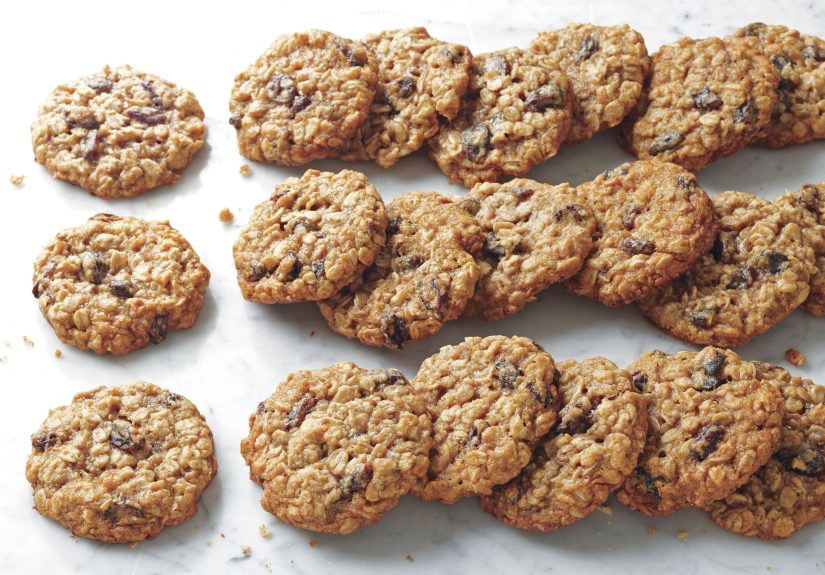
The best oatmeal-raisin cookies are not dry hockey pucks hiding under the name of “wholesome.” They are soft in the middle, lightly crisp around the edges, buttery without being greasy, sweet without turning into candy, and full of texture. A great oatmeal-raisin cookie should taste like toasted oats, caramelized sugar, warm spice, and fruitnot like someone accidentally baked breakfast.
This guide brings together the most reliable lessons from classic American baking sources, professional recipe developers, home-baking traditions, and practical cookie science. The goal is simple: help you understand what makes oatmeal-raisin cookies work, how to bake them better, and how to avoid the most common mistakes. Your cookie jar is about to become suspiciously empty.
What Makes Oatmeal-Raisin Cookies So Good?
Oatmeal-raisin cookies succeed because they balance three things: chew, moisture, and flavor. The oats create hearty texture. The raisins add little bursts of sweetness. Brown sugar brings softness and a mellow molasses note. Cinnamon gives warmth. Butter adds richness. When everything is measured and mixed properly, the result is a cookie that feels homemade in the best possible way.
Unlike sugar cookies, which are mostly about buttery simplicity, or chocolate chip cookies, which lean on chocolate for drama, oatmeal-raisin cookies depend on structure. Every ingredient has a job. Use too much flour and the cookies become cakey. Use too little flour and they spread like a sad pancake. Skip enough moisture and they turn tough. Overbake them and they lose the chewy center that makes them worth guarding from your family.
The Best Ingredients for Oatmeal-Raisin Cookies
Old-Fashioned Rolled Oats
Old-fashioned rolled oats are the gold standard for chewy oatmeal-raisin cookies. They absorb moisture gradually and keep their shape, giving the cookie that classic hearty bite. Quick oats can work, but they create a softer, more uniform texture because they are thinner and more broken down. Steel-cut oats are not ideal here unless you enjoy cookies with the personality of gravel.
For balanced texture, use rolled oats that are not extra-thick. Standard old-fashioned oats create chew without making the cookie feel heavy. If your oats are very thick, the dough may need more resting time so they can hydrate properly.
Raisins That Are Soft, Not Sad
Raisins are the most controversial part of the oatmeal-raisin cookie, mostly because some raisins arrive in cookies looking like tiny leather purses. The fix is simple: plump them before baking. Soak raisins in warm water for 10 to 15 minutes, then drain and pat them dry. This keeps them juicy and helps prevent them from stealing moisture from the dough.
You can also soak raisins in orange juice or apple juice for a flavor twist. Just avoid adding wet raisins directly to the dough. Extra liquid can throw off the cookie’s structure, and nobody wants a dough that behaves like oatmeal soup.
Brown Sugar for Chew and Depth
Brown sugar is essential because it contains molasses, which helps create a softer, chewier cookie. Light brown sugar gives a balanced caramel flavor. Dark brown sugar makes the cookies deeper, richer, and slightly more dramaticlike oatmeal-raisin cookies after they discover jazz.
Granulated sugar still has a role. It helps with spread and crisp edges. Many excellent oatmeal-raisin cookie recipes use a mix of brown sugar and white sugar. The brown sugar keeps the center tender; the white sugar helps create that delicate edge that makes the first bite so satisfying.
Butter for Flavor
Butter gives oatmeal-raisin cookies their rich flavor. Softened butter is often creamed with sugar to trap air, creating a lighter texture. Melted butter can make cookies denser and chewier. Browned butter adds a nutty flavor that pairs beautifully with oats and raisins, though it may require careful balancing because browning butter reduces water content.
If you want a classic cookie, use softened unsalted butter. If you want a more bakery-style flavor, brown the butter, let it cool slightly, and expect a deeper, toastier result.
Cinnamon, Vanilla, and Salt
Cinnamon is the signature spice in oatmeal-raisin cookies. It should support the oats and raisins, not take over like it has purchased the whole bakery. A little nutmeg can add complexity, but too much makes the cookie taste like holiday potpourri.
Vanilla rounds out the sweetness, while salt sharpens every flavor. Do not skip the salt. Without it, the cookie can taste flat, even if the ingredient list looks perfect. Salt is the tiny backstage manager making sure the whole show runs smoothly.
How to Make Better Oatmeal-Raisin Cookies
Step 1: Measure Correctly
Cookie success starts before the oven turns on. Flour is especially easy to overmeasure. If you scoop directly from the bag with a measuring cup, you can pack in too much flour, creating dry, dense cookies. For best results, spoon flour into the measuring cup and level it off, or use a kitchen scale.
Oats should be measured with similar care. Too many oats can make the dough crumbly and dry. Too few can make the cookies spread too much and lose their signature texture.
Step 2: Cream Butter and Sugar Properly
When using softened butter, beat it with the sugars until the mixture looks creamy and slightly lighter. This step helps dissolve some sugar and creates a smoother dough. However, do not beat it forever. Over-creaming can add too much air, causing cookies to rise and then collapse.
Two to three minutes with an electric mixer is usually enough. The mixture should look fluffy but not whipped into frosting territory.
Step 3: Add Eggs and Vanilla
Eggs bind the dough and add moisture. Room-temperature eggs mix more evenly into the butter and sugar mixture. Cold eggs can cause the butter to firm up, making the dough less smooth. If you forgot to take the eggs out, place them in a bowl of warm water for a few minutes. This is not cheating. This is kitchen diplomacy.
Step 4: Mix Dry Ingredients Separately
Whisk flour, baking soda, cinnamon, and salt together before adding them to the wet ingredients. This helps distribute the leavening and spices evenly. Nobody wants one cookie with no cinnamon and another that tastes like it got caught in a spice storm.
Step 5: Stir in Oats and Raisins Last
Once the flour mixture is mostly incorporated, stir in the oats and raisins. Mix just until combined. Overmixing develops gluten in the flour, which can make cookies tough. The dough should look thick, textured, and scoopable.
Step 6: Chill the Dough
Chilling is one of the easiest ways to improve oatmeal-raisin cookies. Resting the dough gives the oats time to absorb moisture, firms the butter, reduces excessive spreading, and deepens the flavor. Even 30 minutes helps. A few hours is better. Overnight can be excellent if you want a richer, chewier cookie.
If your dough feels sticky, soft, or loose, chill it. If your kitchen is warm, chill it. If your cookies usually spread into one giant cookie continent, definitely chill it.
Step 7: Scoop Evenly
A cookie scoop is worth owning if you bake often. Evenly sized dough balls bake at the same rate, which means fewer burnt edges and underdone centers. A rounded tablespoon or medium cookie scoop works well for classic cookies. For bakery-style cookies, use a larger scoop and increase the baking time slightly.
Step 8: Bake Until the Edges Are Set
The secret to chewy oatmeal-raisin cookies is pulling them from the oven before they look fully done. The edges should be lightly golden and set, but the centers should still look slightly soft. Cookies continue baking on the hot sheet after they leave the oven.
If you wait until the whole cookie looks firm in the oven, you have waited too long. That is how chewy dreams become crunchy regrets.
A Reliable Oatmeal-Raisin Cookie Formula
For a classic batch, use the following balanced approach as a guide:
- 1 cup unsalted butter, softened
- 1 cup packed brown sugar
- 1/2 cup granulated sugar
- 2 large eggs
- 2 teaspoons vanilla extract
- 1 1/2 cups all-purpose flour
- 1 teaspoon baking soda
- 1 to 1 1/2 teaspoons ground cinnamon
- 1/2 teaspoon salt
- 3 cups old-fashioned rolled oats
- 1 cup raisins, preferably plumped and dried
Heat the oven to 350 degrees Fahrenheit. Cream the butter and sugars, add eggs and vanilla, mix in the dry ingredients, then fold in oats and raisins. Chill the dough for at least 30 minutes. Scoop onto parchment-lined baking sheets and bake for 10 to 13 minutes, depending on size. Let the cookies rest on the baking sheet for 5 minutes before transferring them to a wire rack.
Common Oatmeal-Raisin Cookie Mistakes
Using Too Much Flour
Too much flour is the fastest route to dry cookies. Measure carefully and avoid packing flour into the cup. If your dough feels stiff before adding oats, the final cookies may be too dense.
Skipping the Dough Rest
Oats need time to hydrate. When dough rests, the texture becomes more cohesive and flavorful. Skipping the chill does not always ruin the cookies, but it often makes them flatter, less chewy, and less developed in flavor.
Overbaking
Oatmeal-raisin cookies should not be baked until dark brown. Light golden edges are enough. The centers should still look a little soft. Once cooled, they will firm up while staying chewy.
Using Dry Raisins Straight from the Box
Very dry raisins can pull moisture from the dough. Plumping them first makes the finished cookie softer and more pleasant. It also prevents the raisins from turning into tiny chewy speed bumps.
Overcrowding the Baking Sheet
Give cookies space to spread. Two inches apart is a good rule. Crowded cookies bake unevenly and may merge into one large oat-based landmass. Delicious? Possibly. Elegant? Not exactly.
Texture Guide: Soft, Chewy, or Crispy?
For Softer Cookies
Use more brown sugar than white sugar, chill the dough, and remove the cookies from the oven when the centers are still soft. Store them in an airtight container once fully cooled.
For Chewier Cookies
Use old-fashioned rolled oats, avoid overbaking, and let the dough rest long enough for the oats to absorb moisture. A little molasses can increase chew and deepen flavor.
For Crispier Cookies
Use a bit more granulated sugar, flatten the dough balls slightly before baking, and bake a minute or two longer. Let the cookies cool completely on a wire rack so the edges stay crisp.
Flavor Variations That Actually Work
Classic oatmeal-raisin cookies are wonderful, but small upgrades can make them even better. Toasting the oats for a few minutes before mixing adds a nutty flavor. Toasted walnuts or pecans bring crunch. A pinch of nutmeg adds warmth. Orange zest brightens the raisins. A handful of dark chocolate chips can win over raisin skeptics, though purists may clutch their mixing bowls in protest.
You can also swap raisins for dried cranberries, chopped dates, dried cherries, or golden raisins. Golden raisins are especially good because they are usually softer and more delicate in flavor. If you like a cookie with more complexity, combine two dried fruits and add toasted nuts.
How to Store Oatmeal-Raisin Cookies
Once cooled, store oatmeal-raisin cookies in an airtight container at room temperature. They usually stay fresh for several days. To keep them softer, place a small piece of bread in the container. The cookies absorb moisture from the bread, helping them stay tender. Replace the bread when it becomes dry.
For longer storage, freeze baked cookies in a sealed freezer-safe bag or container. You can also freeze scooped dough balls. Bake them from frozen, adding a couple of extra minutes to the baking time. Frozen cookie dough is a gift from your past self, and frankly, your past self deserves applause.
Are Oatmeal-Raisin Cookies Healthy?
Oatmeal-raisin cookies contain oats and raisins, but they are still cookies. That means butter, sugar, and flour are part of the party. The oats add fiber and texture, while raisins contribute natural sweetness and fruit flavor. Still, these cookies are best enjoyed as a treat, not as a substitute for breakfastalthough many people have made that argument while standing over the sink at 7:12 a.m.
If you want a slightly more wholesome version, reduce the sugar modestly, use whole wheat pastry flour for part of the all-purpose flour, add chopped nuts, or make smaller cookies. Avoid cutting too much butter or sugar at once, because cookie texture depends on both.
Serving Ideas
Oatmeal-raisin cookies are excellent with milk, coffee, hot tea, or hot apple cider. They also make a great lunchbox treat because they travel well and do not melt like chocolate-heavy cookies. For dessert, sandwich vanilla ice cream between two cookies and freeze until firm. This move may cause applause, emotional speeches, or requests for adoption.
They are also a smart bake-sale cookie. Oatmeal-raisin cookies look homemade, smell incredible, and appeal to people who want something classic but not too flashy. Package them in small stacks with parchment paper and twine, and suddenly you are not just baking cookiesyou are operating a charming cottage business in spirit.
Experience Notes: What Baking Oatmeal-Raisin Cookies Teaches You
There is something unusually comforting about making oatmeal-raisin cookies. Chocolate chip cookies often arrive with big expectations. Sugar cookies require decorating confidence. Macarons demand emotional stability and possibly a weather report. But oatmeal-raisin cookies feel forgiving. They ask for a bowl, a spoon, a little patience, and the willingness to believe raisins deserve a second chance.
The first thing you learn is that texture matters more than perfection. A slightly uneven oatmeal-raisin cookie can still be fantastic. In fact, the rough edges and oat-filled surface are part of the charm. These cookies are not supposed to look like they came from a machine. They should look like someone made them in a real kitchen, possibly while wearing slippers and arguing with a measuring cup.
You also learn the importance of patience. Chilling the dough may feel like an unnecessary delay, especially when the kitchen already smells like cinnamon and butter. But that waiting time changes the cookie. The oats soften, the sugars dissolve more fully, and the dough becomes easier to scoop. When the cookies finally bake, they spread less and taste deeper. It is a small lesson in delayed gratification, with a very good snack at the end.
Another experience that stands out is the raisin debate. Some people adore raisins. Others react as though raisins personally betrayed them in childhood. Baking oatmeal-raisin cookies for a group teaches you that food preferences are wildly personal. The solution is not to argue. The solution is to make one classic batch and one playful batch with chocolate chips, nuts, or dried cranberries. Peace through cookies is a strategy more people should consider.
Oatmeal-raisin cookies are also excellent beginner cookies because they teach several core baking skills without being too fragile. You learn how softened butter should feel, how dough changes after resting, how cookies keep baking after they leave the oven, and why measuring flour correctly matters. These lessons apply to many other cookies, cakes, muffins, and quick breads. In other words, oatmeal-raisin cookies are secretly baking school wearing a cinnamon-scented disguise.
One of the best parts of baking them is how the aroma fills the house. Cinnamon, brown sugar, toasted oats, and butter create the kind of smell that makes people wander into the kitchen pretending they “just wanted water.” Then they hover. Then they ask when the cookies will be ready. Then they burn their fingertips grabbing one too early. This is the natural cookie cycle.
Over time, you may develop your own house version. Maybe you like extra cinnamon. Maybe you prefer golden raisins. Maybe you add toasted walnuts because you enjoy crunch and mild controversy. Maybe you make the cookies smaller so you can eat three and still call it “portion control.” That is the beauty of this recipe. Once you understand the basics, you can adjust it without losing its soul.
Oatmeal-raisin cookies also age gracefully. On the first day, they have crisp edges and soft centers. On the second day, the flavors settle and the texture becomes even chewier. Warm one for a few seconds and it tastes freshly baked again. Few desserts are so low-maintenance and still so satisfying.
Perhaps the biggest lesson is that simple recipes endure for a reason. Oats, raisins, brown sugar, butter, cinnamon, and vanilla are not flashy ingredients, but together they create something familiar and deeply satisfying. Oatmeal-raisin cookies do not need to chase trends. They have already earned their place in the cookie jar.
Conclusion
Oatmeal-raisin cookies are a classic because they deliver comfort, texture, and flavor in every bite. The best versions are chewy in the center, lightly crisp at the edges, warmly spiced, and full of soft raisins. By using rolled oats, properly measured flour, plumped raisins, brown sugar, and a chilled dough, you can turn a simple cookie into something memorable.
Whether you love them plain, packed with toasted nuts, or secretly upgraded with chocolate chips, oatmeal-raisin cookies deserve respect. They are humble, reliable, and deeply satisfyingthe kind of cookie that disappears from the cooling rack while everyone insists they only had one.
Note: This article is original and synthesized from trusted American baking knowledge, classic oatmeal cookie methods, and widely used professional recipe guidance. Source links are intentionally omitted as requested.