Table of Contents >> Show >> Hide
- Why Dry Brining Is the Easy Turkey Trick That Actually Works
- What Makes Turkey Dry in the First Place?
- How to Dry Brine a Turkey the Easy Way
- The Best Flavor Add-Ins for a Dry Brine
- Dry Brine vs. Wet Brine: Which One Is Better?
- How to Roast a Dry-Brined Turkey Without Ruining It
- Common Brining Mistakes That Lead to Disappointment
- Should You Ever Choose a Wet Brine Instead?
- Simple Serving Ideas for a Juicy Turkey
- Real Kitchen Experiences: What This Turkey Trick Feels Like in Practice
Turkey has a reputation problem. People talk about it the way they talk about group projects and airport carpeting: necessary, but disappointing. One bite too many of dry breast meat and suddenly everyone is drowning their plate in gravy like it is a rescue mission. The good news is that juicy turkey is not a holiday miracle. It is a method. And the easiest method of all is a simple dry brine.
If you want a turkey that tastes seasoned all the way through, stays moist during roasting, and comes out with skin that actually crackles instead of flopping around like a damp raincoat, dry brining is the trick worth learning. It is easier than a wet brine, less messy, and far more practical for normal humans with normal refrigerators. No bucket. No sloshing saltwater. No panicked search for “Can I fit a 16-pound bird next to the orange juice?”
In this guide, we will break down exactly why this easy brining trick works, how to do it step by step, what mistakes to avoid, and how to roast your bird so all your effort pays off. By the end, you will be ready to serve a juicy turkey every time, not just when the kitchen gods are feeling generous.
Why Dry Brining Is the Easy Turkey Trick That Actually Works
At its core, brining is about salt. Salt changes the texture of meat in a very helpful way. It seasons deeply, helps the meat retain moisture, and improves flavor throughout the bird. With a traditional wet brine, the turkey sits in a saltwater solution. With a dry brine, you rub the turkey with salt and let time do the heavy lifting.
Here is why dry brining has become the favorite method for so many home cooks and test kitchens. First, it is easier. You do not need gallons of liquid, a cooler, or a refrigerator shelf that looks like it belongs in a restaurant prep room. Second, it usually gives you better skin. Because the bird rests uncovered in the refrigerator, the surface dries out slightly, which helps it brown and crisp in the oven. Third, it does not waterlog the bird. A wet brine can add moisture, but it can also slightly dilute turkey flavor. A dry brine keeps the flavor concentrated while still helping the meat stay juicy.
That combination is the magic: better seasoning, better texture, crispier skin, and less hassle. In other words, dry brining is the turkey glow-up your holiday table deserves.
What Makes Turkey Dry in the First Place?
Turkey breast is lean. That is the whole problem in one sentence. Lean meat can go from juicy to disappointing fast, especially because a whole turkey cooks unevenly. The breast meat is ready sooner, while the darker leg and thigh meat usually need more time. If you roast the bird too long, the breast pays the price.
Brining helps create a wider margin for error. It will not save a bird that is roasted into next week, but it makes overcooking less likely to turn your centerpiece into edible insulation. Think of it as insurance, only tastier and with better holiday photos.
How to Dry Brine a Turkey the Easy Way
Step 1: Start with the right turkey
Before you even reach for the salt, check the label. Some turkeys are already pre-brined, self-basting, or enhanced with a salt solution. If that is the case, adding another full brine can make the bird too salty. Read the packaging carefully. If your turkey is plain and unseasoned, you are good to go.
Step 2: Thaw it safely
If your turkey is frozen, thaw it in the refrigerator or by another food-safe method before roasting. Do not leave it on the counter to “figure itself out.” That is not thawing. That is a science experiment. A partially thawed bird can still be dry-brined once the skin is accessible, but the turkey should remain refrigerated throughout the process.
Step 3: Pat it dry
Once thawed, remove the giblets and neck, then pat the turkey dry with paper towels. Dry skin gives the salt a better surface to cling to and helps the bird roast up beautifully later.
Step 4: Season with kosher salt
Rub kosher salt all over the turkey, including the cavity and under any loose skin over the breast or thighs if you can reach it easily. You can mix the salt with a little brown sugar, black pepper, dried herbs, citrus zest, or baking powder if you like, but the salt is doing the real work. The key is even coverage, not building a salt dune on top of the breast.
Step 5: Refrigerate uncovered
Set the turkey on a rack over a tray or roasting pan and refrigerate it uncovered for 24 to 48 hours. Some cooks go a little shorter, some a little longer, but this range is a sweet spot for most birds. During this rest, the salt draws out some moisture, dissolves, and then gets reabsorbed into the meat. The surface also dries out, which is exactly what you want for crisp skin.
Step 6: Roast like you mean it
When you are ready to cook, there is no need to rinse a dry-brined turkey. Just let it sit at room temperature briefly while the oven heats, add any butter or oil you want, and roast until a thermometer tells you the bird is done. Not the pop-up timer. Not your uncle who “just knows.” Use a thermometer.
The Best Flavor Add-Ins for a Dry Brine
Salt is non-negotiable. Everything else is a supporting actor. If you want extra flavor, keep it simple and complementary. Good additions include black pepper, garlic powder, onion powder, rubbed sage, thyme, rosemary, smoked paprika, lemon zest, or orange zest. A little brown sugar can encourage browning and balance the salt.
Still, restraint matters. Turkey should taste like turkey, not like it lost a fight with the spice cabinet. A clean herb-and-salt mix usually wins the day.
Dry Brine vs. Wet Brine: Which One Is Better?
Wet brining absolutely works. It can produce tender, juicy meat, and it gives you room to add aromatics like citrus, peppercorns, bay leaves, garlic, and herbs. If you love tradition or want a heavily seasoned bird, wet brining is a legitimate option.
But for most home cooks, dry brining is easier and more efficient. A wet brine takes up more space, requires strict temperature control, and can leave you wrestling a slippery turkey out of a container of cold seasoned water. It also adds one more thing to clean when your sink is already judging you.
Dry brining wins on convenience, browning, and practicality. Wet brining wins if you specifically want that style of seasoning and you have the setup to do it safely. If your goal is the easiest path to a juicy turkey every time, dry brine is the better bet.
How to Roast a Dry-Brined Turkey Without Ruining It
Use a rack
Place the turkey on a rack in a roasting pan so heat can circulate. Better airflow helps the skin brown more evenly and keeps the underside from steaming.
Skip the water in the pan
Adding water to the roasting pan may sound helpful, but it often works against the texture you want. It can create steam, which softens the skin and reduces browning. If you want flavorful drippings, let the turkey roast rather than steam.
Cook to temperature, not to vibes
The turkey is safely cooked when the thickest parts reach the proper internal temperature. Check the breast, thigh, and near the wing joint with a food thermometer. If you stuff the bird, the center of the stuffing must also reach a safe temperature. Color alone is not a reliable doneness test. Some turkey can remain slightly pink and still be fully cooked.
Let it rest
Once the turkey comes out of the oven, let it rest before carving. This step helps the juices redistribute so they stay in the meat instead of flooding the cutting board like a tiny Thanksgiving tragedy. A rested turkey slices better and tastes better. Everybody wins.
Common Brining Mistakes That Lead to Disappointment
Brining a pre-brined bird
If the turkey is already enhanced or self-basting, extra brining can push it into overly salty territory. Always read the label first.
Using too much salt
More is not more here. Different salts vary in density, so recipe precision matters. If you switch salt types casually, you can change the result dramatically.
Not giving it enough time
A quick sprinkle right before roasting is seasoning. A true dry brine needs time. Overnight is good. A full day or two is often better.
Wet-brining unsafely
If you choose a wet brine, the liquid must be fully chilled before the turkey goes in, and the bird must stay refrigerated the entire time. Warm brine plus raw poultry is not a shortcut. It is a food safety mistake.
Skipping the thermometer
People love to invent alternative ways to judge a turkey: juice color, leg wiggles, kitchen intuition, ancient family lore. None of them are as reliable as a thermometer.
Forgetting to dry the skin
Even with a wet brine, patting the turkey dry before roasting matters. With a dry brine, that uncovered refrigerator rest is part of the magic. Moisture on the surface is the enemy of crisp skin.
Should You Ever Choose a Wet Brine Instead?
Yes, sometimes. If you love the flavor of a classic brine with citrus, bay leaves, peppercorns, garlic, and a little sweetness, a wet brine can be wonderful. It is especially appealing if you are after a very traditional holiday profile or you enjoy the process of building a seasoned brine from scratch.
Just remember the practical tradeoff. You need a nonreactive food-safe container, plenty of refrigerator space, and enough time to cool the brine before using it. Once the turkey is done brining, the used brine should be discarded. This is not a “save it for soup” situation. Some traditions deserve to end immediately.
Simple Serving Ideas for a Juicy Turkey
A well-brined turkey does not need much decoration to impress. Serve it with classic gravy, herby stuffing or dressing, roasted vegetables, cranberry sauce, buttery mashed potatoes, or a bright salad to cut through the richness. Leftovers are where a juicy turkey really shows off. Sandwiches, pot pie, soups, casseroles, and grain bowls all benefit when the meat starts out flavorful instead of dry.
Real Kitchen Experiences: What This Turkey Trick Feels Like in Practice
The first time many people dry brine a turkey, they notice the difference before the bird even goes into the oven. It simply looks better. After a day in the refrigerator, the skin feels drier and tighter, not wet or slippery. That is a good sign. It means the surface is primed for browning, and it gives you the reassuring feeling that maybe, just maybe, this year’s turkey will not need a gallon of gravy as emotional support.
Another common experience is how much calmer the process feels compared with wet brining. There is no giant stockpot full of salty liquid. No cooler packed with ice. No awkward turkey submarine situation taking over the refrigerator. A dry-brined bird sits neatly on a tray, and that alone makes the method feel more approachable. Home cooks who have switched from wet brining often say the biggest surprise is not just the improved texture, but the reduced stress.
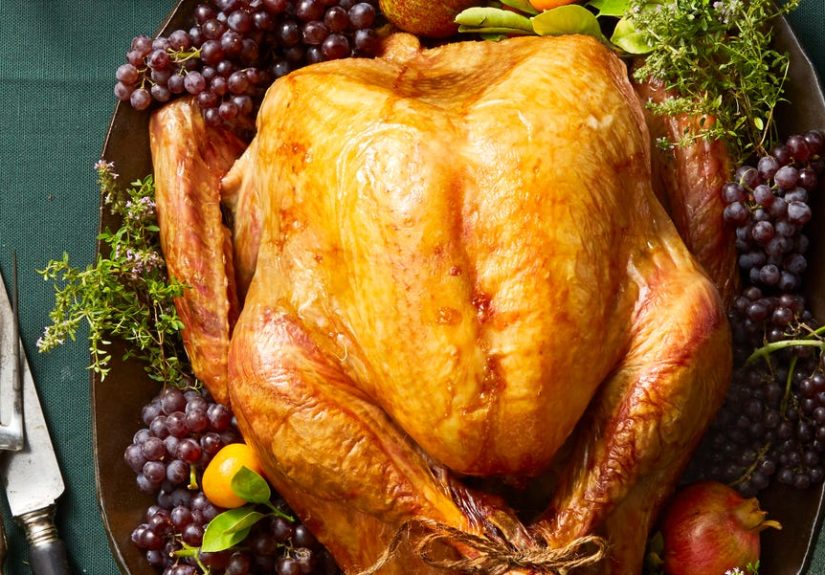
Then there is the smell. When a dry-brined turkey roasts, the aroma tends to be richer and more turkey-forward, especially if you used herbs and citrus zest in the rub. The kitchen smells savory, toasty, and festive in the best possible way. And when the bird comes out, the skin usually has better color, too. Not pale and tired, but deeply golden and ready for its close-up.
The carving moment is where the method really earns its fan club. A properly dry-brined turkey tends to slice more cleanly, especially in the breast. Instead of crumbly, dry-looking meat, you get slices that look glossy and well-seasoned. The juices stay in the meat rather than rushing out all over the board. That visual alone can feel like a small holiday miracle, especially for cooks who have spent years nervously overcooking turkey because they were afraid of underdoing it.
Guests may not always know why the turkey tastes better, but they notice. The most common reaction is that the meat tastes flavorful on its own. That is one of the biggest advantages of brining: the seasoning is not just sitting on the skin. It tastes like the bird was cared for, not just cooked. Even leftovers stay more appealing. The next-day sandwich has actual life in it. The chopped turkey for soup or casserole still feels tender instead of stringy.
Perhaps the most relatable experience of all is confidence. Once a cook has one successful dry-brined turkey under their belt, the next one feels far less intimidating. The process becomes repeatable. Reliable. Practical. You stop hoping for a juicy turkey and start expecting one. And that, honestly, is the whole point of a great kitchen trick. It should not just make the food better. It should make you feel better making it.
So if turkey has let you down in the past, do not take it personally. Give it salt, time, and a little refrigerator patience. This easy brining trick turns a notoriously dry holiday bird into something juicy, deeply seasoned, and worthy of the center of the table. That is not kitchen magic. That is just good technique dressed for Thanksgiving.